China–Latin America Youth Responding to Global Challenges: 2026 Poverty Alleviation Challenge
Chile Station Final: Field Visit Session
About the “Poverty Alleviation Challenge”
Poverty alleviation is a universal challenge for developing countries and a shared concern for the entire world. In 2024, the Tsinghua University Latin America Center, the Research Center for China-Latin America Management Studies, School of Economics and Management, Tsinghua University, and the Center for Global Competence Development at Tsinghua University, in collaboration with Latin American university partners, successfully launched and implemented the “China-Latin America Youth Responding to Global Challenges — 2024 Poverty Alleviation Challenge” (hereinafter referred to as the “Poverty Alleviation Challenge”) in China (Tsinghua), Brazil, and Chile. This initiative sparked a wave of university-led poverty alleviation dialogues across China and Latin America. In November of the same year, during President Xi Jinping’s state visit to Brazil and his attendance at the 19th G20 Leaders’ Summit, Party Secretary Qiu Yong of Tsinghua University and the Rector of Universidade Federal do Rio de Janeiro (UFRJ) signed a cooperation agreement on the “China-Latin America Youth Responding to Global Challenges” program. This agreement was included in the official list of outcomes of President Xi’s visit to Brazil, becoming a landmark initiative for China-Latin America win-win development led by Tsinghua University. The 2026 Poverty Alleviation Challenge is co-hosted by founding organizers including Tsinghua University, Universidade Federal do Rio de Janeiro (UFRJ), Pontificia Universidad Católica de Chile (UC), Universidad de Chile, and Universidad del Pacífico (Peru). The program is jointly organized by the Embassy of China in Brazil, the Fundação Getulio Vargas (FGV) EAESP, Universidad de Santiago de Chile (USACH), and Pontificia Universidad Católica del Perú (PUCP).
The 2026 Poverty Alleviation Challenge has attracted more than 666 youth participants from 88 universities and organizations in countries such as China, Chile, Brazil, and Peru, forming a total of 119 teams. The challenge is structured into two stages—the “Preliminary Round” and the “Transnational Finals”—aiming to foster cross-cultural communication and collaboration while stimulating the innovative thinking and practical skills of global youth in the field of poverty alleviation. In June 2026, the preliminary round of the 2026 Poverty Alleviation Challenge was successfully conducted. With Tsinghua University serving as the primary offline venue, participants from Latin American countries joined through a hybrid online and offline format. After intense competition, 12 innovative teams stood out and advanced to the transnational finals. The Chile Final is being held in Santiago, Chile, from August 17 to 19, Chile Standard Time. During this final phase, participating teams will engage in a series of challenging activities, including ice-breaking sessions, field research, poverty alleviation seminars, mentoring, and the design and presentation of poverty alleviation solutions.
The 2026 Poverty Alleviation Challenge received support from the Chinese Embassy in Brazil, the Chinese Consulate-General in Rio de Janeiro, the Embassy of Brazil in China, the Chinese Embassy in Chile, the Embassy of Chile in China, the Chinese Embassy in Peru, and the Embassy of Peru in China. Leading Chinese and international companies and institutions, including Envision Group, CGE Group (Chile), Minera Las Bambas S.A., Zhongshan (Beijing) Cultural Industry Co., Ltd., DiDi, China Mobile International (Chile), Kuaishou International Business (KSIB), and the Luksic Foundation, also provided important support for the program.
On the afternoon of August 17, 2026, Chile Standard Time, Professor Chen Taotao (Professor at the School of Economics and Management (SEM), Tsinghua University; Director of the Tsinghua University Latin America Center; and Director of the Research Center for China-Latin America Management Studies, SEM) and Andrés Bórquez (Director of the Directorate of International Relations (DRI), Universidad de Chile) led approximately 50 contestants of the 2026 Poverty Alleviation Challenge to the Institute of Nutrition and Food Technology (INTA) of Universidad de Chile for a field visit. The session aimed to help contestants gain a deep understanding of Chile's diverse explorations and effective practices in the field of poverty alleviation. As a leading authority in nutrition science and food technology in Latin America, INTA adheres to a “dual-drive” model of “Laboratory R&D + Community Practice,” implementing food education and child development projects in areas such as Chiloé to transform scientific research into public policies for vulnerable groups.
At the beginning of the event, Professor Lee Meisel, Director of INTA, delivered a welcome speech, extending a warm welcome to the participants and briefly introducing INTA’s leading position in the field since its inception, as well as its core philosophy of “driving policy change through scientific evidence”.
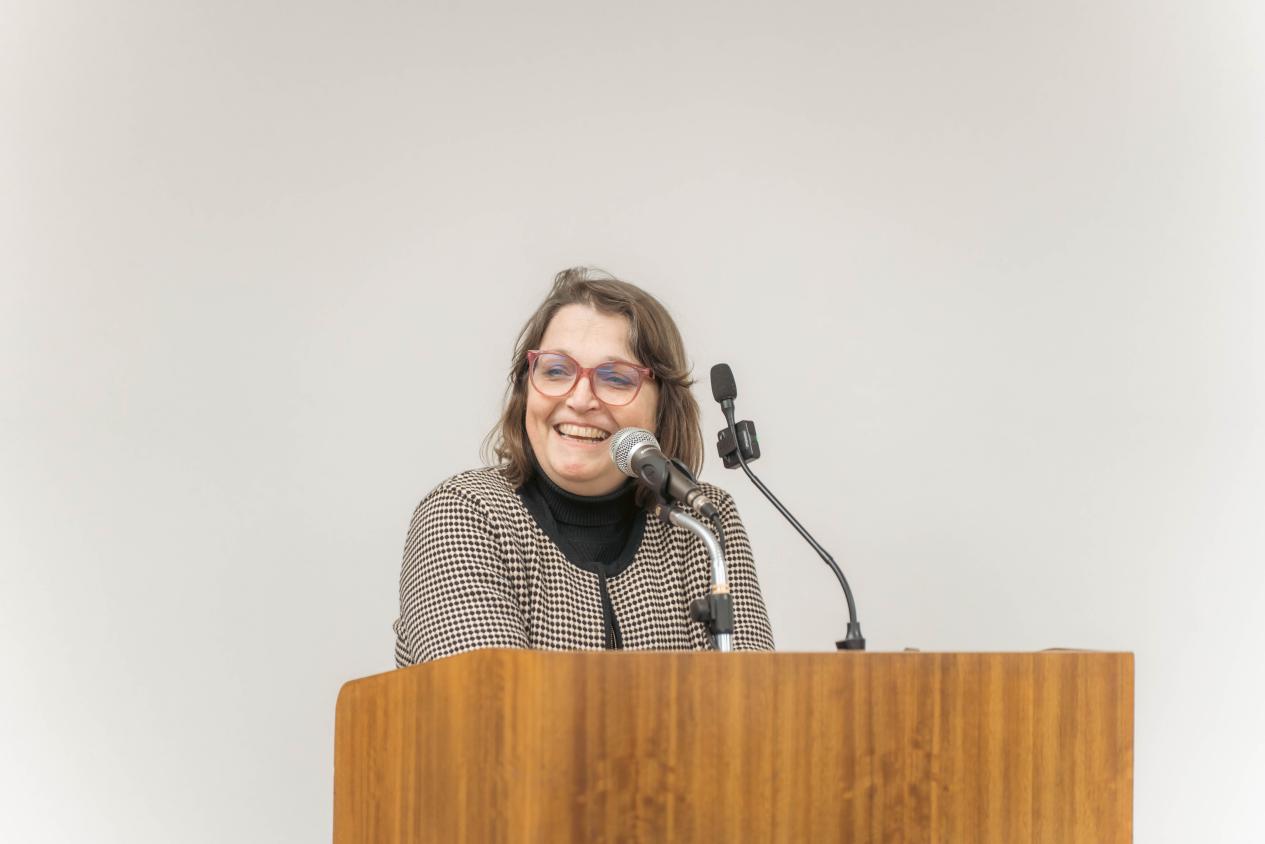
Figure: Professor Lee Meisel delivering the opening remarks
Subsequently, Professor Camila Corvalán, Director of the Research Center for Food Environment and Nutrition-related Chronic Diseases (CIAPEC-INTA), delivered a lecture titled “Providing Evidence for Food Policy: INTA’s Contribution to Chilean Public Health.” She systematically introduced how the institute utilizes longitudinal epidemiological research, including observational and intervention studies, to accurately track nutrition and health data during key life stages such as pregnancy, childhood, and adolescence, providing vital scientific support for Chile’s national food and public health policies.
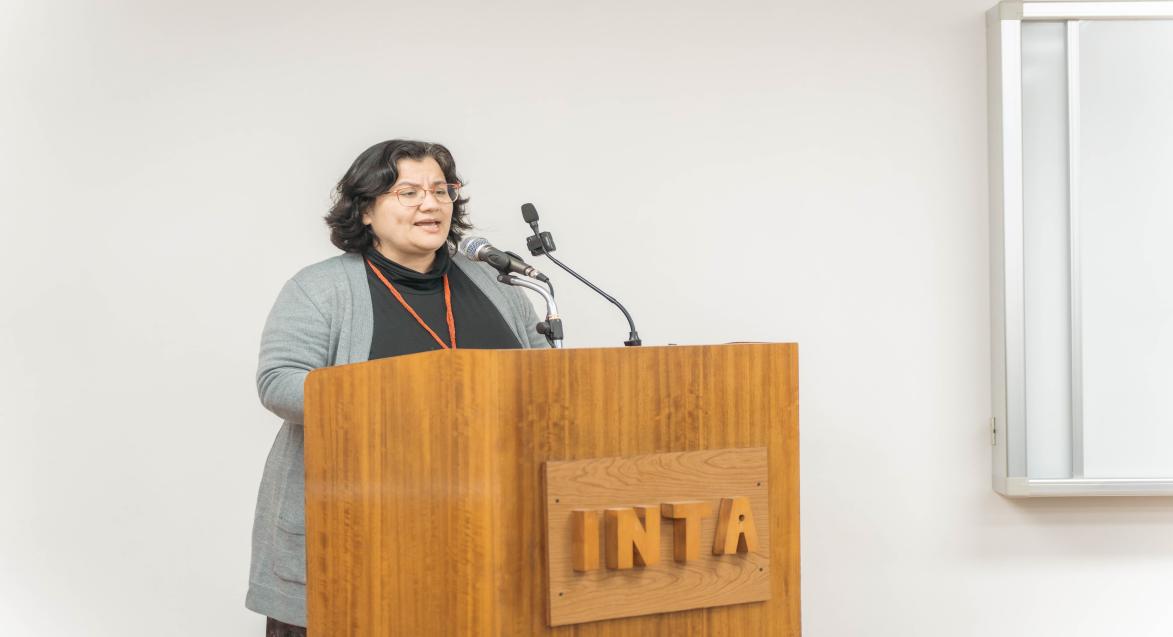
Figure: Professor Camila Corvalán delivering her lecture
In her speech titled “From Local to Public Policy: Chiloé’s Experience in Food Education, Food Security, and Child Development,” INTA Assistant Professor Nelly Bustos shared the research team’s field practices in the Chiloé Archipelago in southern Chile. She explained how they integrated school food environments, community nutrition education, and early childhood development, vividly demonstrating a typical path for transforming micro-level local experiences into macro-level national policies.
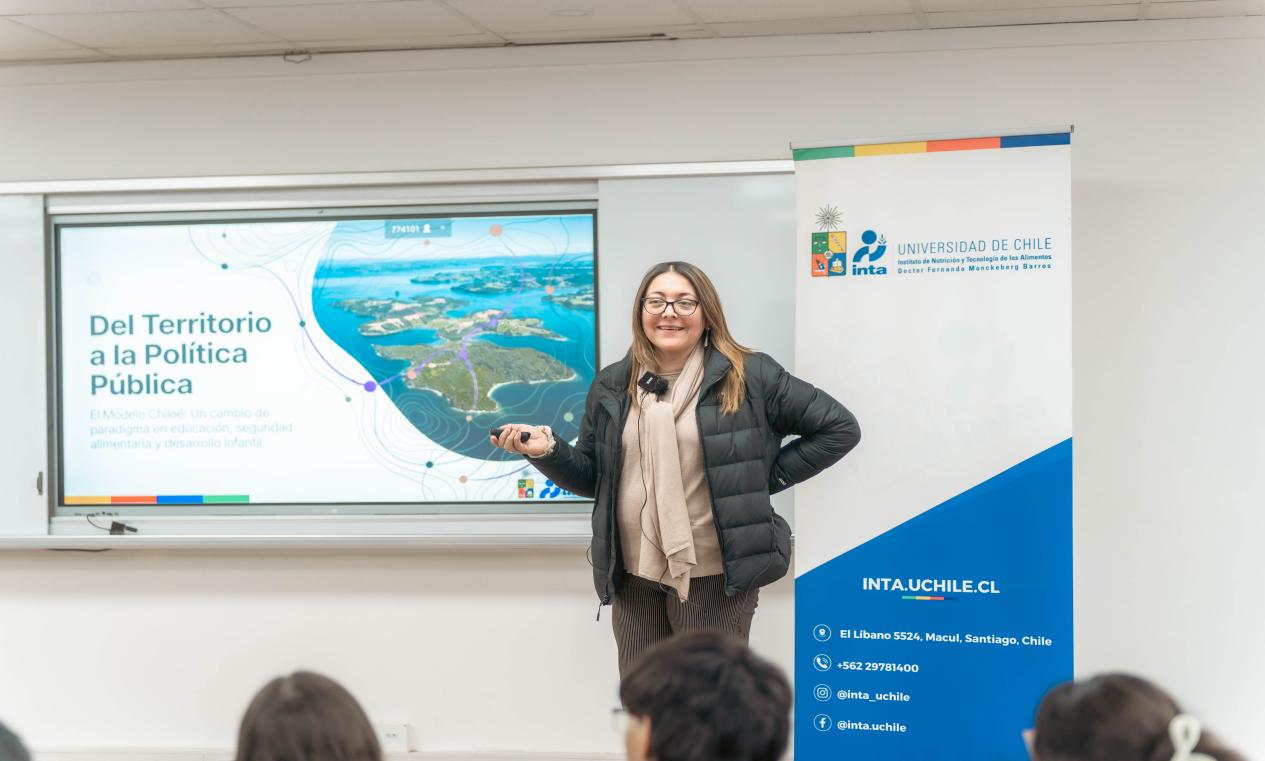
Figure: Professor Nelly Bustos delivering her lecture
Participating experts and youth held in-depth exchanges on the lecture presentations, focusing on key issues such as data collection methods in remote communities, how to transform data into a basis for policy, cost control of nutritional intervention technologies, and maintaining community trust in resource-scarce areas, all within an enthusiastic atmosphere.
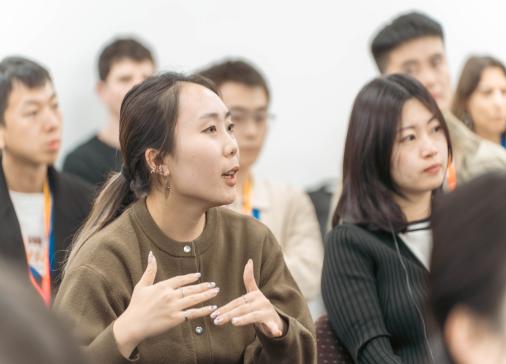
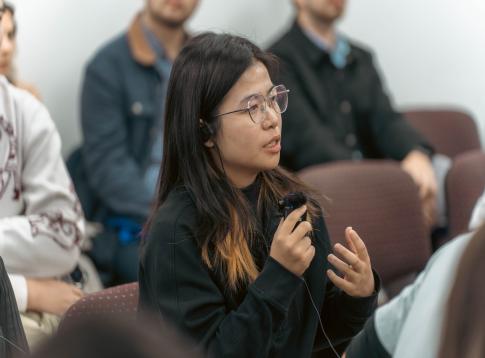
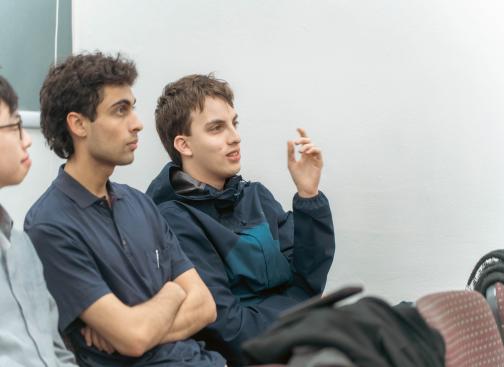
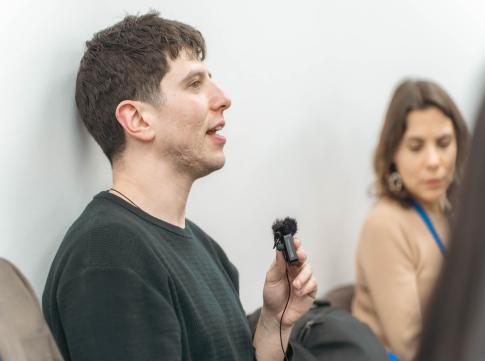
Figure: Students asking questions
Subsequently, the field visit entered the laboratory phase. Contestants were divided into three groups to conduct targeted research in three core laboratories.
The first group of contestants visited the Microbiology and Probiotics Laboratory. Under the guidance of Professor Angélica Reyes and PhD student Doina Solis, they observed the entire process of screening, cultivating, and testing the activity of probiotic strains at close range. The team focused on discussing how these laboratory results could bridge the “last mile” from the petri dish to the community. According to Professor Reyes, INTA is collaborating with school cafeterias in remote areas of Chile to incorporate self-developed probiotic preparations into children's daily dietary interventions, directly improving the gut health and nutrient absorption of low-income children in a low-cost and highly accessible way.
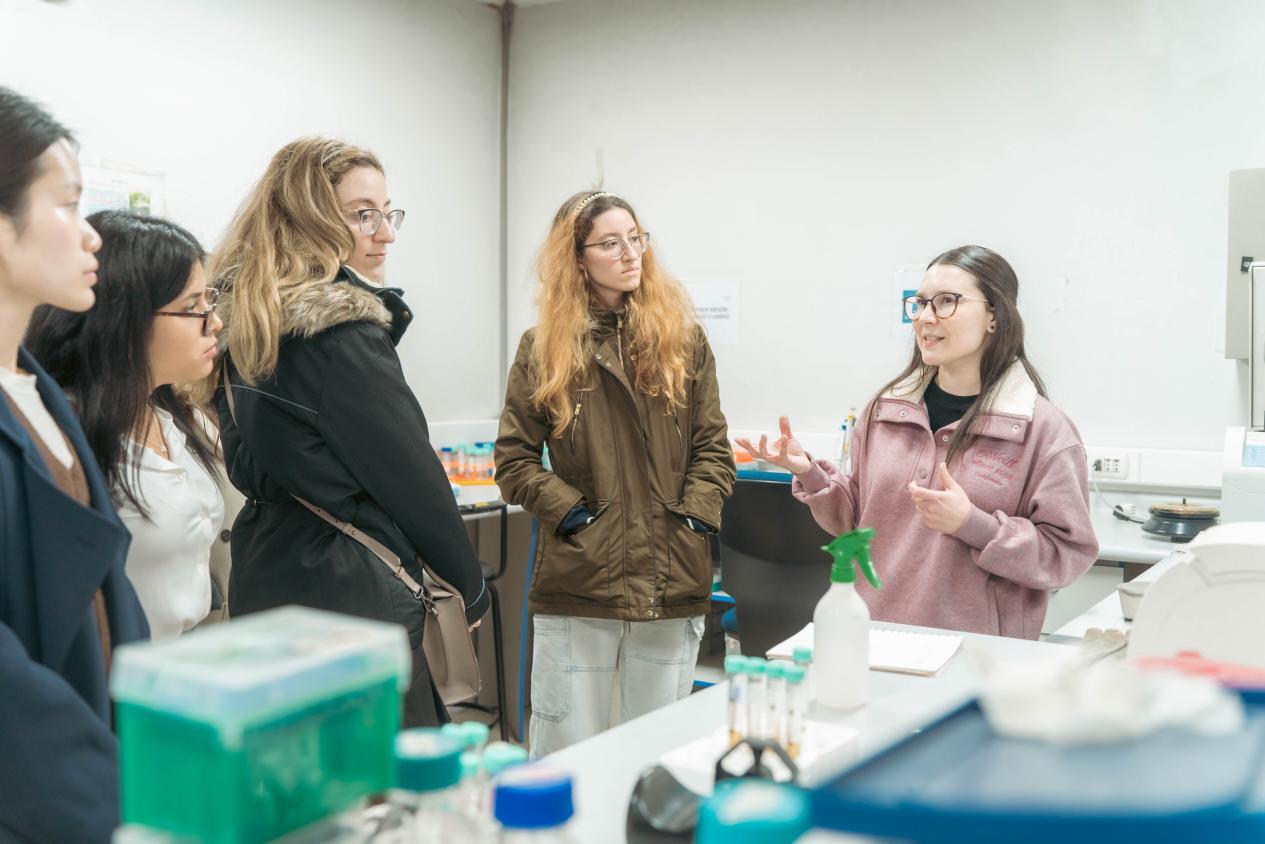
Figure: Microbiology and Probiotics Laboratory
The second group of contestants visited the Functional Nutrition Research Laboratory (LINF). Professor Omar Porras demonstrated technologies for functional ingredient extraction and nutritional fortification for native Chilean agricultural products (such as quinoa, chia seeds, and berries). Addressing the question of whether technical costs would become a barrier for low-income groups, the team engaged in deep discussions with Professor Porras. Professor Porras stated that LINF’s research goal is not to manufacture high-priced health products, but rather to help small-scale farmers increase the added value of their products through the high-value utilization of native crops, while ensuring that fortified foods enter public nutrition programs at affordable prices.
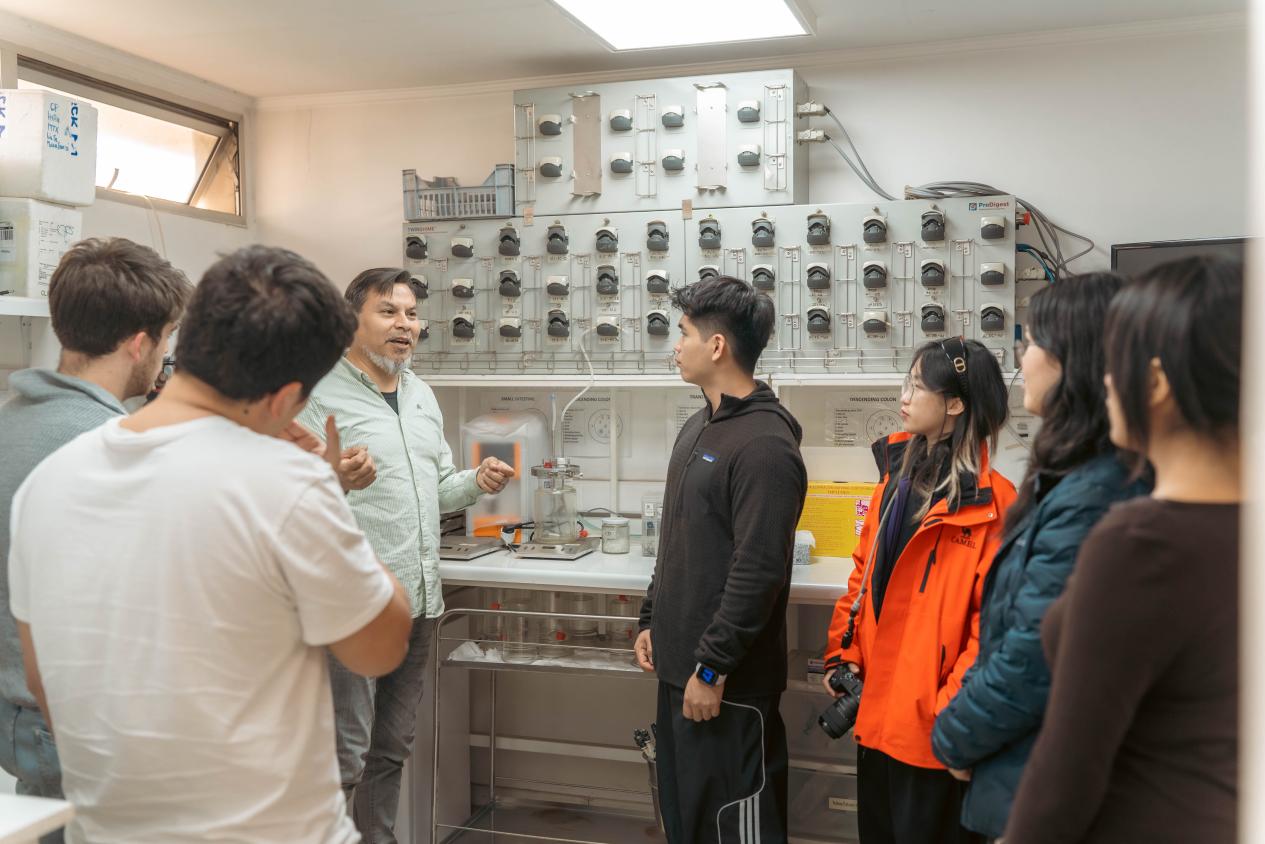
Figure: Functional Nutrition Research Laboratory
The third group of contestants entered the Diagnostic Center (CEDINTA), where registered dietitian Felipe Peñaloza demonstrated the clinical rapid diagnostic process for childhood malnutrition and micronutrient deficiency. The team learned that CEDINTA not only serves clinical research but also takes on the responsibility of providing baseline data and impact assessments for Chile’s national poverty alleviation projects. Every diagnostic report can serve as a direct basis for the government to adjust food subsidies, school feeding, and maternal and child health policies. As a key hub connecting clinical practice and national policy, CEDINTA uses solid scientific evidence to ensure that nutritional interventions are effectively implemented as tangible and measurable improvements in people’s livelihoods.
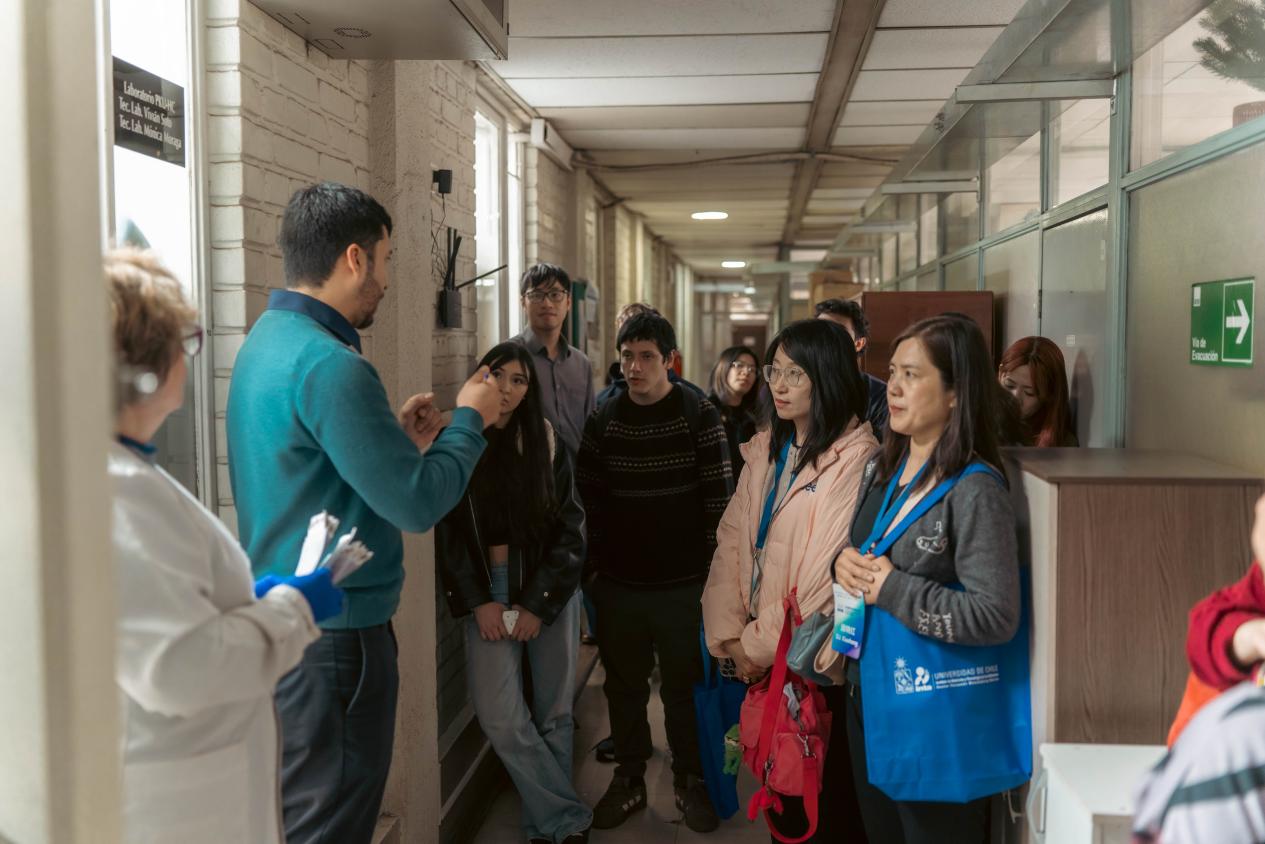
Figure: Diagnostic Center
This field visit presented a vivid path from academic research to poverty alleviation practice, allowing the contestants to gain a deeper understanding of the actual implementation of policies in a cross-cultural context. These practical experiences from Chilean communities are being transformed into valuable references for their exploration of sustainable poverty reduction paths.