China–Latin America Youth Responding to Global Challenges —
2026 Poverty Alleviation Challenge
Brazil Final: Mentorship Session
About the “Poverty Alleviation Challenge”
Poverty alleviation is both a common challenge faced by developing countries and a shared global concern. In 2024, the Tsinghua University Latin America Center, the Research Center for China-Latin America Management Studies, School of Economics and Management, Tsinghua University, and the Center for Global Competence Development at Tsinghua University, in collaboration with Latin American university partners, successfully launched and implemented the “China-Latin America Youth Responding to Global Challenges — 2024 Poverty Alleviation Challenge” (hereinafter referred to as the “Poverty Alleviation Challenge”) in China (Tsinghua), Brazil, and Chile. This initiative fostered extensive university-led dialogue on poverty alleviation across China and Latin America. In November of the same year, during President Xi Jinping’s state visit to Brazil and his attendance at the 19th G20 Leaders’ Summit, Party Secretary Qiu Yong of Tsinghua University and the Rector of Universidade Federal do Rio de Janeiro (UFRJ) signed a cooperation agreement on the “China-Latin America Youth Responding to Global Challenges” program. This agreement was included in the official list of outcomes of President Xi’s visit to Brazil, becoming a landmark initiative for China-Latin America win-win development led by Tsinghua University. The 2026 Poverty Alleviation Challenge is co-hosted by founding organizers including Tsinghua University, Universidade Federal do Rio de Janeiro (UFRJ), Pontificia Universidad Católica de Chile (UC), Universidad de Chile, and Universidad del Pacífico (Peru). The program is jointly organized by the Embassy of China in Brazil, the Fundação Getulio Vargas (FGV) EAESP, Universidad de Santiago de Chile (USACH), and Pontificia Universidad Católica del Perú (PUCP).
The “2026 Poverty Alleviation Challenge” has attracted over 666 young participants from 88 universities and corporate institutions in China, Brazil, Chile, and Peru, forming 119 teams. The Challenge consists of two stages—the “Preliminary Round” and the “International Final”—aiming to promote cross-cultural communication and collaboration while inspiring the innovative thinking and practical capabilities of global youth in the field of poverty alleviation. In June 2026, the Preliminary Round of the “2026 Poverty Alleviation Challenge” was successfully held. With Tsinghua University serving as the primary offline venue, participants from Latin American countries took part through a combination of online and offline participation. Following a rigorous selection process, 12 outstanding teams advanced to the International Final. From August 12 to 14, Brazil time, the Brazil Final of the “China-Latin America Youth Responding to Global Challenges — 2026 Poverty Alleviation Challenge” was held at Universidade Federal do Rio de Janeiro (UFRJ). During the final stage, participating teams will engage in a series of challenging activities, including ice-breaking sessions, field research, poverty alleviation seminars, mentorship sessions, and the design and presentation of poverty alleviation solutions.
The 2026 Poverty Alleviation Challenge received support from the Embassy of China in Brazil, the Consulate General of China in Rio de Janeiro, the Embassy of Brazil in China, the Embassy of China in Chile, the Embassy of Chile in China, the Embassy of China in Peru, and the Embassy of Peru in China. Leading Chinese and international companies and institutions, including Envision Group, CGE Group (Chile), Minera Las Bambas S.A. (Peru), Zhongshan (Beijing) Cultural Industry Co., Ltd., DiDi, China Mobile International (Chile), Kuaishou International Business (KSIB), Banco BOCOM BBM S.A., and the Luksic Scholars Foundation, also provided important support for the program.
On the afternoon of August 13, 2026, Brazil time, approximately 50 mentoring experts and participants gathered at Universidade Federal do Rio de Janeiro (UFRJ) for the mentorship session of the 2026 Poverty Alleviation Challenge. The session was moderated by Professor José Orlando Gomes, Associate Dean for International Affairs at the School of Engineering of UFRJ. Professor Gomes extended a warm welcome to all faculty and students, pointing out that this session aimed to promote cross-cultural exchange and enhance the practical capabilities of youth in poverty alleviation, encouraging students to establish close links between professional knowledge and social innovation practice.
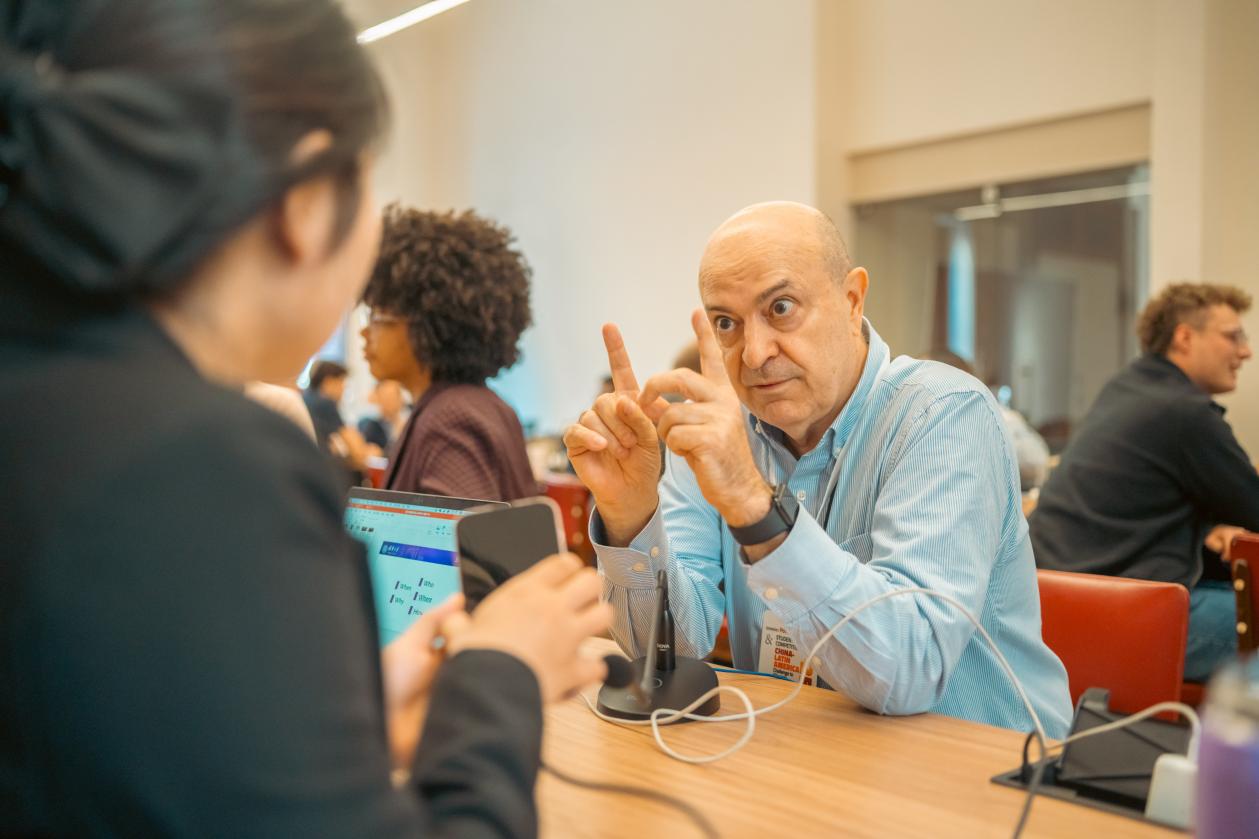
Figure: Professor José Orlando Gomes communicating with students
The mentors for this session came from multiple institutions in academia and industry, including José Orlando Gomes, Full Professor in the Department of Industrial Engineering at Universidade Federal do Rio de Janeiro (UFRJ); Vitor Libanio, Social Responsibility Analyst at Vale S.A.; Antonio Claret, Research Director at Wise Responder, an Oxford University initiative, and Policy Advisor on multidimensional poverty for national and local governments in Brazil; Gu Xiaohong, former executive at Bank of China (Peru); and Zhao Daqi, Researcher at the Rural Revitalization Center at Tsinghua University. The mentors delivered messages to the students, expressing great expectations for their project presentations and exchanges.
During the mentorship session, different teams engaged in roundtable discussions with the mentors, conducting heated debates on project concepts, the application of the Poverty Alleviation Toolkit (5W1H+), and project feasibility. The session provided an excellent platform for intellectual exchange and professional learning. Mentors guided the teams through project design logic, feasibility analysis, and social impact assessment, providing constructive suggestions on implementation strategies to help students refine their solutions and enhance their practical value and social contribution.
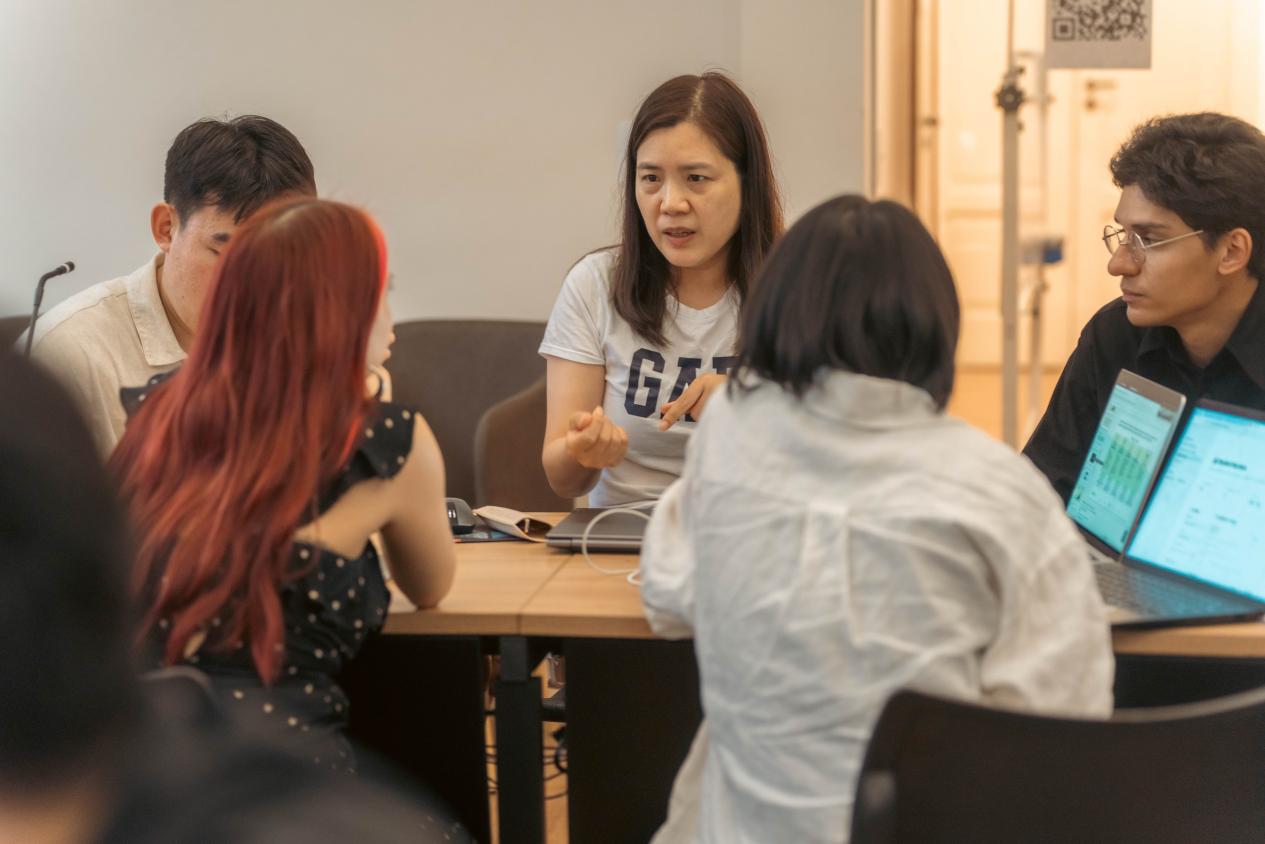
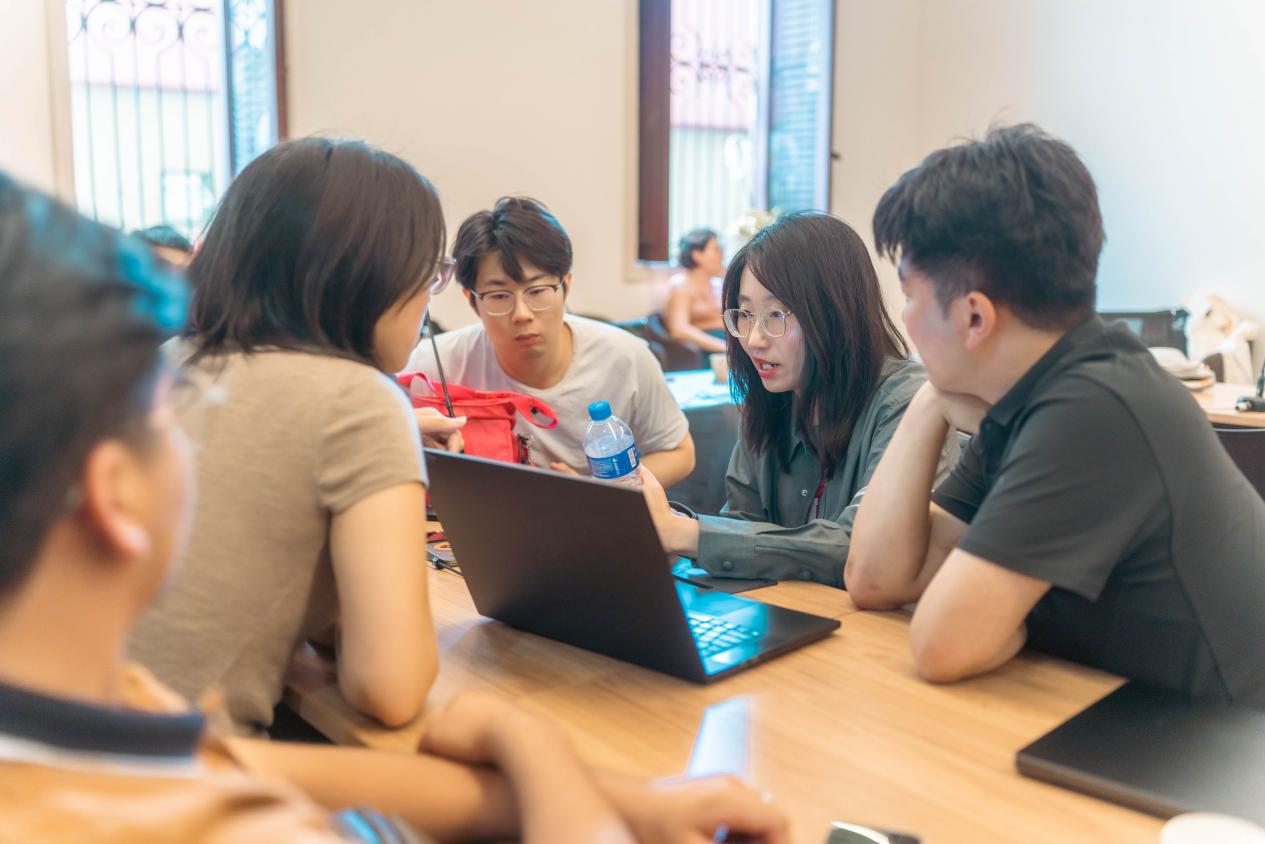
Figure: The Mentorship Session
The professional mentorship session concluded amidst enthusiastic discussions. Through dedicated guidance and interdisciplinary exchange, participants were helped to think more comprehensively about project design and implementation strategies, increasing the feasibility of their solutions. The session also provided students with opportunities to learn closely from experts and stimulated innovative thinking, laying a solid foundation for the optimization and presentation of solutions during the final stage.
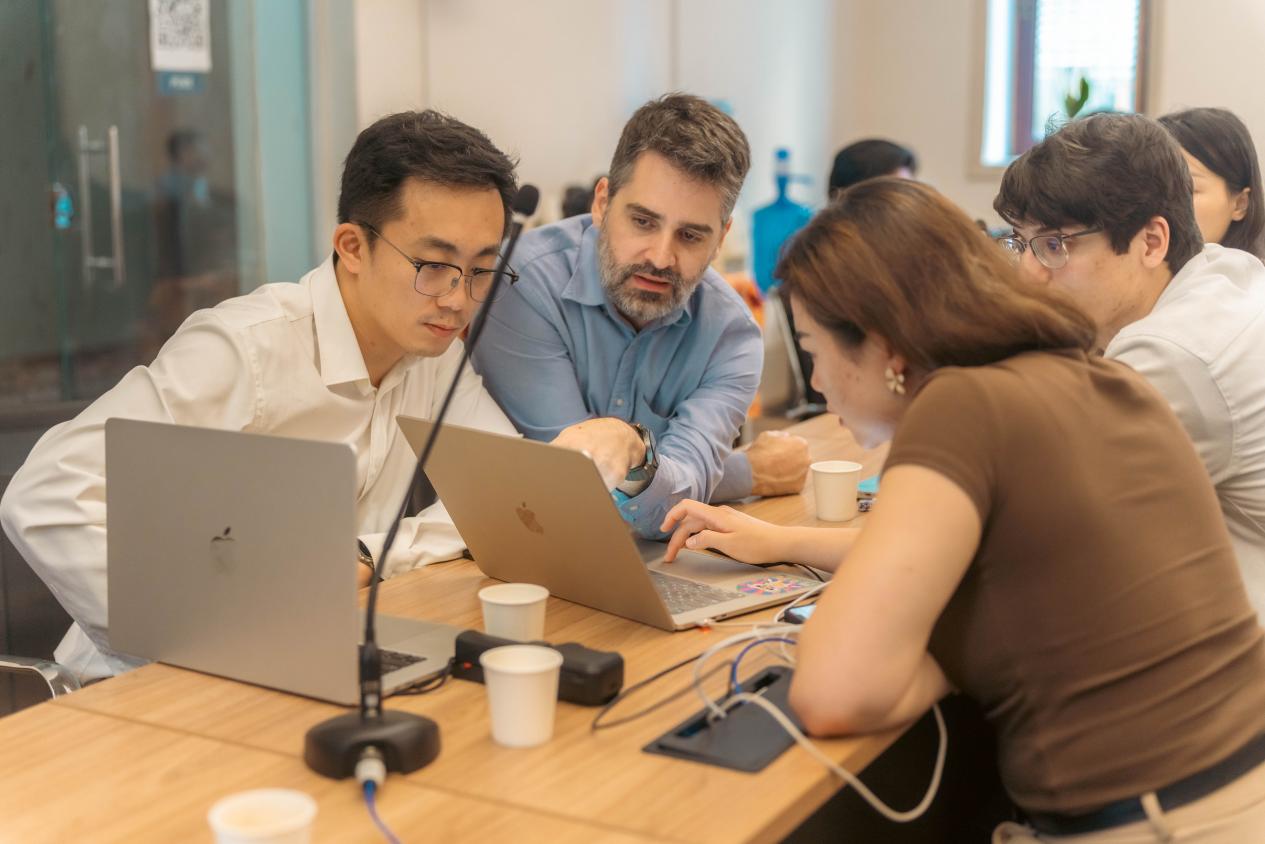
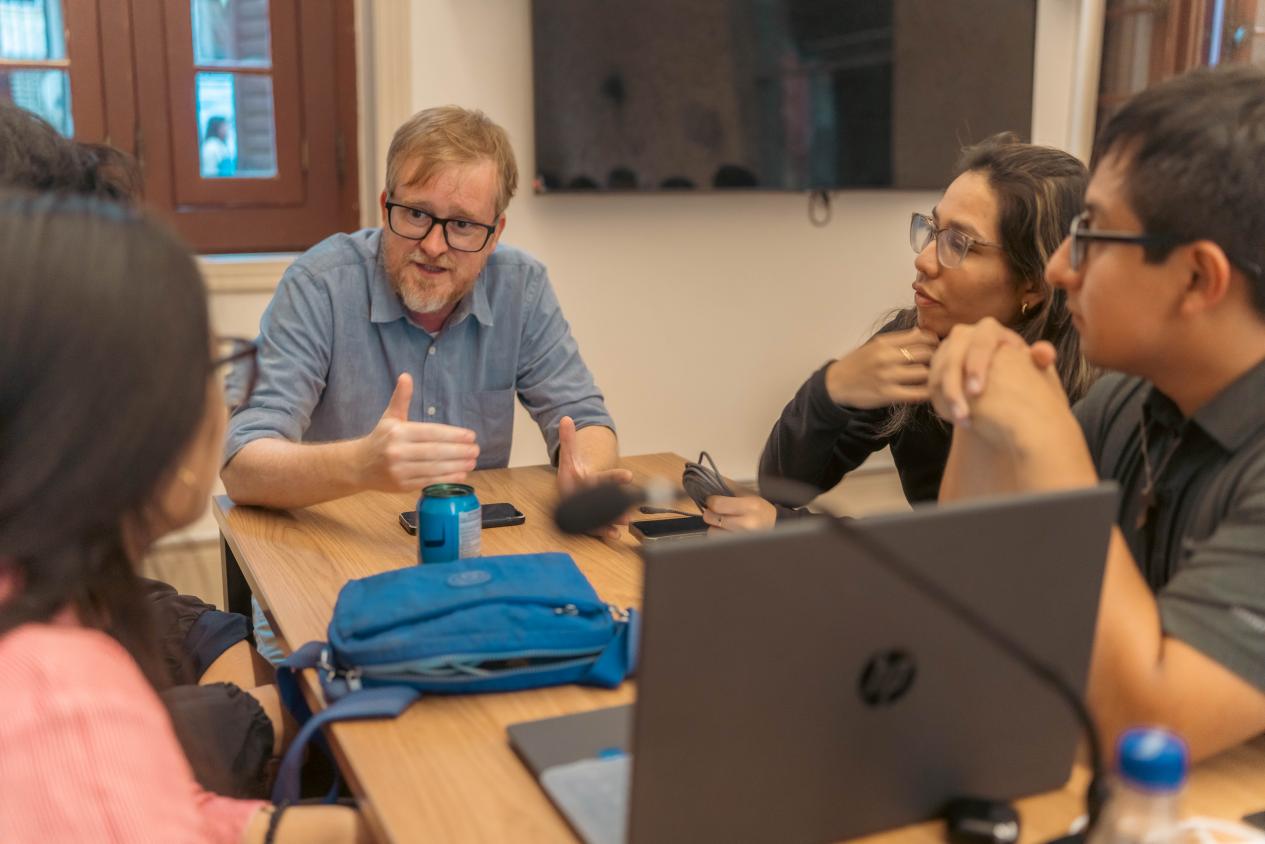
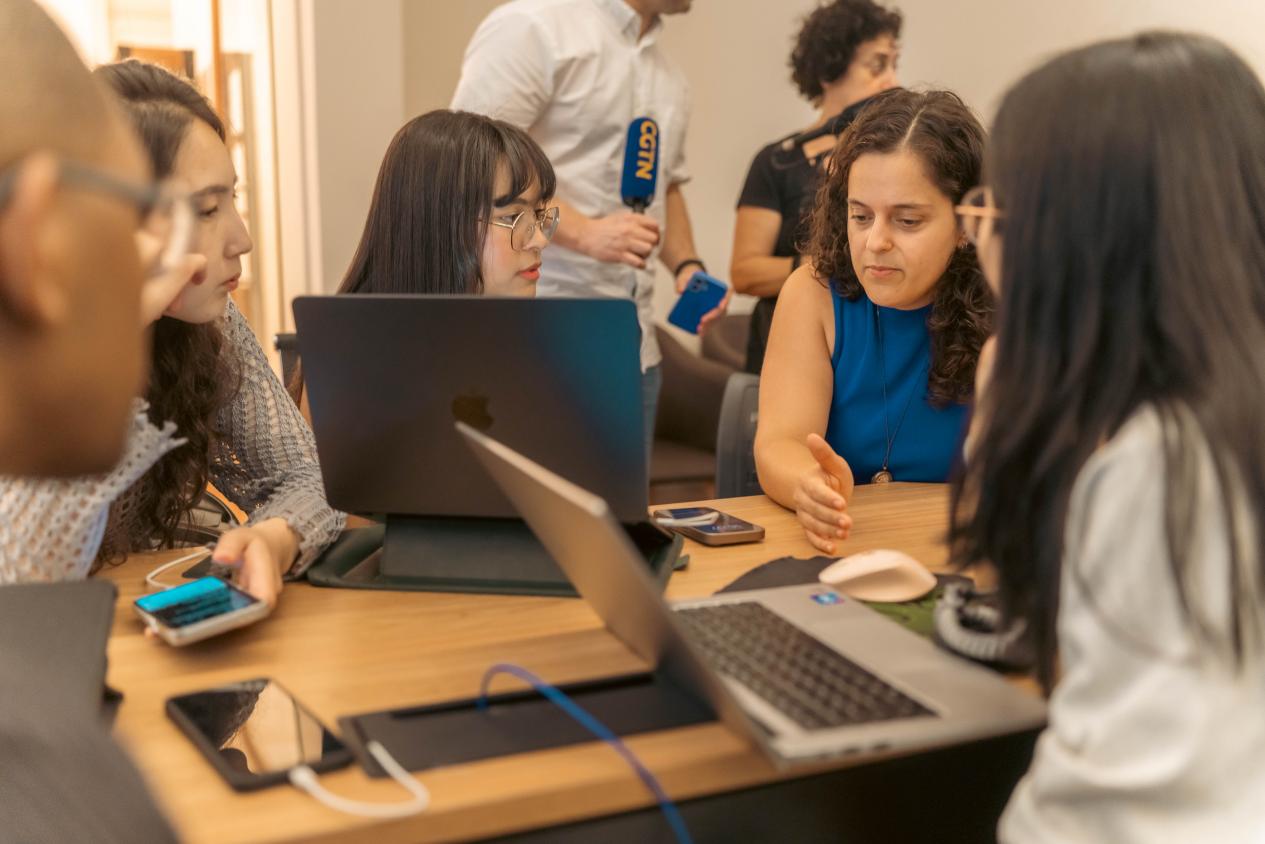
Figure: The Mentorship Session