China-Latin America Youth Responding to Global Challenges — 2026 Poverty Alleviation Challenge
Field Visit Session
About the “Poverty Alleviation Challenge”
Poverty alleviation is a universal challenge for developing countries and a shared concern for the entire world. In 2024, the Tsinghua University Latin America Center, the Research Center for China-Latin America Management Studies, School of Economics and Management, Tsinghua University, and the Center for Global Competence Development at Tsinghua University, in collaboration with Latin American university partners, successfully launched and implemented the “China-Latin America Youth Responding to Global Challenges — 2024 Poverty Alleviation Challenge” (hereinafter referred to as the “Poverty Alleviation Challenge”) in China (Tsinghua), Brazil, and Chile. This initiative sparked a wave of university-led poverty alleviation dialogues across China and Latin America. In November of the same year, during President Xi Jinping’s state visit to Brazil and his attendance at the 19th G20 Leaders’ Summit, Party Secretary Qiu Yong of Tsinghua University and the Rector of Universidade Federal do Rio de Janeiro (UFRJ) signed a cooperation agreement on the “China-Latin America Youth Responding to Global Challenges” program. This agreement was included in the official list of outcomes of President Xi’s visit to Brazil, becoming a landmark initiative for China-Latin America win-win development led by Tsinghua University. The 2026 Poverty Alleviation Challenge is co-hosted by founding organizers including Tsinghua University, Universidade Federal do Rio de Janeiro (UFRJ), Pontificia Universidad Católica de Chile (UC), Universidad de Chile, and Universidad del Pacífico (Peru). The program is jointly organized by the Embassy of China in Brazil, the Fundação Getulio Vargas (FGV) EAESP, Universidad de Santiago de Chile (USACH), and Pontificia Universidad Católica del Perú (PUCP). The program aims to build a cross-cultural cooperation platform for China-Latin America youth, encouraging young participants to leverage their professional advantages, build consensus through mutual learning, and explore innovative solutions to global poverty alleviation challenges with youth wisdom. In 2026, the Poverty Alleviation Challenge further upgraded and innovated on the basis of the previous two years, promoting exchange and cooperation among youth around poverty alleviation and development issues through transnational team formation, competitions, field research, lectures, and seminars, facilitating the mutual learning of poverty alleviation experiences from different countries through joint practice.
The 2026 Poverty Alleviation Challenge has attracted more than 666 young participants from 88 universities and corporate institutions in China, Brazil, Chile, and Peru, forming 119 teams. The Challenge consists of two stages—the “Preliminary Round” and the “International Final”—aiming to promote cross-cultural communication and collaboration while inspiring the innovative thinking and practical capabilities of global youth in the field of poverty alleviation. In June 2026, the Preliminary Round of the 2026 Poverty Alleviation Challenge was successfully held. With Tsinghua University serving as the primary offline venue, participants from Latin American countries took part through a combination of online and offline participation. Following a rigorous selection process, 12 innovative teams emerged to successfully advance to the International Final. From August 12 to 14, Brazil time, the Brazil Final of the “China-Latin America Youth Responding to Global Challenges — 2026 Poverty Alleviation Challenge” was held at Universidade Federal do Rio de Janeiro (UFRJ). During the final stage, participating teams will engage in a series of challenging activities, including ice-breaking sessions, field research, poverty alleviation seminars, mentorship sessions, and the design and presentation of poverty alleviation solutions.
The 2026 Poverty Alleviation Challenge received support from the Chinese Embassy in Brazil, the Chinese Consulate-General in Rio de Janeiro, the Embassy of Brazil in China, the Chinese Embassy in Chile, the Embassy of Chile in China, the Chinese Embassy in Peru, and the Embassy of Peru in China. Leading Chinese and international companies and institutions, including Envision Group, CGE, Minera Las Bambas S.A., Zhongshan (Beijing) Cultural Industry Co., Ltd., DiDi, China Mobile International (Chile), Kuaishou International Business (KSIB), Banco BOCOM BBM S.A., and the Luksic Foundation, also provided important support for the program.
On the afternoon of August 12, 2026, Brazil time, Professor Chen Taotao, Professor at the School of Economics and Management of Tsinghua University, Director of the Tsinghua University Latin America Center, and Director of the Research Center for China-Latin America Management Studies, School of Economics and Management, Tsinghua University; Professor José Orlando Gomes from Universidade Federal do Rio de Janeiro (UFRJ); and Paula Carvalho, Researcher at the Brazil–China Center at UFRJ, jointly led the China–Latin America youth to the ViDançar Center located in the Complexo do Alemão community in Rio de Janeiro to conduct field research and exchange. The team members gained a close-up understanding of this social project that is rooted in the local community and utilizes art and education to expand growth opportunities for children and youth.
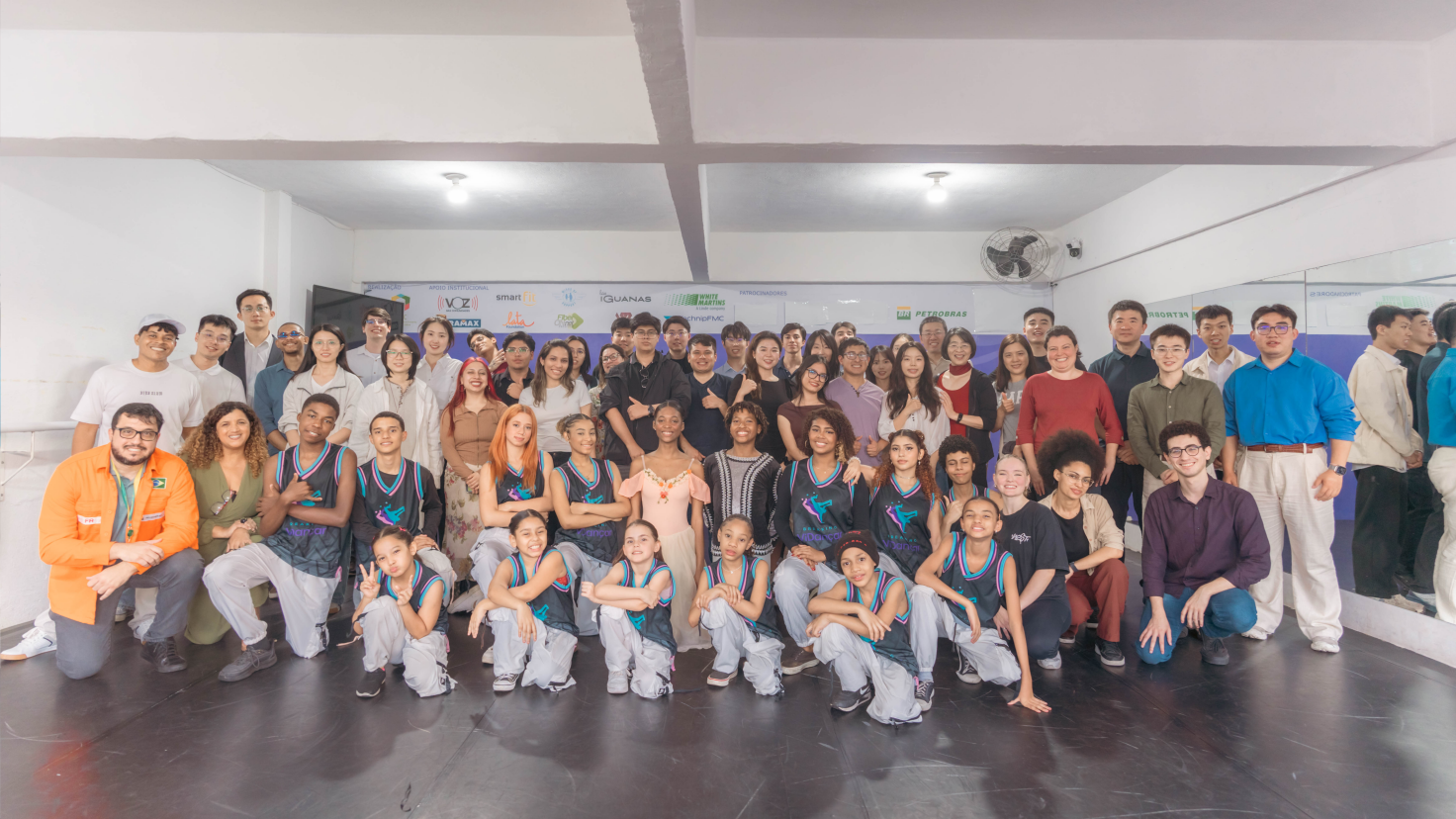
Figure 1: Group photo of the visiting team at the ViDançar Center
About ViDançar: ViDançar was founded by Ellen Serra on October 12, 2010, in the Complexo do Alemão community. Starting from a ballet class with only 14 children, the project aimed to open more possibilities for local children through dance and education. After years of development, ViDançar now serves over 500 children, youth, and women, with activities extending from Complexo do Alemão to Duque de Caxias, Espírito Santo, and the interior of Bahia. The project utilizes art, education, culture, sports, and the creative economy as levers to promote human development, social inclusion, and community connection.
At the beginning of the activity, Bruno, the son of ViDançar founder Ellen Serra, introduced the project's development history, curriculum, and community services.
Bruno’s narrative connected various modules such as arts education, academic support, technological enlightenment, and women's empowerment, allowing everyone to see clearly how a single dance classroom gradually evolved into a comprehensive space serving the entire community.
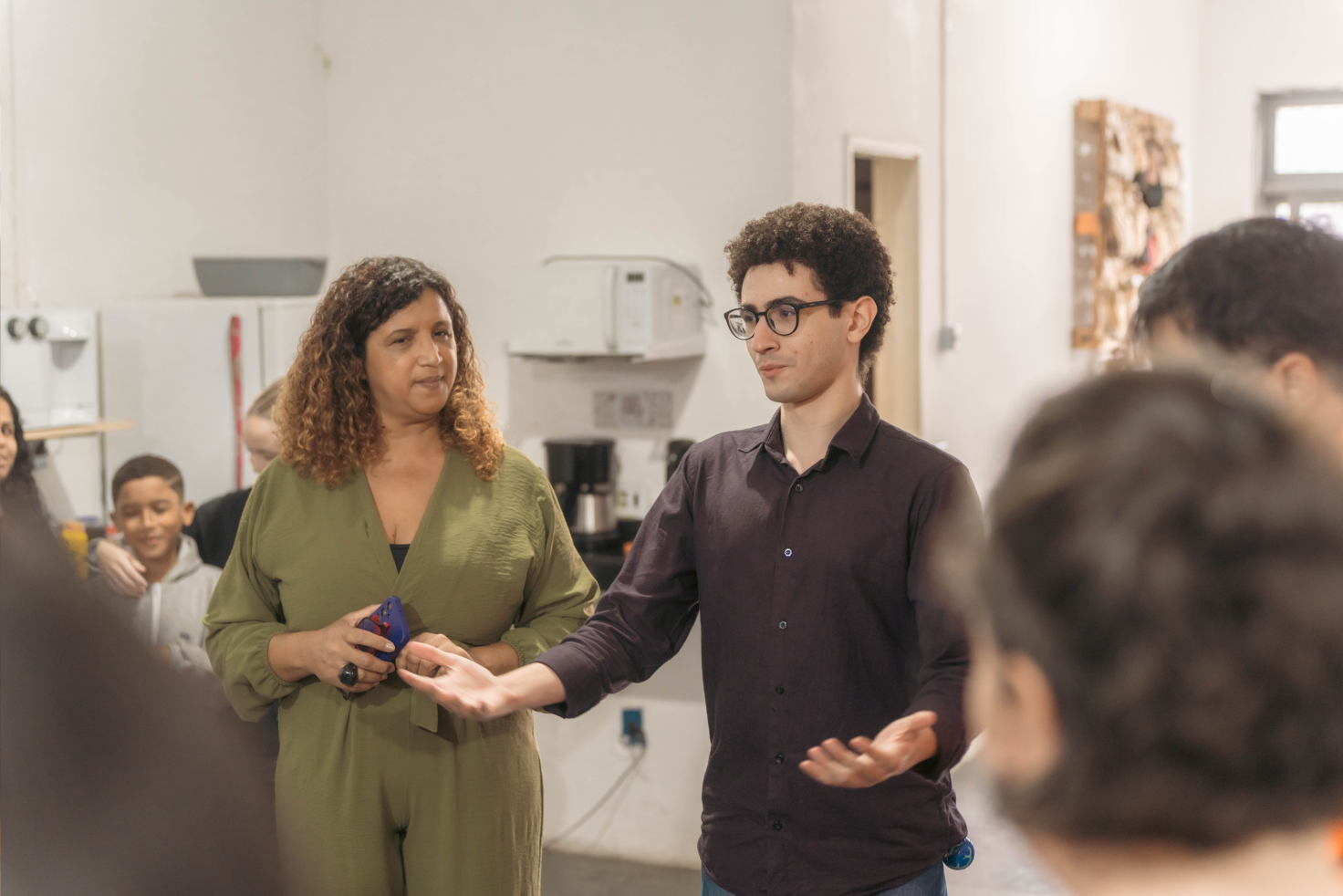
Figure 2: Bruno introducing the ViDançar project
Subsequently, the team went to the dance studio to watch ballet and breaking performances by the children. Two young ballet dancers performed graceful and light movements that combined softness with strength. Later, a group of over a dozen children performed a vigorous and spirited breaking dance to powerful beats; different dance styles converged in the same classroom, showcasing the vibrant cultural atmosphere of Rio de Janeiro.
After the performance, the children warmly invited the team members to join them. Participants stepped onto the floor, attempting dance moves and following the rhythm under the children's guidance. The slightly awkward dance steps brought rounds of laughter and applause, quickly bridging the distance between everyone in the relaxed and pleasant interaction. At this moment, language was no longer a barrier; art transcended national borders, and a gesture, a high-five, or a shared rhythm became the most natural form of cross-cultural communication. In the subsequent free exchange session, team members interacted closely with the children, and the site was consistently filled with a warm and lively atmosphere.
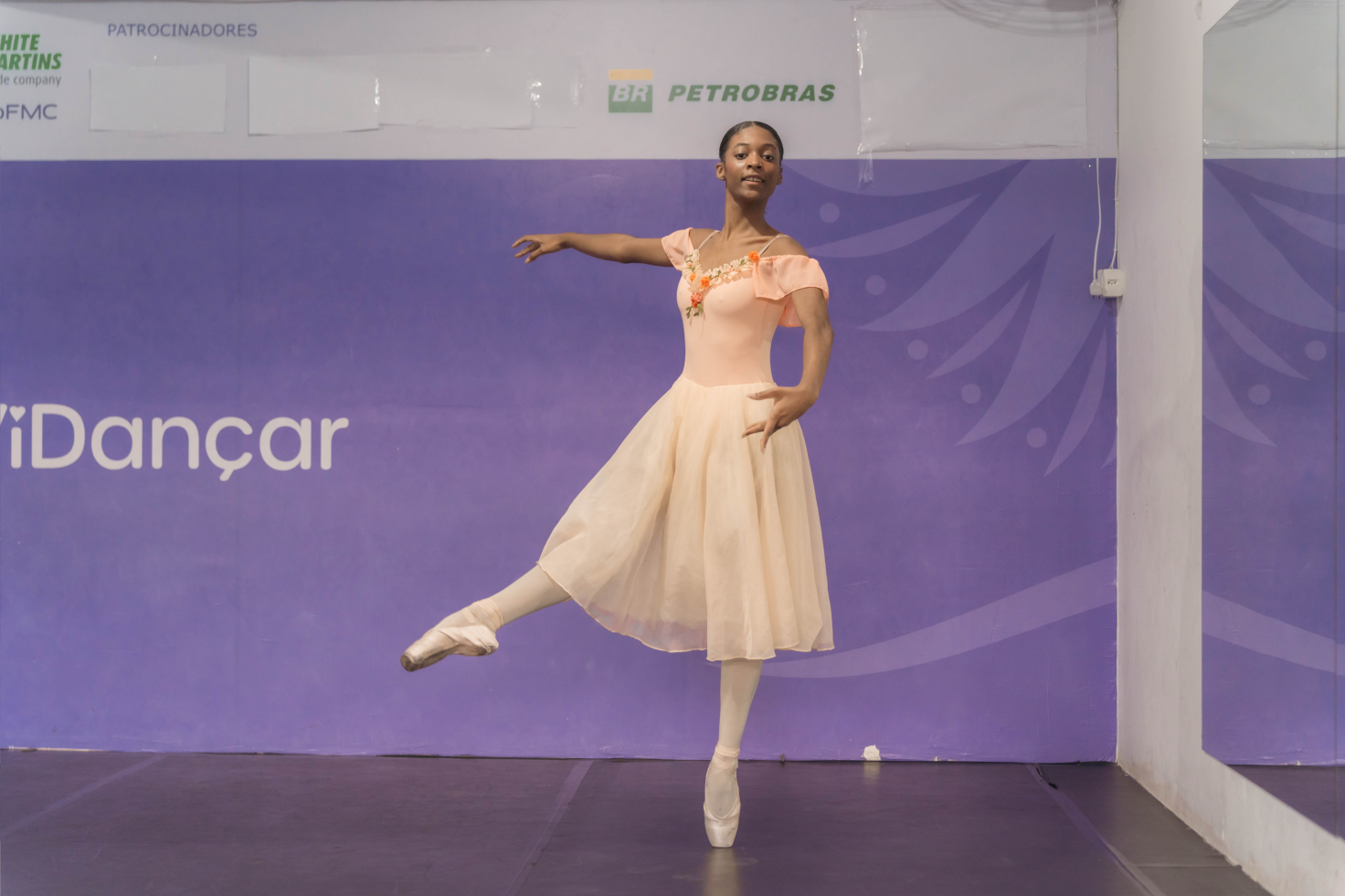
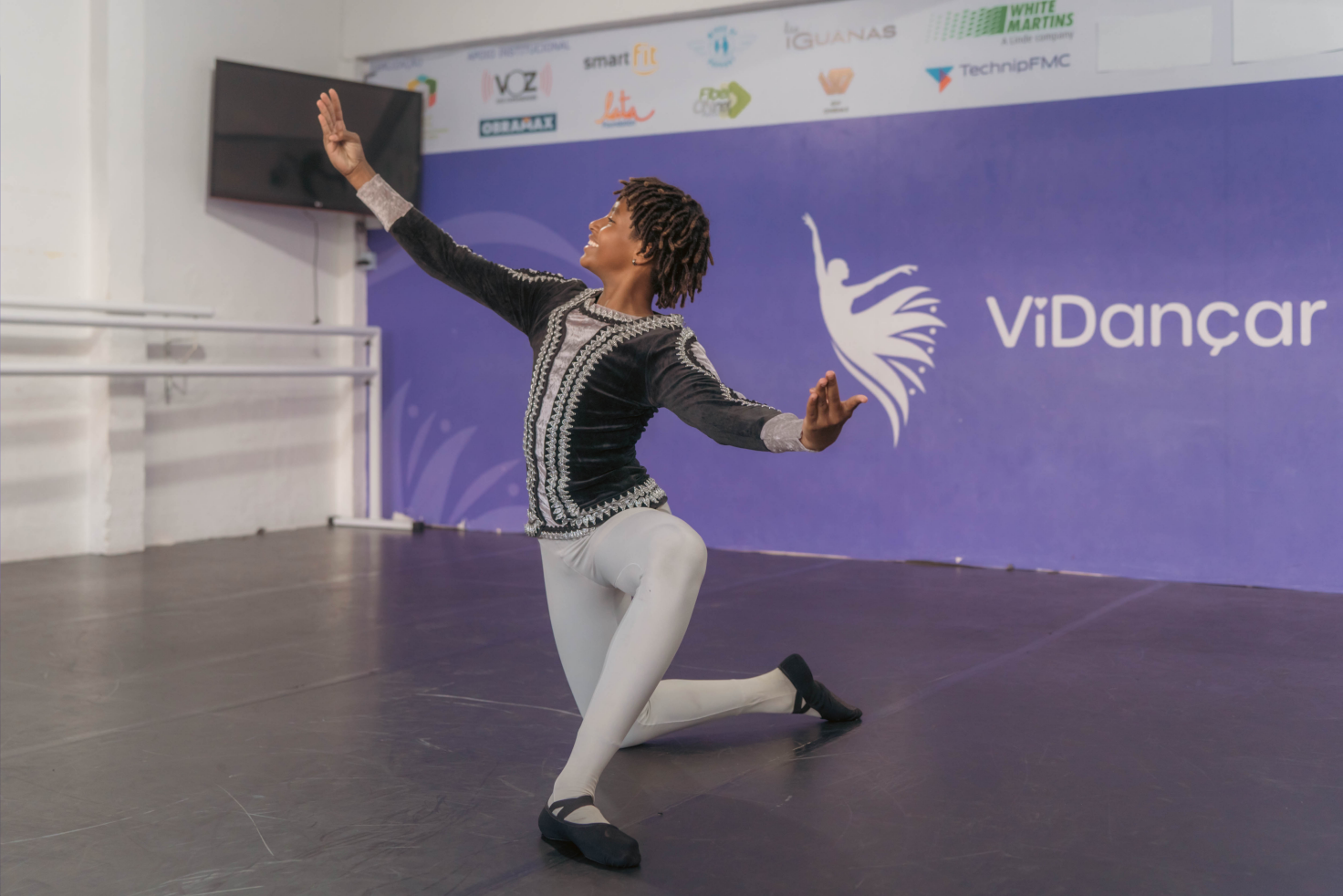
Figures 3 & 4: Children performing ballet
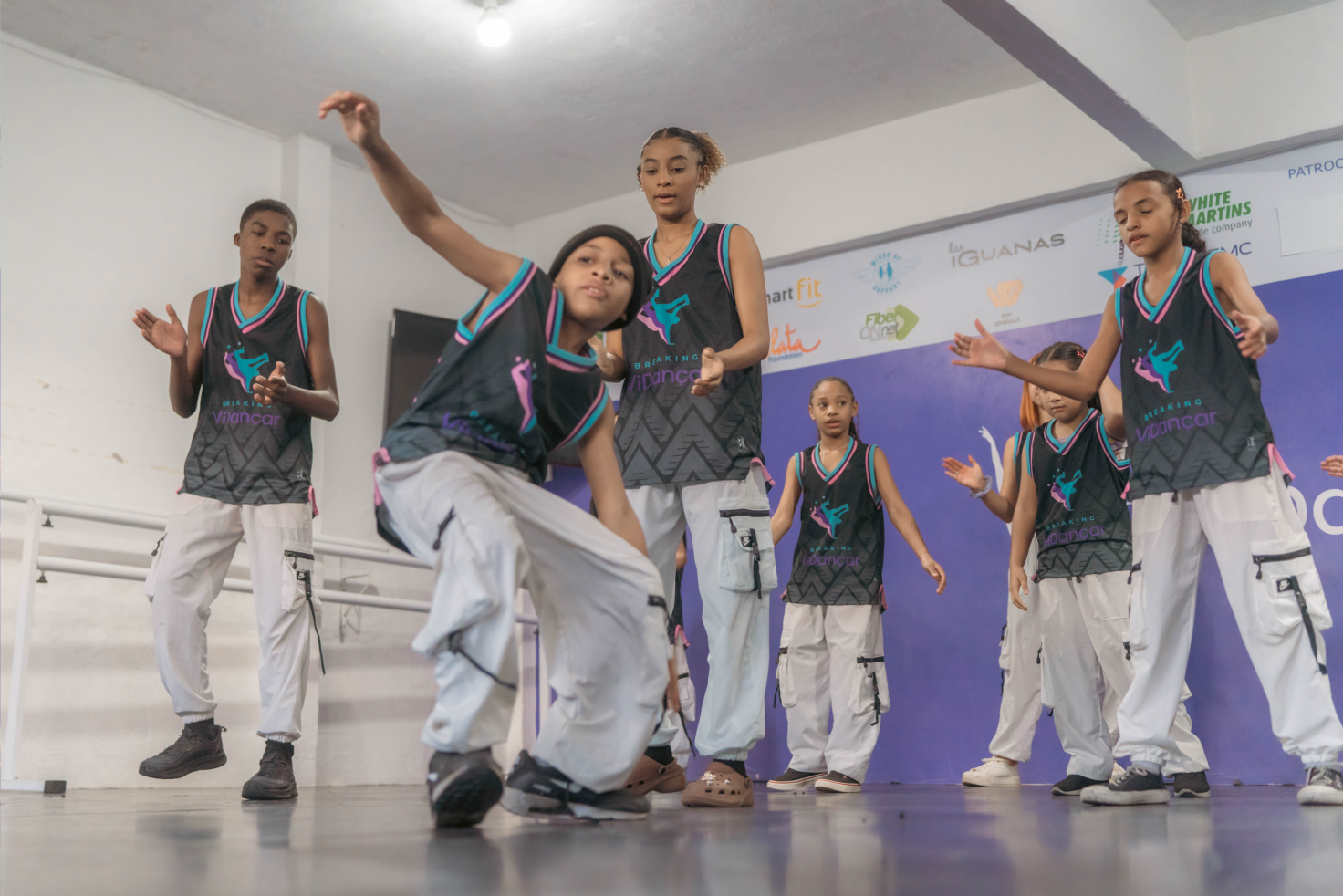
Figure 5: Breaking performance and participants engaging in interaction
Following the studio visit, the team continued to tour the center's robotics lab, tutoring classrooms, and reading room. In the robotics lab, 3D printers provided a new stage for children to exercise their imagination through hands-on practice, while the classrooms and reading spaces carried the responsibility of education through culture.
Teachers at the ViDançar Center mentioned that with the support of the social and environmental projects of Petróleo Brasileiro S.A. (Petrobras) and relevant departments of the State of Rio de Janeiro, ViDançar has continuously improved its teaching spaces and expanded its curriculum. In addition to ballet, jazz, and breaking, the headquarters offers free activities such as tutoring in Portuguese and mathematics, English and French classes, storytelling, chess, audiovisual creation, robotics, and product design, and features a mutual-aid network for mothers and other female caregivers. They have used dance as a root to grow a “tree” that connects educational support, capacity building, and community care.
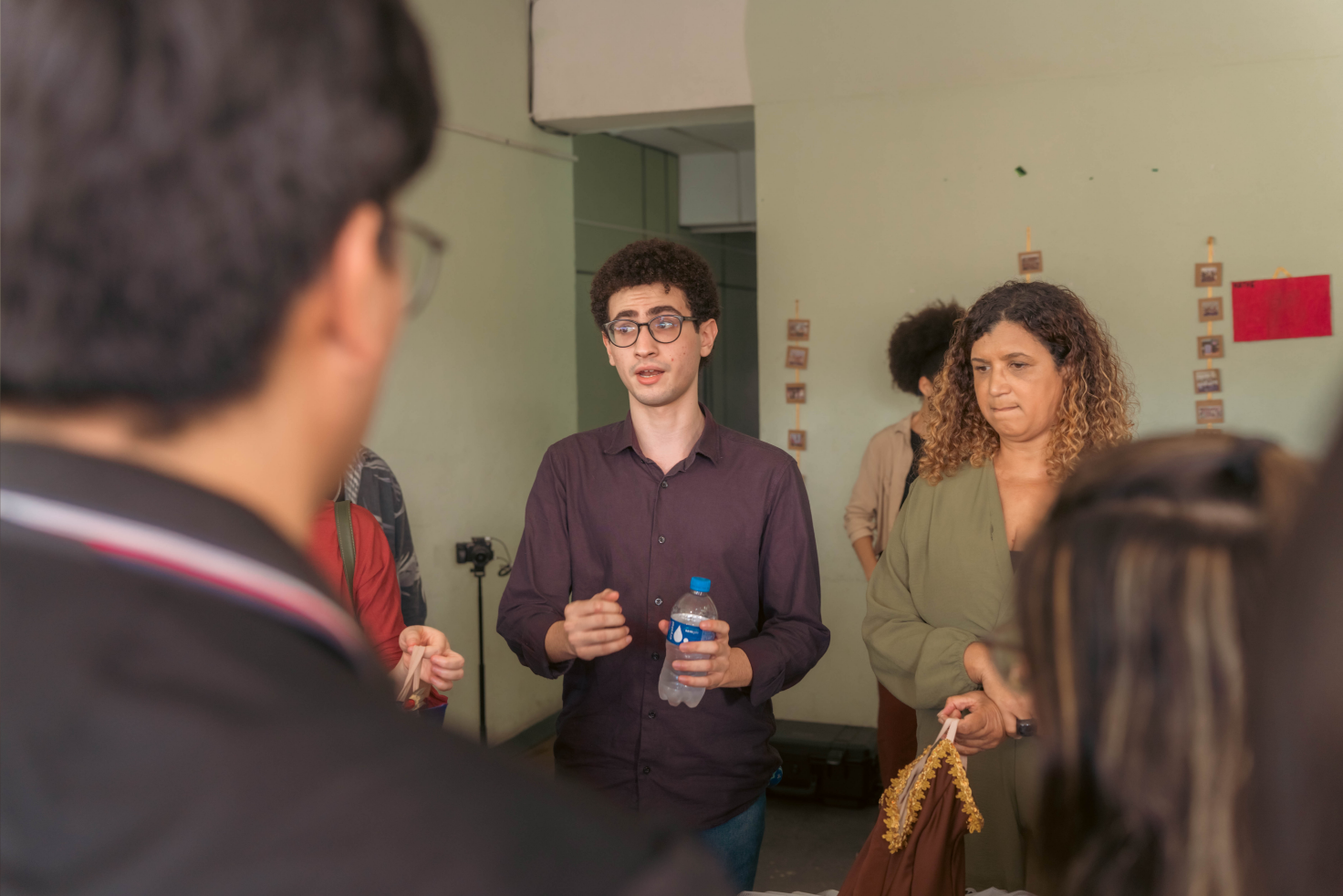
Figure 6: The team visiting classrooms and reading rooms and communicating with teachers
ViDançar began with dance but did not stop there. Art helps children express themselves and build confidence, while education and reading consolidate the foundation for growth, technology courses extend their imagination for the future, and community companionship ensures these changes can continue to happen.
This visit is part of the practical exchange of the 2026 Poverty Alleviation Challenge Brazil Final. Through transnational team-building, competition, and field research, the China–Latin America youth not only discussed poverty alleviation solutions but also entered real communities to observe how local social projects identify needs, integrate resources, and create opportunities. The practice of ViDançar provided the team members with a more intuitive understanding that poverty reduction and development are closely linked not only to income improvement, but also to educational equity, cultural inclusion, and community cohesion.
With new observations and questions, the China-Latin America youth will continue their engagement and project refinement in Brazil, transforming what they have seen into more empathetic, feasible reflections on poverty alleviation that respond to real community needs. Connecting China and Latin America through youth exchange and responding to common challenges through mutual learning, this journey across mountains and seas continues.