China-Latin America Youth Responding to Global Challenges — 2026 Poverty Alleviation Challenge
Brazil Final Ice-breaking Activity
About the “Poverty Alleviation Challenge”
Poverty alleviation is a universal challenge for developing countries and a critical issue for the international community. In 2024, the Tsinghua University Latin America Center, the Research Center for China-Latin America Management Studies, School of Economics and Management, Tsinghua University, and the Center for Global Competence Development at Tsinghua University, in collaboration with Latin American university partners, launched the “China-Latin America Youth Responding to Global Challenges — Poverty Alleviation Challenge” program in China, Brazil, and Chile. This program established a vital platform for youth exchange and cooperation focused on poverty reduction and development.
In November 2024, during President Xi Jinping’s state visit to Brazil and attendance at the 19th G20 Leaders’ Summit, Party Secretary Qiu Yong of Tsinghua University and the President of the Universidade Federal do Rio de Janeiro (UFRJ) signed a cooperation agreement on the “China-Latin America Youth Responding to Global Challenges” project. This agreement was included in the official list of outcomes of President Xi’s visit to Brazil, becoming a landmark initiative to promote youth exchange and win-win development between China and Latin America.
The 2026 “Poverty Alleviation Challenge” received support from the Chinese Embassy in Brazil, the Chinese Consulate-General in Rio de Janeiro, the Embassy of Brazil in China, the Chinese Embassy in Chile, the Embassy of Chile in China, the Chinese Embassy in Peru, and the Embassy of Peru in China. Leading Chinese and international companies and institutions, including Envision Group, CGE, Minera Las Bambas S.A., Zhongshan (Beijing) Cultural Industry Co., Ltd., DiDi, China Mobile International (Chile), the Kuaishou International Business (KSIB), Banco BOCOM BBM S.A., and the Luksic Foundation, also provided important support for the Challenge.
From August 12 to 14, Brazil time, six transnational youth teams gathered in Rio de Janeiro to participate in activities including ice-breaking exchanges, field visits to social projects, poverty alleviation seminars, mentorship sessions, and project presentations. Through cross-cultural collaboration, the teams further refined their poverty alleviation and development proposals.
01 Ice-breaking Opening
On the morning of August 12, 2026, Brazil time, the ice-breaking activity for the Brazil Final of the “China-Latin America Youth Responding to Global Challenges — 2026 Poverty Alleviation Challenge” was held at Colégio Brasileiro de Altos Estudos (CBAE) at the Universidade Federal do Rio de Janeiro (UFRJ).
Distinguished attendees included Professor Chen Taotao, Professor at the School of Economics and Management of Tsinghua University, Director of the Tsinghua University Latin America Center, and Director of the Research Center for China-Latin America Management Studies, School of Economics and Management, Tsinghua University; Professor Ana Célia Castro, Director of the Colégio Brasileiro de Altos Estudos (CBAE) at Universidade Federal do Rio de Janeiro (UFRJ), Senior Researcher at the Brazilian Center for International Relations (CEBRI), and President of the Brazilian Forum for Advanced Studies; Professor José Orlando Gomes from the Department of Industrial Engineering at Universidade Federal do Rio de Janeiro (UFRJ); Paula Carvalho, Researcher at the Brazil-China Center; Shao Lei, Director of the Institute for Accessibility Development at Tsinghua University; Jiao Yang, Researcher at the Future Laboratory of Tsinghua University; Zhao Daqi, Researcher at the Institute for Rural Construction of Tsinghua University; Gu Xiaohong, former senior executive at the Bank of China (Peru); Professor Rodrigo Herrera from Universidad del Pacífico (Peru); as well as faculty and student representatives from relevant universities in China, Brazil, Peru, and Chile. The activity was moderated by Paula Carvalho, Researcher at the Brazil-China Center at Universidade Federal do Rio de Janeiro (UFRJ), and Feng Jian, a PhD student from the School of Economics and Management at Tsinghua University.
The moderators first introduced the objectives, processes, and team interaction rules of the ice-breaking activity, encouraging young students to utilize this face-to-face opportunity to deepen their understanding of their transnational teammates and other teams, and to build a foundation of friendship for international cooperation.
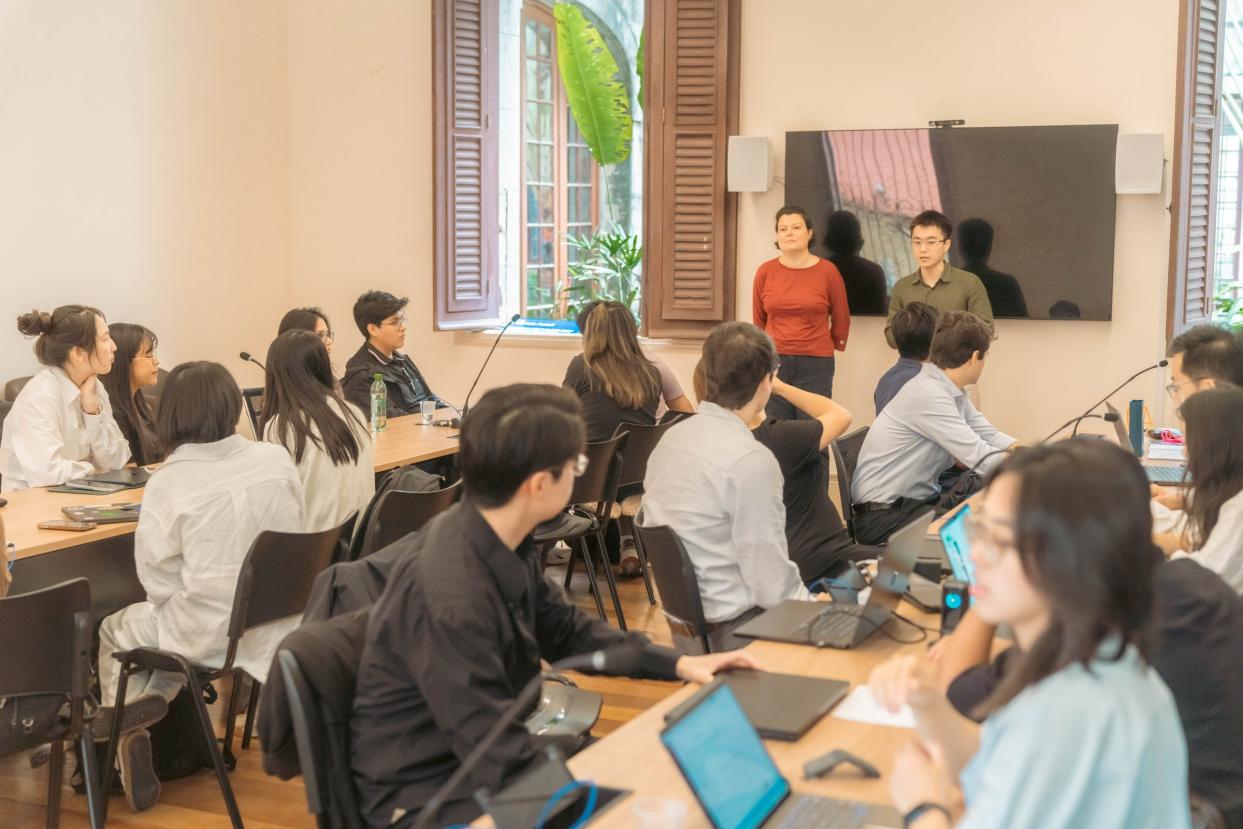
Figure 1 Ice-breaking Activity Site
In her opening remarks, Professor Chen Taotao first extended her congratulations to the China-Latin America youth entering the Finals. She pointed out that the significance of the Poverty Alleviation Challenge goes far beyond a competition; its more important goal is to create opportunities for joint learning and cooperation among Chinese and Latin American youth, building a platform for youth to respond to common global challenges together.
Professor Chen Taotao emphasized that poverty alleviation and sustainable development require real and concrete actions. Students should not be satisfied with leaving poverty alleviation proposals on paper; instead, they should make their projects more practical through deeper communication and field research to better respond to the real needs of relevant regions and groups. Now that transnational team members have finally met offline, they should fully utilize this face-to-face communication opportunity to jointly reflect on how to drive their projects from proposal to practice.
Professor Chen Taotao also encouraged the students to learn from each other’s diverse cultural and social backgrounds. She noted that it is precisely because of these differences that there is space for mutual learning, and it is through the ability to transcend differences and work together that a more dynamic force can be gathered. She expressed her hope that students would cherish this opportunity to build sincere friendships with youth from different countries and regions, exploring the world's diversity while jointly creating a better future.
At the conclusion of her speech, Professor Chen Taotao expressed her gratitude to Universidade Federal do Rio de Janeiro (UFRJ) as well as the partner universities from Peru and Chile. She also extended sincere thanks to corporate partners, including Envision Group, Las Bambas S. A., and DiDi, for their continuous support of the program.
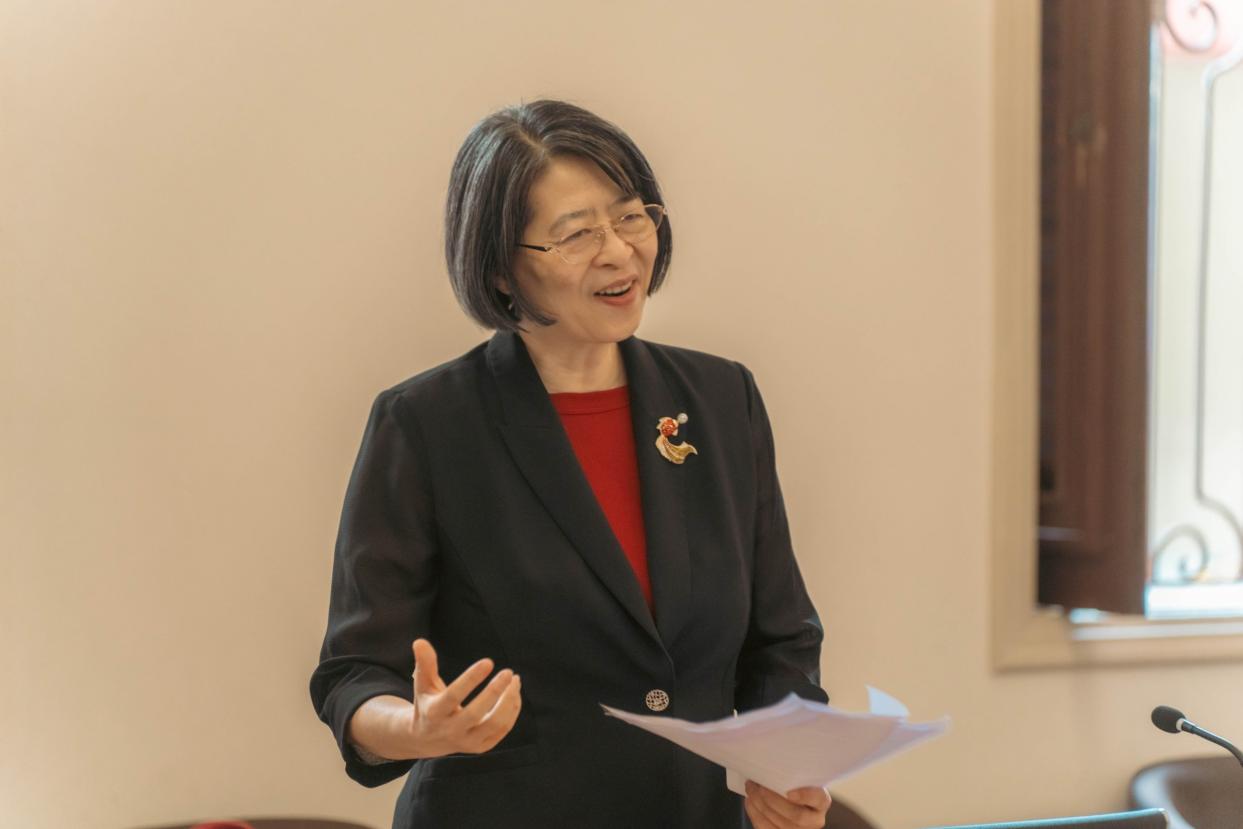
Figure 2 Professor Chen Taotao Delivering Opening Remarks
During the event, Professor Ana Célia Castro, Director of the Colégio Brasileiro de Altos Estudos (CBAE) at Universidade Federal do Rio de Janeiro (UFRJ), Senior Researcher at the Brazilian Center for International Relations (CEBRI), and President of the Brazilian Forum for Advanced Studies, arrived at the site. The moderators extended a warm welcome to her, and Professor Ana Célia Castro also expressed her greetings to the faculty and students present.
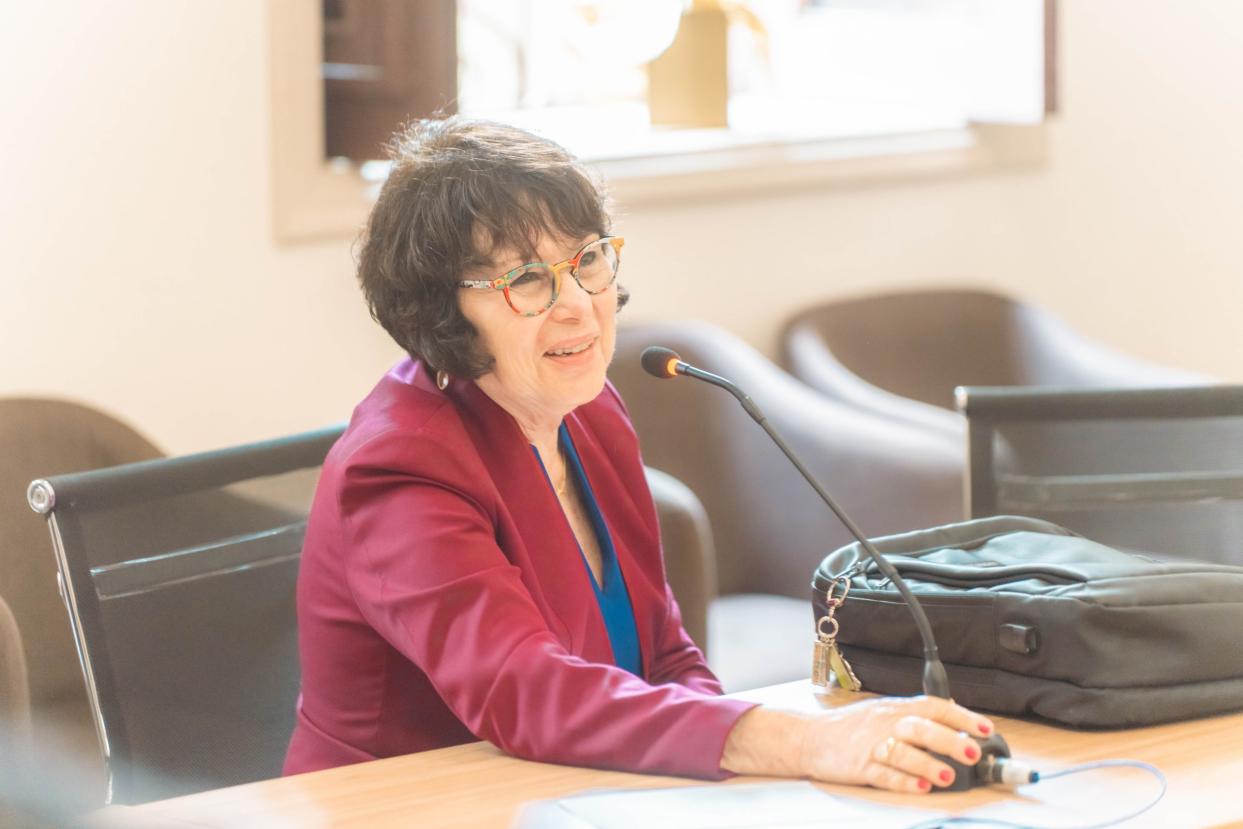
Figure 3 Professor Ana Célia Castro Extending Greetings
02 Transnational Team Ice-breaking
During the intra-team ice-breaking session, members of the six transnational teams sat together for exchange, introducing their nationalities, universities, academic backgrounds, team roles, and personal characteristics, and shared their expectations for participating in the Poverty Alleviation Challenge. The atmosphere on-site was lively; as many transnational team members who had previously advanced their projects primarily through online meetings and remote collaboration met in person for the first time, the occasion was filled with expectation and pleasant surprises.
Through relaxed and open communication, team members deepened their understanding of one another and jointly discussed the formats for their team presentations. The young students, originally from different countries and professional fields, gradually transitioned from online partners to face-to-face teammates, laying a solid foundation for their subsequent project refinement.
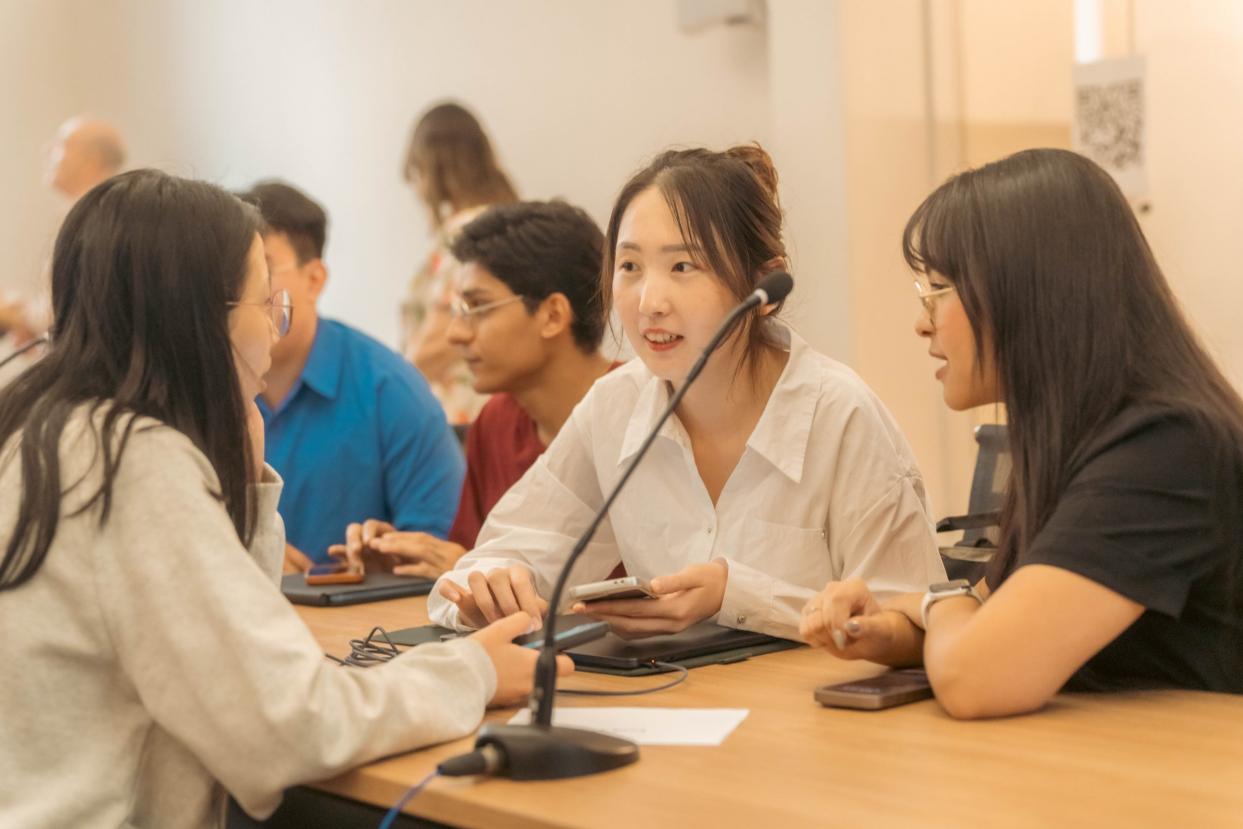
Figure 4 Transnational Teams Engaging in Ice-breaking Exchange
Following the initial session, the six transnational teams—BioYield Partners, EcoCycle, Farol, Lab Pau-Brasil, RAÍCES, and The Amazonians—delivered their presentations. Each team introduced its membership structure, transnational team-building experience, core project content, and reflections on participating in the Poverty Alleviation Challenge.
A wide array of brilliant and innovative solutions were presented by the youth: they focused on critical issues such as educational equity, community livelihoods, agricultural and forestry development, urban heat risks, food accessibility, circular economy, and water access in Amazonian communities. One team proposed an AI education platform for rural schools and further explored how to ensure the platform’s continuous operation in areas with unstable power and network conditions through complementary energy and network equipment; another team used geographic information technology and AI tools to analyze the relationship between heat exposure, food supply, and urban space; and yet another team explored feasible paths to improve community water conditions based on the real needs of the Amazon region.
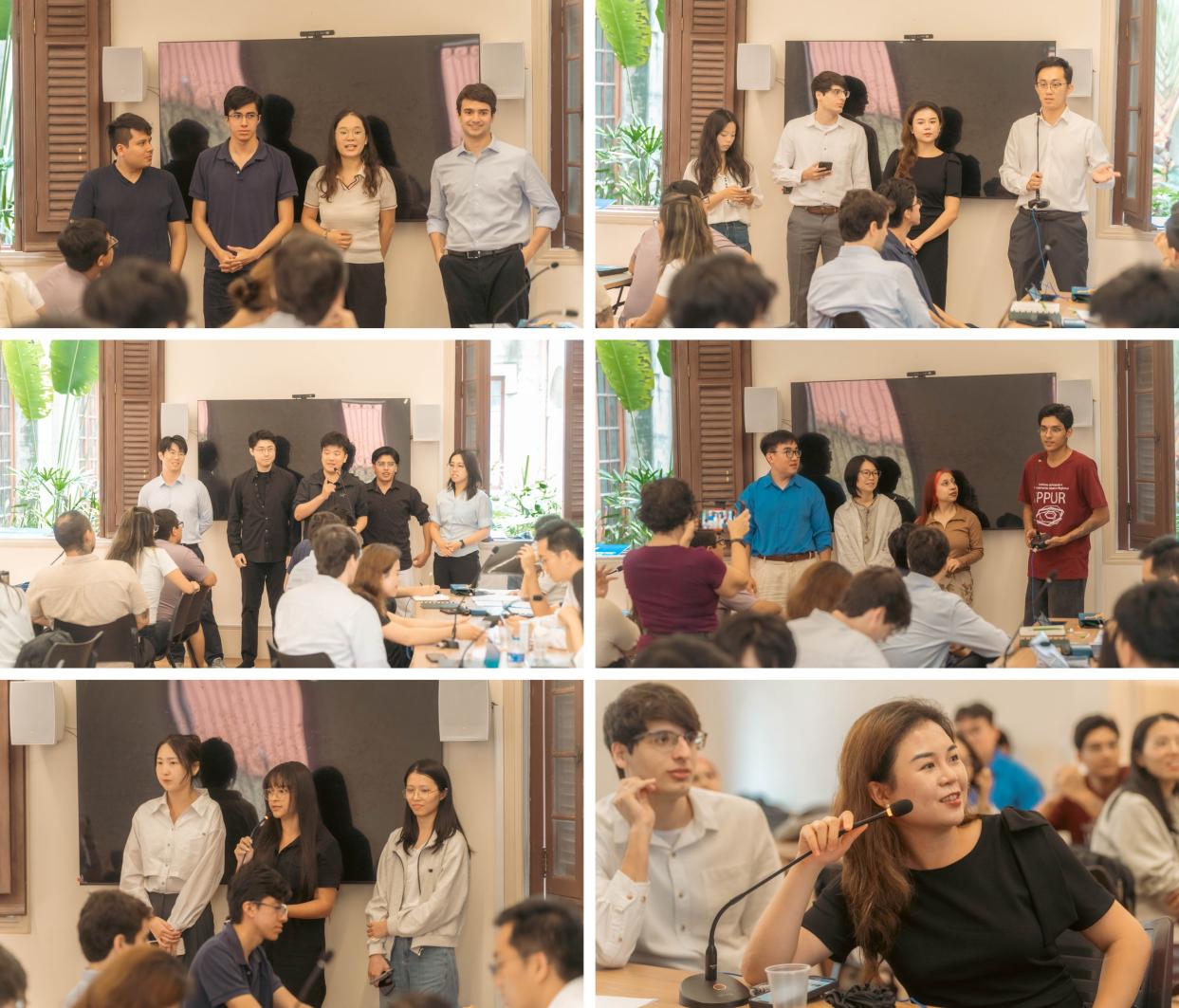
Figure 5 Transnational Teams Delivering Presentations and Engaging in Interaction
The RAÍCES team, set against the background of Andean mountain communities in Peru, introduced a livelihood transformation plan that combines community forestry, the edible mushroom industry, and the development of community enterprises. Drawing on industrial poverty alleviation experience of relevant regions in China, the team aims to develop the production, processing, and sales of edible mushrooms based on existing forestry resources and social responsibility projects, promoting the transformation of external support into a self-sustaining industrial system that the community can operate independently.
During the Q&A session, an audience member asked why the RAÍCES team chose edible mushrooms over other crops. Team members responded that wild edible mushroom resources already exist under local pine forests, and Peru has an established foundation for dried mushroom production and export; thus, the proposal is an extension of existing resources and industrial conditions rather than starting from scratch. Additionally, the team studied edible mushroom cultivation, processing, and industrial organization experiences from various regions in China, hoping to adapt these to the local environment and community realities.
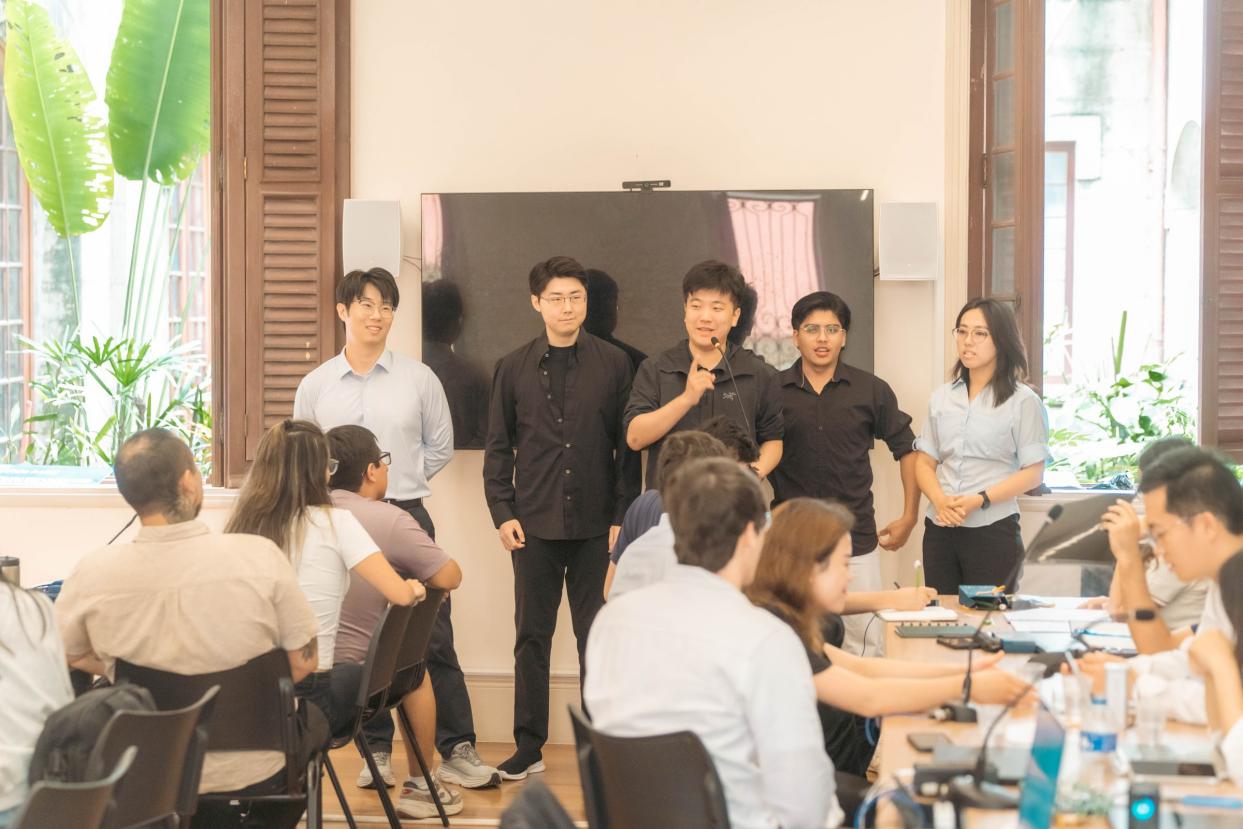
Figure 6 RAÍCES Team During the Presentation
Participating students also engaged in exchanges regarding how transnational teams are formed, how projects adapt to different cultural and institutional environments, how digital tools can serve areas with relatively weak infrastructure, and how proposals can be truly implemented. Students with different professional backgrounds pursued questions and supplemented viewpoints, allowing teams to gain a more concrete understanding of their projects' strengths and practical challenges.
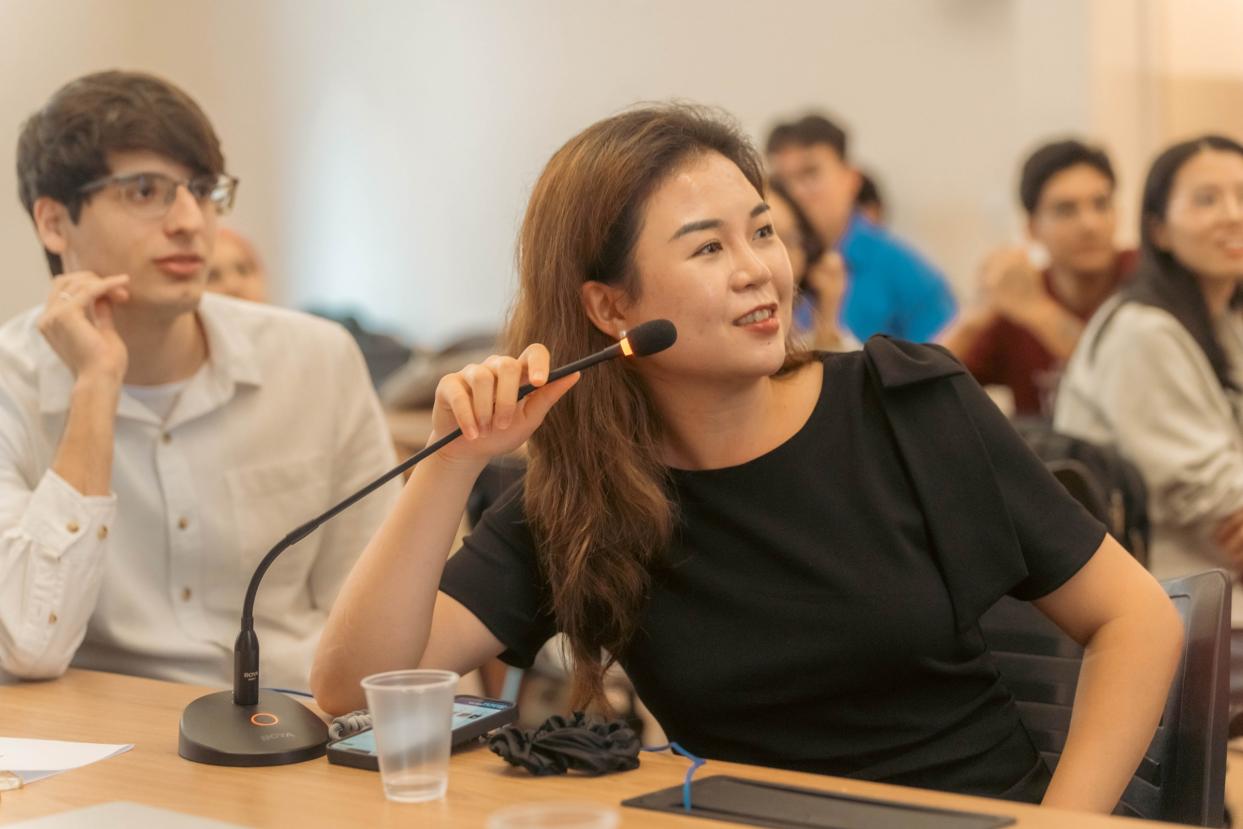
Figure 7 Participating Students Engaging in Q&A and Interaction
After the team presentations, teams conducted rotating exchanges according to the schedule. Through multiple rounds of face-to-face communication, members further understood other teams’ research subjects, methodologies, and practical visions, seeking new cooperation possibilities while comparing poverty issues and development experiences from different countries.
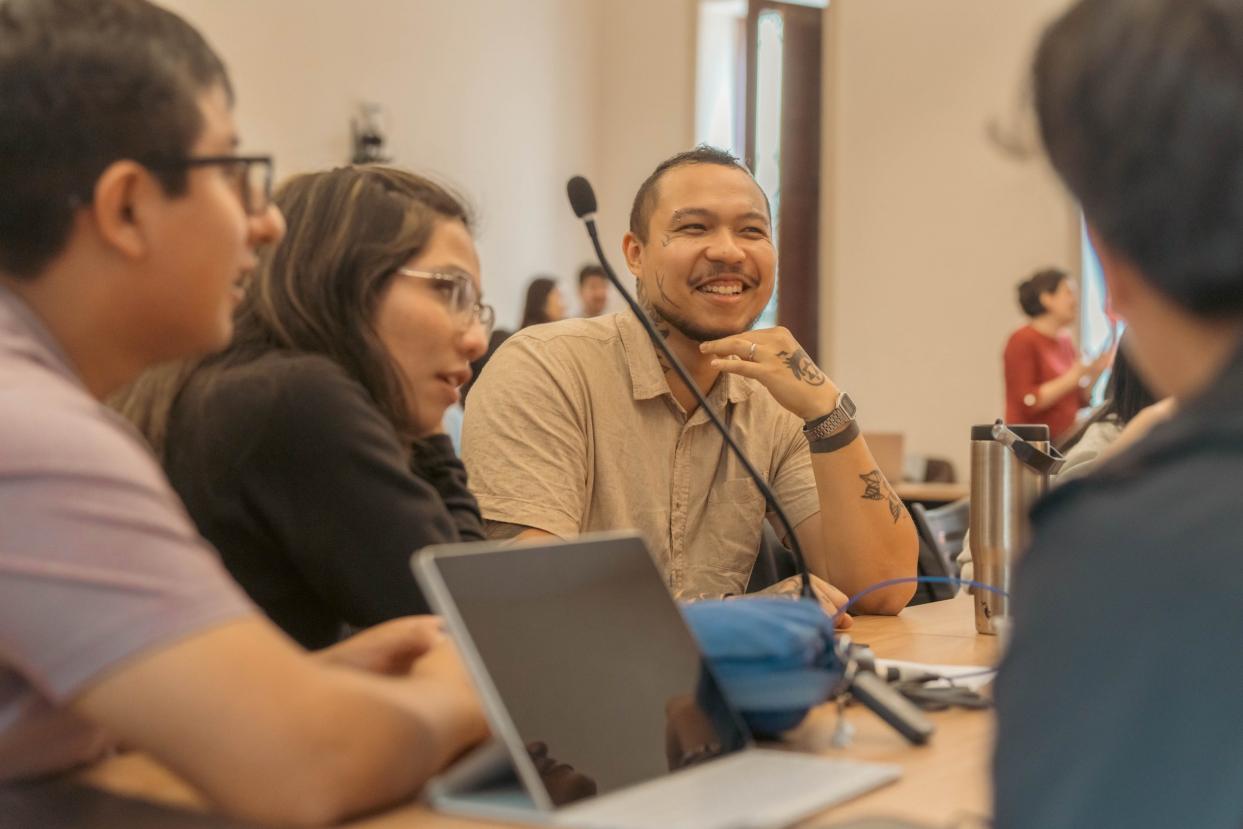
Figure 8 Young students exchanging ideas on their projects
At the conclusion of the event, the moderators again emphasized the value of transnational friendship and youth cooperation and introduced the Buddy Program. They encouraged Tsinghua students to continue cultural exchanges with the Brazilian youth they met during the activity and, while fully respecting Brazilian culture and adhering to safety management requirements, jointly explore the urban landscape and cultural charm of Rio de Janeiro.
The ice-breaking activity for the Brazil Final of the 2026 Poverty Alleviation Challenge concluded amidst warm and lively interactions. We look forward to the young students continuing to engage in mutual learning during the upcoming field research at social projects, poverty alleviation seminars, mentorship sessions, and final presentations. Together, they will refine poverty alleviation solutions that respond to real needs and hold practical value, contributing the creativity and insights of young people to China-Latin America cooperation in poverty reduction and sustainable development.
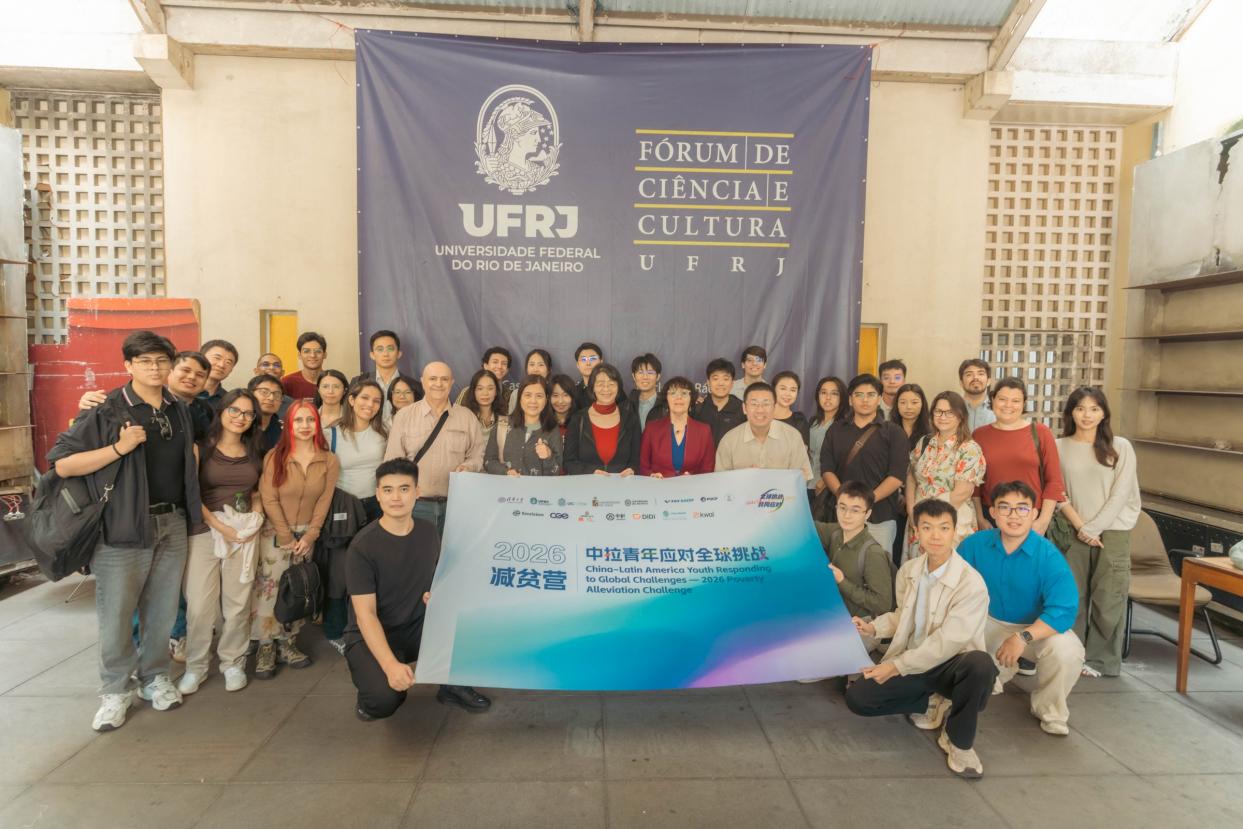
Figure 9 Group photo of the Brazil Final ice-breaking activity