About the 2025 Poverty Alleviation Challenge
Co-hosted by Tsinghua University, the Federal University of Rio de Janeiro in Brazil, the Pontifical Catholic University of Chile, the University of Chile, the Universidad del Pacífico in Peru and Minera Las Bambas S.A., the event attracted the participation of more than 310 teachers and students from 27 universities and enterprises across four countries: China, Brazil, Chile and Peru. The China-Latin American Youth Responding to Global Challenges — 2025 Poverty Alleviation Challenge is divided into two stages: the Preliminary Competition and the Transnational Final, aiming to promote cross-cultural communication and collaboration, and inspire the innovative thinking and practical capabilities of global youth in the field of poverty alleviation.
On June 7, 2025, the Preliminary Competition of the 2025 Poverty Alleviation Challenge was successfully held, with Tsinghua University as the offline main venue and participants from Latin American countries competing simultaneously in a hybrid online and offline format. After a fierce competition, 12 innovative teams stood out and advanced to the Transnational Final. In August 2025, the Transnational Final of the 2025 Poverty Alleviation Challenge was held in Brazil and Chile successively.
In January 2026, 32 Latin American university students who advanced to the final came to China for cultural immersion activities, including face-to-face exchanges with Chinese teachers and students, visits to China's poverty alleviation bases and institutions, and Chinese cultural tours.
The 2025 Poverty Alleviation Challenge received support from the Chinese Embassy in Brazil, the Consulate-General of China in Rio de Janeiro, the Brazilian Embassy in China, the Chinese Embassy in Chile, the Chilean Embassy in China and the Chinese Embassy in Peru. We sincerely thank renowned domestic and foreign enterprises for their strong support for the event, including Envision Group, CGE, Minera Las Bambas S.A., China Mobile International (Chile), Kuaishou International Business (KSIB) and Banco BOCOM BBM S.A..
On January 23, 2026, teachers and students from Tsinghua University and the Federal University of Rio de Janeiro in Brazil went to Nanjian, Yunnan for an in-depth study tour. Centered on the theme of Mutual Learning in Poverty Alleviation Practices, Youth Walking Hand in Hand, the Brazilian teachers and students visited Leqiu Photovoltaic Power Station and Tsinghua Rural Academy successively, and experienced the intangible cultural heritage (ICH) of Nanjian Tiaocai Dance. Through immersive visits and in-depth exchanges, they unlocked Nanjian's experience in county-level poverty alleviation and rural revitalization in China, deepened the consensus between Chinese and Latin American youth in the fields of energy security and characteristic industrial development, and injected youthful power into China-Latin America poverty alleviation cooperation.
Exploring the Code of Power Security, Forging Consensus on Energy-Driven Poverty Alleviation
In the morning, the study tour group headed to the Leqiu Photovoltaic Power Station in Leqiu Township, kicking off the day's study tour. As the core hub of power security in Nanjian, the sufficient power supply of Leqiu Power Station not only guarantees the basic living needs of the people, but also lays a solid energy foundation for the development of characteristic agriculture and the improvement of infrastructure. Zhang Xiaodong, the person in charge of the power station, gave a detailed introduction to its basic overview: This 220 kV power station started construction in 2023 and was put into operation in 2024. It is connected to the Xiangyun Lianhua Substation in Dali and equipped with two transformers. Its reliable power network covers the surrounding areas, providing a solid guarantee for the local industrial upgrading and people's livelihood improvement.
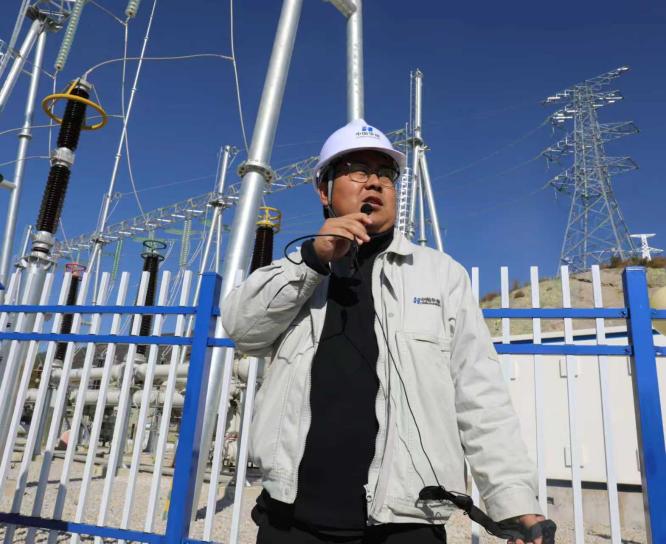
Zhang Xiaodong, person in charge of Leqiu Photovoltaic Power Station, introducing the power station to Chinese and Brazilian teachers and students
Subsequently, Chinese and Brazilian youth walked into the central control room of the power station together, observed the power dispatching process up close, and felt the efficient role of the intelligent central control system in power security. During the visit, they had close exchanges on details such as power operation and maintenance and technical application. Teachers and students from Tsinghua University shared China's practical experience in the construction of power facilities in remote mountainous areas and the important significance of power security for rural poverty alleviation; Brazilian teachers and students shared Brazil's exploration in energy development and utilization based on the current situation of the country's hydropower development. Through the interaction, both sides broadened their ideas on energy-driven poverty alleviation.
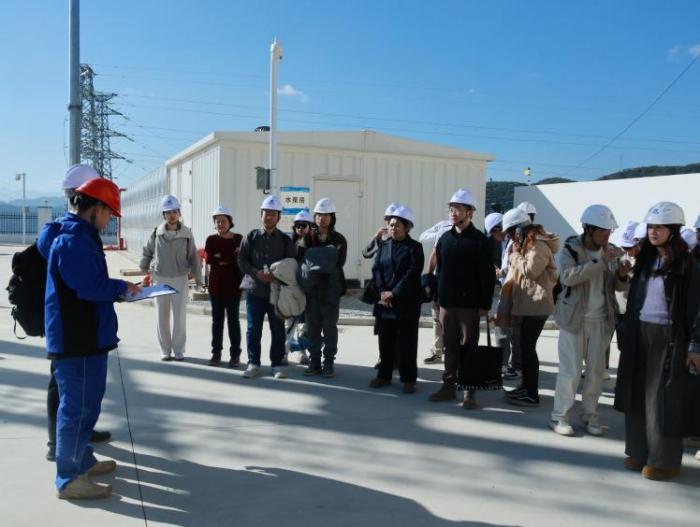
Chinese and Brazilian teachers and students visiting Leqiu Photovoltaic Power Station
At the forum, Zhang Jiangyan, Director of the Development and Reform Bureau of Nanjian County, focused on the theme of Power Security Empowering Poverty Alleviation and elaborated on the three core guarantee systems for Nanjian's stable power supply: The organizational system guarantee is the foundation – in terms of personnel support, professional power security teams have been set up from the national to the grassroots level, carrying out regular power inspection and emergency repair to ensure the people's worry-free power use; The construction of a smart power grid is the core – in terms of power grid technical support, the development of intelligent systems is promoted, realizing refined power dispatching and efficient operation and maintenance through the central control platform to reduce power loss; Legal guarantee is the key – consolidating the defense line for the protection of power facilities to provide legal support for the stable power supply.
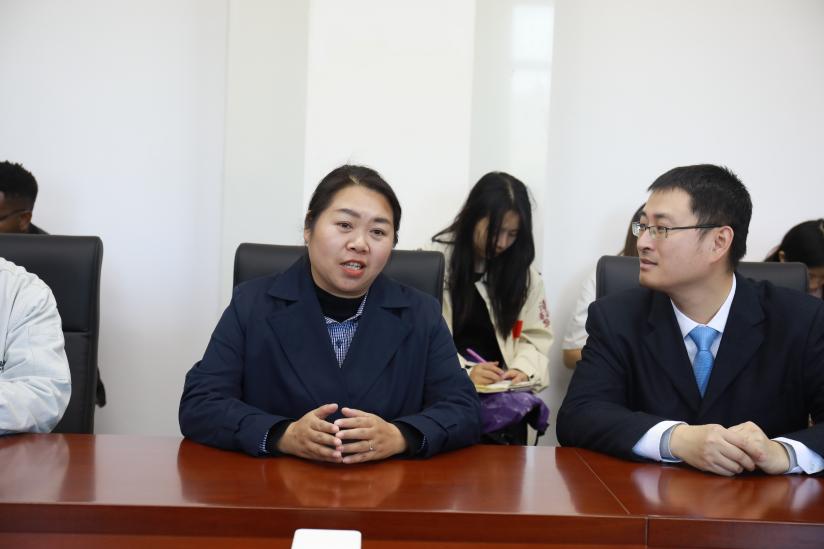
Zhang Jiangyan, Director of the Development and Reform Bureau of Nanjian County, delivering a speech
During the forum exchange, Brazilian teachers and students focused on energy security issues in the context of poverty alleviation, and conducted in-depth discussions with power station representatives on the application potential of different energy models in county-level poverty alleviation, covering issues such as hydropower peak regulation, power energy storage, power management models, green energy and environmental protection requirements. Both sides held a heated discussion on How to Optimize Energy Allocation to Boost Rural Industrial Development and Promote Income Growth for the Masses, forging consensus through ideological collisions and building a communication bridge for China-Latin America poverty alleviation cooperation in the energy field.
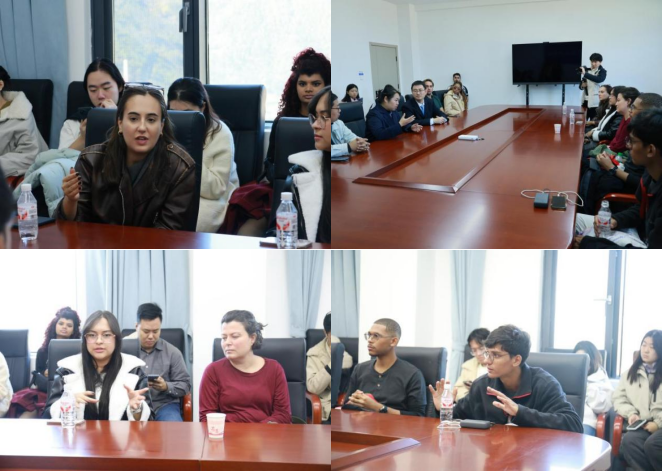
Forum site
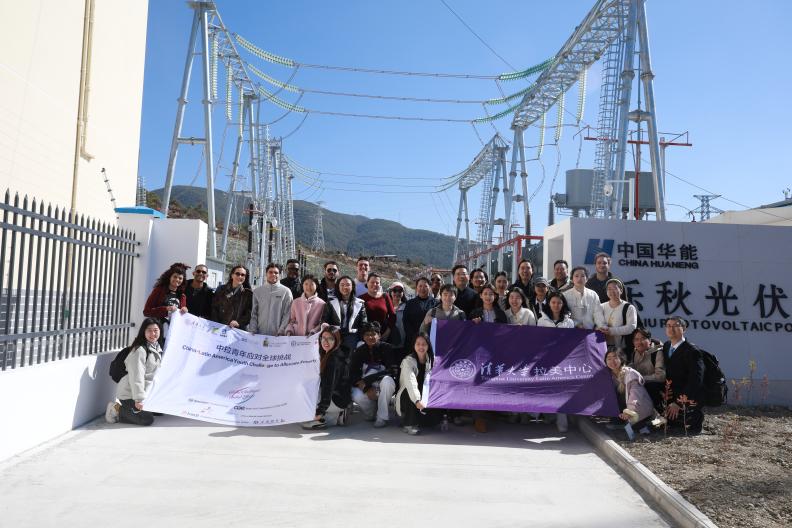
Group photo of Chinese and Brazilian teachers and students at Leqiu Photovoltaic Power Station
Studying the Characteristic Coffee Industry, Learning Poverty Alleviation Practical Experience
In the afternoon, the study tour shifted to the field of characteristic industries for rural revitalization. The group went to Tsinghua Rural Academy to hold university-local and enterprise forums, exploring the practical paths of characteristic industry-driven poverty alleviation in Nanjian. At the beginning of the seminar, Teacher Zhao Daqi, Director of the Innovation, Entrepreneurship and Creation Center of the Tsinghua University Rural Construction Research Institute, shared the model of Tsinghua University's rural revitalization service system and the university's Rural Entrepreneurship + project, introducing the project's training mechanism for participants and how to promote the deep integration of rural revitalization and poverty alleviation by fostering characteristic industries and activating rural resources. This gave Brazilian teachers and students a more intuitive understanding of China's local practices in rural poverty alleviation.
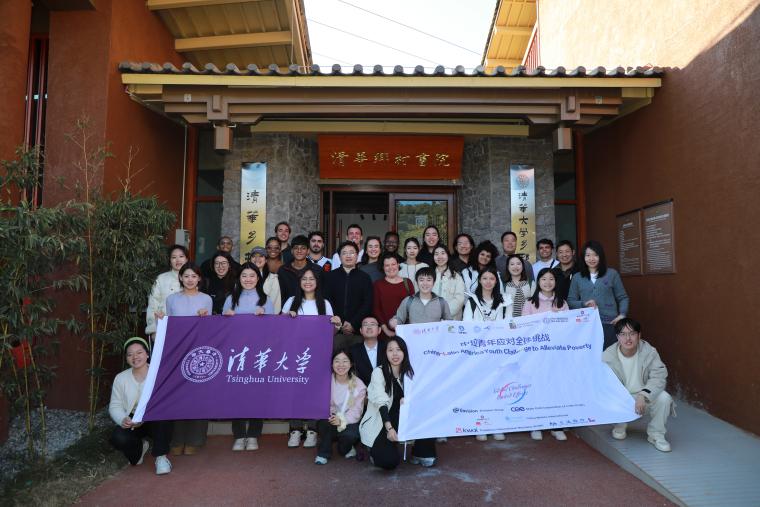
Group photo of Chinese and Brazilian teachers and students at Tsinghua Rural Academy
Subsequently, Wang Dayong, founder of the Top of the Mountain No.1 Coffee Manor, conducted an in-depth exchange with Chinese and Brazilian teachers and students on the theme of Growing a Perfect Cup of Coffee. Starting with the development history and variety classification of the coffee industry, Wang Dayong highlighted Brazil's industrial advantages as the world's largest coffee producer and the cooperation potential of the China-Brazil coffee industry in the field of poverty alleviation. He introduced that relying on its unique geographical environment and climatic conditions, Nanjian can develop fine coffee planting. Different from ordinary commercial coffee, Nanjian's fine coffee should take a high-end and ecological route, driving income growth for the masses and boosting rural poverty alleviation through industrial upgrading.
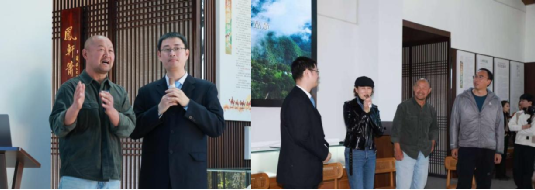
Wang Dayong, founder of APEXONE Coffee , and his partner Su Yan sharing poverty alleviation practices through the coffee industry
In his sharing, Wang Dayong focused on the ecological planting and contract farming model of the Top of the Mountain No.1 Coffee Manor – a crucial practice for Yunnan to achieve poverty alleviation through characteristic industries: The manor provides high-quality coffee seedlings with independent intellectual property rights and confirmed genes for farmers participating in contract farming; Farmers provide land and are responsible for daily management, while the manor dispatches special personnel for regular inspection and guidance to ensure planting quality; When coffee cherries ripen, they are manually picked by farmers' family members and purchased uniformly by the manor, forming a benefit linkage mechanism of Manor + Farmers. This allows farmers to share the dividends of industrial development and achieve stable income growth. Wang Dayong also introduced that in the process of development, the manor has simultaneously promoted the protection of Shiti Village, an ancient village, realizing a win-win situation of industrial development, ecological protection and cultural inheritance, and providing a practical sample for rural poverty alleviation and sustainable development.
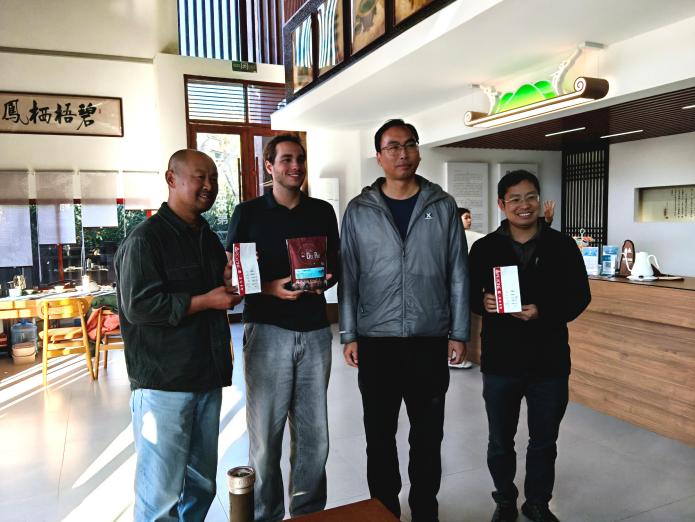
Group photo of Brazilian students and the APEXONE Coffee team
This characteristic industry-driven poverty alleviation model attracted special attention from Brazilian teachers and students. Combining the current situation of large-scale coffee planting in Brazil, they conducted in-depth discussions with Wang Dayong and Chinese youth on the development path of the fine coffee industry and the application value of contract farming in driving farmers' income growth and promoting rural poverty alleviation. Both sides agreed that the China-Brazil coffee industries have their own advantages, and can strengthen exchanges and cooperation, learn from each other's planting technologies and operation models, making the coffee industry an important link for China-Latin America poverty alleviation cooperation.
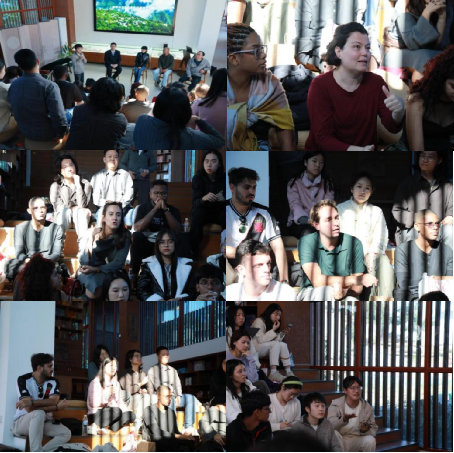
Chinese and Brazilian teachers and students conducting coffee-themed cultural exchanges
At the end of the exchange, Wang Dayong brought six top subspecies of Arabica coffee and invited Chinese and Brazilian teachers and students to taste them on site. In the rich and fragrant atmosphere, everyone further felt the unique charm of fine coffee and deepened their understanding of the coffee industry empowering poverty alleviation.
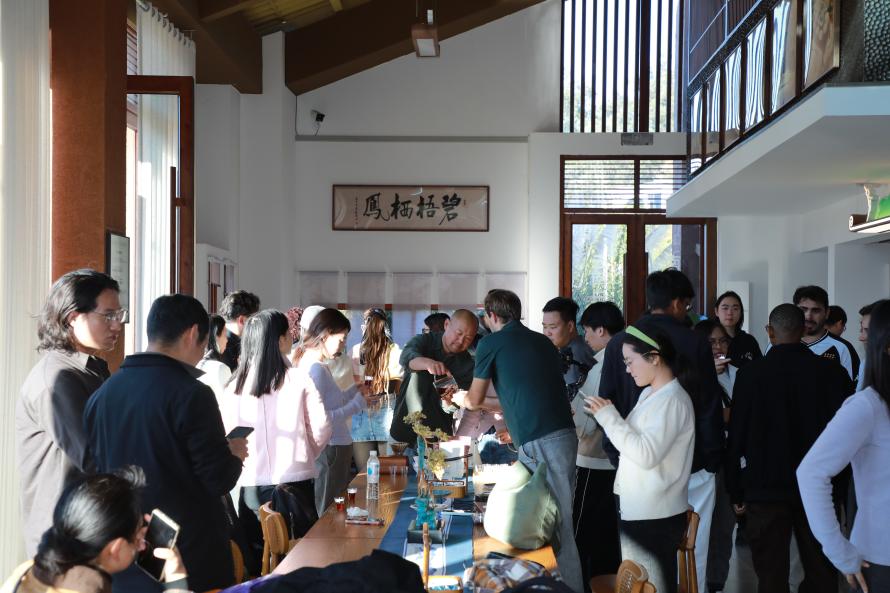
Chinese and Brazilian teachers and students tasting fine coffee on site
Evening: Admiring the Charms of Tiaocai ICH, Gather Strength for China-Latin America Cooperation
In the evening, the study tour group went to the Tiaocai 2008 ICH Courtyard to experience Nanjian Tiaocai Dance, a national-level intangible cultural heritage, in an immersive way. As an important carrier of Nanjian culture, Tiaocai Dance not only bears the living wisdom and cultural memories of the local people, but also has become an important starting point for the local development of cultural tourism and driving income growth for the masses, which is a vivid practice of Cultural Empowerment for Poverty Alleviation.
Artists performing Tiaocai Dance dressed in Yi ethnic costumes, stepped on cheerful rhythms, and showed the unique charm of Nanjian Tiaocai Dance with vigorous, flexible and playful dance moves. The wonderful performance won rounds of cheers and applause from the Chinese and Brazilian teachers and students present. At the Tiaocai 2008 ICH Courtyard, everyone learned about the historical origin and artistic characteristics of Tiaocai Dance, as well as Nanjian's practices in the protection, inheritance and industrial development of intangible cultural heritage, and how it drives local employment, increases income and boosts rural poverty alleviation. Fascinated by the charm of Tiaocai culture, Brazilian teachers and students nodded their approval from time to time, took the initiative to ask artists for dance moves, and felt the extensive and profound Chinese intangible cultural heritage through interaction.
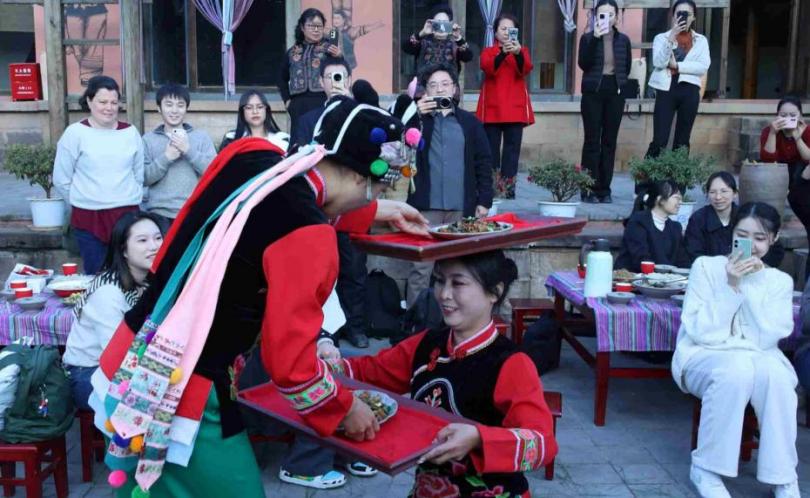
Chinese and Brazilian teachers and students watching the Nanjian Tiaocai Dance performance
As night fell and the bonfire was lit, Chinese and Brazilian youth held hands and danced the samba together. With interweaving dance steps and accompanying smiles, the language barrier was broken by joy, and the seeds of friendship bloomed quietly beside the bonfire. At this moment, Tiaocai culture collided with Brazilian customs, and the hearts of Chinese and Latin American youth were closely linked. In the joyful atmosphere, they reviewed the day's study tour gains, talked freely about the future of China-Latin America poverty alleviation cooperation, and strengthened their belief in joining hands to address global poverty alleviation challenges and promote common development.

Chinese and Brazilian youth dancing together
The Nanjian study tour on that day was a vivid practice of exchanges at the 2025 China-Latin American Youth Poverty Alleviation Challenge, and an important exploration of China-Latin America poverty alleviation cooperation. By visiting energy facilities, investigating characteristic industries and experiencing intangible cultural heritage, Brazilian teachers and students gained a comprehensive and multi-angle understanding of Nanjian's practical experience in poverty alleviation and rural revitalization. Through in-depth exchanges, Chinese and Brazilian youth learned from each other and inspired one another, which not only deepened their understanding of the poverty alleviation cause, but also built a solid bridge for communication and cooperation between Chinese and Latin American youth.
This study tour made the concept of China-Latin America poverty alleviation cooperation more deeply rooted in the hearts of the people, and made youthful power an important support for China-Latin America friendly cooperation. In the future, it is believed that Chinese and Latin American youth will take this study tour as an opportunity to continuously strengthen exchanges and cooperation, learn from each other's poverty alleviation experience, join hands to address global challenges, let the flower of China-Latin America friendship bloom in the joint progress of the younger generation, and let the achievements of poverty alleviation cooperation benefit more people in China and Latin America.