On May 26, 2026, the symposium "Sharing Experiences on Poverty Reduction – Latin American Young Scholars Visit Tsinghua University," organized by the Tsinghua University Latin America Center, was held in the Lihua Building at Tsinghua University. The event brought together Professor Chen Taotao, a finance professor at the School of Economics and Management, Director of the Tsinghua University Latin America Center, and Director of the China-Latin America Management Research Center at Tsinghua SEM; Zhang Yuanwei, Minister-Counselor of the Department of Latin American and Caribbean Affairs at the Ministry of Foreign Affairs; as well as experts and scholars from 17 Latin American countries. They gathered with representatives of Tsinghua University faculty and students to engage in in-depth discussions on poverty reduction and development, drawing from the practical experiences of both China and Latin America.
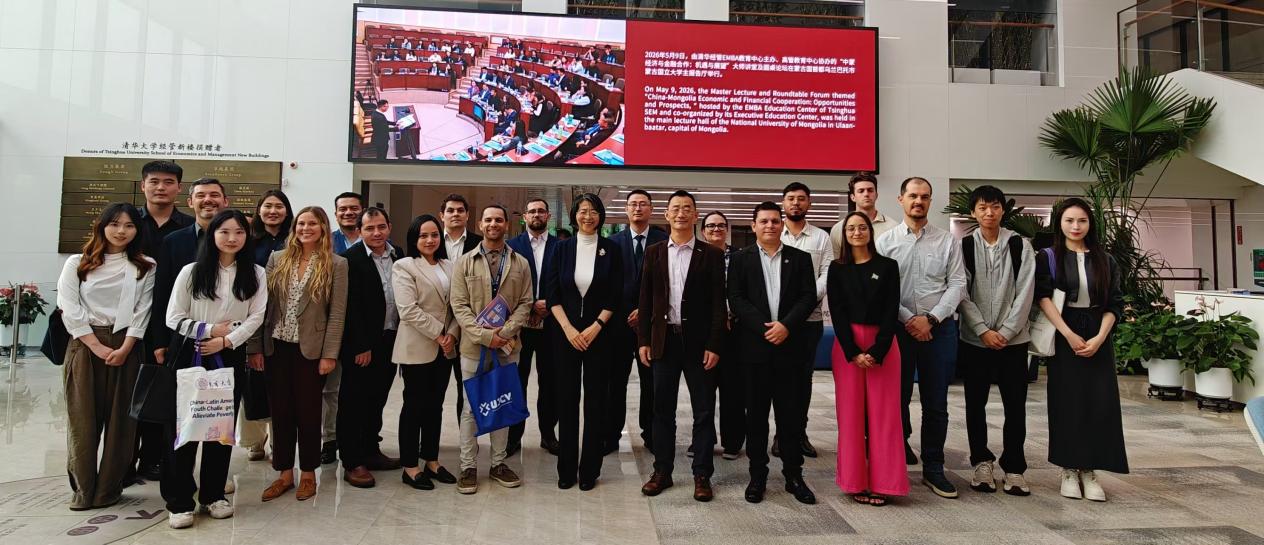
Photo: Group Photo
At the beginning of the event, the host, Feng Jian, introduced the attending Chinese guests and representatives of Latin American scholars. He expressed the hope that this exchange would share the practical experiences of China and Latin American countries in the field of poverty reduction, inspire each other, deepen cooperation, and jointly contribute wisdom and strength to the global cause of poverty reduction.
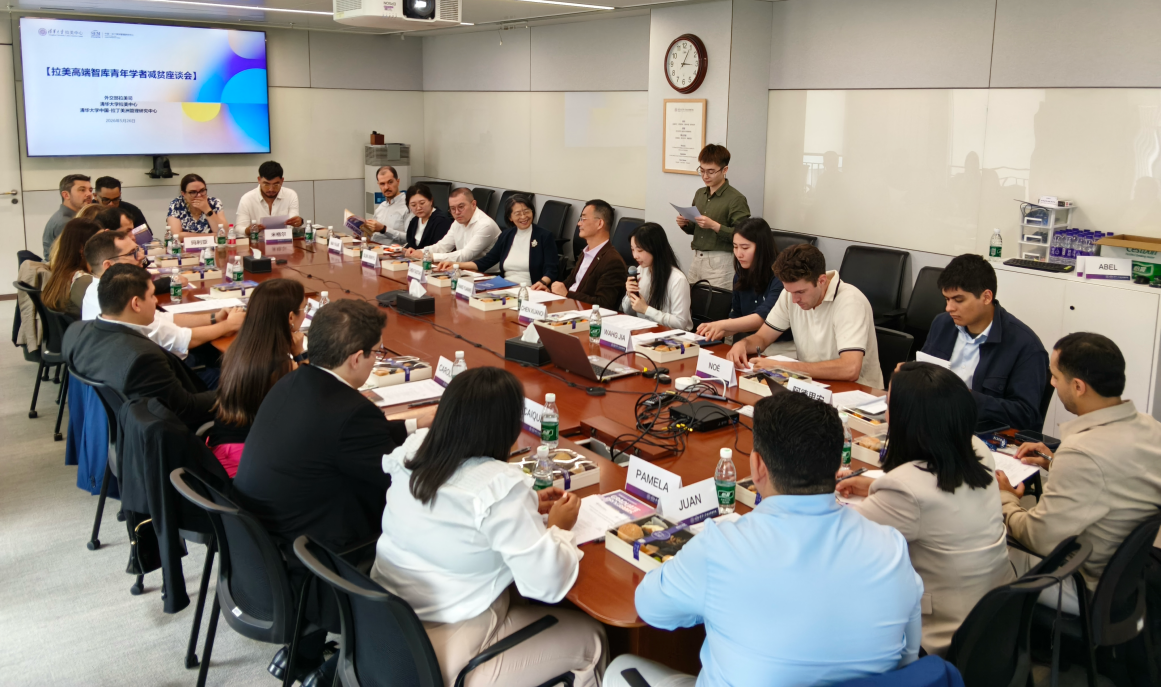
Photo: Event Scene
During the keynote sharing session, Professor Chen Taotao, a finance professor at the School of Economics and Management, Director of the Tsinghua University Latin America Center, and Director of the China-Latin America Management Research Center at Tsinghua SEM, shared insights on China-Latin America exchanges and innovative cooperation. She highlighted the Tsinghua University Latin America Center's innovative project, the "China-Latin America Youth Camp on Addressing Global Challenges: Poverty Reduction," launched in 2024. This project was included in the outcomes list of President Xi Jinping's state visit to Brazil in the same year and has been held for two consecutive years. In 2026, the "Poverty Reduction Camp" was further upgraded and innovated based on the previous two years, deepening cooperation with universities in Chile, Brazil, Peru, and other countries. Through methods such as transnational team formation, competitions, field studies, lectures, and seminars, it promotes exchange and cooperation between Chinese and Latin American youth on poverty reduction and development issues, fostering mutual learning and sharing of poverty reduction experiences from different countries through joint practice. Professor Chen pointed out that while the development paths and cultural backgrounds of different countries vary, they also provide opportunities for win-win cooperation and mutual learning among civilizations. The 2026 "Poverty Reduction Camp" has attracted over 675 young participants from 91 universities and enterprises in China, Brazil, Chile, Peru, and other countries, forming 120 competing teams. The tangible results achieved by the "Poverty Reduction Camp" project in promoting youth exchange, mutual learning among civilizations, and global poverty reduction cooperation sparked widespread resonance and enthusiastic discussion among the attending experts and scholars.
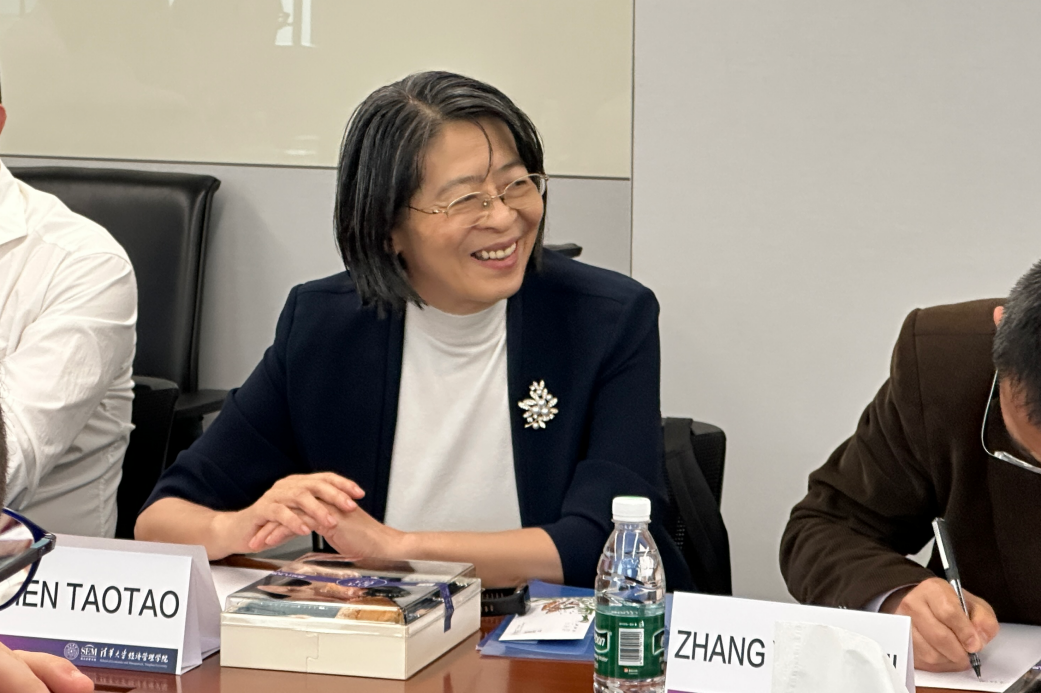
Photo: Professor Chen Taotao delivering her speech
Geysen Valverde, a researcher at the Society for Literature, Philosophy, Science, and Art of Costa Rica, shared experiences and reflections on poverty reduction and development in Costa Rica from a Latin American perspective. Drawing on his own involvement in legislative research and policy advocacy, he shared Costa Rica's practical experience in promoting poverty reduction and development by improving the innovation and entrepreneurship environment and driving economic diversification. He also shared the country's explorations in education, talent cultivation, and youth innovation and entrepreneurship. Furthermore, he discussed the deepening economic and trade cooperation between China and Costa Rica, as well as the new opportunities for China-Latin America relations brought by the Five Projects for Building a China-Latin America Community with a Shared Future proposed by President Xi Jinping.
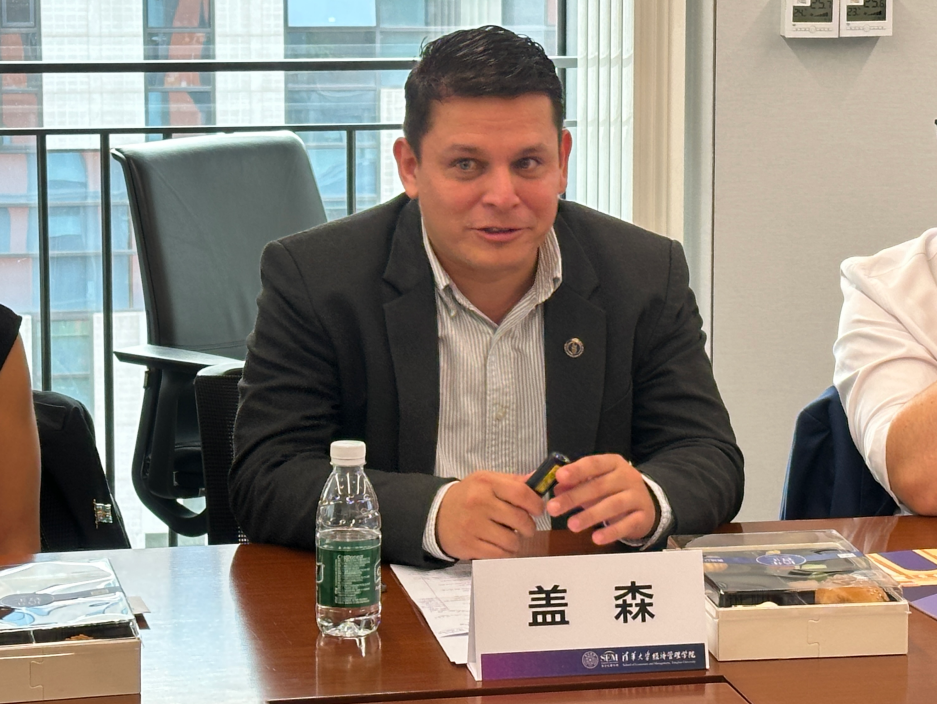
Photo: Geysen Valverde delivering his speech
Noé Michon, an outstanding student representative from the Tsinghua University Rural Revitalization Workstation, shared his thoughts and experiences on youth participation in rural development based on his practical experience in China. He introduced the concept of the Tsinghua University Rural Revitalization Workstation in encouraging youth to engage deeply with grassroots communities and contribute to rural development. Combining his practical experiences in places like Cili, Hunan, and Nanjian, Yunnan, he shared the positive role of intangible cultural heritage and traditional handicrafts in rural poverty reduction. Through field surveys, community participation, and interdisciplinary collaboration, he hopes to translate academic research into actionable rural revitalization projects, injecting new vitality into rural development while preserving local culture.
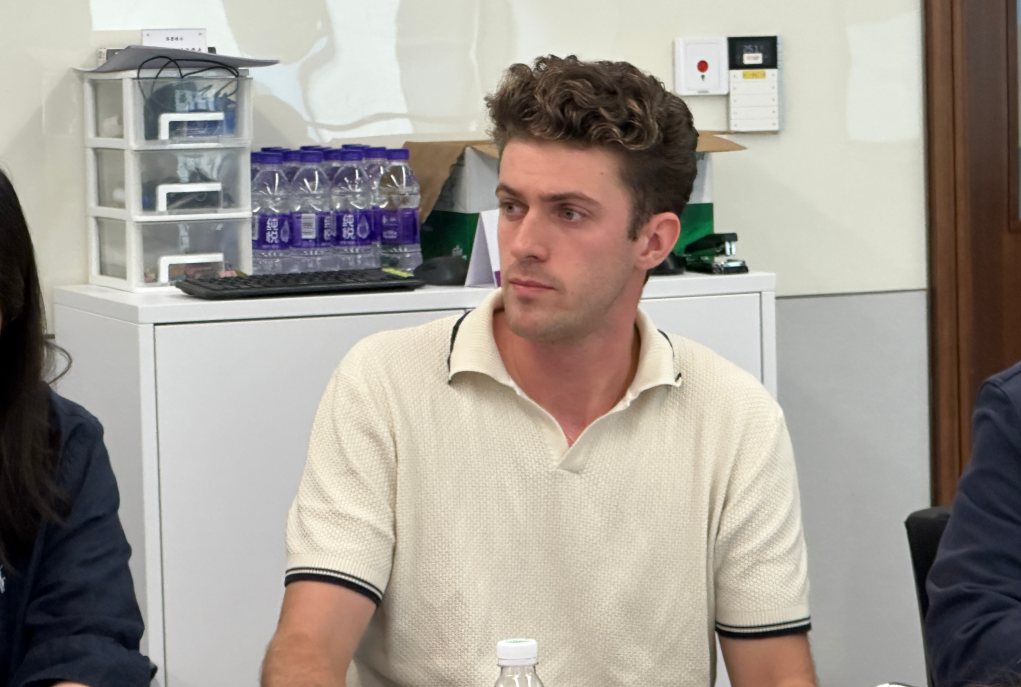
Photo: Noé Michon delivering his speech
Laura Naranjo, a member of the "Colombia Primero" think tank, shared Colombia's practical experience in poverty reduction and social development based on the country's current development situation. The core research focus of the "Colombia Primero" think tank is to evaluate the effectiveness of public policies, aiming to identify which policies can most effectively promote social development and improve people's livelihoods. Taking the period from 2002 to 2010 as an example, Colombia saw a significant decline in monetary poverty indicators and the number of people in absolute poverty, thanks to the implementation of relevant policies. This fully demonstrates the positive impact of poverty reduction policies on social development. On this basis, increasing access to education, talent development, and innovation and entrepreneurship opportunities is crucial for promoting social mobility and achieving long-term poverty reduction. She pointed out that poverty reduction is not only about increasing income but, more fundamentally, about creating equal development opportunities for more people.
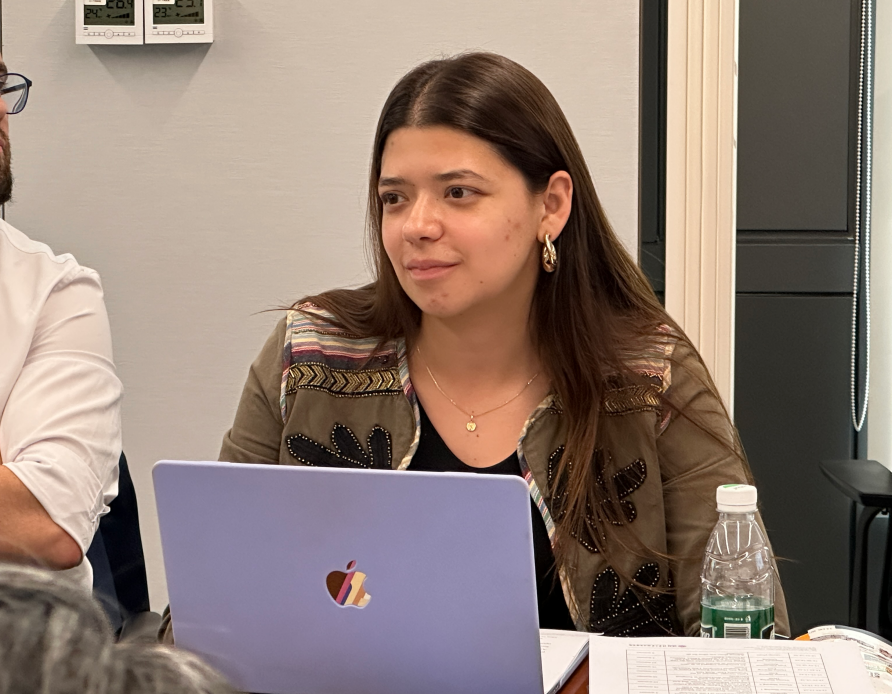
Photo: Laura Naranjo delivering her speech
Feng Jian, a Ph.D. candidate researcher at the Tsinghua University Latin America Center, shared on the topic of "China's Poverty Reduction Practices." Using Nanyu Village in Laishui, Hebei, as a case study, he introduced the local practice of promoting rural poverty alleviation and revitalization through the development of a high-end homestay industry. By integrating ecological resources and rural characteristics and introducing industries such as boutique homestays and rural tourism, Nanyu Village improved infrastructure, increased villagers' income, and also boosted employment and the development of rural public services. It gradually formed a poverty reduction path driven by industry. This case demonstrates how China promotes rural poverty reduction and sustainable development through industrial development, infrastructure construction, and rural governance innovation, reflecting the instructive significance of China's poverty reduction experience.
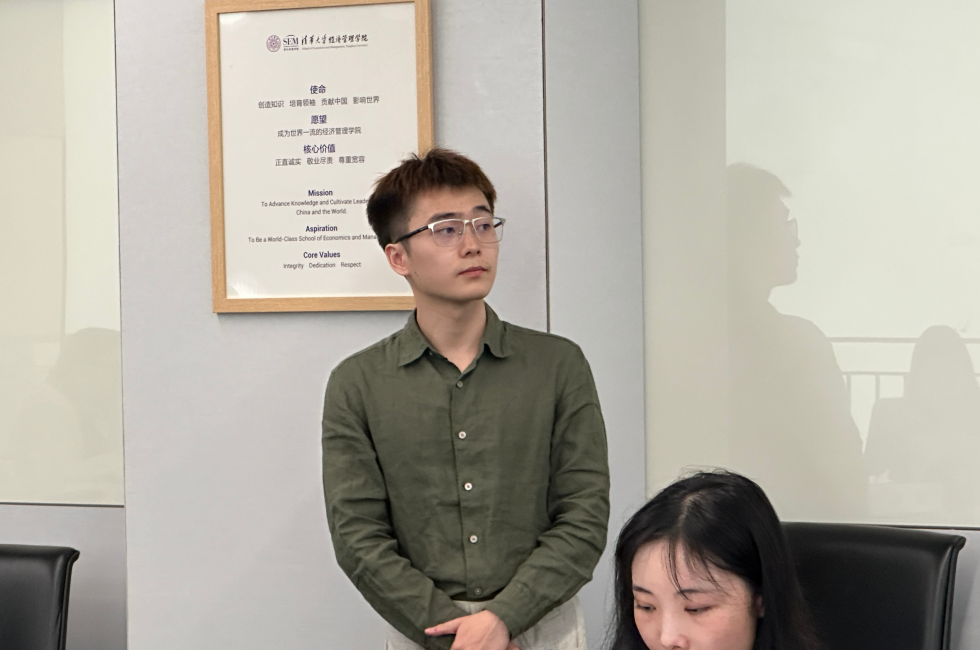
Photo: Feng Jian delivering his speech
During the exchange and discussion session, participants engaged in in-depth discussions on poverty reduction topics, focusing on areas such as the coordinated development of industrial technology and agriculture, attracting youth to return to their hometowns for employment, long-term mechanisms to prevent a return to poverty, localized poverty reduction models, the assistance processes and benefit-sharing mechanisms of foundations and enterprises, child poverty reduction, the balance between modernization and tradition, and how Latin America can adapt and implement Chinese experiences. In response to these questions, Professor Chen Taotao provided responses and led discussions. She summarized by pointing out that the "2026 Poverty Reduction Camp" further expanded its focus from "poverty reduction" to "poverty reduction and development," aiming specifically to explore long-term mechanisms for preventing a return to poverty. Through cross-cultural exchange and mutual learning of experiences, it seeks to contribute to building a sustainable future.
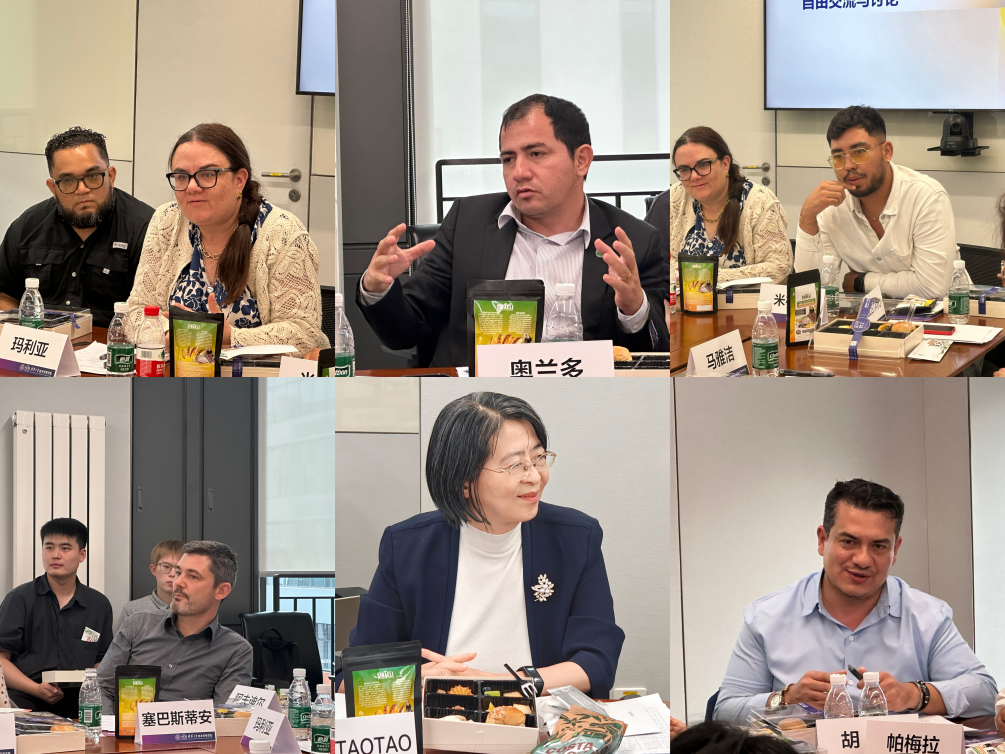
Photo: Exchange and Discussion Session
Zhang Yuanwei, Minister-Counselor of the Department of Latin American and Caribbean Affairs at the Ministry of Foreign Affairs, emphasized in his summary that the discussions were lively and viewpoints collided vibrantly, fully reflecting the profound significance of the theme of "poverty reduction." He noted that poverty reduction is a historic issue that China has taken millennia to gradually resolve. Its fundamental success lies in the superiority of the socialist system with Chinese characteristics, particularly President Xi Jinping's principle of "ensuring the rural poor have no worries over food and clothing and have access to compulsory education, basic medical services, and safe housing" (Two Assurances and Three Guarantees), which embodies the government's responsibility to help people escape poverty. The Five Projects for Building a China-Latin America Community with a Shared Future, proposed by President Xi Jinping at the opening ceremony of the Fourth Ministerial Meeting of the Forum of China and the Community of Latin American and Caribbean States (China-CELAC Forum) in May last year, also received positive responses and concrete practice in today's discussions. He called on young scholars and experts from both China and Latin America to play a greater role in providing valuable insights and reflections for China-Latin America cooperation and development. The world is becoming increasingly complex, but this cannot hinder our dream of joining hands and making progress together.
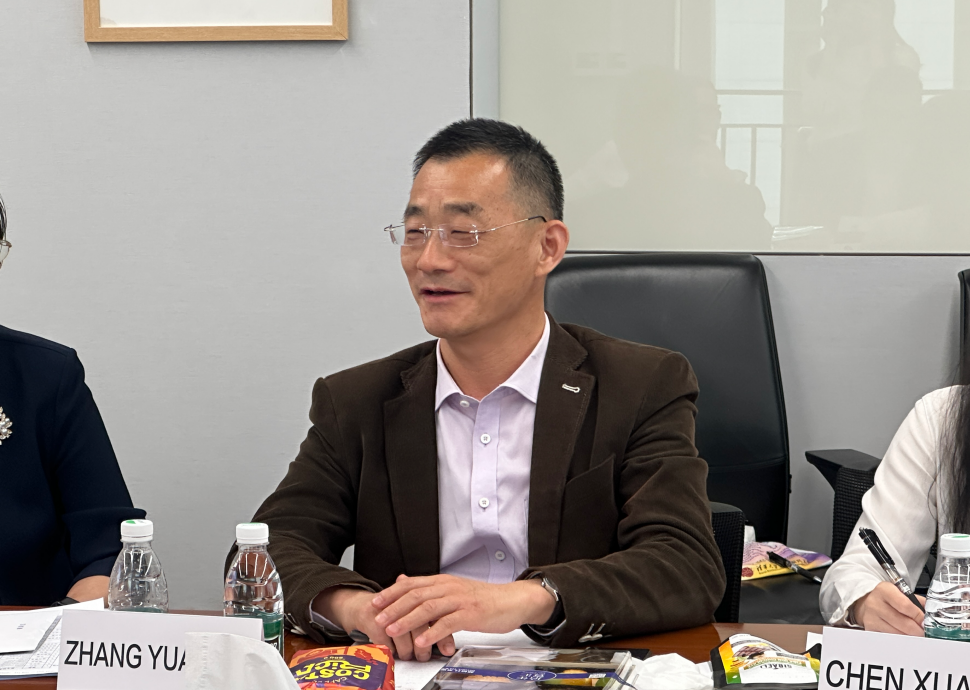
Photo: Zhang Yuanwei delivering the concluding remarks