China-Latin America Youth Responding to Global Challenges —
2026 Poverty Alleviation Challenge
Chile Station Final Round
About the “Poverty Alleviation Challenge”
Poverty alleviation is a universal challenge for developing countries and a shared concern for the entire world. In 2024, the Tsinghua University Latin America Center, the Research Center for China-Latin America Management Studies, School of Economics and Management, Tsinghua University, and the Center for Global Competence Development at Tsinghua University, in collaboration with Latin American university partners, successfully launched and implemented the “China-Latin America Youth Responding to Global Challenges — 2024 Poverty Alleviation Challenge” (hereinafter referred to as the “Poverty Alleviation Challenge”) in China (Tsinghua), Brazil, and Chile. This initiative sparked a wave of university-led poverty alleviation dialogues across China and Latin America. In November of the same year, during President Xi Jinping’s state visit to Brazil and his attendance at the 19th G20 Leaders’ Summit, Party Secretary Qiu Yong of Tsinghua University and the Rector of Universidade Federal do Rio de Janeiro (UFRJ) signed a cooperation agreement on the “China-Latin America Youth Responding to Global Challenges” program. This agreement was included in the official list of outcomes of President Xi’s visit to Brazil, becoming a landmark initiative for China-Latin America win-win development led by Tsinghua University. The 2026 Poverty Alleviation Challenge is co-hosted by founding organizers including Tsinghua University, Universidade Federal do Rio de Janeiro (UFRJ), Pontificia Universidad Católica de Chile (UC), Universidad de Chile, and Universidad del Pacífico (Peru). The program is jointly organized by the Embassy of China in Brazil, the Fundação Getulio Vargas (FGV) EAESP, Universidad de Santiago de Chile (USACH), and Pontificia Universidad Católica del Perú (PUCP).
The 2026 Poverty Alleviation Challenge has attracted more than 666 youth participants from 88 universities and organizations in countries such as China, Chile, Brazil, and Peru, forming a total of 119 teams. The challenge is structured into two stages—the “Preliminary Round” and the “Transnational Finals”—aiming to foster cross-cultural communication and collaboration while stimulating the innovative thinking and practical skills of global youth in the field of poverty alleviation. In June 2026, the preliminary round of the 2026 Poverty Alleviation Challenge was successfully conducted. With Tsinghua University serving as the primary offline venue, participants from Latin American countries joined through a hybrid online and offline format. After intense competition, 12 innovative teams stood out and advanced to the transnational finals. The Chile Final is being held in Santiago, Chile, from August 17 to 19, Chile Standard Time. During this final phase, participating teams will engage in a series of challenging activities, including ice-breaking sessions, field research, poverty alleviation seminars, mentoring, and the design and presentation of poverty alleviation solutions.
The 2026 Poverty Alleviation Challenge received support from the Chinese Embassy in Brazil, the Chinese Consulate-General in Rio de Janeiro, the Embassy of Brazil in China, the Chinese Embassy in Chile, the Embassy of Chile in China, the Chinese Embassy in Peru, and the Embassy of Peru in China. Leading Chinese and international companies and institutions, including Envision Group, CGE Group (Chile), Minera Las Bambas S.A., Zhongshan (Beijing) Cultural Industry Co., Ltd., DiDi, China Mobile International (Chile), Kuaishou International Business (KSIB), and the Luksic Foundation, also provided important support for the program.
On August 19, 2026, Chile Standard Time, the project evaluation for the “China-Latin America Youth Responding to Global Challenges: 2026 Poverty Alleviation Challenge” Chile Final was held at the Universidad de Santiago de Chile. Distinguished guests attending the event included Chen Taotao, Professor of Department of Finance at the School of Economics and Management (SEM) of Tsinghua University, Director of the Tsinghua University Latin America Center, and Director of the Center for China-Latin America Management Studies at SEM; Hector Chavez, Vice Dean of the Graduate School at the Universidad de Santiago de Chile; Maria Montt, Vice President for International Affairs at Pontificia Universidad Católica de Chile (UC); Andrés Bórquez, Director of the Directorate of International Relations (DRI) at the Universidad de Chile; Dai Yan, President of CGE; Raúl Berríos, Dean of the Faculty of Administration and Economics at the Universidad de Santiago de Chile; and Maribel Florez, Director of the Global Learning Office of the Office of the Vice President for International Affairs at UC; Li Hongru, Manager of the Online Education Center at Tsinghua University; Marcela Vera, Director of Asian and Pacific Affairs at the Faculty of Administration and Economics, Universidad de Santiago de Chile; Jiao Yang, Researcher at the Future Laboratory, Tsinghua University; Pablo Humeres, Global Learning Manager at the Directorate of International Relations (DRI), Universidad de Chile; Tan Yang, Founder of ZorroLibre.ai (distributed energy and AI platform) and CodeCity.lat (AI multi-agent platform); and GU Xiaohong, Former Senior Executive at Bank of China (Peru).
The judging panel for the final competition consisted of Jose Miguel Benavente, Full Professor at the Business School of Universidad Adolfo Ibáñez (UAI) and former Executive Vice President (CEO) of the Chilean Economic Development Agency (CORFO); Jeanne LaFortune, Full Professor at the Institute of Economics, School of Economics and Administration of the Pontificia Universidad Católica de Chile (UC), Scientific Co-Director of J-PAL LAC, and PhD from MIT; Carlos Olguín, Associate Professor at the Institute of International Studies of the Universidad de Chile and former Ambassador of Chile; Mauricio Guerra, Lecturer at the Faculty of Administration and Economics of the Universidad de Santiago de Chile (USACH) and former Director of the Department of International and Inter-University Relations at USACH; Shao Lei, Dean of the Institute for Accessibility Development at Tsinghua University; and Rodrigo Hernández Allel, Head of the Habitability Department at FOSIS.
More than 60 faculty members and students from Tsinghua University, Pontificia Universidad Católica de Chile (UC), Universidad de Chile, and Universidad de Santiago de Chile (USACH) participated in the final. The competition was moderated by Fernando Olmos, Coordinator of Curriculum Internationalization and Faculty Mobility at the Universidad de Santiago de Chile.
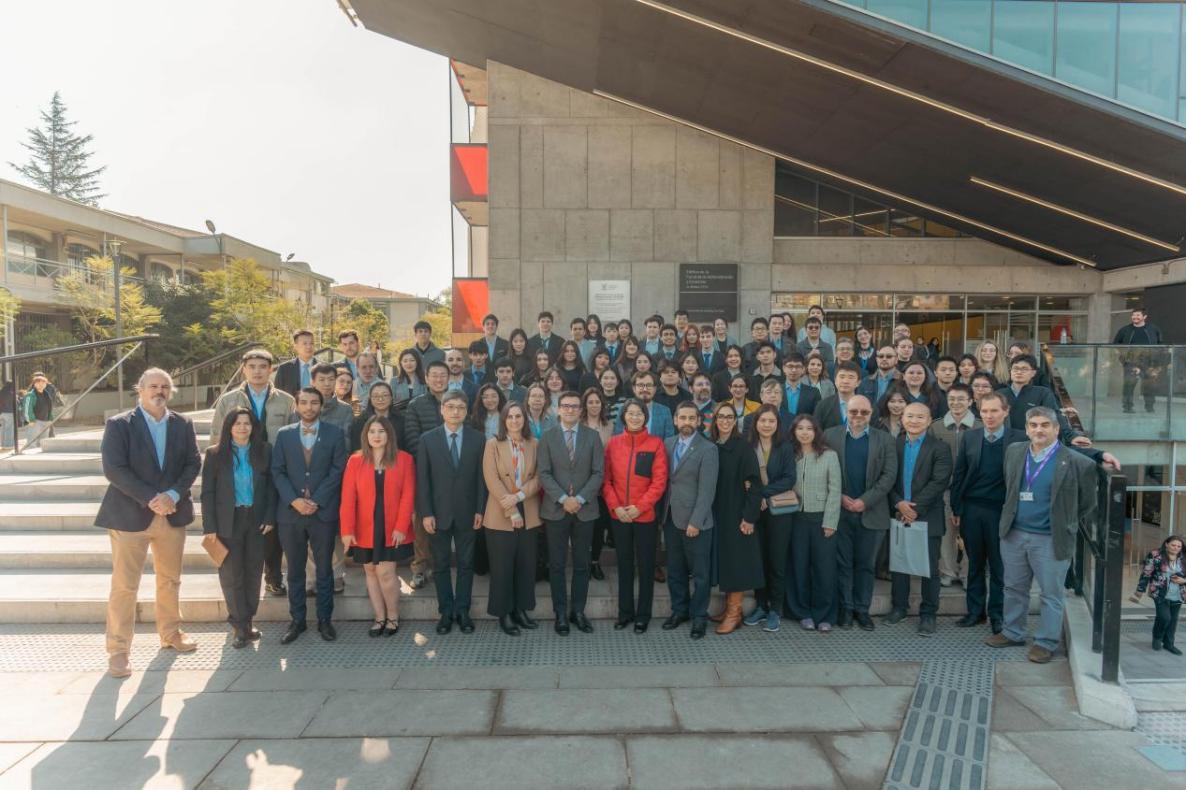
Figure: Scene of the Final Round
At the start of the event, Yang Bin, Vice Chairman of the University Council and Vice President of Tsinghua University, delivered an opening speech for the competition via video. He remarked that Tsinghua University has always been dedicated to deepening global engagement and cultivating innovative talents with global competence. Highlighting that the 2026 Poverty Alleviation Challenge has reached a record-breaking scale, he encouraged Chinese and Latin American youth to deepen mutual learning and exchange, build lasting friendships, and jointly contribute youthful wisdom to solving global challenges. He also expressed his appreciation for the strong support from all partners.
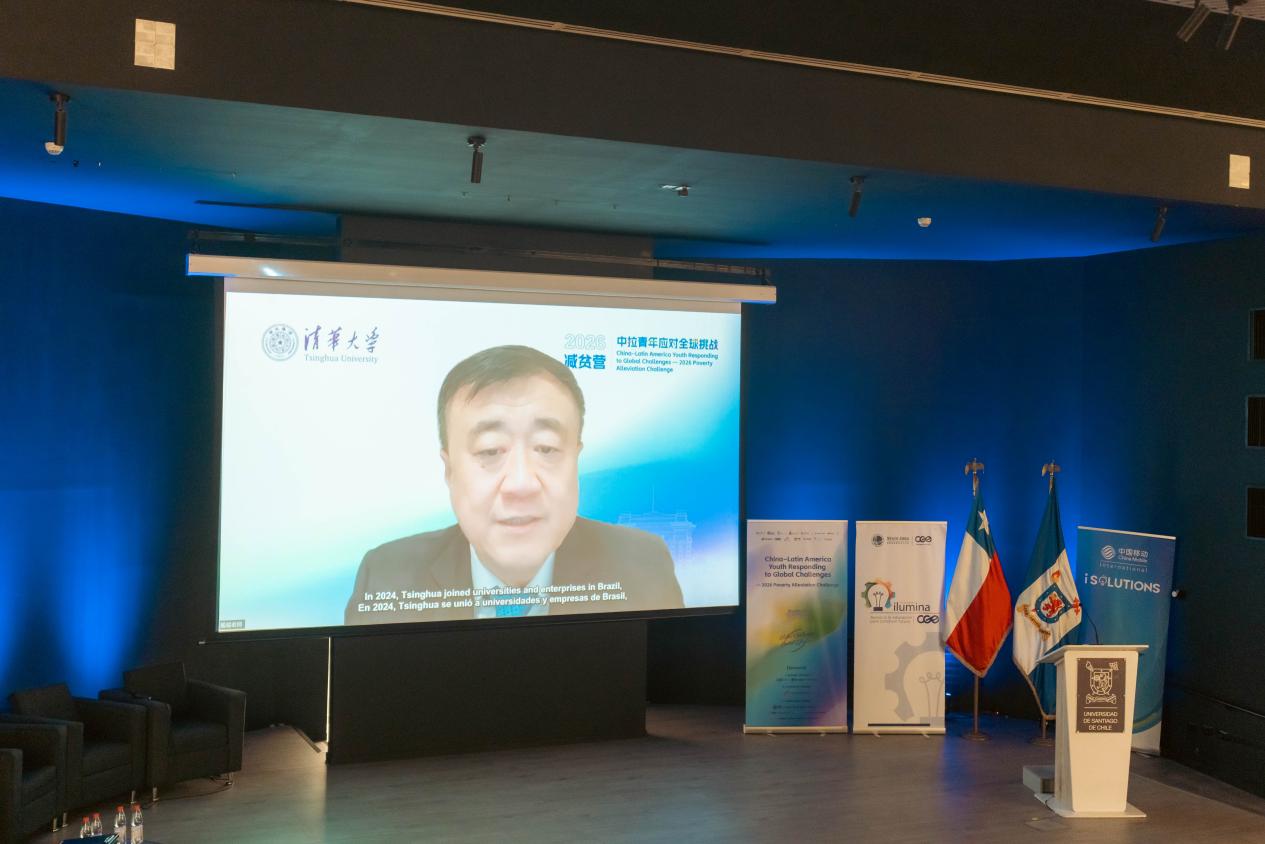
Figure: Speech by YANG Bin, Vice Chairman of the University Council of Tsinghua University
Hector Chavez, Vice Dean of the Graduate School at the Universidad de Santiago de Chile (USACH), stated in his speech that he was delighted to welcome everyone to the final round at USACH. He emphasized that the core mission of a university is to let knowledge serve social progress, noting that poverty is not only an income issue but also involves the lack of fundamental rights such as education, healthcare, and technology. He pointed out that while Latin America is rich in resources, it still faces challenges regarding productivity and inequality, and in this context, China’s experience in poverty alleviation is worth learning from. He encouraged the youth of China and Latin America to engage in interdisciplinary and transnational cooperation, integrating diverse perspectives into practical and feasible solutions.
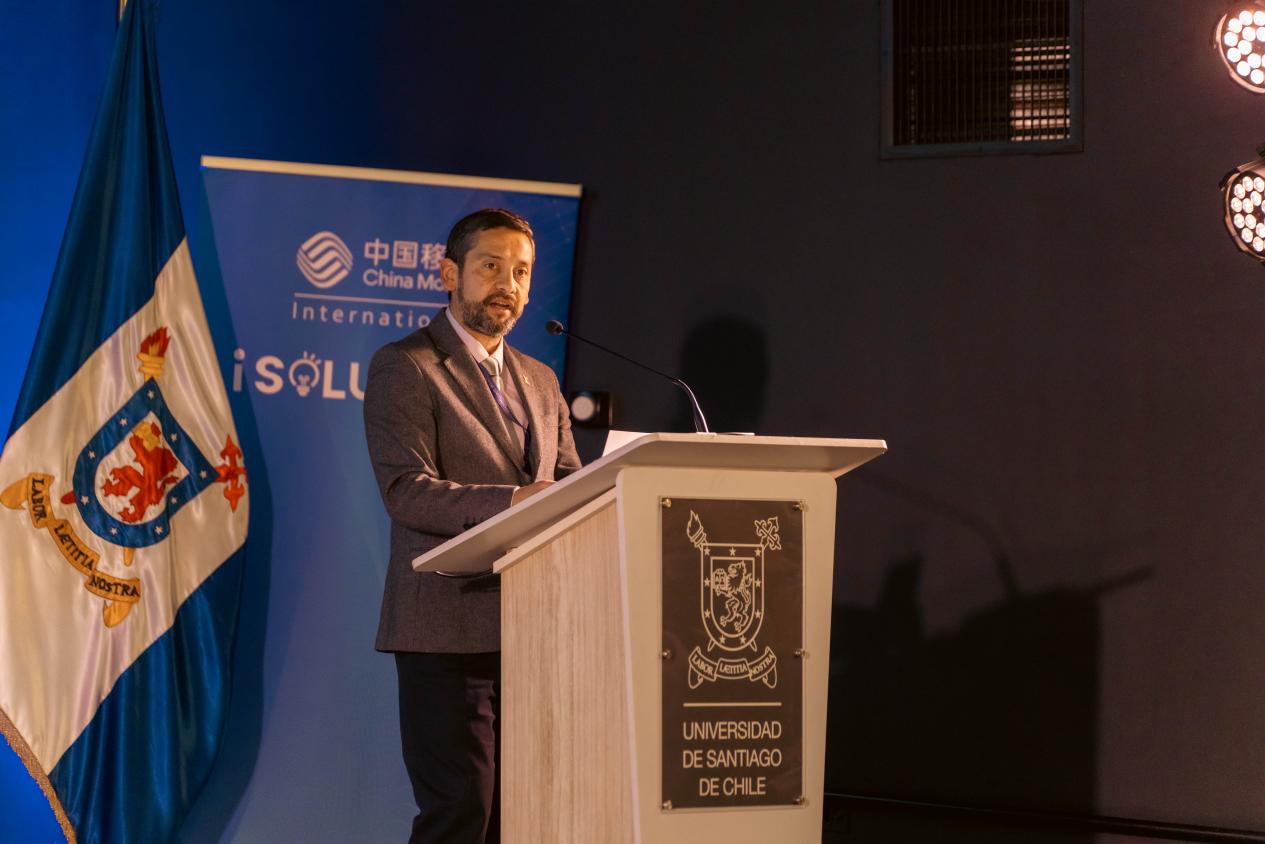
Figure: Hector Chavez, Vice Dean of the Graduate School at the Universidad de Santiago de Chile (USACH), delivering a speech
Maria Montt, Vice President for International Affairs at the Pontificia Universidad Católica de Chile (UC), congratulated all the finalist teams, noting that this challenge not only focuses on poverty issues but also creates a valuable space for mutual learning. She mentioned that although students from China and Chile have different backgrounds, they were able to collaborate toward common goals, reflecting the positive outcomes of cross-cultural cooperation. She specifically praised the students for overcoming obstacles such as time zones and language barriers to communicate and co-create, and emphasized that the theme of this year’s competition, “From Pitch to Practice,” is of profound significance. Its core value, she noted, lies in turning innovative solutions into real-world change.
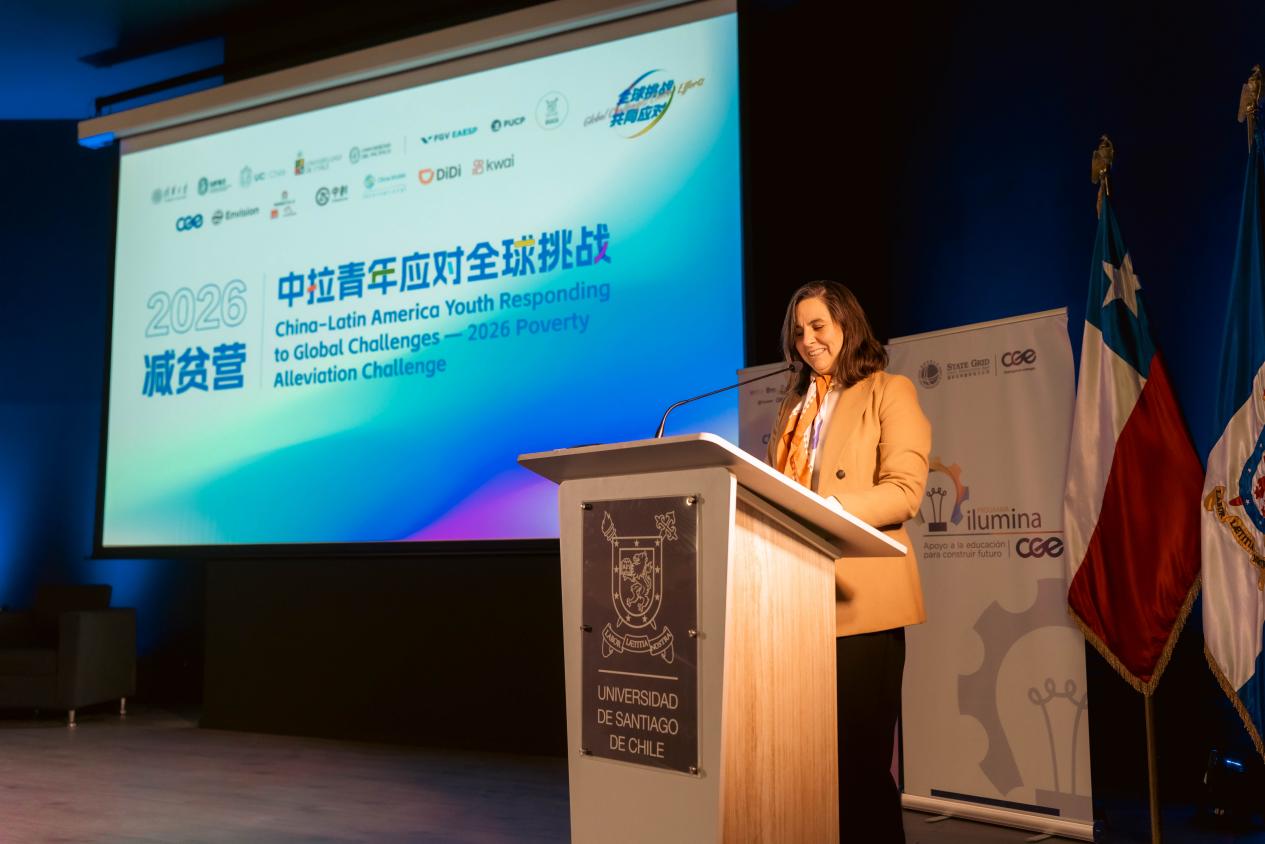
Figure: Speech by Maria Montt, Vice President for International Affairs at Pontificia Universidad Católica de Chile (UC)
Andrés Bórquez, Director of the Directorate of International Relations (DRI) at the Universidad de Chile, stated that this marks the third year the university has participated in the competition, with a total of seven students having visited China through the program. He emphasized that the university’s mission is to let knowledge serve society, with poverty alleviation being a core concern. He noted that the essence of this event is collaboration, and the joint organization of the “Poverty Alleviation Challenge” Chile Final by the three universities is of great significance. He also affirmed the interdisciplinary nature of the project and expressed his gratitude for the support provided by mentors and corporate partners.
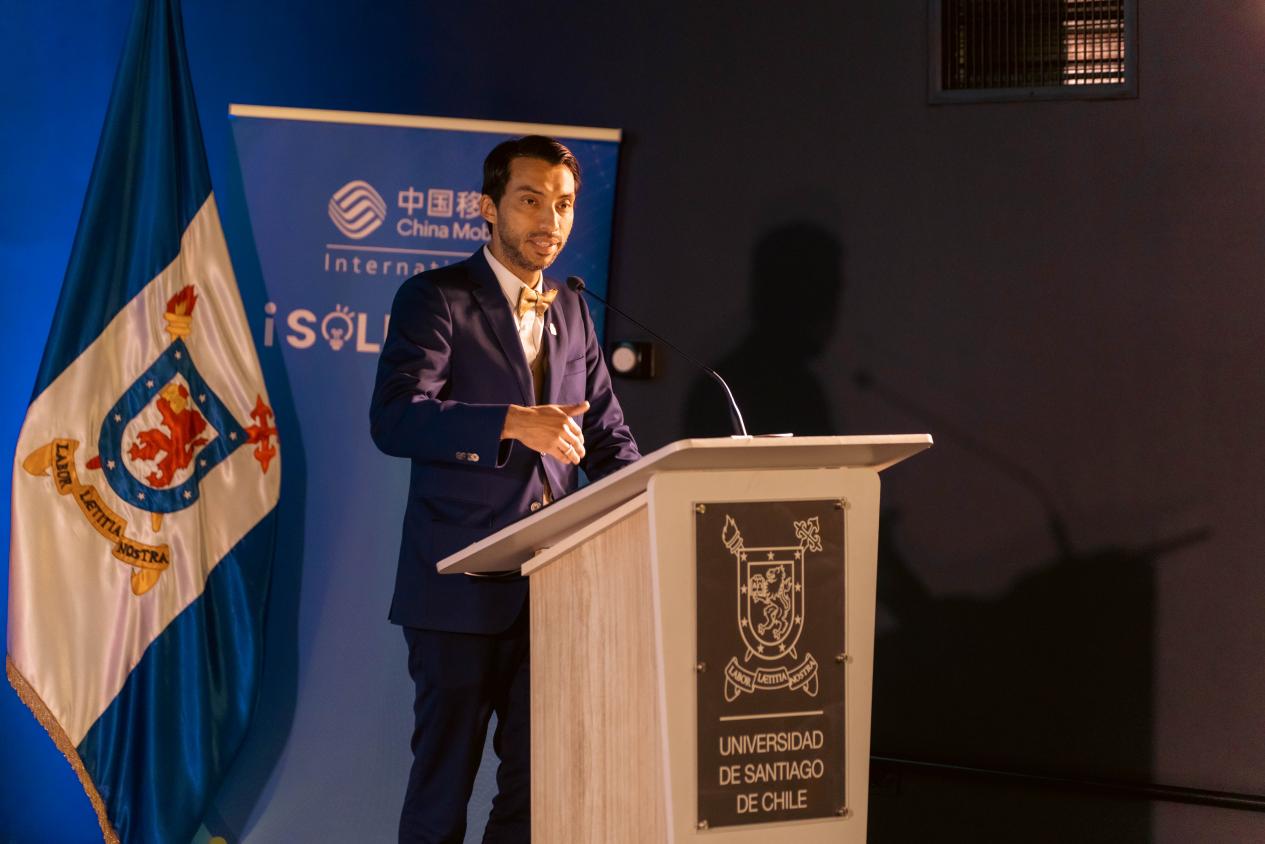
Figure: Speech by Andrés Bórquez, Director of the Directorate of International Relations (DRI) at the Universidad de Chile
Dai Yan, President of CGE, congratulated the finalist teams on behalf of State Grid CGE Chile in his speech. He introduced CGE as the largest power distribution enterprise in Chile; since its acquisition by State Grid in 2021, the company has introduced advanced technologies, eliminated all municipalities with substandard power supply quality, and connected two-thirds of the country’s new energy distributed power sources. He highlighted that the company continues to carry out the “Illumina” public welfare project to support education and has established the “Odyssey Program” to cultivate local young talent. He welcomed outstanding students to join CGE to jointly promote green cooperation between China and Chile.
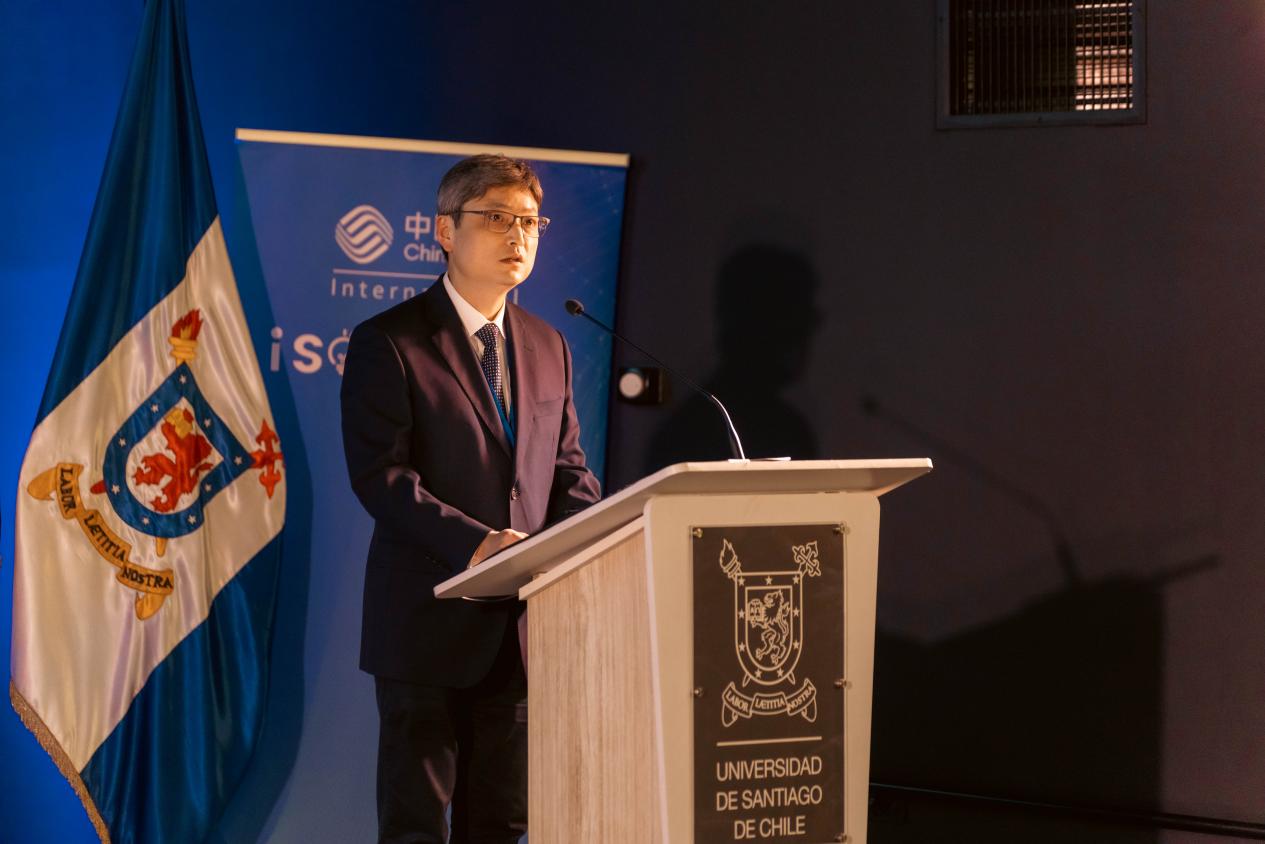
Figure: Speech by Dai Yan, President of CGE
Niu Qingbao, Chinese Ambassador to Chile, delivered a speech via video, congratulating the successful holding of the Poverty Alleviation Challenge. He noted that after three years of development, the competition has become a landmark platform covering four countries and nearly 100 universities. He highlighted China’s achievement in lifting 800 million people out of poverty and emphasized that China-Latin America cooperation on poverty alleviation has been included in the list of outcomes of President Xi Jinping’s visit to Brazil, which carries great significance. He also mentioned that China has implemented a visa-free policy for five Latin American countries to further facilitate youth exchanges, encouraging students to “read ten thousand books and travel ten thousand miles” to experience China firsthand and promote mutual learning between Chinese and Latin American civilizations.
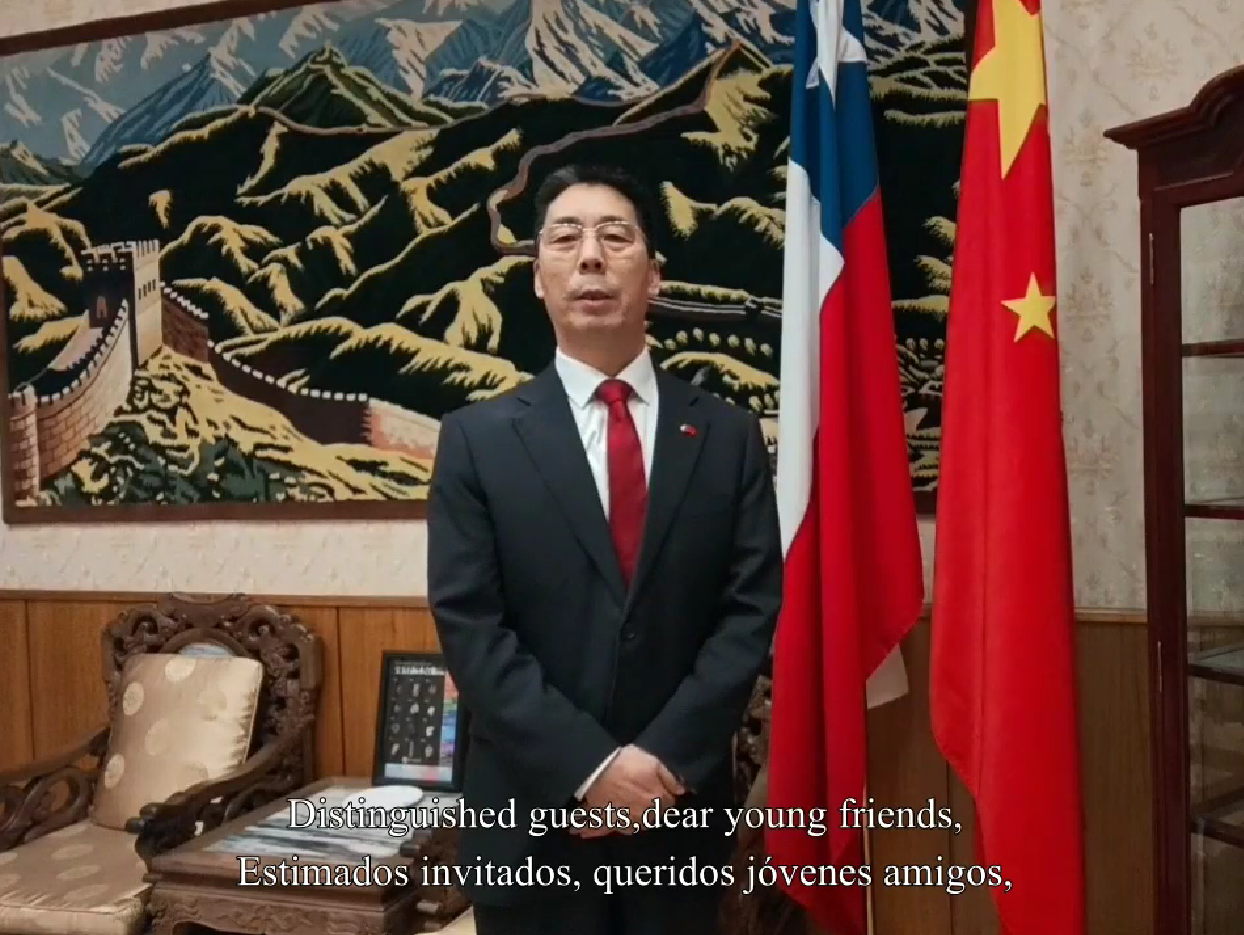
Figure: Speech by Niu Qingbao, Chinese Ambassador to Chile
Carlos Vásquez, Ambassador of Peru to China, extended his congratulations to the participating students in his video speech, praising the initiative for providing a valuable platform for youth from various countries to jointly discuss poverty alleviation solutions. He emphasized the importance of transnational cooperation and cross-cultural exchange, noting that challenges such as poverty and climate change transcend national borders and require joint efforts from all countries. He encouraged students to cherish the friendships and networks established through the project, stating that these relationships would be the most lasting outcome of the competition, and expressed gratitude to Tsinghua University and all partners for their efforts in promoting academic exchange between China and Latin America.
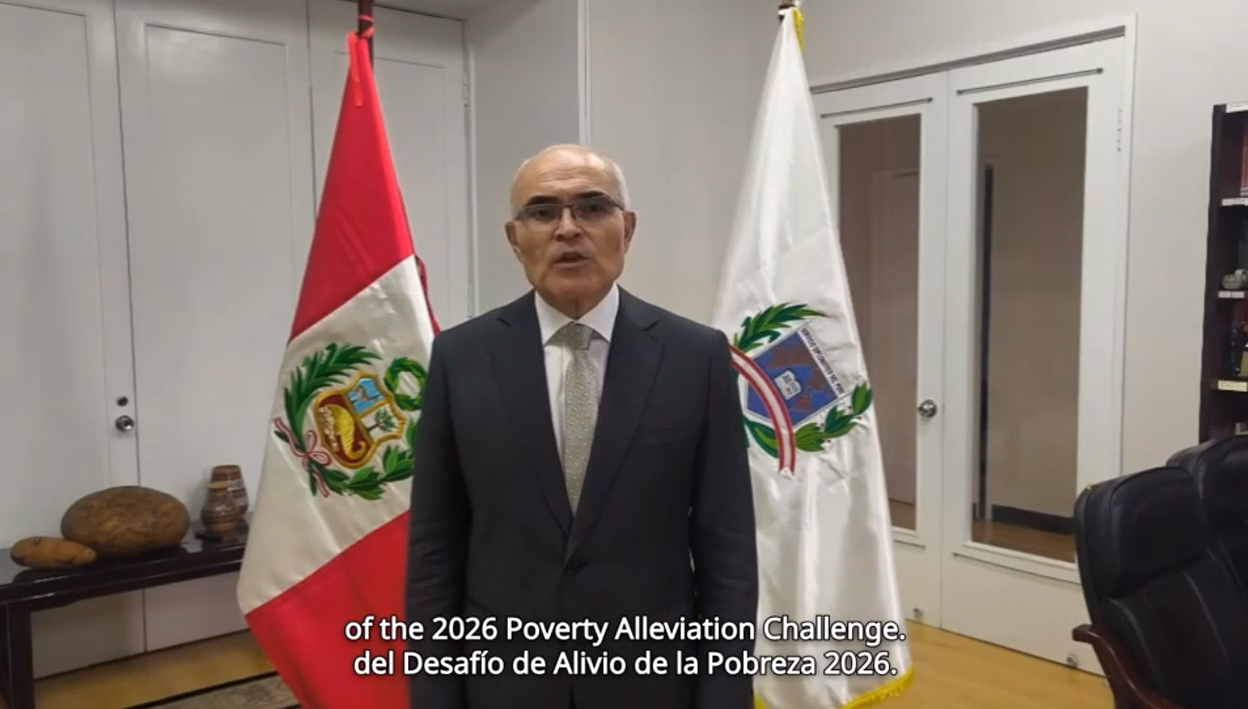
Figure: Speech by Carlos Vásquez, Ambassador of Peru to China
Rubén Tang, Head of the Office for Relations with Asia at the Pontificia Universidad Católica del Perú (PUCP), extended his congratulations to all finalist teams on behalf of the university, noting that reaching the final round is in itself a strong recognition of the teams’ capabilities. He emphasized that poverty and inequality are global challenges that transcend borders, requiring cross-regional academic alliances to strengthen knowledge exchange and cultural communication to generate systemic solutions. He believed that this collaboration embodies the core value of higher education: “academic excellence in service to humanity”. He encouraged participants to embrace the challenge with rigor, empathy, and a spirit of collaboration, wishing them outstanding results in the final.
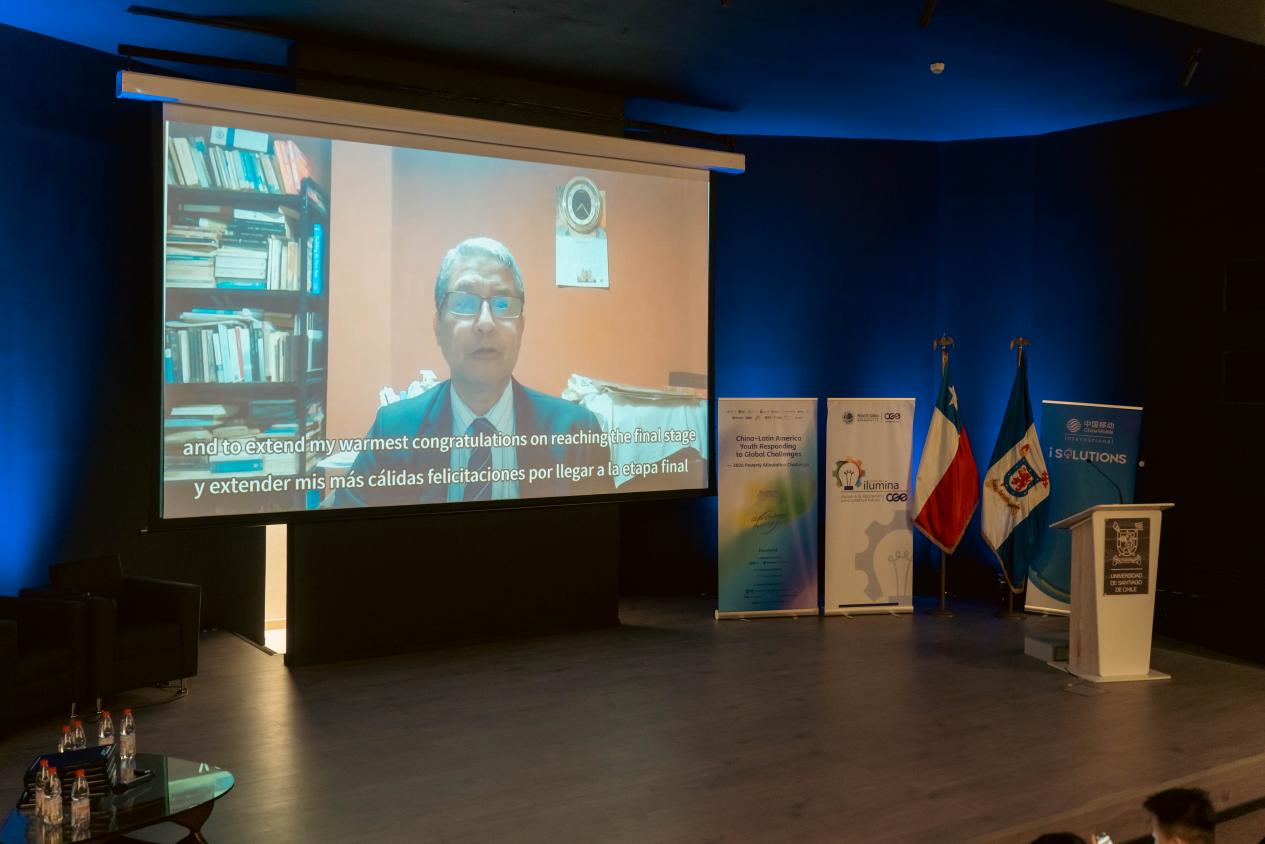
Figure: Rubén Tang, Head of the Office for Relations with Asia at PUCP, delivering a speech
Oscar Gaggero, Superintendent of Domestic Corporate Affairs at Minera Las Bambas S.A., stated that addressing poverty challenges requires transnational cooperation, local knowledge, and listening to local communities. This year, the “Poverty Alleviation Challenge” attracted 666 participants from China, Chile, Brazil, and Peru, with transnational teams making up over 80% of the total. As a winning organization from the previous year, Las Bambas continued its support for the project this year, encouraging the finalist teams to maintain an exploratory spirit and refine their solutions based on local realities. He also emphasized that diverse cooperation helps further consolidate the friendship between China and Latin America, wishing all teams success.
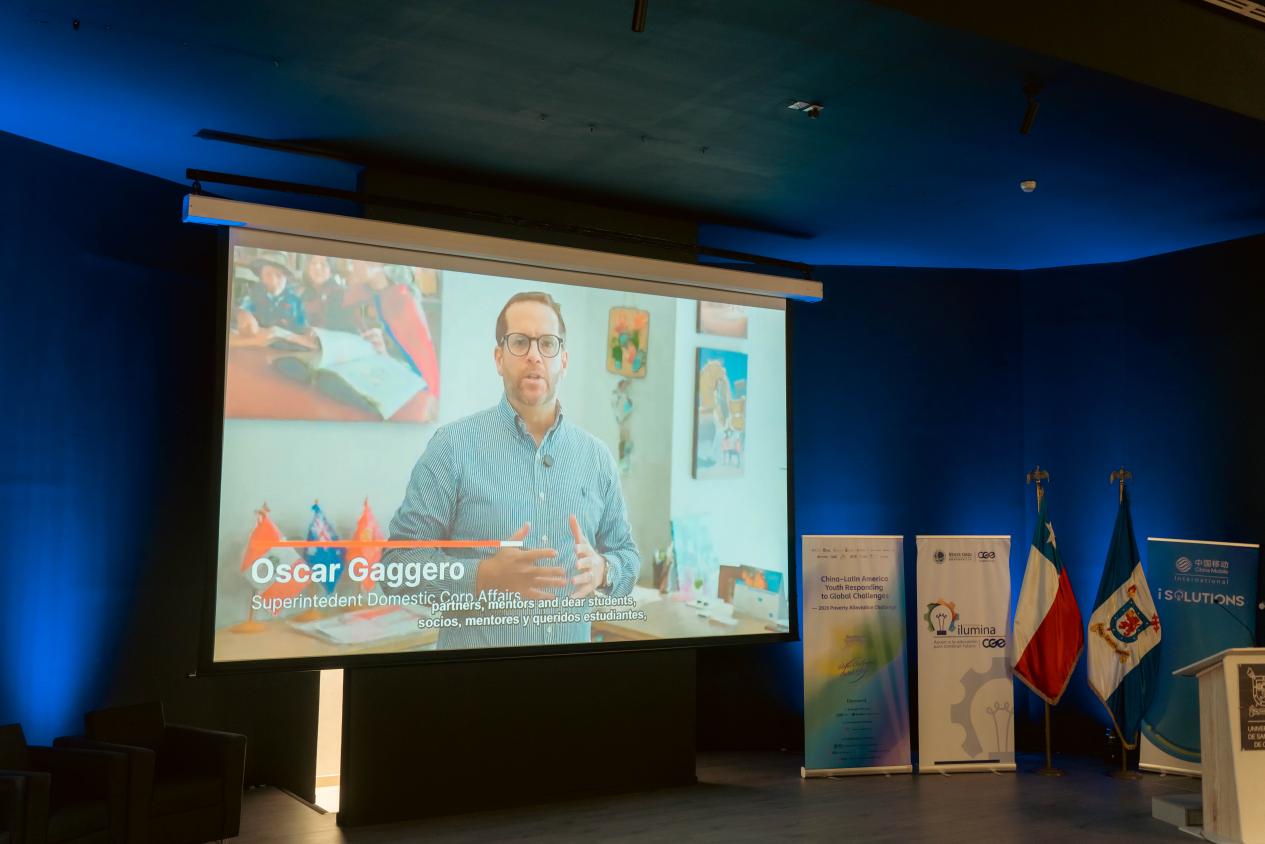
Figure: Speech by Oscar Gaggero, Superintendent of Domestic Corporate Affairs at Minera Las Bambas S.A.
Subsequently, the project reporting session commenced, with six competing teams presenting on themes such as renewable energy, agricultural innovation, industrial upgrading, digital empowerment, and social equity. Combining their academic backgrounds with cross-cultural perspectives, the teams proposed innovative methods and diverse strategies for poverty alleviation. During the Q&A session, contestants responded to judges’ questions regarding the rationality, effectiveness, implementability, and transferability of their poverty alleviation experience, demonstrating a profound understanding of the issues and strong cross-cultural collaboration skills. The live presentations and defenses by the youth were highly commended by the attending experts and the audience.
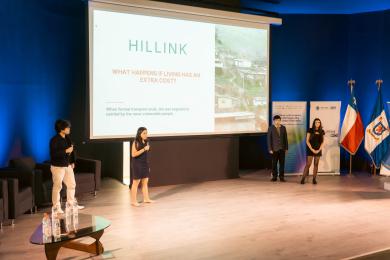
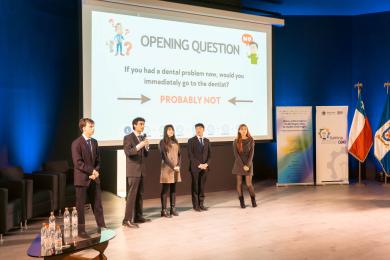
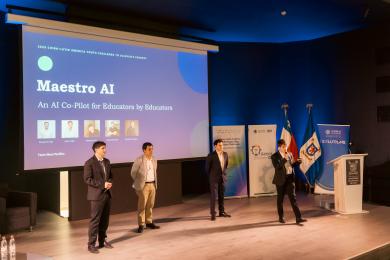
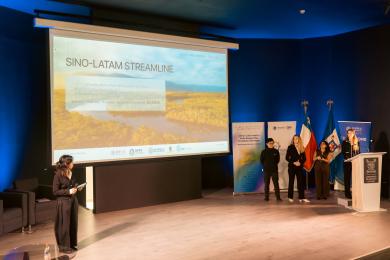
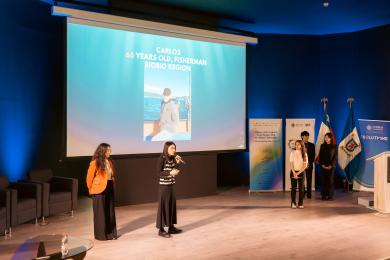
Figure: Student Presentations
After three hours of intense competition, the transnational team “Aqua Terra Nexus,” composed of participants from Chile and China, claimed the top prize. They focused on the predicament of “productive poverty” among Chilean coastal fishermen caused by massive catch waste and seasonal income fluctuations. Their solution involves constructing community biorefineries to utilize fish processing waste for the production of oil, biogas, electricity, and heat. The project innovatively implements a “waste-for-quota” mechanism, which returns 65% of the proceeds to the fishermen while simultaneously reducing carbon emissions. Divided into three stages and utilizing mature technology, the project aims to break the cycle of poverty, ensure the local retention of resource value, and plans to expand to other coastal cities.
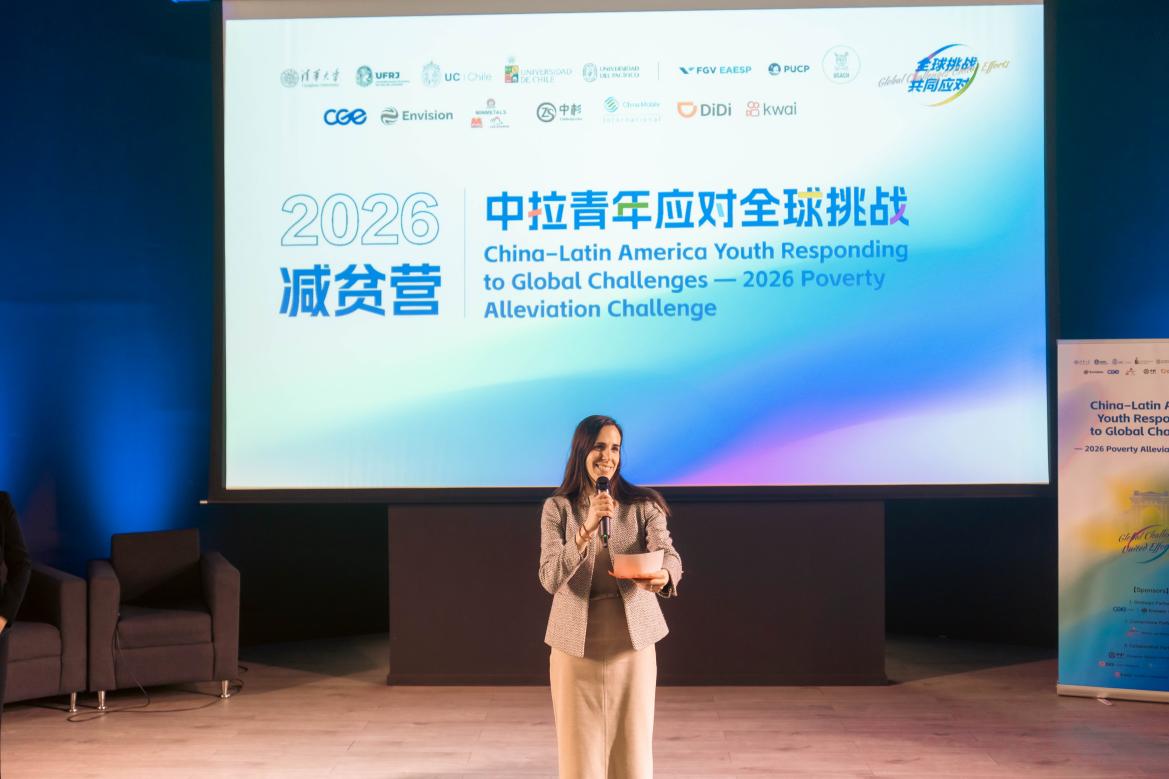
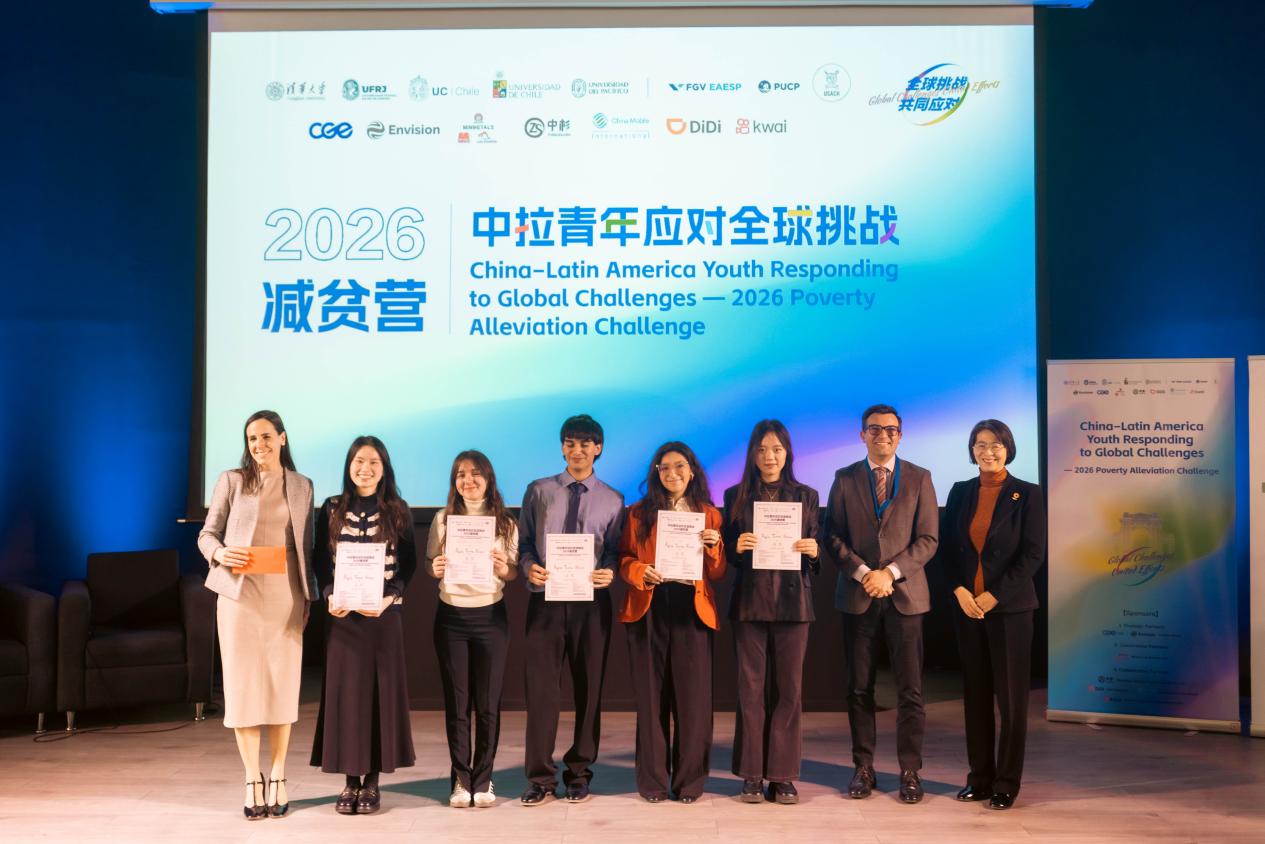
Figure: Award Ceremony for the Gold Medal Team
The Silver Awards were presented to Nexo Pacifico from Peru and Sino-Latam Streamline from Brazil.
Team Nexo Pacifico is dedicated to addressing educational poverty in Latin America through an AI-driven smart learning platform. Focusing on scenarios in Chile and Peru, the project integrates two core functions: “personalized intelligent tutoring for vulnerable children” and “continuous training for teachers in resource-constrained areas”. The solution incorporates research from Tsinghua University’s “AI Learning Assistant” and “Digital Teacher Growth Plan” projects, aiming to improve learning outcomes and narrow the educational gap by simultaneously empowering both teachers and students.
Team Sino-Latam Streamline is dedicated to addressing structural poverty in the Amazon Basin caused by geographical isolation and the lack of cold chains by deploying Zero-Carbon Floating Hubs. The project adopts an “Infrastructure-as-a-Service” (IaaS) model, which decouples infrastructure management from commodity ownership. By utilizing technologies such as Phase Change Material (PCM) freezers, perovskite photovoltaics, and offline edge computing, it provides climate-resilient storage and digital financial services for local producers. The project achieves dual revenue through B2B cooperative commissions (take rates) and the monetization of ESG data, dismantling middleman monopolies while simultaneously creating jobs and increasing income for micro-producers.
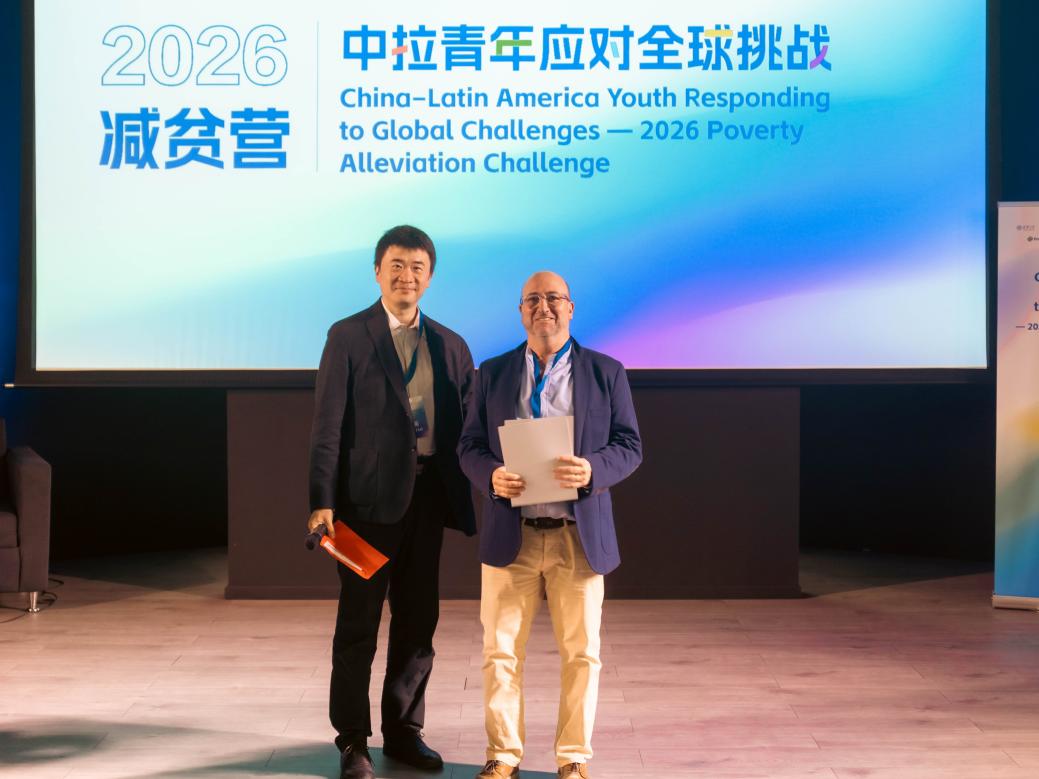
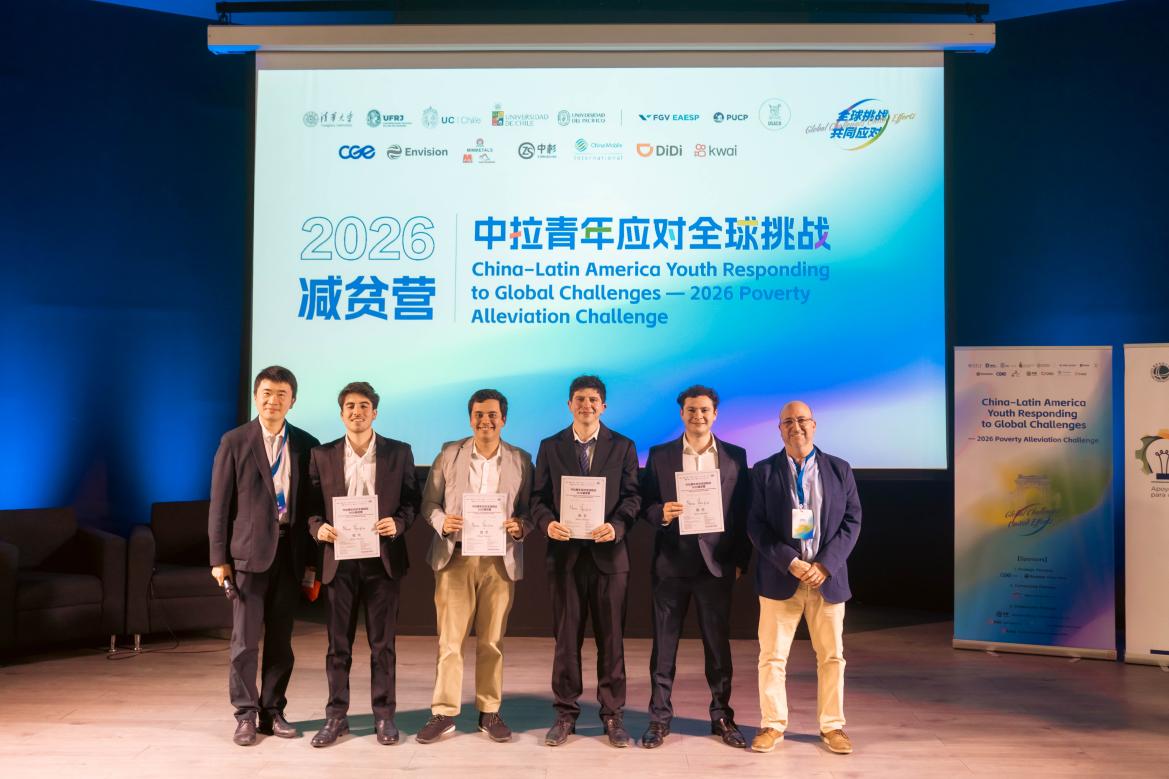
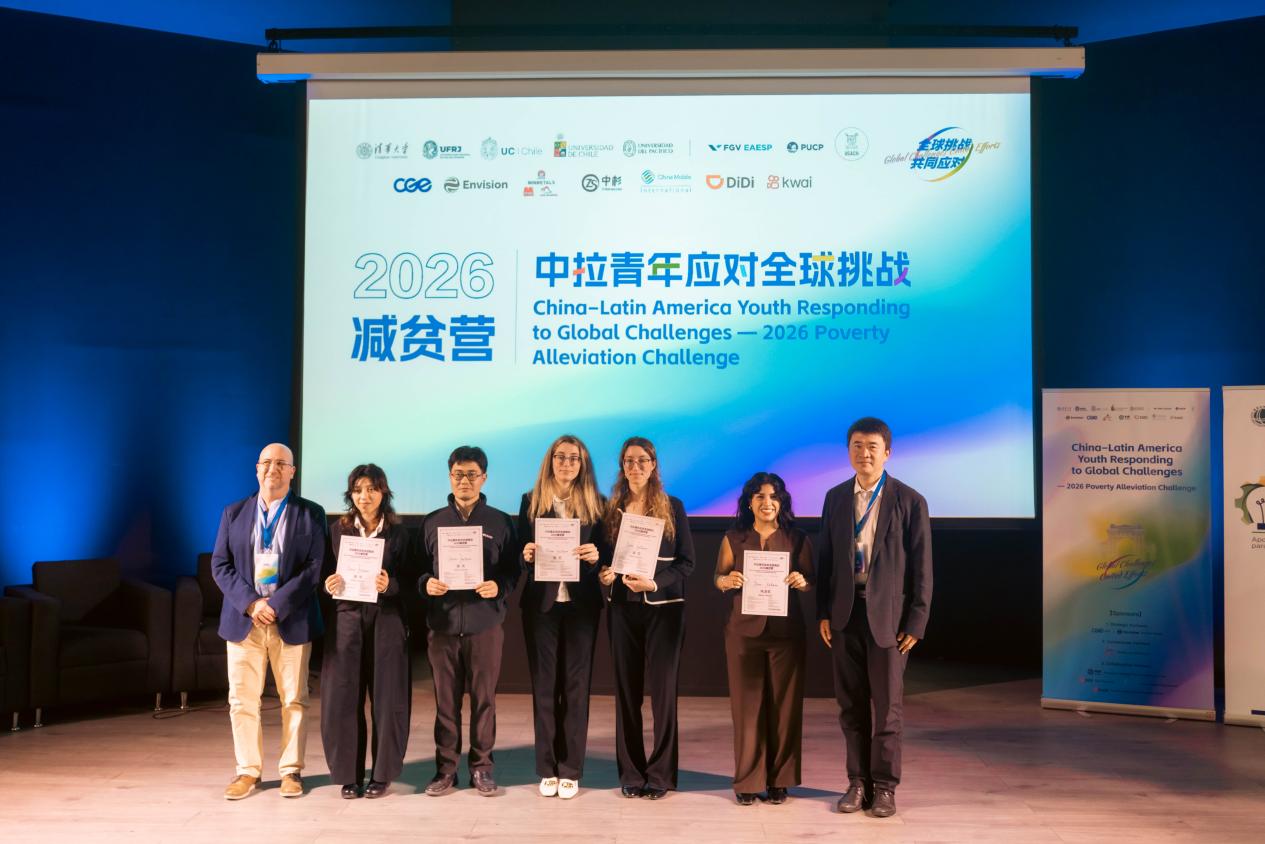
Figure: Award Ceremony for the Silver Medal Teams
The three teams receiving the Bronze Award are: Amurta, Hillink, and Smile Route.
Team Amurta focuses on Huaytará Province in the Huancavelica Region of Peru, dedicated to transforming Andean textile traditions into a driver for sustainable development. Addressing challenges such as cultural translation difficulties, market absence, and heritage disconnects, the project advances three major initiatives under the framework of the “AMURTA Huaytará Program”: creating digital light and shadow cultural tourism experiences locally; hosting the “One Thread Back to the Valley” exhibition in China to promote cross-cultural communication; and utilizing AI to develop alpaca IP and cultural/creative products to build a commercial poverty alleviation mechanism. The project aims to make Huaytará a cultural community that is “seen, respected, and purchased,” empowering artisans with increased income, youth participation, and community sustainability.
Team Hillink is committed to solving the “Geography Tax” problem in steep informal settlements through community-driven mechanical infrastructure. Addressing the high costs and risks associated with transporting essential goods in the mountainous communities of Lima, Peru, the team designed a low-cost, non-electric, and modular cargo-only mechanical system. Built with local materials and independent of external power or technology, the system aims to reduce the physical burden on residents, save time, and lower the cost of living. The project emphasizes community governance and autonomous maintenance, supported by a dynamic fee fund to ensure sustainable operation, with the ultimate goal of restoring time, dignity, and development opportunities stripped away by difficult terrain.
Team Smile Route utilizes digital means to alleviate poverty exacerbated by oral health issues and information barriers among migrant populations. The team developed a free, multilingual AI-assisted network platform that integrates preventive oral health education with migration service navigation. It provides dental education modules, AI orofacial risk triage tools, and practical migration guides to help users identify symptoms, master preventive knowledge, and plan migration paths safely and legally. The project aims to break cognitive and behavioral barriers, reducing emergency medical expenditures and productivity losses for vulnerable migrant families caused by delayed treatment.
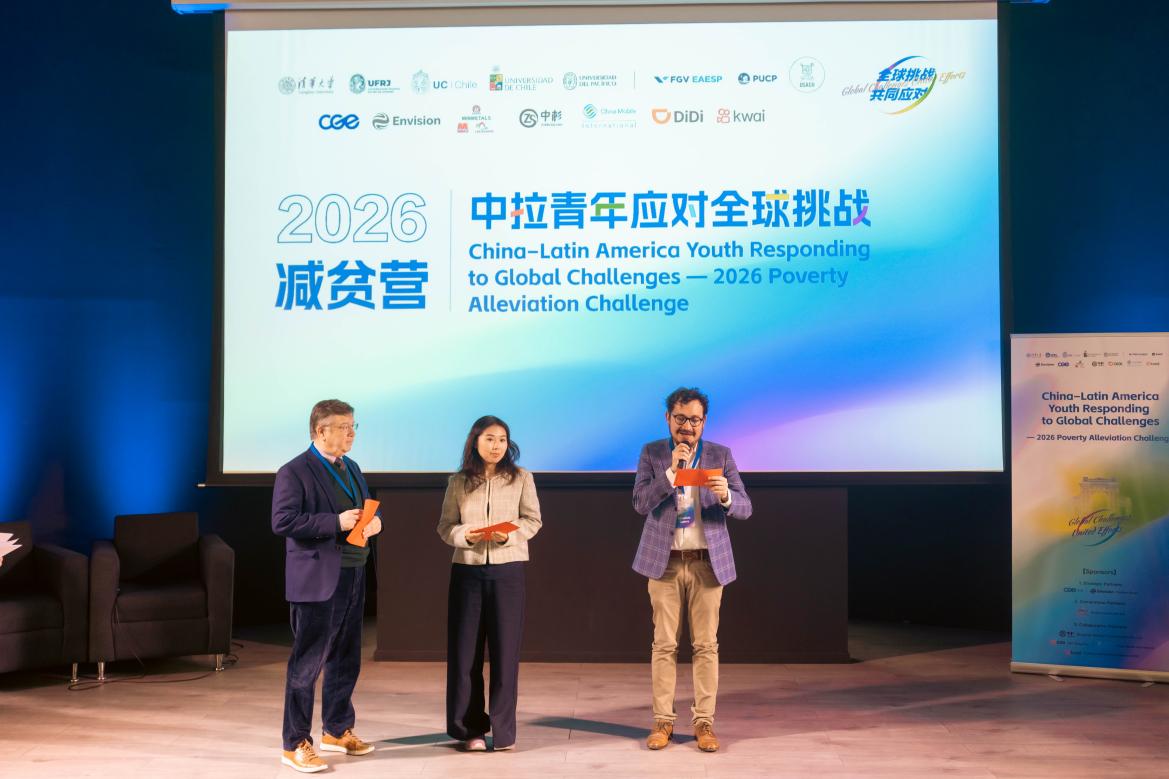
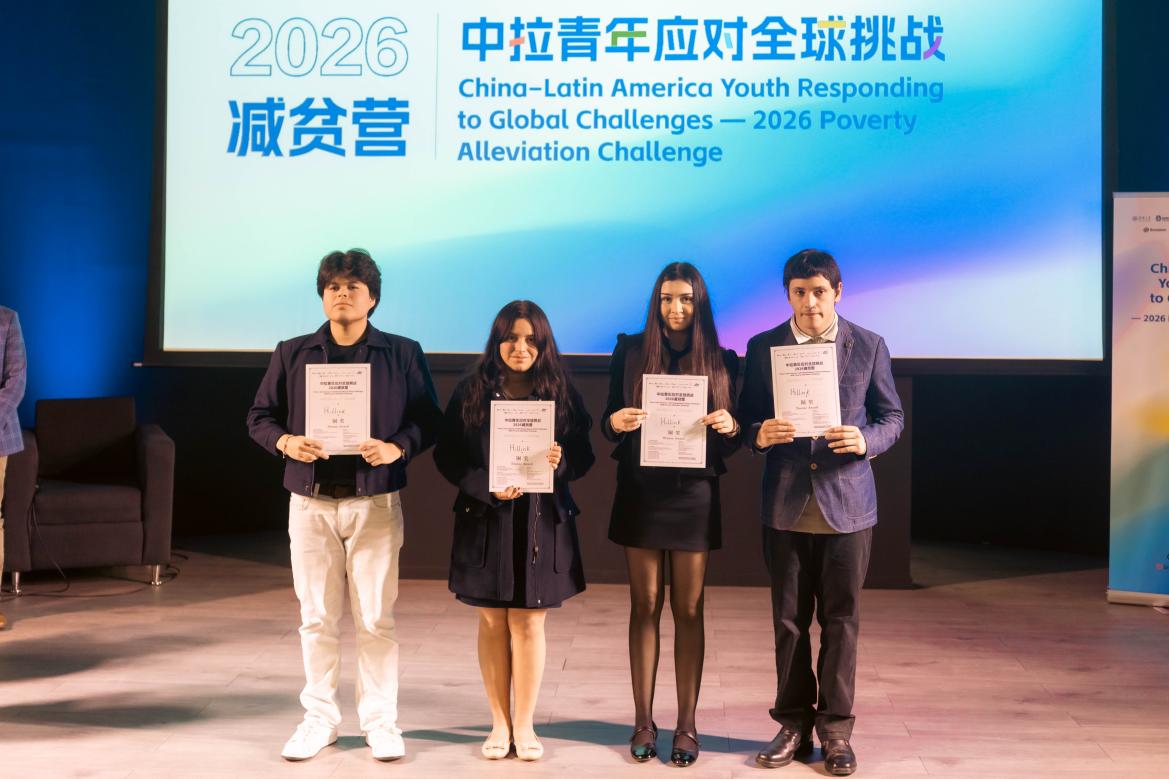
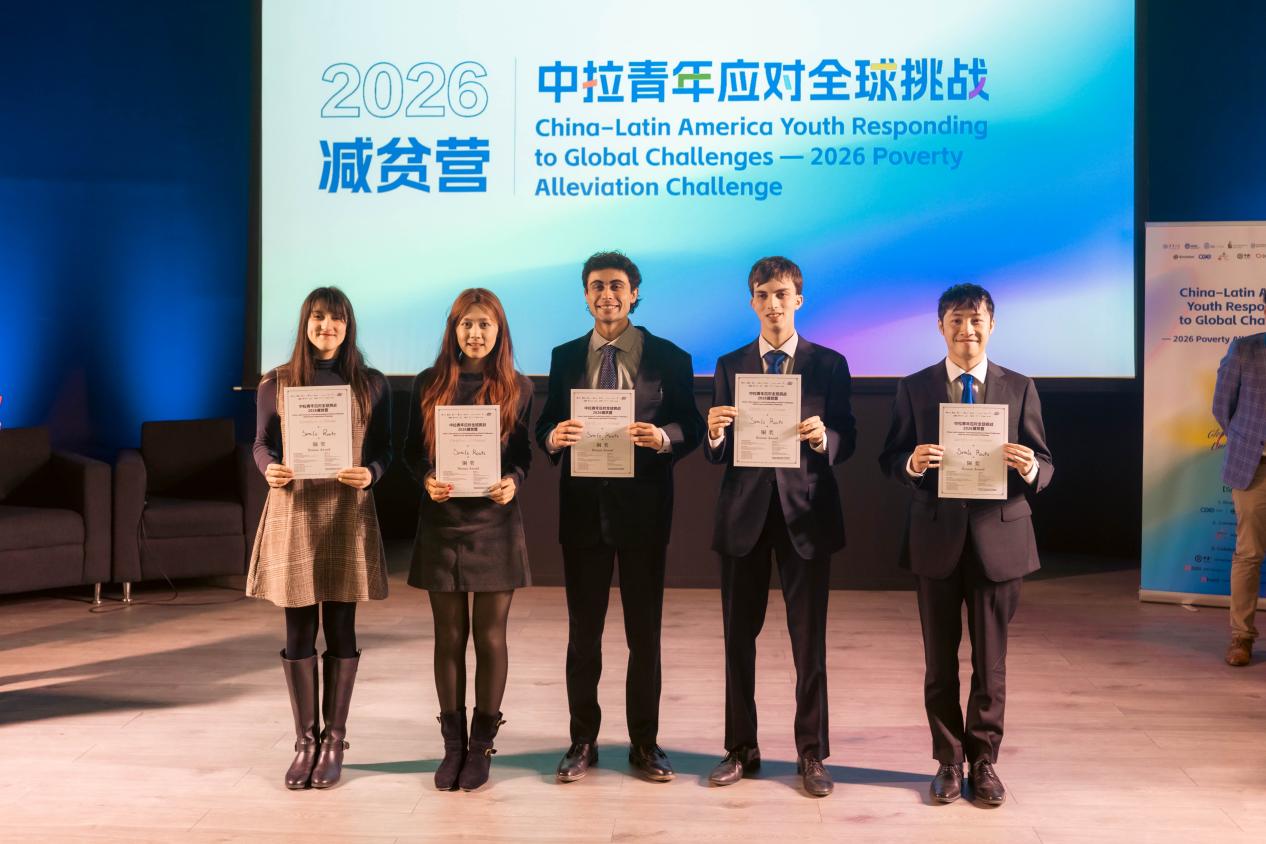
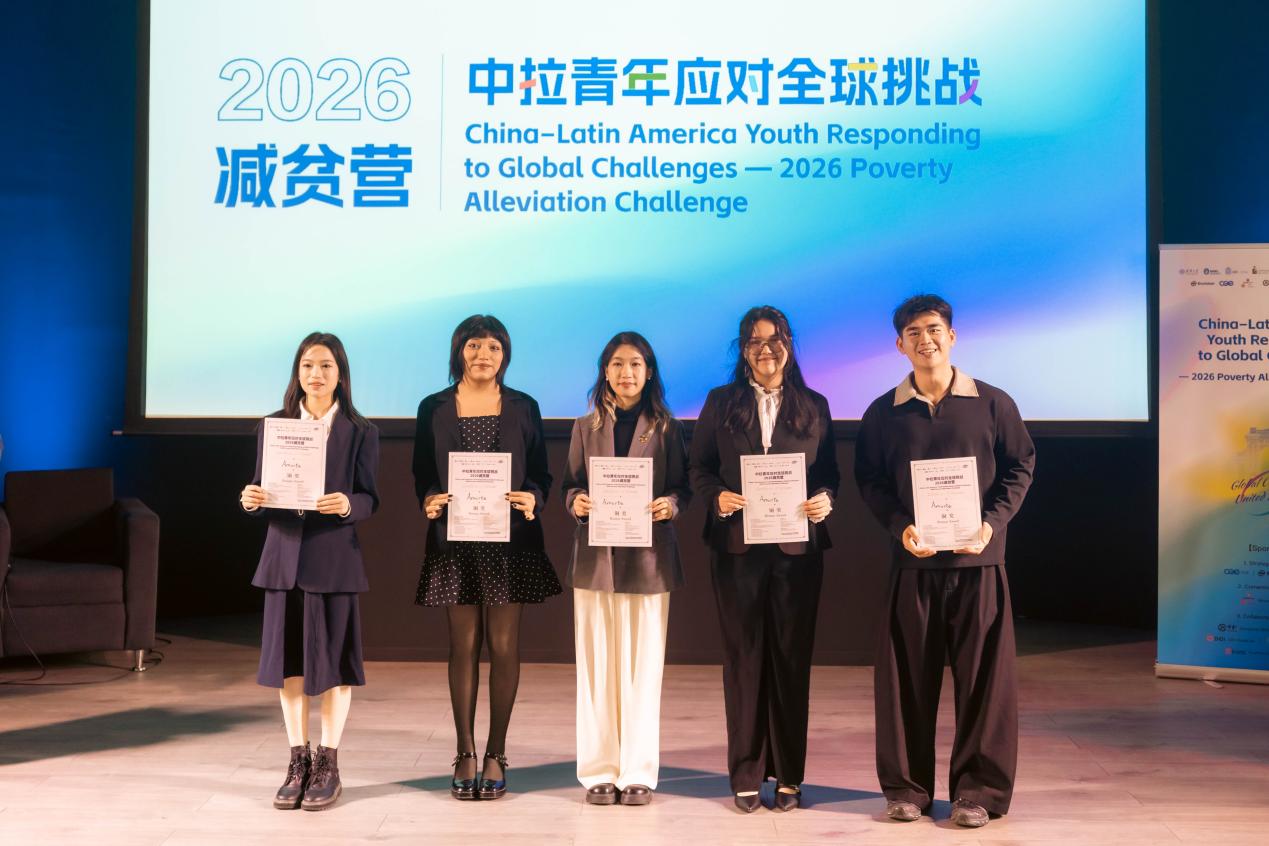
Figure: Bronze Award Ceremony
In addition, six teams—Solar Paca, Modular Production Unit, Toque Saude, Ecocycle, Team VitalLink, and Crescendo—were presented with the Merit Award.
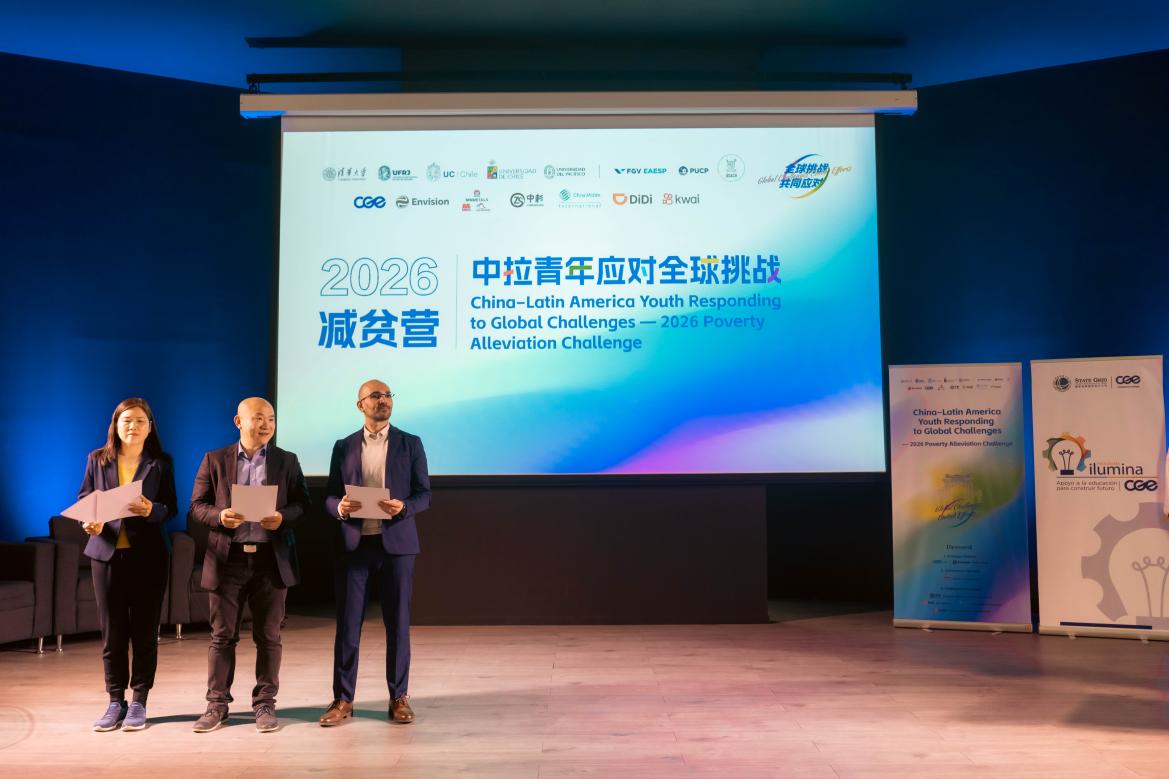
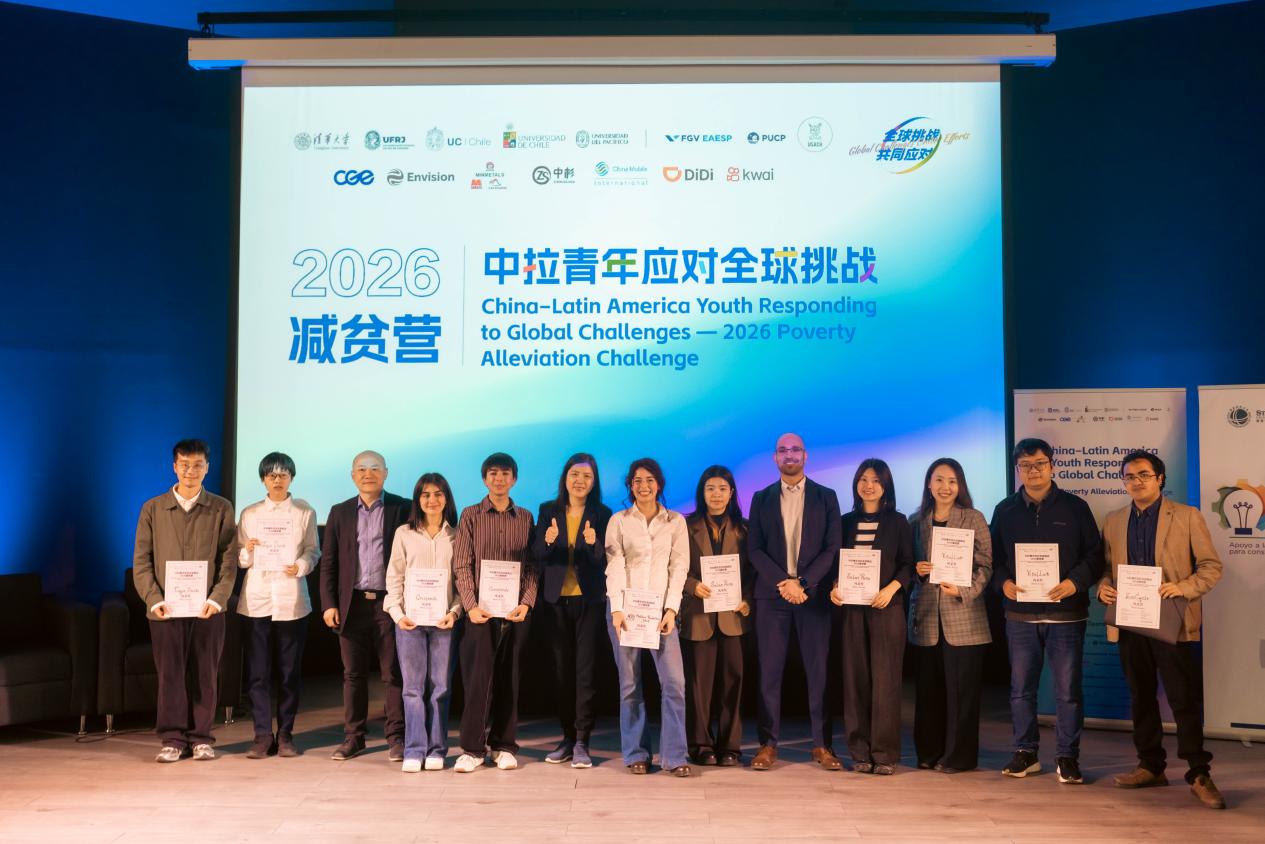
Figure: Merit Award Ceremony
In the closing speech of the final, Raúl Berríos, Dean of the Faculty of Administration and Economics at the Universidad de Santiago de Chile (USACH), expressed his affirmation of the three-day event, praising the students for facing poverty issues with a spirit of innovation and collaboration. He pointed out that although the current global situation is full of uncertainty, the youth have proved through their actions that solidarity is an effective way to solve social problems. The university felt deeply honored to host the final and welcomed all parties to consider the school as their “second home”. He emphasized that knowledge accumulation, teamwork, and continuous innovation are the key paths to driving future development.
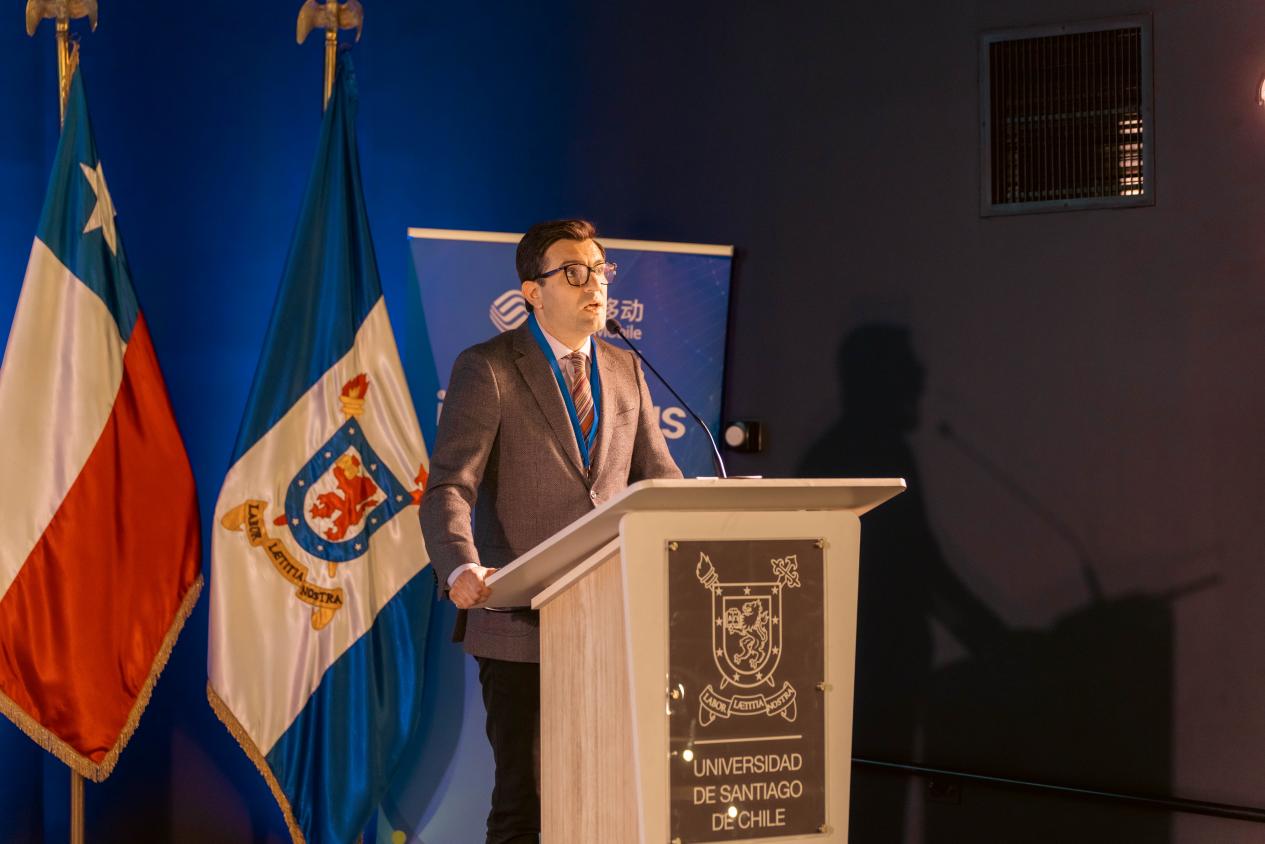
Figure: Raúl Berríos delivering the closing speech
Maribel Florez, Director of the Global Learning Office of the Office of the Vice President for International Affairs at Pontificia Universidad Católica de Chile (UC), stated that this year’s “Poverty Alleviation Challenge” projects were more mature and addressed even more challenging issues. She pointed out that participating students acquired comprehensive skills of long-term value in areas such as cross-cultural communication, logical thinking, and public speaking. She encouraged students to seize opportunities, maintain communication with their mentors, and effectively push for project implementation, expressing her expectation that the relevant innovative solutions would soon be transformed into practical results.
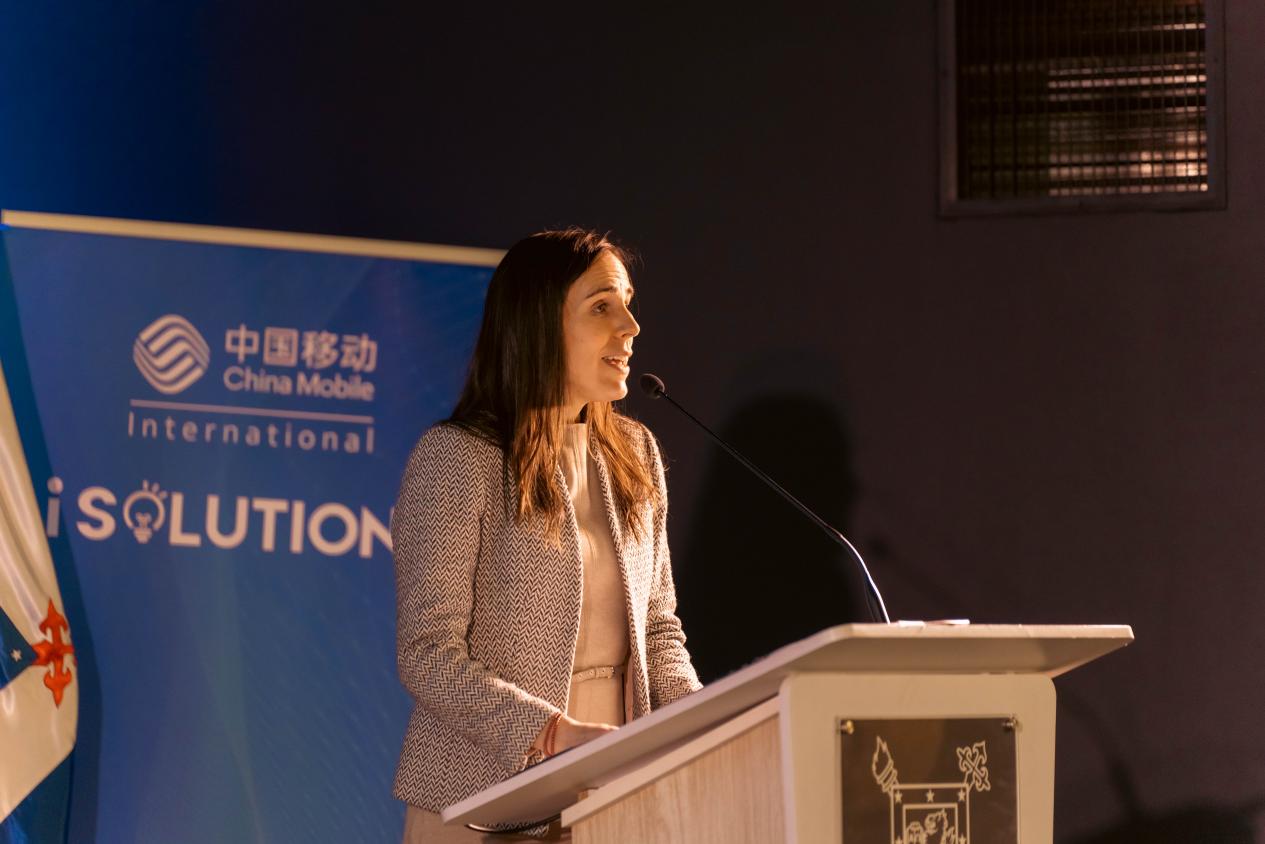
Figure: Maribel Florez delivering her closing speech
Chen Taotao, Professor of Department of Finance at the School of Economics and Management (SEM) of Tsinghua University, Director of the Tsinghua University Latin America Center, and Director of the Center for China-Latin America Management Studies at SEM, congratulated the winning students in her concluding remarks and invited them to visit China for exchange in January of next year. She noted that the current task is not yet complete and emphasized the need for continued efforts to provide intelligent solutions for vulnerable groups, expressing her hope that China and Latin America could join hands to build a community full of care and trust, always carrying the mission of poverty alleviation. She also expressed her gratitude to the partner universities, enterprises, embassies, project teams, and all service and support personnel from various countries.
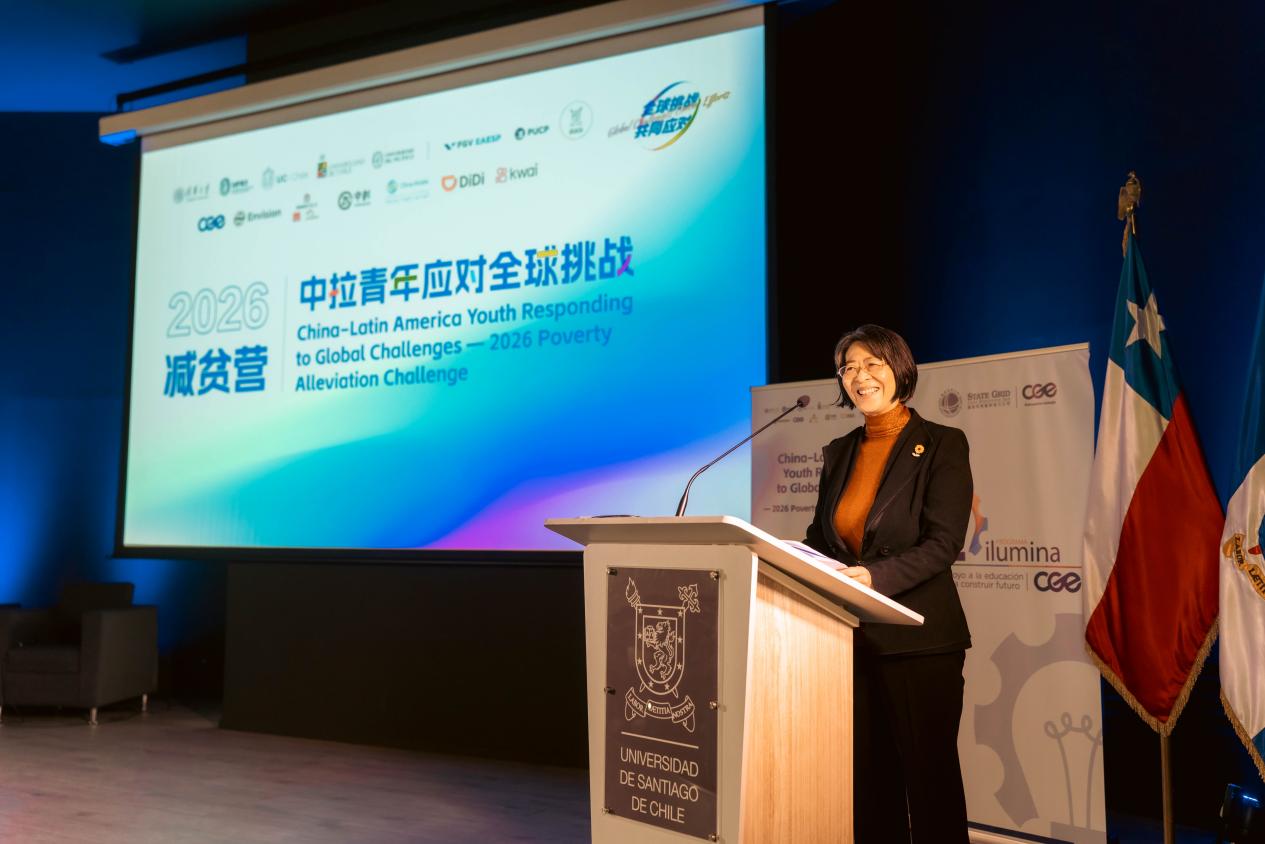
Figure: Professor Chen Taotao, Director of the Tsinghua University Latin America Center, delivering the closing speech
The Chile Station Final of the “China-Latin America Youth Responding to Global Challenges: 2026 Poverty Alleviation Challenge” has successfully concluded. This event brought together young students from multiple countries and diverse professional and cultural backgrounds, while also inviting experts from both academia and industry to participate. Participating faculty and students engaged in in-depth exchanges and discussions regarding global poverty alleviation issues. While deepening their understanding of the poverty reduction cause, the event effectively promoted the sharing of international experiences and the innovative integration of solutions.