China-Latin America Youth Responding to Global Challenges: 2026 Poverty Alleviation Challenge
Brazil Station Final
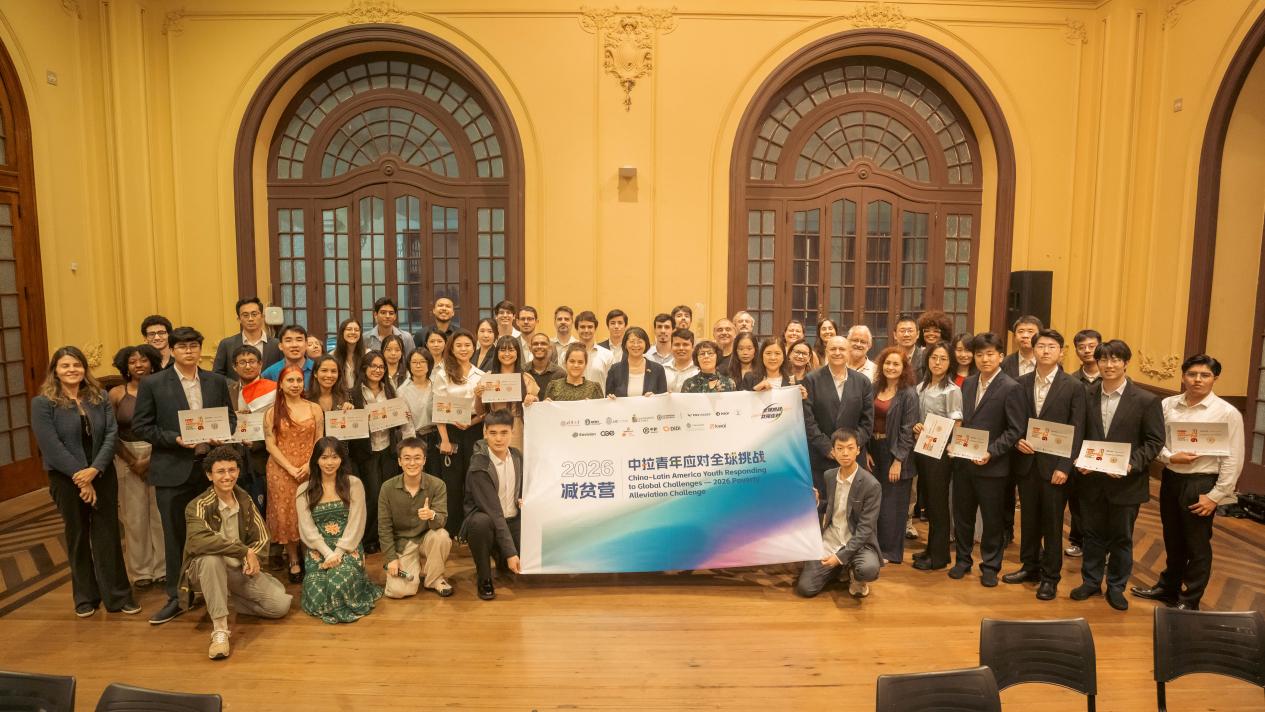
Figure: Group photo of distinguished guests, judges, participating teams, and staff
About the “Poverty Alleviation Challenge”
Poverty alleviation is both a common challenge faced by developing countries and a shared global concern. In 2024, the Tsinghua University Latin America Center, the Research Center for China-Latin America Management Studies, School of Economics and Management, Tsinghua University, and the Center for Global Competence Development at Tsinghua University, in collaboration with Latin American university partners, successfully launched and implemented the “China-Latin America Youth Responding to Global Challenges — 2024 Poverty Alleviation Challenge” (hereinafter referred to as the “Poverty Alleviation Challenge”) in China (Tsinghua), Brazil, and Chile. This initiative fostered extensive university-led dialogue on poverty alleviation across China and Latin America. In November of the same year, during President Xi Jinping’s state visit to Brazil and his attendance at the 19th G20 Leaders’ Summit, Party Secretary Qiu Yong of Tsinghua University and the Rector of Universidade Federal do Rio de Janeiro (UFRJ) signed a cooperation agreement on the “China-Latin America Youth Responding to Global Challenges” program. This agreement was included in the official list of outcomes of President Xi’s visit to Brazil, becoming a landmark initiative for China-Latin America win-win development led by Tsinghua University. The 2026 Poverty Alleviation Challenge is co-hosted by founding organizers including Tsinghua University, Universidade Federal do Rio de Janeiro (UFRJ), Pontificia Universidad Católica de Chile (UC), Universidad de Chile, and Universidad del Pacífico (Peru). The program is jointly organized by the Embassy of China in Brazil, the Fundação Getulio Vargas (FGV) EAESP, Universidad de Santiago de Chile (USACH), and Pontificia Universidad Católica del Perú (PUCP).
The 2026 Poverty Alleviation Challenge has attracted over 666 young participants from 88 universities and corporate institutions in China, Brazil, Chile, and Peru, forming 119 teams. The Challenge consists of two stages—the “Preliminary Round” and the “International Final”—aiming to promote cross-cultural communication and collaboration while inspiring the innovative thinking and practical capabilities of global youth in the field of poverty alleviation. In June 2026, the Preliminary Round of the “2026 Poverty Alleviation Challenge” was successfully held. With Tsinghua University serving as the primary offline venue, participants from Latin American countries took part through a combination of online and offline participation. Following a rigorous selection process, 12 outstanding teams advanced to the International Final. From August 12 to 14, Brazil time, the Brazil Final of the “China-Latin America Youth Responding to Global Challenges — 2026 Poverty Alleviation Challenge” was held at Universidade Federal do Rio de Janeiro (UFRJ). During the final stage, participating teams will engage in a series of challenging activities, including ice-breaking sessions, field research, poverty alleviation seminars, mentorship sessions, and the design and presentation of poverty alleviation solutions.
The 2026 Poverty Alleviation Challenge received support from the Embassy of China in Brazil, the Consulate General of China in Rio de Janeiro, the Embassy of Brazil in China, the Embassy of China in Chile, the Embassy of Chile in China, the Embassy of China in Peru, and the Embassy of Peru in China. Leading Chinese and international companies and institutions, including Envision Group, CGE Group (Chile), Minera Las Bambas S.A. (Peru), Zhongshan (Beijing) Cultural Industry Co., Ltd., DiDi, China Mobile International (Chile), Kuaishou International Business (KSIB), and the Luksic Scholars Foundation, also provided important support for the program.
On August 14, 2026, Brazil time, the project evaluation for the final of the “China-Latin America Youth Responding to Global Challenges — 2026 Poverty Alleviation Challenge” was held at the Universidade Federal do Rio de Janeiro (UFRJ).
The final was attended by guests including Roberto Medronho, Rector of UFRJ; João Torres de Mello Neto, Vice Rector of UFRJ;Chen Taotao, Director of the Latin America Center, Tsinghua University, Professor of the School of Economics and Management, Tsinghua University, and Director of the Research Center for China-Latin America Management Studies, School of Economics and Management, Tsinghua University; Ana Célia Castro, Director of the Institute for Advanced Studies at the Federal University of Rio de Janeiro (UFRJ); Senior Fellow at the Brazilian Center of International Relations (CEBRI); and President of the Brazilian Forum for Advanced Studies.
Delivering remarks via video link were Yang Bin, Member of the Standing Committee of the Party Committee, Vice President, and Professor of Tsinghua University; Zhu Qingqiao, Ambassador of China to Brazil; Marcos Galvão, Ambassador of Brazil to China; Song Yang, Ambassador of China to Peru; Cynthia Sanborn, Director of the Center for China and Asia-Pacific and Full Professor of the Department of Social and Political Sciences at Universidad del Pacífico (Peru); Lv Xingcan, representative of Envision Group; and Oscar Gaggero, Superintendent Domestic Corporate Affairs of Minera Las Bambas S.A..
Serving as judges were experts and scholars including Jamie Coats, Senior Partner of Wise Decisio; Andréa Daher, Professor of UFRJ; Roberto Emery, Social Responsibility Expert of Petrobras; Silvia Díaz Furtado, Head of R&D and Innovation Programs and Professor at the Technological University of Uruguay; Shao Lei, Dean of Institute for Accessibility Development at Tsinghua University; Jiao Yang, Researcher of Future Laboratory of Tsinghua University; and Marco Nascimento, Professor of UFRJ.
More than 60 students and faculty from Tsinghua University, UFRJ, and other Chinese and Latin American universities participated in the final. The session was moderated by Professor José Orlando Gomes, Associate Dean for International Affairs at the School of Engineering and Professor of the Department of Industrial Engineering at the Federal University of Rio de Janeiro (UFRJ).
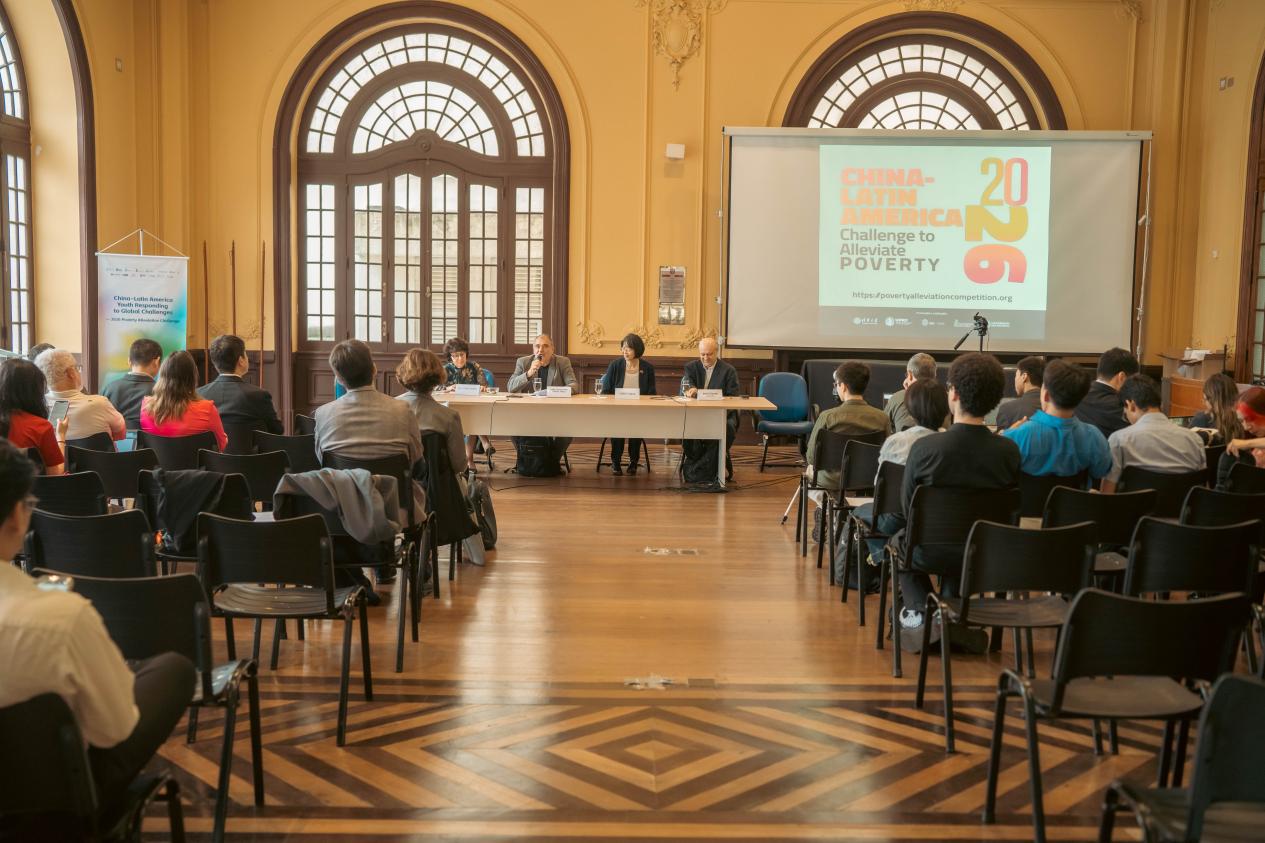
Figure: Scene of the Final
At the beginning of the event, João Torres de Mello Neto, Vice Rector of the Federal University of Rio de Janeiro (UFRJ), delivered opening remarks, extending a warm welcome to the youth from China and Latin America who had traveled from afar. He shared his reflections on the university’s responsibility in responding to public issues, the significance of transnational youth cooperation, and the potential for innovative solutions to transition into community practice.
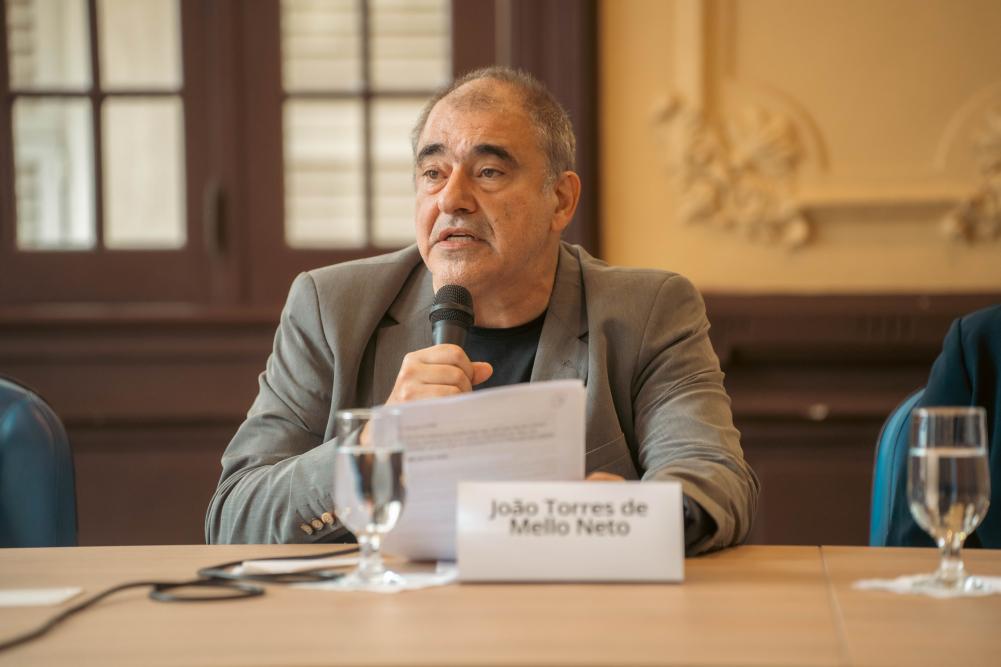
Figure: Opening remarks by João Torres de Mello Neto, Vice Rector, UFRJ
Yang Bin, Member of the Standing Committee of the Party Committee, Vice President, and Professor of Tsinghua University, delivered a speech via video link. He stated that in the face of the global challenge of poverty, youth need to cross disciplinary, national, and cultural boundaries to transform professional knowledge into actionable plans for real-world problems. He added that youth from China and Latin America should build deeper understanding and trust through joint learning, joint design, and joint practice.
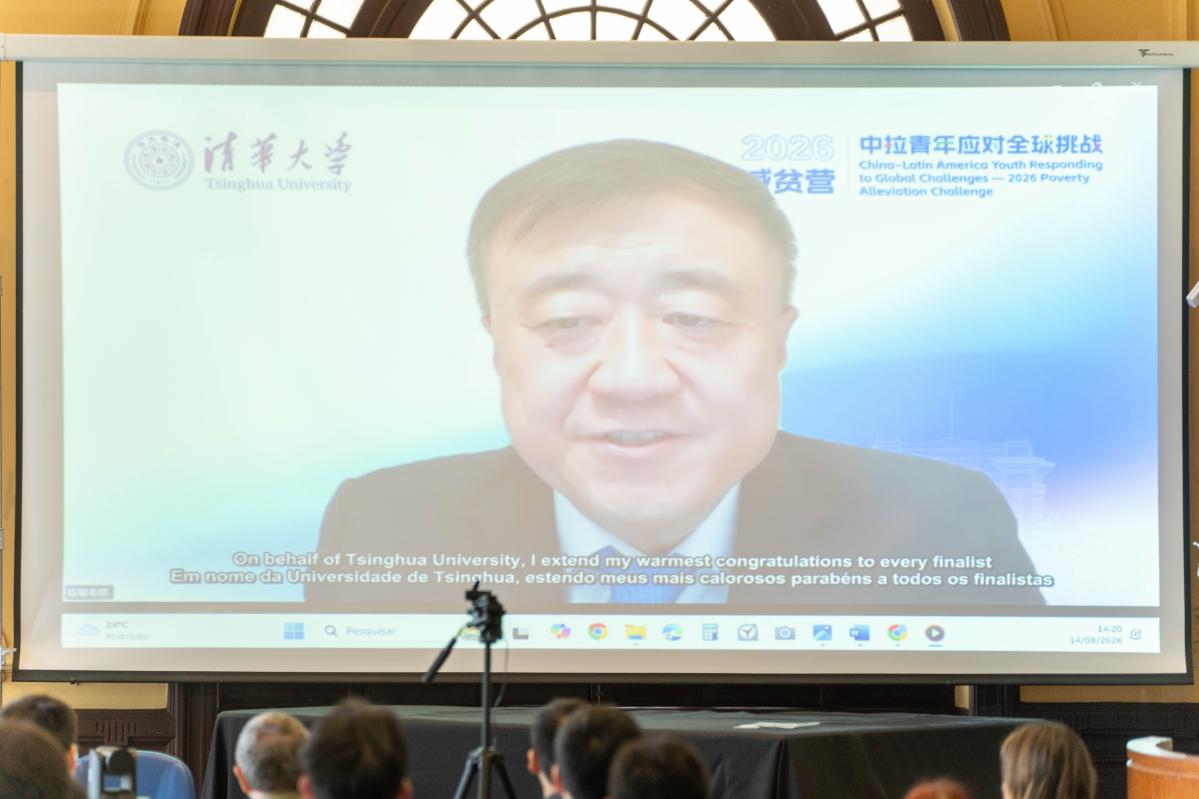
Figure: Video speech by Yang Bin, Vice President and Professor of Tsinghua University
Zhu Qingqiao, Ambassador of China to Brazil, delivered a message via pre-recorded video. He emphasized that Brazilian youth in the new era have a responsibility to propose creative and practical suggestions that align with this innovative age. He expressed his hope that the youth would broaden their horizons through mutual learning and exchange, spark new ideas in dialogue, and enhance their capabilities through practice. He encouraged them to transform innovative concepts into concrete actions to promote poverty alleviation and sustainable development.
Marcos Galvão, Ambassador of Brazil to China, stated in his video speech that by focusing on critical issues such as agricultural AI, rural water supply, clean energy, and the circular economy, the young students have demonstrated the youthful power needed to build a fairer world. He noted that youth play a decisive role in combining academic rigor with humanistic care and in driving the transformation of ideas into feasible solutions. He wished the Brazil Station Final a complete success and looked forward to the lasting impact of the participating projects.
Song Yang, Ambassador of China to Peru, remarked in his video speech that eliminating poverty is a shared dream of all humanity, and China’s achievements in poverty alleviation provide a valuable reference for developing countries. He stated that China is willing to deepen cooperation with Latin America in the field of poverty reduction and encouraged the youth to leverage their intelligence to create new achievements in this area.
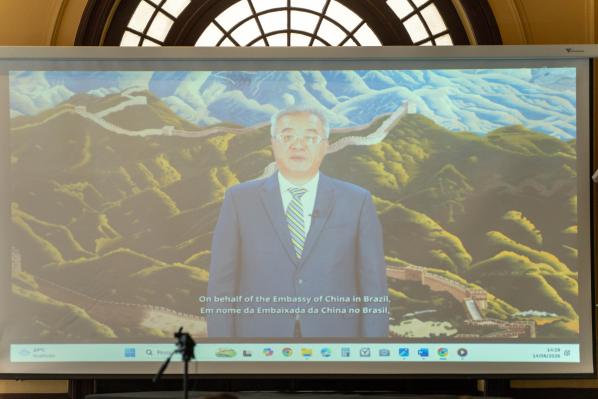
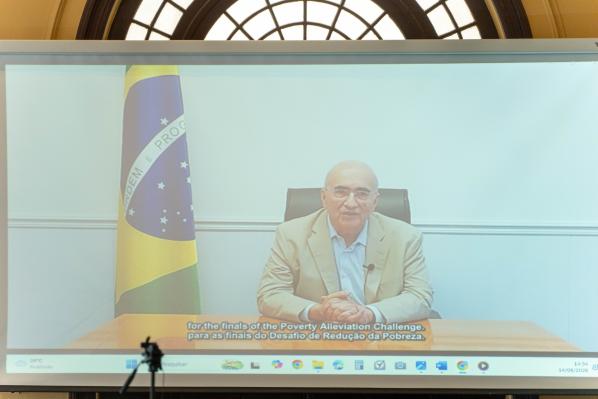
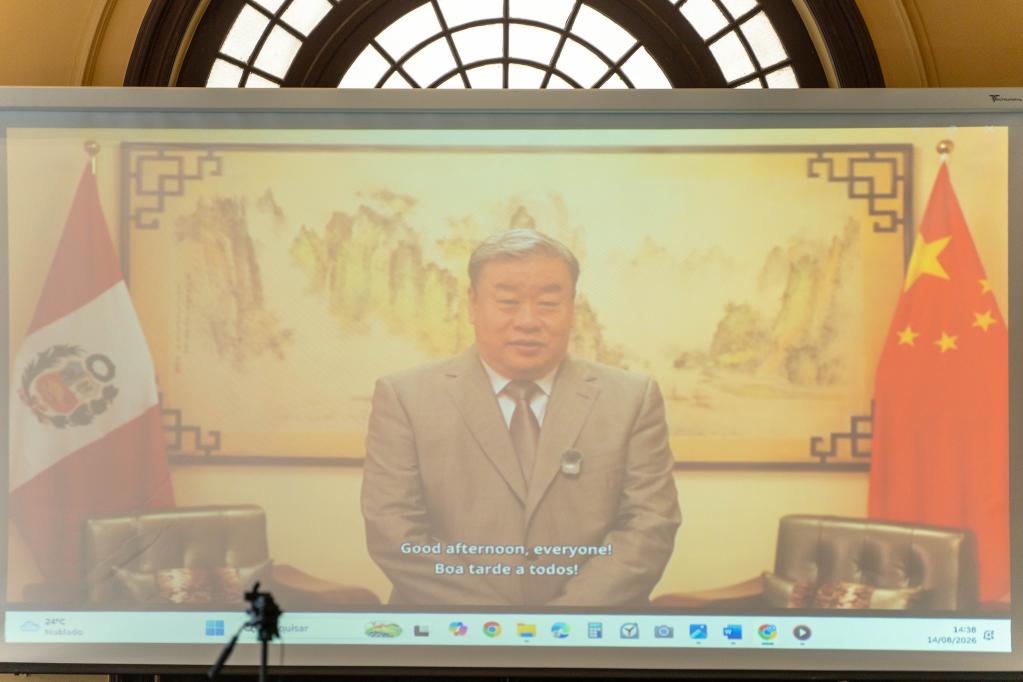
Figure: Top row from left: Zhu Qingqiao, Ambassador of China to Brazil, and Marcos Galvão, Ambassador of Brazil to China; Bottom: Song Yang, Ambassador of China to Peru
Cynthia Sanborn, Director of the Center for China and Asia-Pacific and Full Professor of the Department of Social and Political Sciences at Universidad del Pacífico (Peru), shared her message via video. She encouraged the participating teams to maintain a focus on community engagement, long-term sustainability, and the value of replicability and promotion of their solutions. Furthermore, she emphasized the innovative value of the Poverty Alleviation Challenge platform and encouraged Chinese and Latin American youth to conduct joint research and achieve shared growth.
Lv Xingcan, representative of Envision Group, delivered remarks centered on corporate innovation, green transformation, and social value creation. Oscar Gaggero, Superintendent Domestic Corporate Affairs, Minera Las Bambas S.A., combined his corporate experience on the ground to discuss the links between community needs, partnership collaboration, and project implementation.
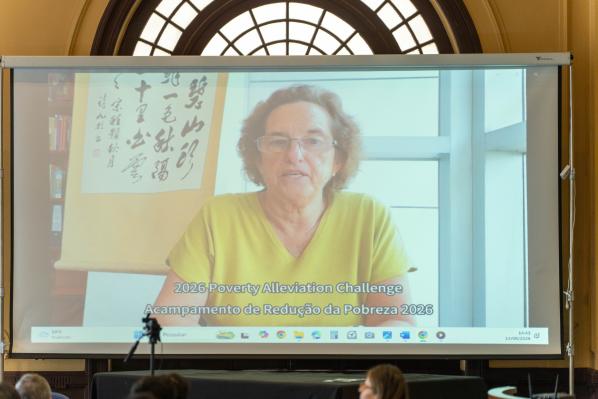
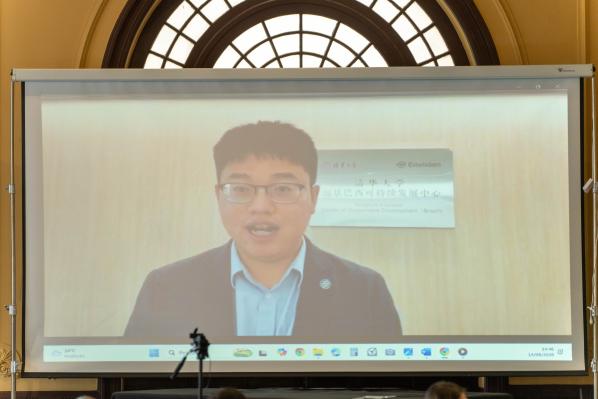
Figure: Left: Video speech by Cynthia Sanborn, Director, Center for China and Asia-Pacific, Universidad del Pacífico; Right: Video speech by Lv Xingcan, representative of Envision Group
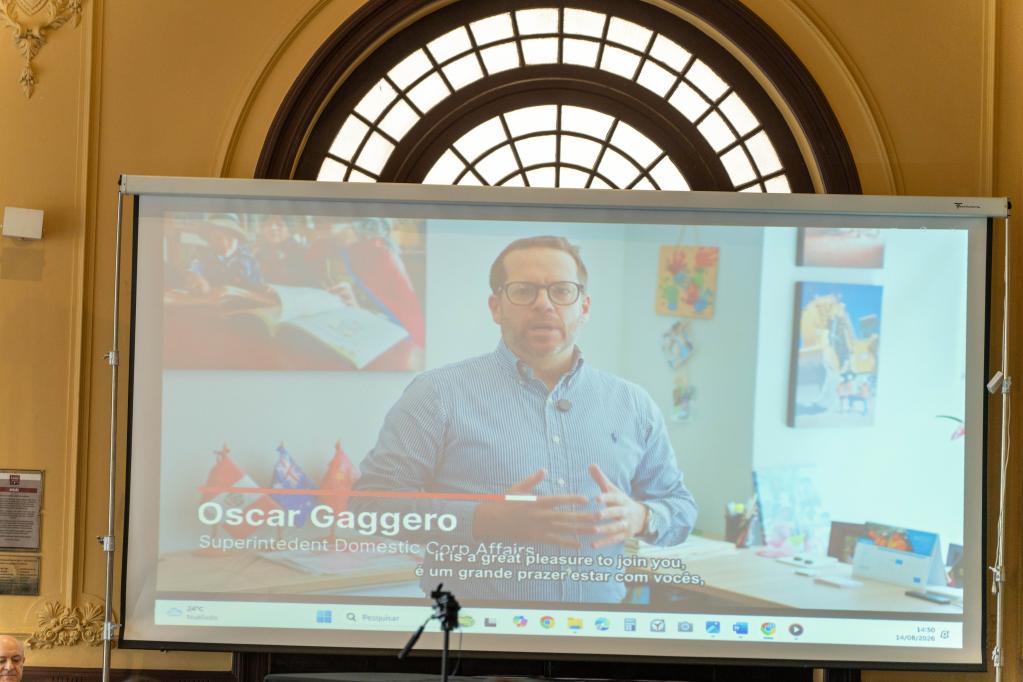
Figure: Video speech by Oscar Gaggero, Superintendent Domestic Corporate Affairs, Minera Las Bambas S.A.
The program then proceeded to the project presentation session. Six participating teams—BioYield Partners, EcoCycle, Farol, Lab Pau-Brasil, RAÍCES, and The Amazonians—took the stage in sequence to showcase their projects addressing poverty alleviation themes such as education empowerment, community industry, circular economy, public health, and agriculture and infrastructure. Combining preliminary research with cross-cultural perspectives, each team proposed solutions that balanced innovation, feasibility, and long-term impact. The judges conducted in-depth inquiries focusing on dimensions such as problem definition, project logic, stakeholder collaboration, financial sustainability, implementation paths, and experience transfer, with teams responding to each in turn.
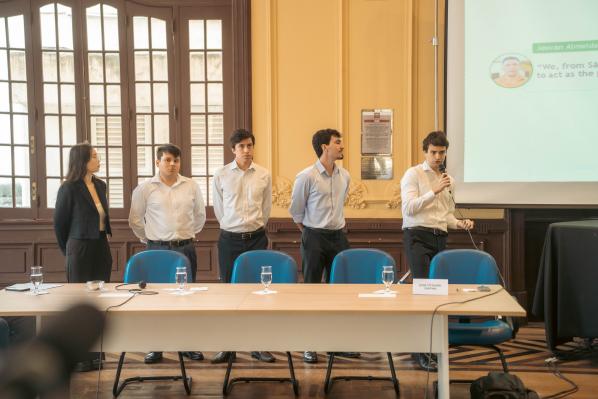
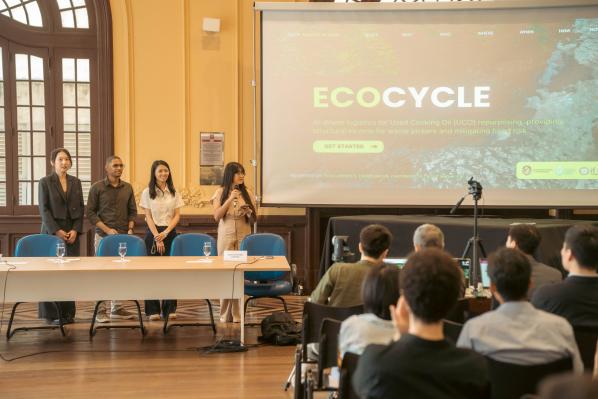
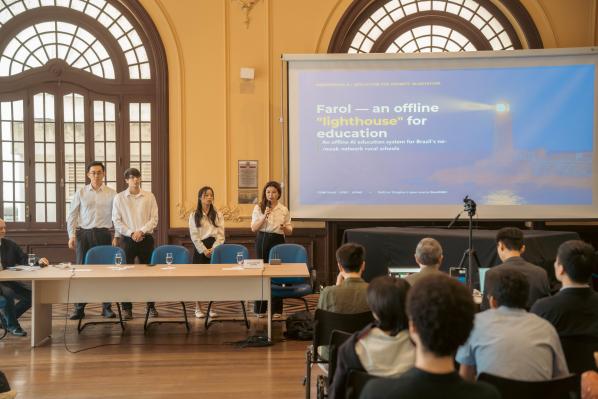
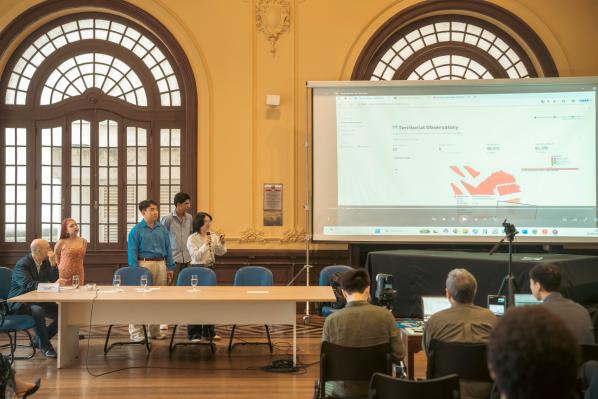
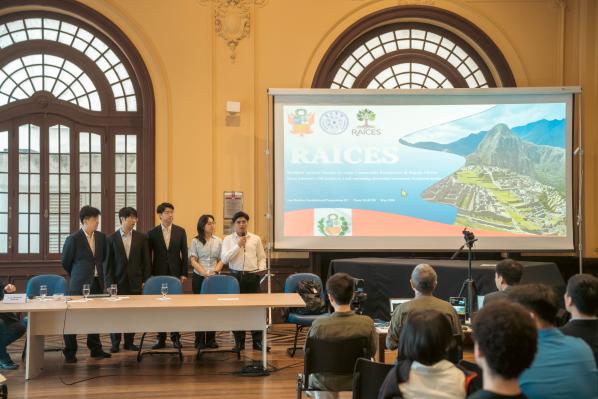
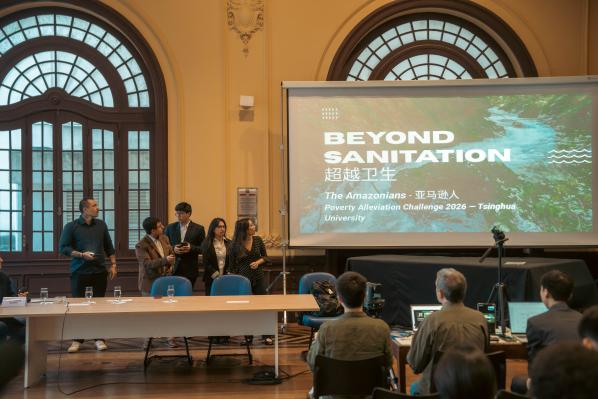
Figure: Six teams conducting project presentations and defense sessions in sequence (From top to bottom, left to right in each row: BioYield Partners, EcoCycle, Farol, Lab Pau-Brasil, RAÍCES, and The Amazonians)
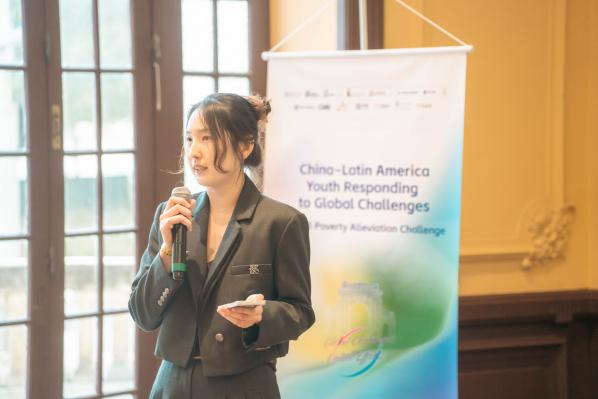
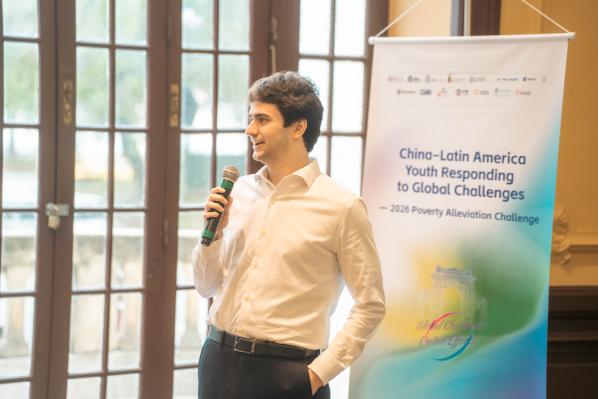
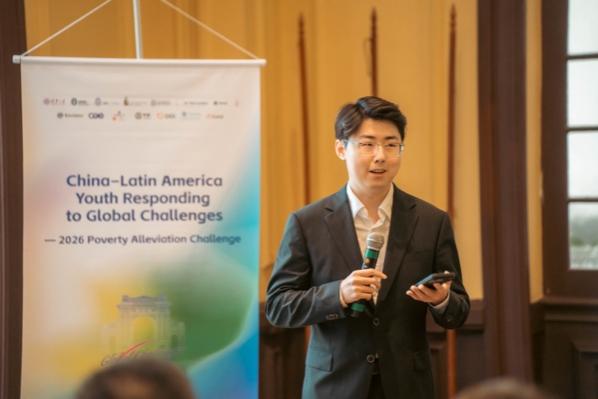
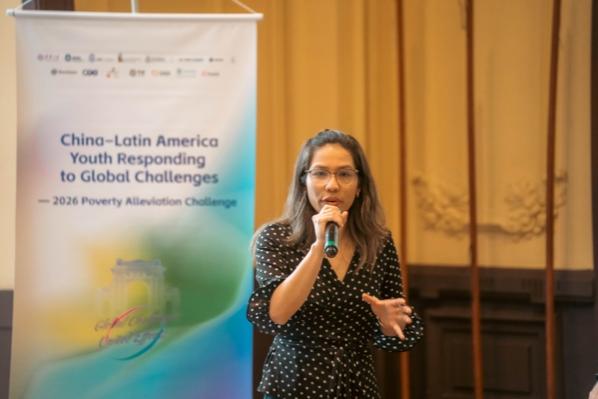
Figure: Participating students and guests sharing their impressions during the interaction session
After approximately three hours of presentations, judge inquiries, and on-site deliberations, the Sino-Peruvian transnational team RAÍCES, composed of students from Tsinghua University and the Pontificia Universidad Católica del Perú (PUCP), was awarded the Gold Award. RAÍCES is an acronym for “Resilient Andean Income through Community Enterprises and Supply Chains,” which aims to enhance the income resilience of residents in the Andean region through the establishment of community enterprises and supply chains. Using the Sacha Tarpuy community forestry project in the Apurímac region of Peru as a point of entry, the team addressed the anticipated mining exit window around 2039, proposing a strategic path to help 34 farming communities transition from corporate dependence toward self-sustaining, community-owned livelihood systems.
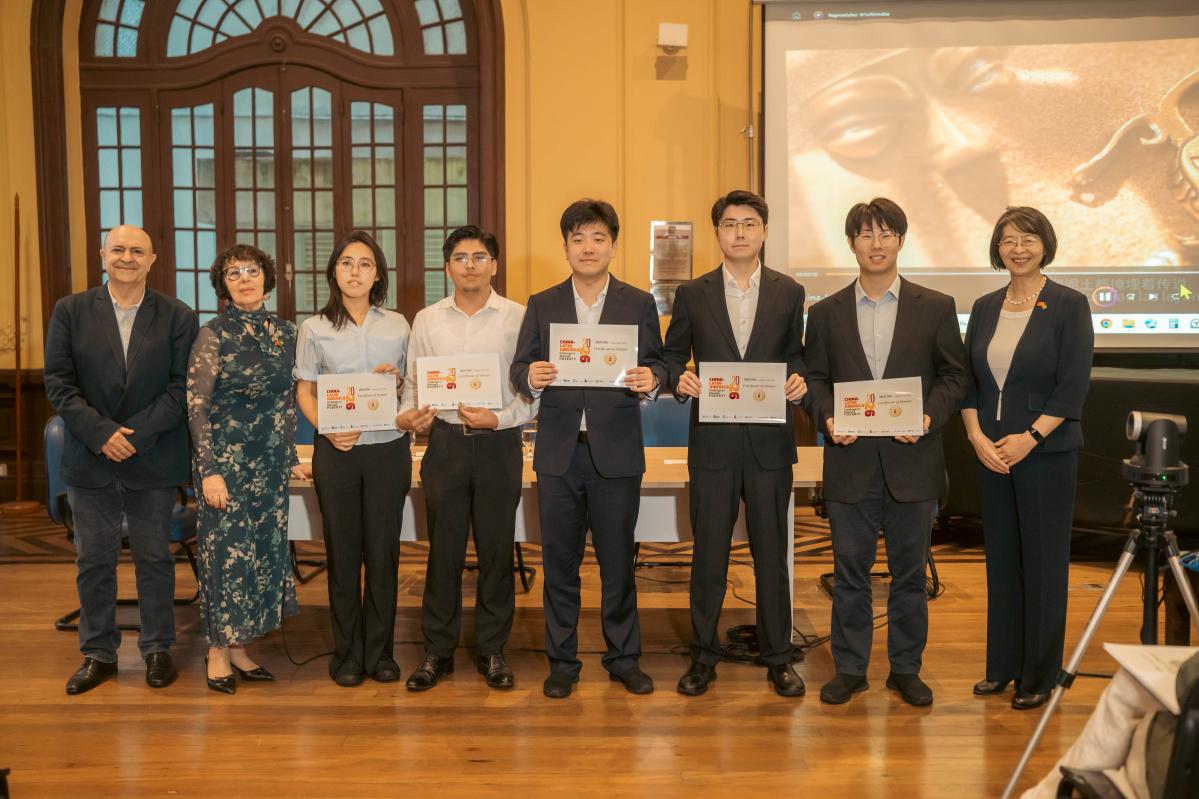
Figure: Team RAÍCES winning the Gold Award
Farol and The Amazonians were awarded second and third place respectively, receiving the Silver Awards.
The Farol team created an offline AI education system for Brazil’s rural schools, specifically targeting approximately 9,000 schools without network coverage. Utilizing an offline box with a built-in battery that broadcasts its own WiFi and runs a localized Portuguese AI model, the system provides a two-track service for both classroom teaching and after-school community learning. The project is operated by a local Brazilian civil society organization (OSC) and has already confirmed its pilot school in Minas Gerais.
The Amazonians team focused on the Cahuanaciza indigenous community in the Peruvian Amazon to address a double poverty trap caused by the pollution of their only water source: impaired child health and decreased cocoa export quality. Their solution integrates AguaClara gravity water treatment technology with off-grid solar energy and edge AI monitoring, achieving sustainable operations through community autonomy, multi-party collaboration, and local training.
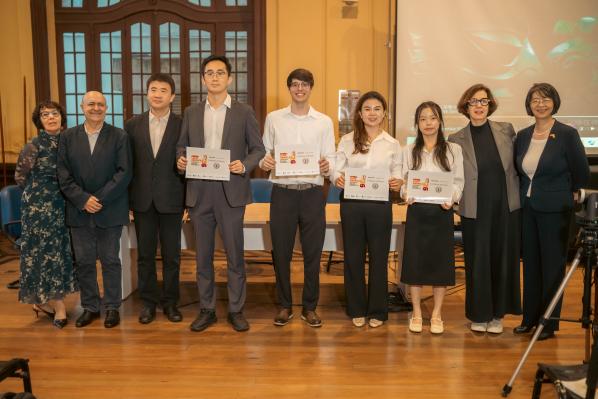
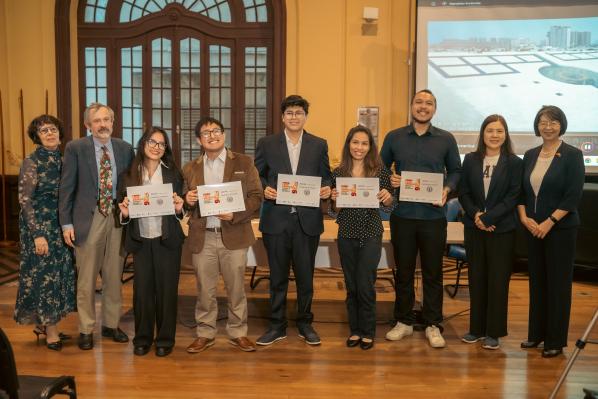
Figure: Award ceremony for the Silver Award teams (Farol and The Amazonians)
EcoCycle, Lab Pau-Brasil, and BioYield Partners were awarded fourth, fifth, and sixth place respectively, receiving the Bronze Awards.
The EcoCycle team is dedicated to building a circular economy recycling network for waste cooking oil in the Pavuna-Meriti basin of Rio de Janeiro, Brazil. The project aims to solve the “last mile” collection challenge and improve recycling efficiency. By establishing this recycling network, the team creates sustainable income for vulnerable collectors, promotes ecological restoration and poverty alleviation, and contributes to the achievement of the United Nations Sustainable Development Goals.
The Lab Pau-Brasil team targets vulnerable households in the West Zone of Rio de Janeiro where food insecurity and heat risks overlap. Utilizing satellite thermal infrared data for precise positioning, they deploy a Sichuan strip-intercropping system on 10 square meters of idle concrete ground. By utilizing community-embedded markets to absorb surplus output, the project strives to simultaneously alleviate the three major local challenges: food access, extreme heat, and low income.
The BioYield Partners team developed an AI-driven platform, using the Quilombola community of São Manoel in the state of Pará, Brazil, as a pilot. The project connects a multi-stakeholder mechanism including farmers, enterprises, governments, financial institutions, and universities to provide financing, technology, market access, and traceability support for agroforestry systems. It aims to transform forest resources into sustainable income, helping the community break free from five centuries of structural poverty.
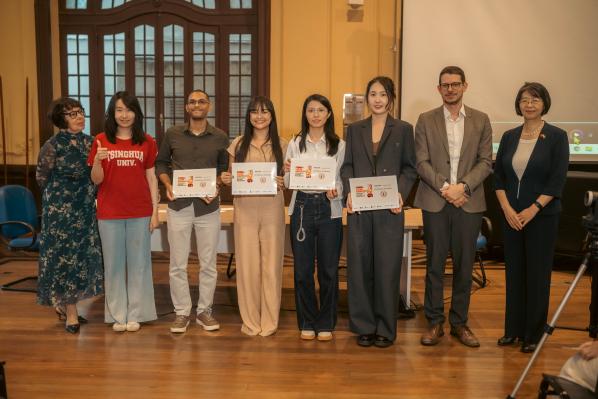
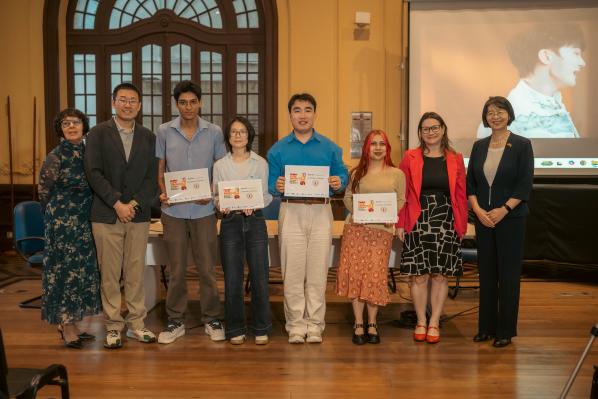
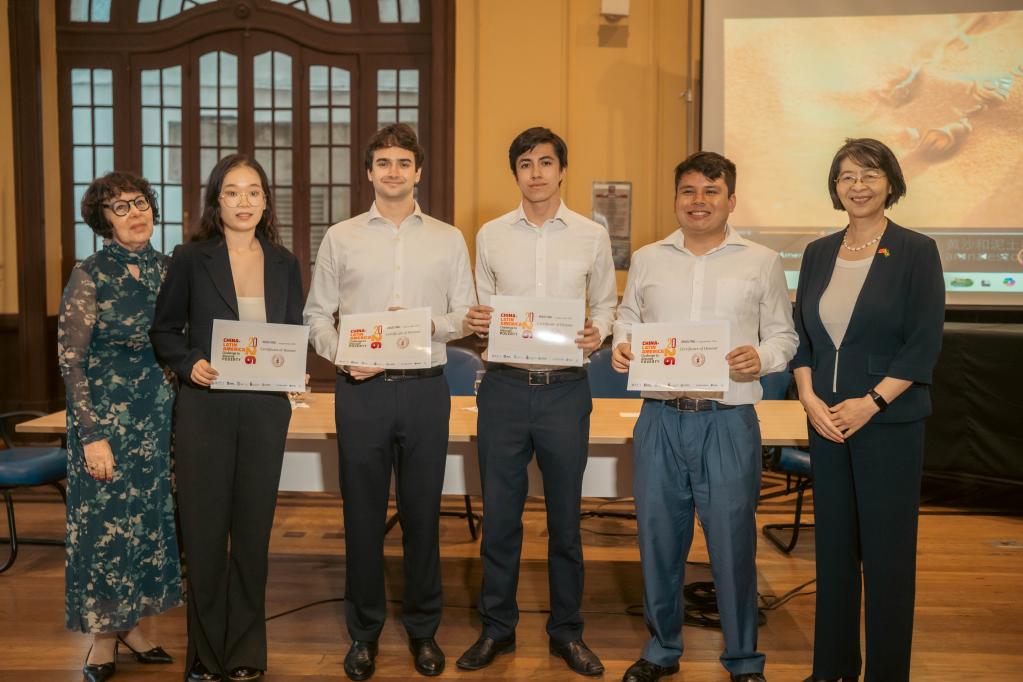
Figure: Award ceremony for the Bronze Award teams (EcoCycle, Lab Pau-Brasil, and BioYield Partners)
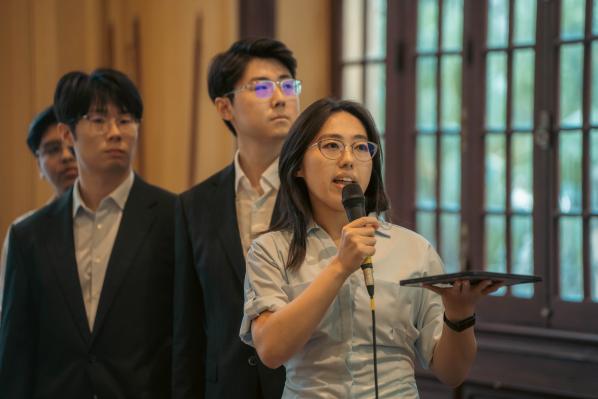
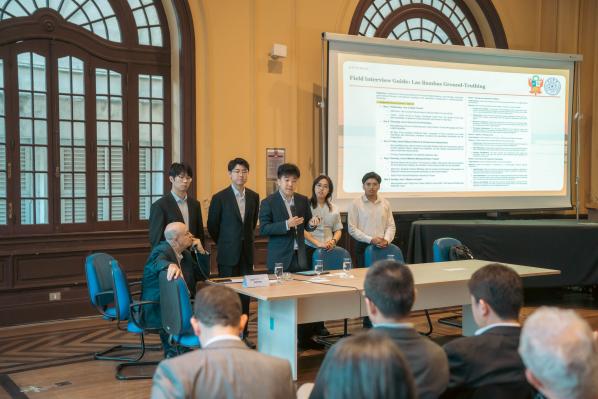
Figure: Team RAÍCES conducting project presentation and defense
In the closing remarks of the final, Professor Chen Taotao, Director of the Latin America Center, Tsinghua University; Professor of the School of Economics and Management (SEM), Tsinghua University; and Director of the Center for China–Latin America Management Studies, SEM, Tsinghua University, congratulated the winning teams and extended her gratitude to the organizers, judges, mentors, and staff. She encouraged the youth to extend the cross-cultural cooperation from the competition into long-term learning and practice, maintaining continuous research to further deepen their innovative solutions and valuable transnational partnerships.
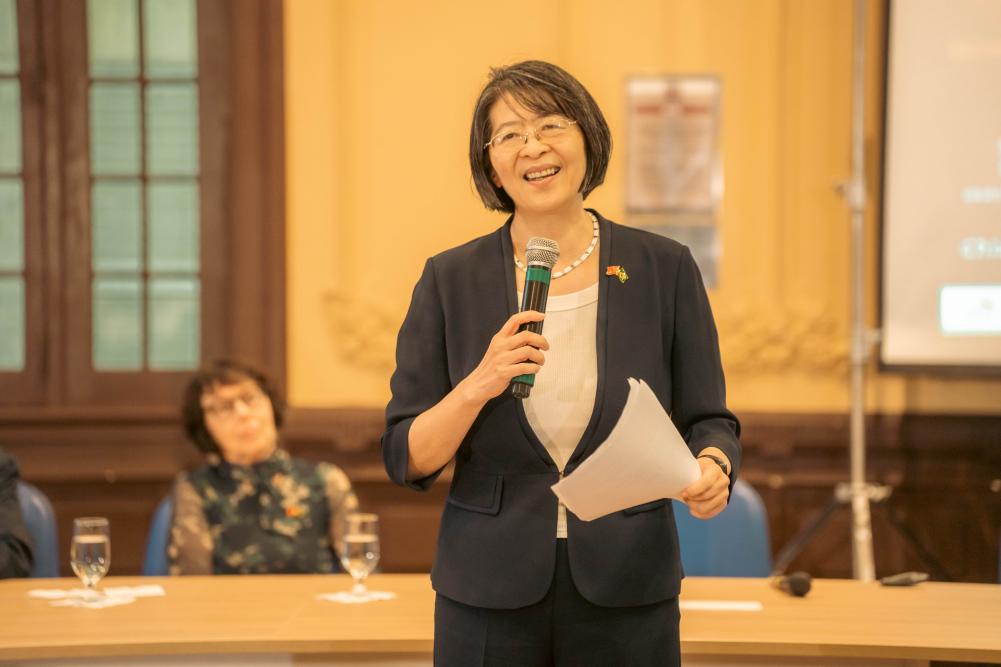
Figure: Chen Taotao, Director of the Latin America Center, Tsinghua University, delivering closing remarks
Professor Ana Célia Castro, Director of the Institute for Advanced Studies, UFRJ; Senior Fellow at the Brazilian Center of International Relations (CEBRI); and President of the Brazilian Forum for Advanced Studies, congratulated all participating teams and thanked the professors and expert judges for providing professional support. She emphasized that the value of the projects lies not only in proposing ideas but also in continuously advancing implementation. She expressed her expectation for teams to further strengthen interaction and cooperation to drive the landing of poverty alleviation projects and attract more stakeholders to join.
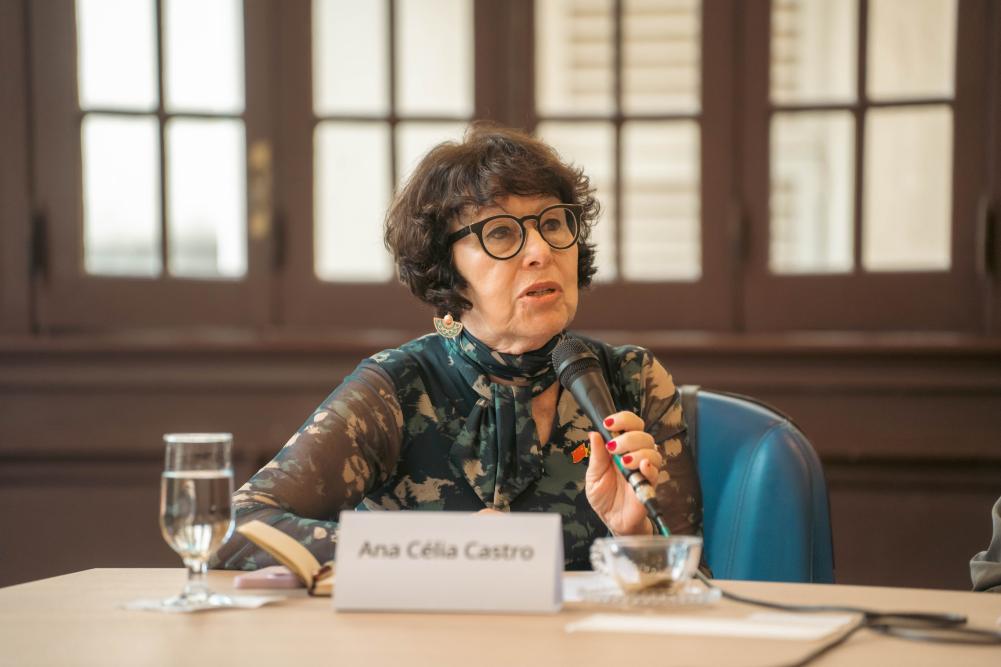
Figure: Ana Célia Castro, Director of the Institute for Advanced Studies, UFRJ, speaking at the event
With this, the Brazil Station Final of the “China-Latin America Youth Responding to Global Challenges — 2026 Poverty Alleviation Challenge” successfully concluded amidst warm exchanges between participating students, guests, and expert judges. A total of 1 Gold Award, 2 Silver Awards, and 3 Bronze Awards were presented at this year’s Brazil competition site. Young students from different countries, professional fields, and cultural backgrounds gathered together, combining classroom knowledge, community research, and international collaboration experience to explore innovative paths for poverty alleviation. In the future, Chinese and Latin American youth will continue to promote the implementation of their solutions, transforming the consensus on poverty alleviation into sustainable, replicable, and sharable practical results with an inclusive mindset and proactive actions.