China-Latin America Youth Responding to Global Challenges
Join the 2026 Poverty Alleviation Challenge
Discover poverty in your community
Co-explore solutions for poverty alleviation
Over 10 outstanding teams expected
Top teams to receive up to 100% reimbursement for flights and accommodationTravel to Brazil or Chile for cross-cultural exchange
About the "Poverty Alleviation Challenge"Poverty alleviation is a common challenge for developing countries and the world at large. In 2024, the Tsinghua University Latin America Center, the China-Latin America Management Research Center of Tsinghua University School of Economics and Management, and the Tsinghua Student Global Competence Development Guidance Center, in collaboration with Latin American university partners, launched the "China-Latin America Youth Responding to Global Challenges—2024 Poverty Alleviation Challenge" in China, Brazil, and Chile, sparking a wave of university-led poverty alleviation dialogues between China and Latin America. In November of the same year, during Chinese President Xi Jinping's visit to Brazil for the G20 Summit and a state visit, Tsinghua University and the Federal University of Rio de Janeiro signed a cooperation agreement for this project. The agreement was included in the list of outcomes of the visit, becoming a landmark project for mutually beneficial development between China and Latin America. Building on this foundation, the "2025 Poverty Alleviation Challenge," jointly organized by Tsinghua University and Latin American partner institutions, attracted over 310 faculty members and students from 27 universities and enterprises across four countries (China, Brazil, Chile, Peru), with 12 teams advancing to the finals and traveling to Chile and Brazil for the international competition.
The "2026 Poverty Alleviation Challenge" will build upon the 2025 edition with greater innovation, injecting new momentum into global poverty alleviation efforts. Through transnational team formation, competitions, and field studies, it aims to gather the strength of Chinese and Latin American youth to explore poverty alleviation solutions. Winning teams will also receive opportunities to travel to Latin America for study and exchange. If you aspire to inject new energy into global poverty alleviation, now is the best time to start.On the morning of April 11, 2026 (Beijing Time), the information session and ice-breaking class for the "China-Latin America Youth Responding to Global Challenges—2026 Poverty Alleviation Challenge" were successfully held at Shunde Building, Tsinghua University. Attendees included Professor Tao Chen, Professor of Finance at Tsinghua University School of Economics and Management, Director of Tsinghua University Latin America Center and Director of Center for China-Latin America Management Studies at School of Economics and Management of Tsinghua University; Maria Montt, Vice President for International Affairs of the Pontifical Catholic University of Chile; Ana Celia Castro, Senior Researcher at the Brazilian Center for International Relations, Director of the Institute of Advanced Studies at the Federal University of Rio de Janeiro, and President of the Brazilian Forum of Advanced Studies; Alicia Salomone, Director of International Relations at the University of Chile; Cynthia Sanborn, Director of the China and Asia-Pacific Studies Center at the University of the Pacific (Peru); Ruben Tang, Director of the Asian Relations Office of the Academic Affairs Department for Institutional Relations at the Catholic University of Peru; Fang Wei, Deputy Chief Executive Officer of CGE; and Oscar Gaggero, Domestic Public Affairs Director of Minera Las Bambas S.A. The event attracted nearly 150 scholars, young students, and corporate representatives from Tsinghua University, Brazil, Chile, Peru, and other countries, participating both online and offline.
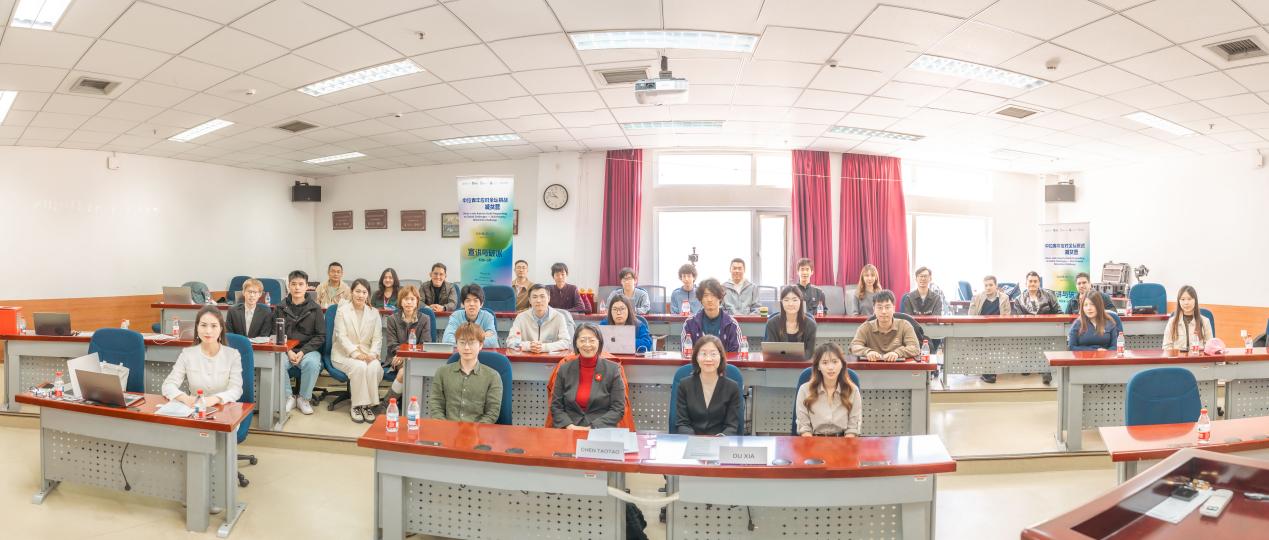
Photo: Group Photo from the Opening Ceremony of the "China-Latin America Youth Responding to Global Challenges—2026 Poverty Alleviation Challenge"
The "2026 Poverty Alleviation Challenge" is co-founded by Tsinghua University, the Federal University of Rio de Janeiro (Brazil), the Pontifical Catholic University of Chile, the University of Chile, and the University of the Pacific (Peru). Co-organizers include the Embassy of the People's Republic of China in the Federative Republic of Brazil, the São Paulo School of Business Administration of Fundação Getulio Vargas, and the Catholic University of Peru. The competition aims to build a cross-cultural exchange platform for Chinese and Latin American youth, encouraging students to leverage their professional expertise to build consensus through mutual learning and explore innovative solutions to global poverty challenges with youthful wisdom.
The "2026 Poverty Alleviation Challenge" receives support from the Embassy of the People's Republic of China in the Federative Republic of Brazil, the Consulate General of the People's Republic of China in Rio de Janeiro, the Embassy of the Federative Republic of Brazil in the People's Republic of China, the Embassy of the People's Republic of China in the Republic of Chile, the Embassy of the Republic of Chile in the People's Republic of China, the Embassy of the People's Republic of China in the Republic of Peru, and the Embassy of the Republic of Peru in the People's Republic of China. It also receives significant support from renowned domestic and international enterprises including Envision Group, CGE, Minera Las Bambas S.A., Zhongshan (Beijing) Culture Industry Co., Ltd., China Mobile International (Chile), Kuaishou International Business Department, and Bank of Communications Brazil (BOCOM BBM).
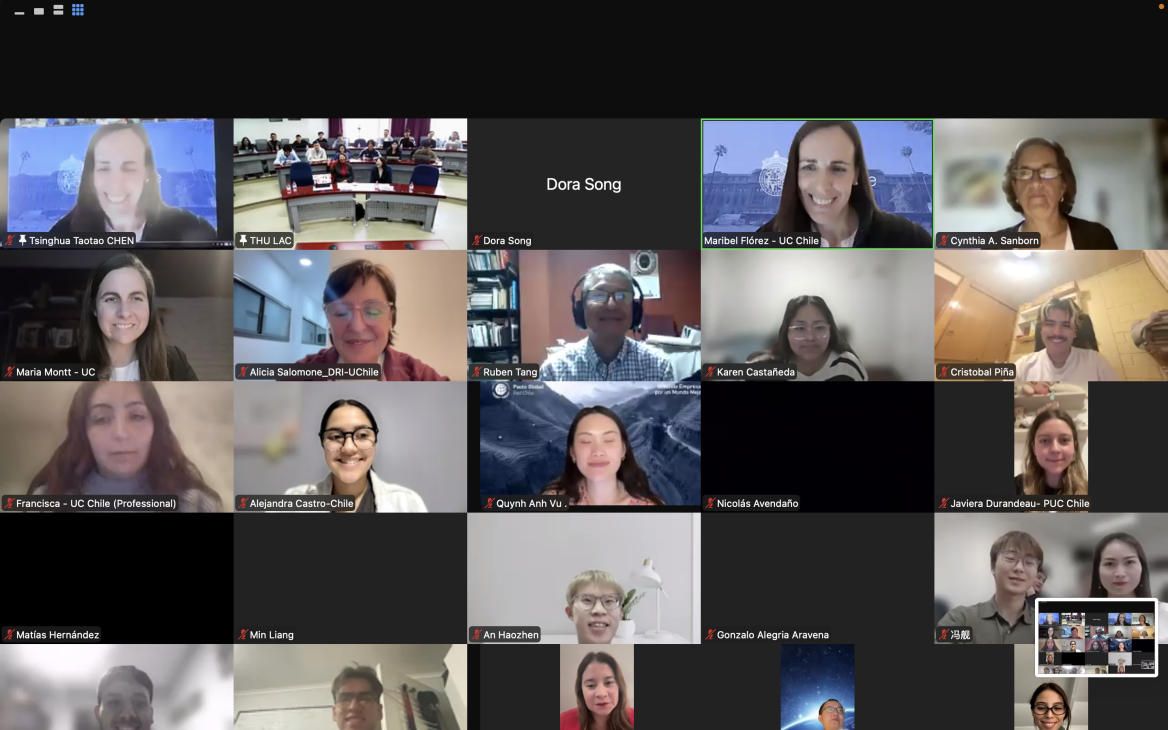
Photo: Faculty and Students from Four China-Latin America Countries Participating in the Information Session Both On-site and Online
The information session was co-hosted by Feng Jian, a Ph.D. student in the Finance Department of Tsinghua University School of Economics and Management, and Maribel Florez, Director of the Global Learning Office of the Vice Presidency for International Affairs at the Pontifical Catholic University of Chile. Guest representatives from partner universities and enterprises were invited to deliver speeches.
Professor Tao Chen reviewed the achievements of the "2025 Poverty Alleviation Challenge," which attracted over 300 students from 27 universities in China, Brazil, Chile, and Peru, forming nearly 100 teams (39 of which were transnational). Ultimately, 12 winning teams were selected to travel to Chile and Brazil for the international finals. Projects covered key poverty alleviation topics such as mining, education, healthcare, and energy, with active exploration into artificial intelligence empowerment. Building on this, the "2026 Poverty Alleviation Challenge" expands its scope from "poverty elimination" to "poverty alleviation and development," exploring long-term mechanisms to prevent relapse into poverty and contributing to a sustainable future. The competition adheres to a reality-oriented approach, enhancing project practicality and scalability by introducing corporate and institutional propositions and guidance mechanisms. Additionally, it encourages non-winning teams to continue their participation, promoting the deepening of transnational cooperation through long-term commitment and refinement.
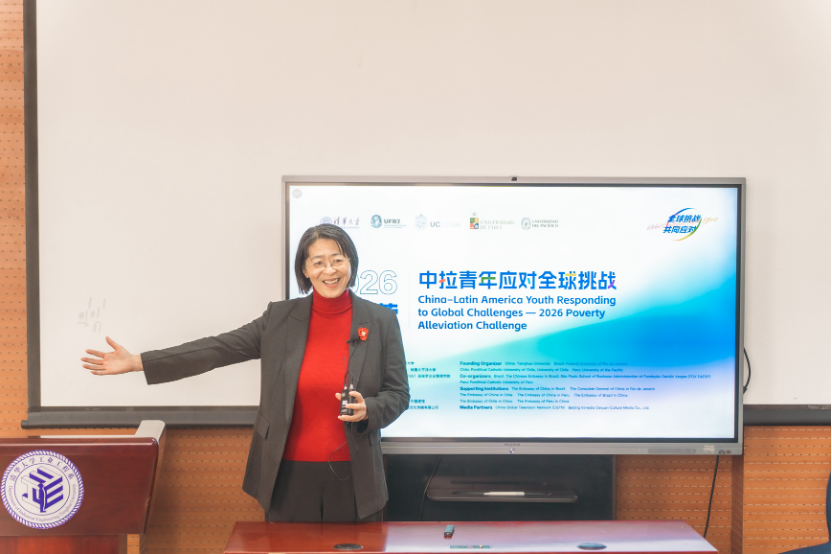
Photo: Professor Tao Chen Delivering a Speech
Maria Montt, Vice President for International Affairs of the Pontifical Catholic University of Chile, expressed gratitude to the organizing team and supporters. She noted that the Poverty Alleviation Challenge not only broadens students' international horizons but also deepens Latin American youth's understanding of China as a key partner. In the face of global poverty challenges, cross-border collaboration and innovative solutions are crucial. Poverty is not merely an economic issue but involves comprehensive issues of health, education, dignity, and social opportunity, requiring sustainable development approaches. Student participation is a vital step in solving complex real-world problems; the energy, creativity, and fresh perspectives of students are key drivers of positive change. She encouraged students to engage in interdisciplinary learning, share diverse experiences, and promote mutual understanding to address global challenges collectively. She pointed out that the partnerships and dialogues established by the Poverty Alleviation Challenge will influence students' career development and potentially spawn new research projects, public policies, and social impact initiatives.
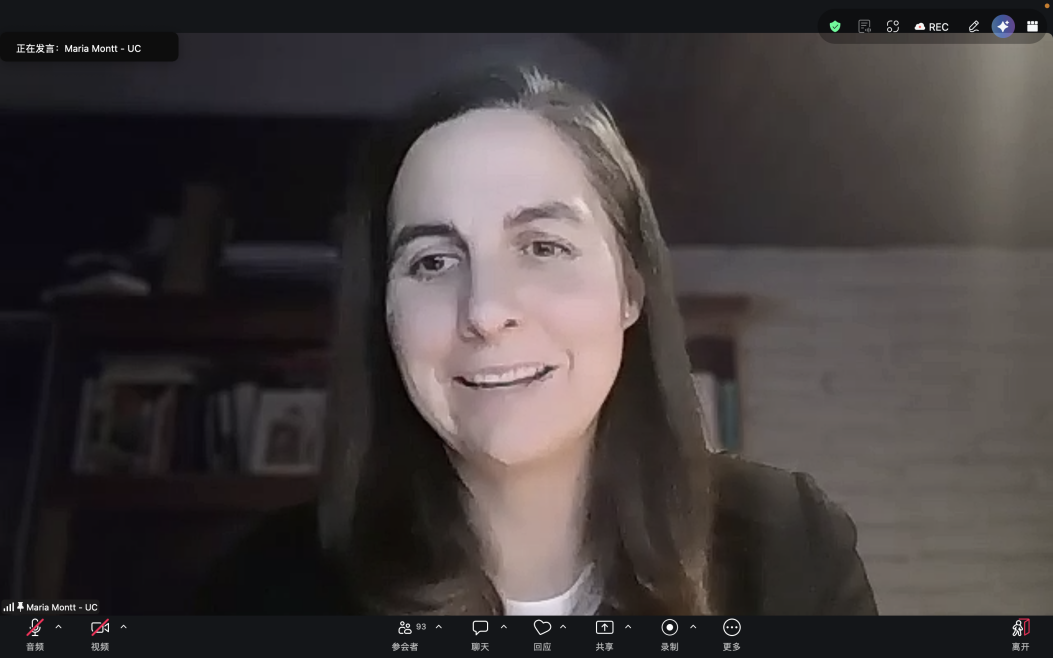
Photo: Maria Montt Delivering a Speech
Ana Celia Castro, Deputy Director of the Institute of Advanced Studies at the Federal University of Rio de Janeiro, Senior Researcher at the Brazilian Center for International Relations, and President of the Brazilian Forum of Advanced Studies, stated that poverty is the primary topic among the Sustainable Development Goals and a complex condition that exacerbates social vulnerability, further limiting access to education and healthcare, and amplifying long-term risks brought by climate change and intergenerational inequality. The value of the "Poverty Alleviation Challenge" lies in guiding youth to co-design systemic solutions capable of changing the "structure of vulnerability," thereby providing possibilities for a fairer, more inclusive, and sustainable future. She called on youth to promote the deepening of China-Latin America poverty alleviation and sustainable development agendas through cross-cultural cooperation and exchange in practice.
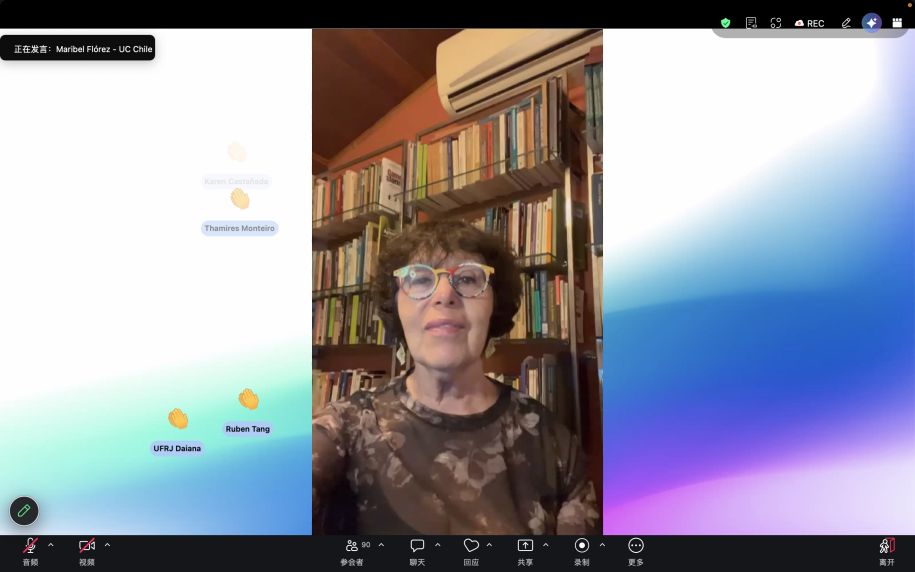
Photo: Ana Celia Castro Delivering a Speech
Alicia Salomone, Director of International Relations at the University of Chile, shared insights on international cooperation and youth exchange. She emphasized that eliminating poverty is closely intertwined with global challenges like climate change and social inequality. She recalled the experience of University of Chile students participating in the "2025 Poverty Alleviation Challenge" and visiting China, which not only enhanced their professional knowledge but also deepened their understanding of China's society and development model through genuine interaction. The "2026 Poverty Alleviation Challenge" will continue to play a role in cross-cultural learning and professional capacity building, further consolidating the friendship and connections between Chinese and Latin American youth through interaction and collaboration.
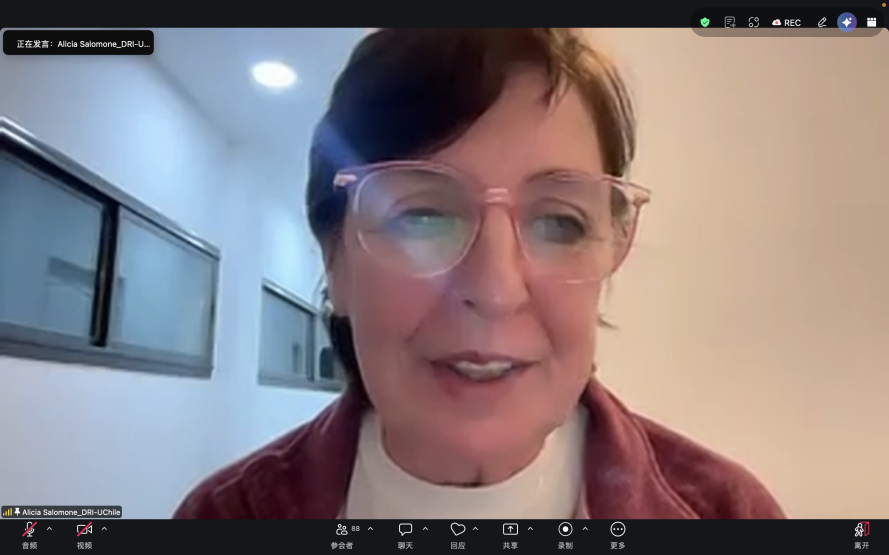
Photo: Alicia Salomone Delivering a Speech
Cynthia Sanborn, Professor at the China and Asia-Pacific Studies Center and the Department of Social and Political Sciences at the University of the Pacific (Peru), noted that the "Poverty Alleviation Challenge" is not just an annual competition but is gradually evolving into a long-term learning and interaction network connecting Latin America and China. Most participating students lacked prior international travel experience; the Poverty Alleviation Challenge allows them to step outside their existing boundaries and understand different national development contexts through cross-cultural communication. Amid current global uncertainty and multiple conflicts, she encouraged youth to seek space for cooperation amidst differences, jointly address complex social challenges through transnational teamwork, and achieve mutual learning and growth with an open mind. She looks forward to attracting more participants from different countries this year to expand the cooperation platform together.
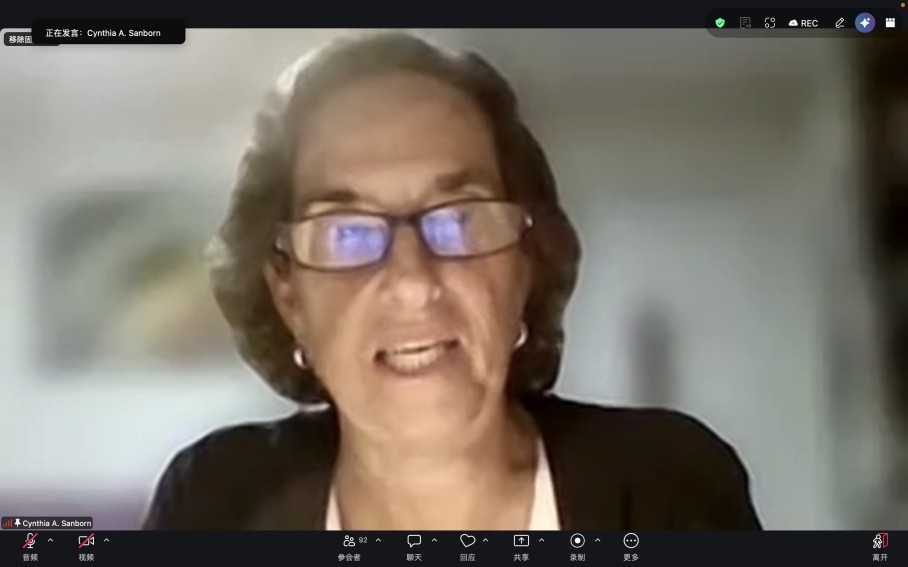
Photo: Cynthia Sanborn Delivering a Speech
Fang Wei, Deputy Chief Executive Officer of CGE, spoke as a representative of supporting institutions, elaborating on the project's significance from a corporate perspective. CGE's continuous support for youth exchanges between Tsinghua University and Latin American universities is a key practice of corporate social responsibility. Poverty is not just about income but also about fair access to development opportunities; energy transition, digital development, and social equity are critical issues requiring urgent attention today. This competition focuses on gathering youth power to explore diverse paths to address poverty through innovation and cooperation. He expects the competition to inspire Chinese and Latin American youth to propose more innovative solutions and jointly create new momentum for poverty alleviation in Latin America.
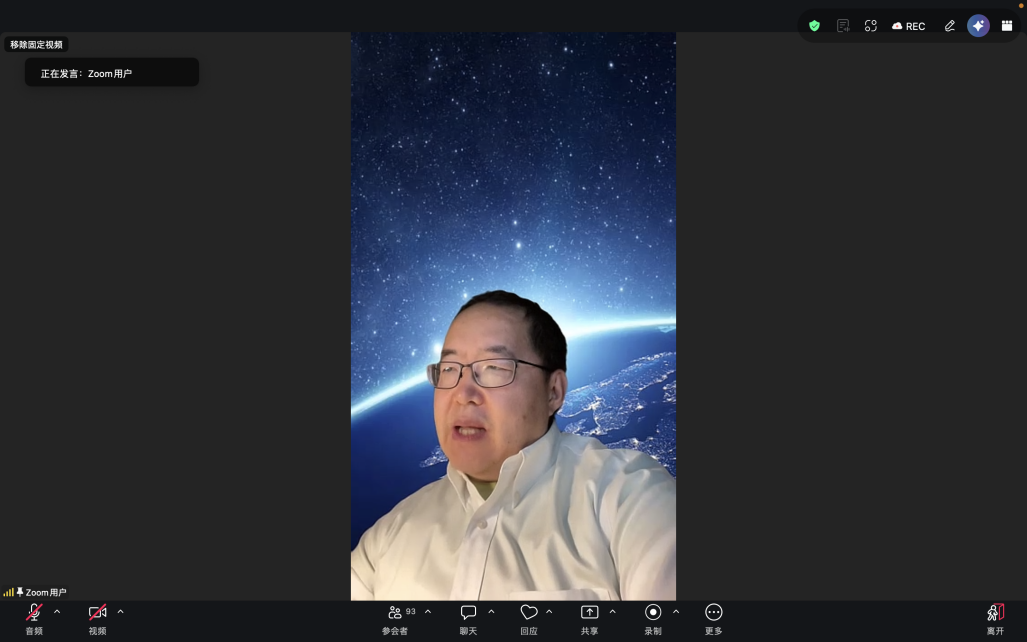
Photo: Fang Wei Delivering a Speech
Oscar Gaggero, Domestic Public Affairs Director of Minera Las Bambas S.A., introduced the company's community co-development model, "Corazón de Las Bambas" (Heart of Las Bambas), sharing practical experiences in promoting social development and sustainable transformation during local investment. This model focuses on enhancing community capacity building, promoting economic diversification, and improving education and healthcare services, while establishing long-term collaboration mechanisms with communities and local governments to foster more stable co-construction relationships. Minera Las Bambas S.A. hopes to further give back to local society by participating in the "Poverty Alleviation Challenge" and continue to explore long-term paths for sustainable poverty alleviation in Latin America alongside Chinese and Latin American youth.
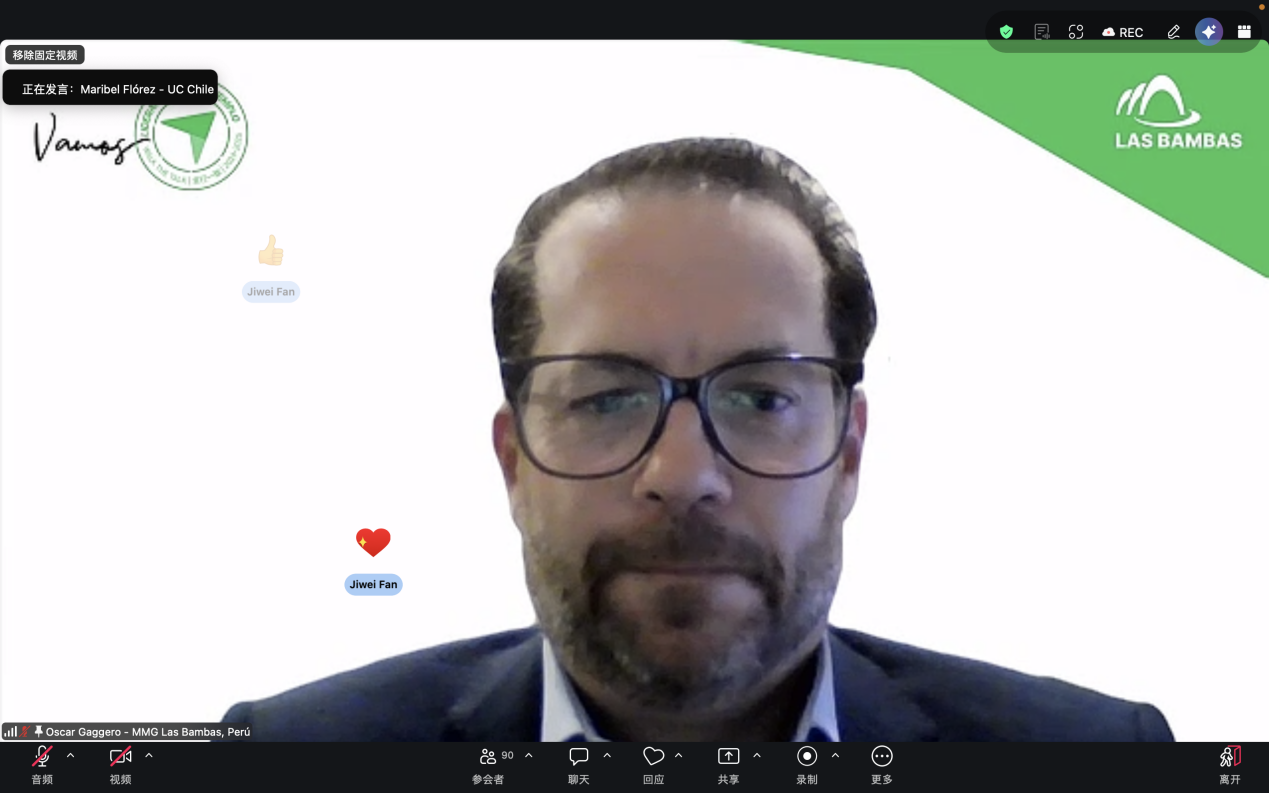
Photo: Oscar Gaggero Delivering a Speech
The competition introduction session was jointly presented by Maribel Florez, Director of the Global Learning Office of the Vice Presidency for International Affairs at the Pontifical Catholic University of Chile, and An Haozhen, a Ph.D. student in the Finance Department of Tsinghua University School of Economics and Management. They provided a comprehensive overview of the competition schedule, transnational team formation mechanism, and incentives to help participants understand the pathways and criteria.
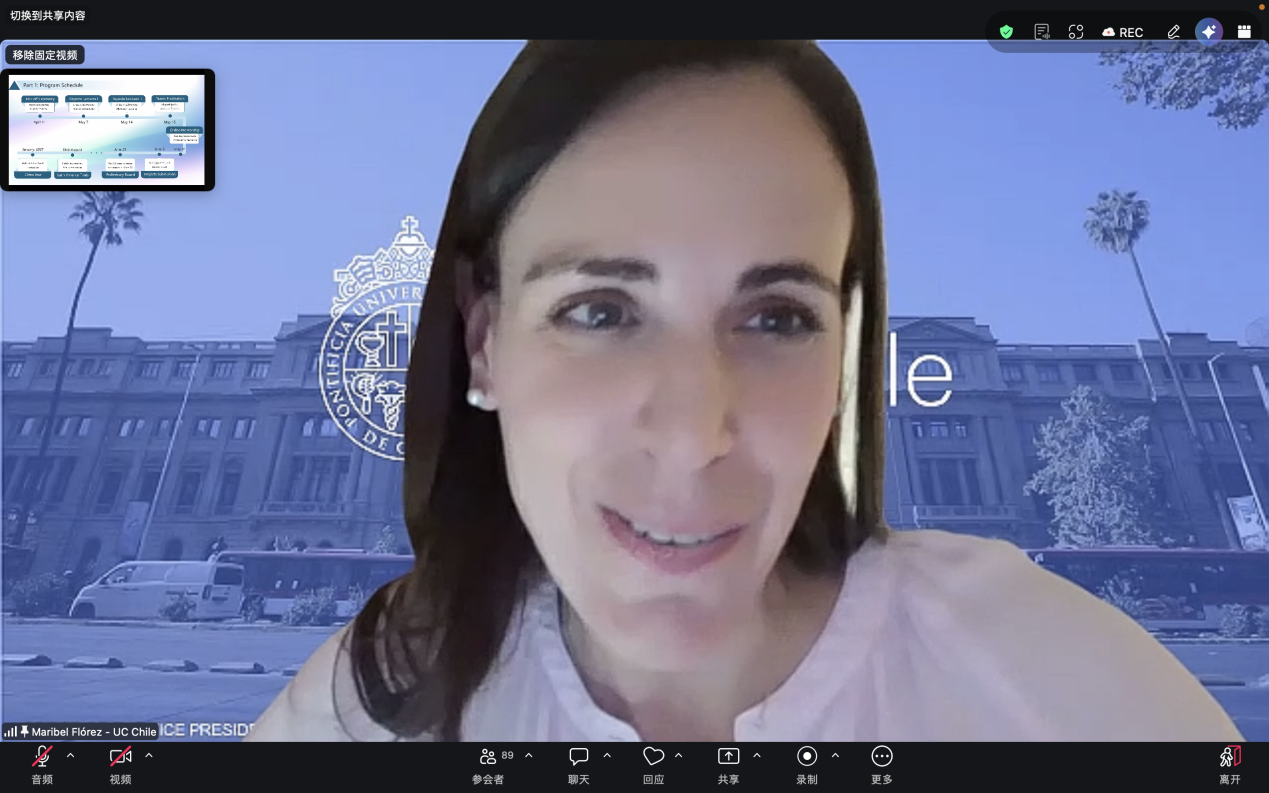
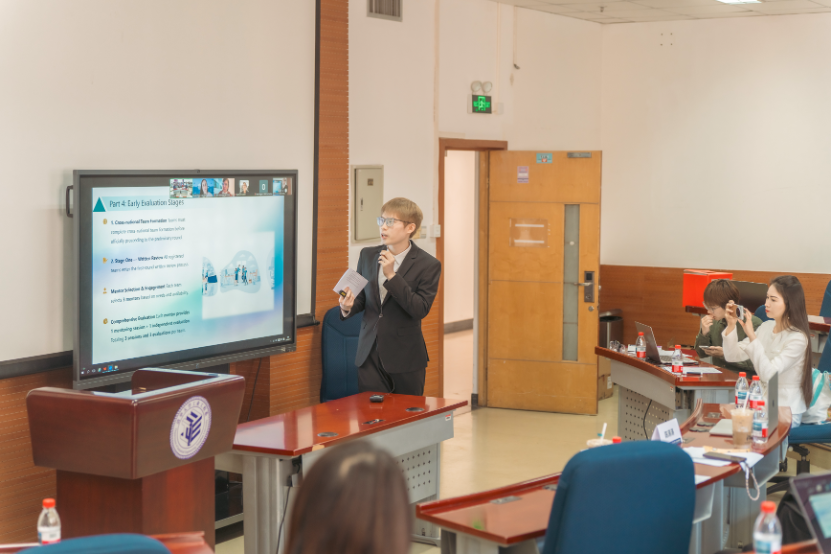
Photo: Competition Introduction Session
Feng Jian, the Ph.D. student in the Finance Department of Tsinghua University School of Economics and Management, detailed the "5W1H+" Poverty Analysis Toolbox developed by Tsinghua University, which includes "Identifying and Defining Poverty (What) — Describing and Understanding Poverty (Who, Where, When) — Analyzing and Deconstructing Poverty (Why) — Addressing and Solving Poverty (How)." He explained how the "How+" dimension is further expanded to guide participants in considering the transferability and transformation of poverty alleviation experiences across different countries and contexts. This toolbox has been applied in case analyses such as State Grid Brazil Holding and State Grid Chile CGE. He encouraged participating students to actively utilize this toolbox for systematic analysis and practical exploration during subsequent project design and research, paying close attention to the differences in institutional and social backgrounds across countries to propose more actionable solutions.
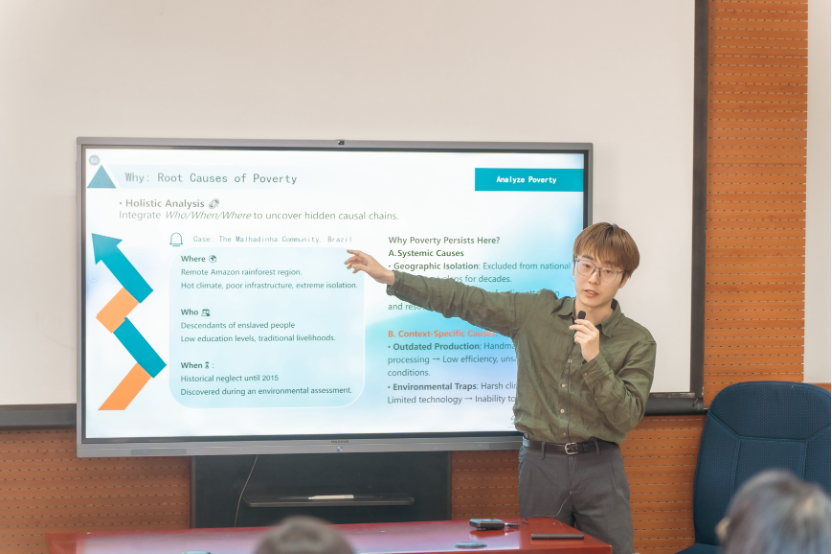
Photo: Introduction to the "5W1H+" Toolbox
During the 2025 winning case sharing session, Nicolas Andres Avendario from the Pontifical Catholic University of Chile and Jamil Llaury from the University of the Pacific (Peru) introduced their award-winning project from the "2025 Poverty Alleviation Challenge." They systematically presented the complete process and practical experience from problem identification and solution design to implementation pathways, allowing participants to gain a more intuitive understanding of the construction logic and innovative methods of outstanding projects. Furthermore, the two students shared their experiences of traveling to China for study and exchange after winning the award, highlighting field research and cultural experiences in Nanjian County, Yunnan Province and Cili County, Hunan Province. They discussed the role of the Poverty Alleviation Challenge in enhancing global competence from the perspective of cross-cultural immersion and emphasized the lasting impact of this experience on fostering mutual understanding and friendship between Chinese and Latin American youth.
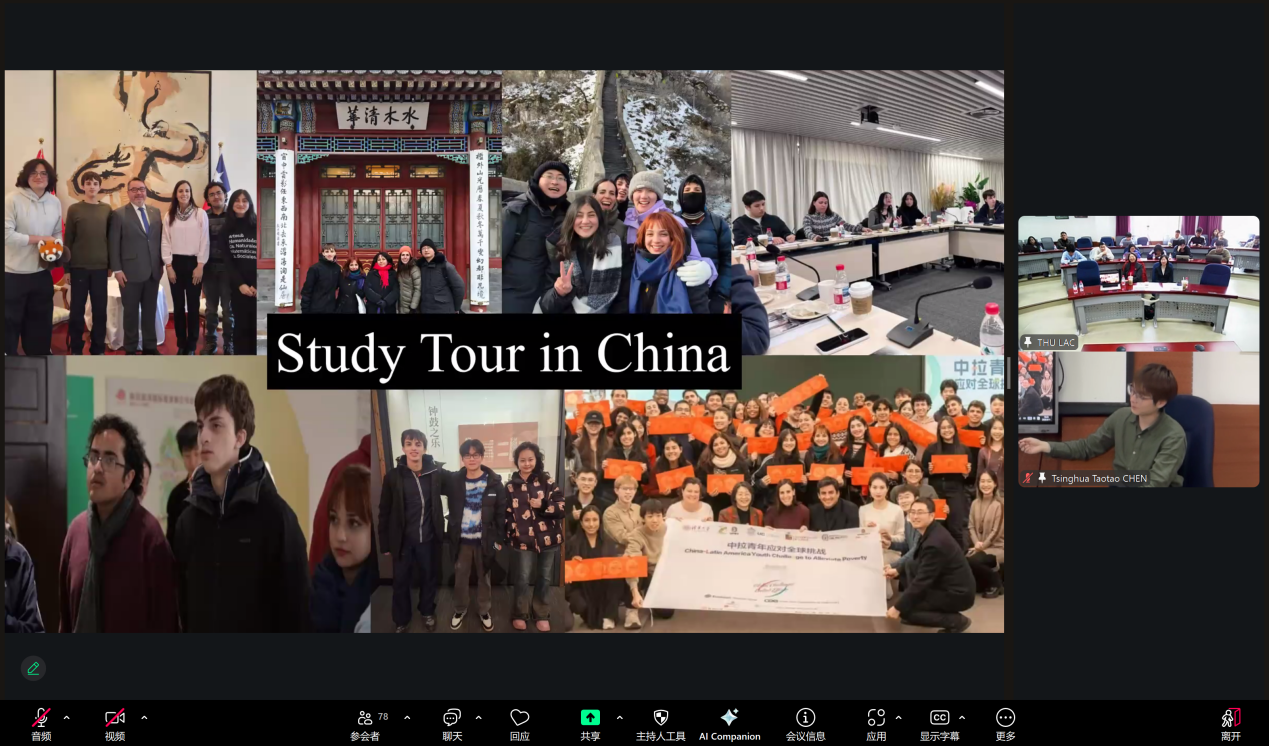
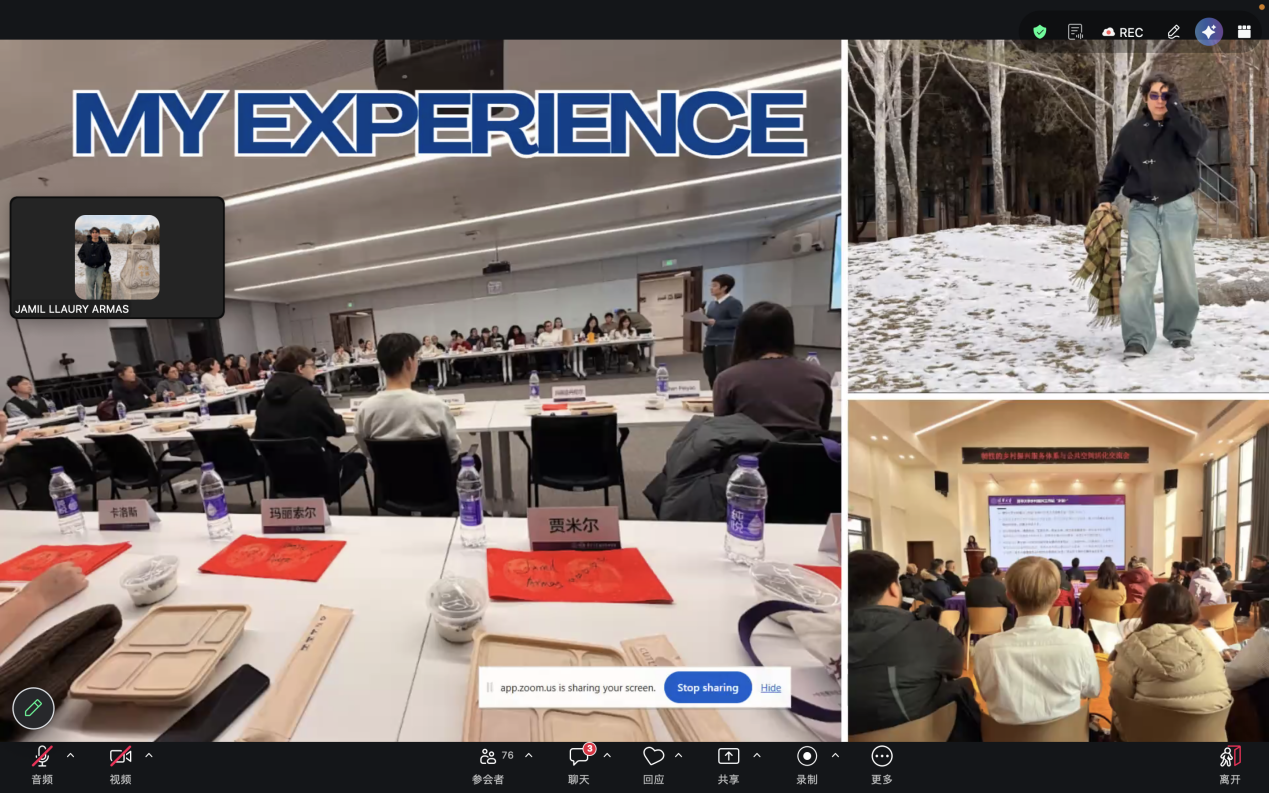
Photo: Award-Winning Case Sharing Session from the "2025 Poverty Alleviation Challenge"
Song Jifei, Program Manager of Tsinghua University Latin America Center, introduced the institutional topics and mentor settings for the "2026 Poverty Alleviation Challenge." This year's competition revolves around themes such as education, digital technology, inclusive development, and sustainable innovation, releasing multiple categories of institutional and individual propositions covering various interdisciplinary topics and application scenarios. Additionally, senior mentors from academia, the non-profit sector, and industry will be invited to participate throughout the project, providing systematic guidance and feedback support to participating teams. Teams will have the opportunity to connect with resources from relevant Chinese and Latin American enterprises and partner institutions, enhancing the feasibility and practical relevance of their proposals with the support of mentors and practitioners.
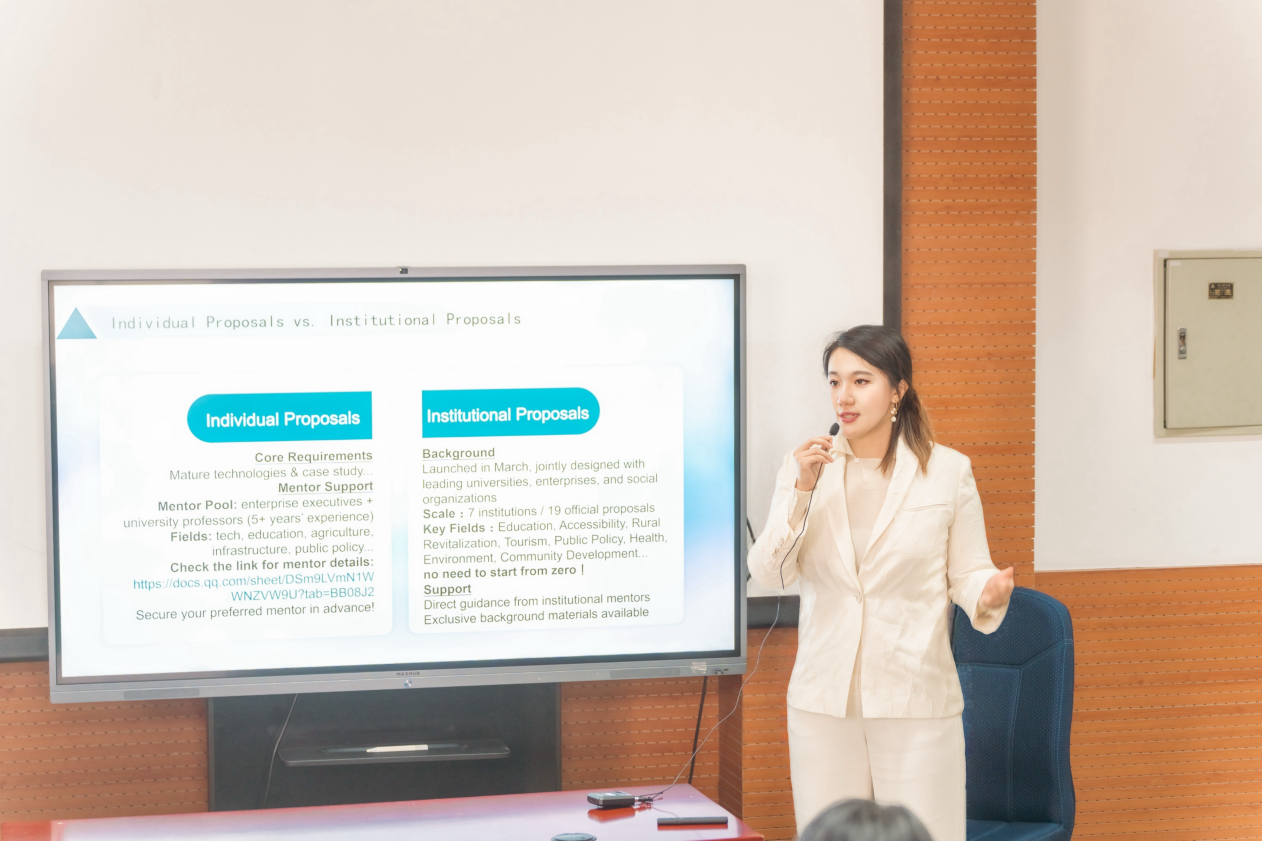
Photo: Introduction to Institutional Topics and Mentor Settings
During the question-and-answer session, young students from Latin America and China raised questions regarding transnational team formation and the selection of poverty alleviation topics. The Poverty Alleviation Challenge working group provided detailed answers to help participants better grasp the competition requirements and research directions.
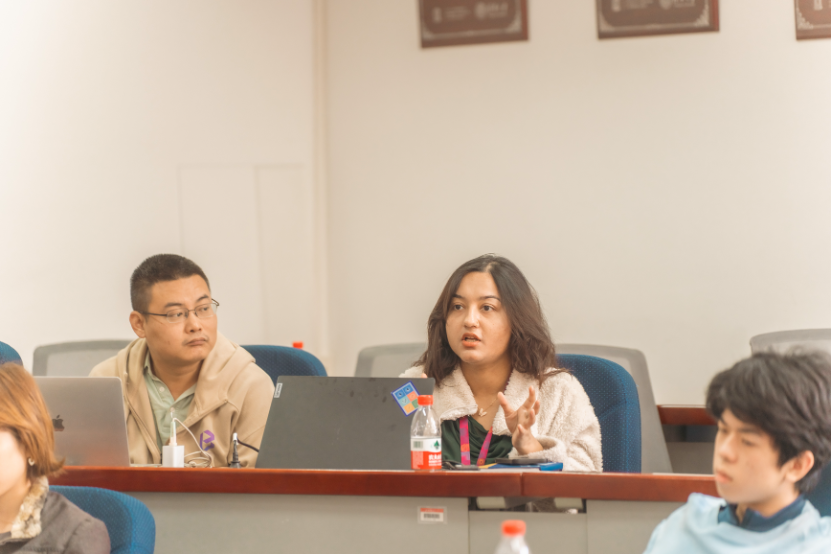
Photo: Question and Answer Session
At the conclusion of the event, Professor Tao Chen expressed sincere gratitude to partners from Brazil, Chile, Peru, and other regions. She specifically emphasized that the enthusiasm, wisdom, and dedication demonstrated by students over the past two years far exceeded expectations, strengthening her confidence in the project's future. Despite external instability, the mutual assistance and collaboration within the Poverty Alleviation Challenge team are creating a future full of warmth and hope.
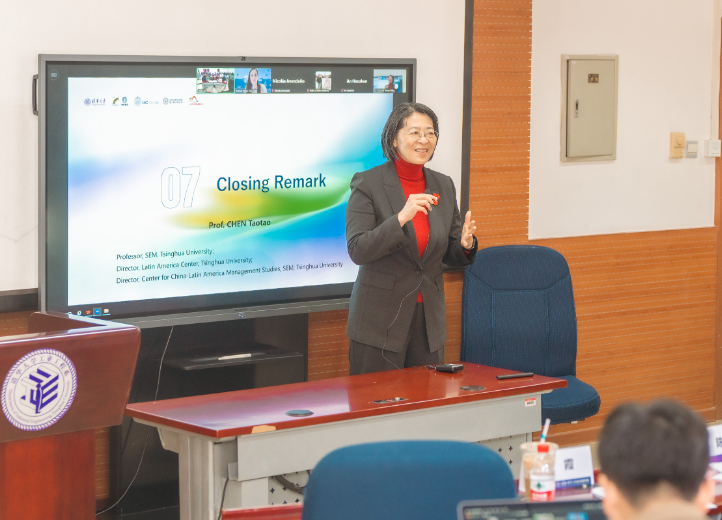
Photo: Professor Tao Chen Delivering the Closing Remarks for the Information Session
Following the opening ceremony, the second segment was the introductory session for the course "China-Latin America Youth Responding to Global Challenges." Professor Tao Chen first provided a systematic introduction to the course. To further promote the sharing of educational and cultural resources among universities, Professor Tao Chen, in collaboration with Latin American universities, innovatively designed this course, which has been officially incorporated into the "Poverty Alleviation Challenge" competition system.
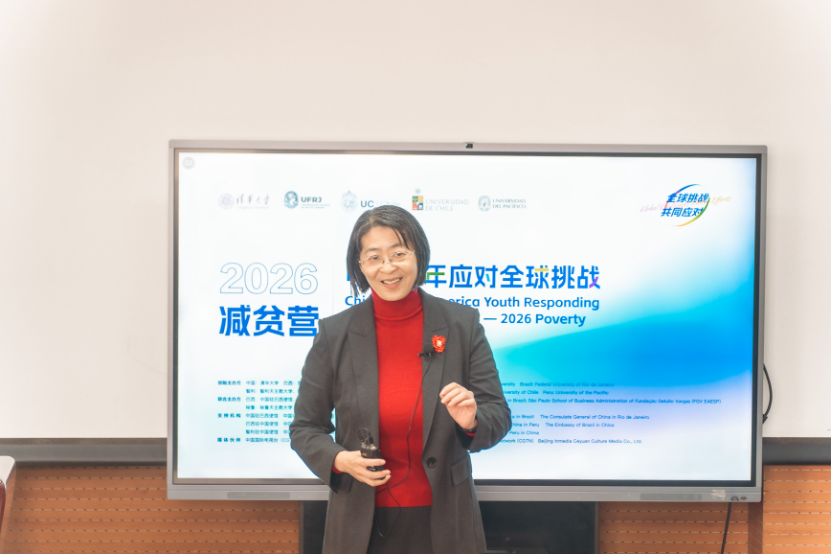
Photo: Professor Tao Chen Conducting the Course Orientation
Subsequently, Feng Jian, the teaching assistant for the course, explained the course registration process and assessment criteria, focusing on the participation requirements and evaluation mechanisms. During the peer-sharing session, representatives from the Tsinghua University Latin America Center, including An Haozhen, Song Jifei, and Fan Jiwei, shared their experiences based on previous editions. They offered references on topics such as transnational team formation, understanding the scoring system, communicating with mentors, and addressing practical issues during project advancement.
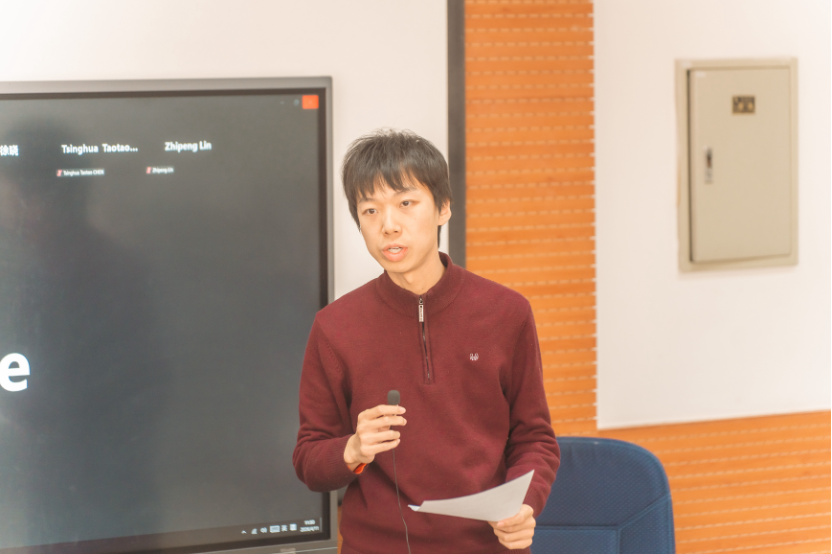
Photo: Peer-sharing Session
The successful hosting of the "China-Latin America Youth Responding to Global Challenges—2026 Poverty Alleviation Challenge" information session and ice-breaking class has laid a solid foundation for the smooth development of the new edition of the competition and further strengthened the exchange and cooperation between Chinese and Latin American youth. Looking ahead, we look forward to more young students from different countries and academic disciplines actively participating, jointly exploring innovative and feasible solutions for poverty alleviation and development, and contributing youth wisdom and action to promote more inclusive and sustainable global development.
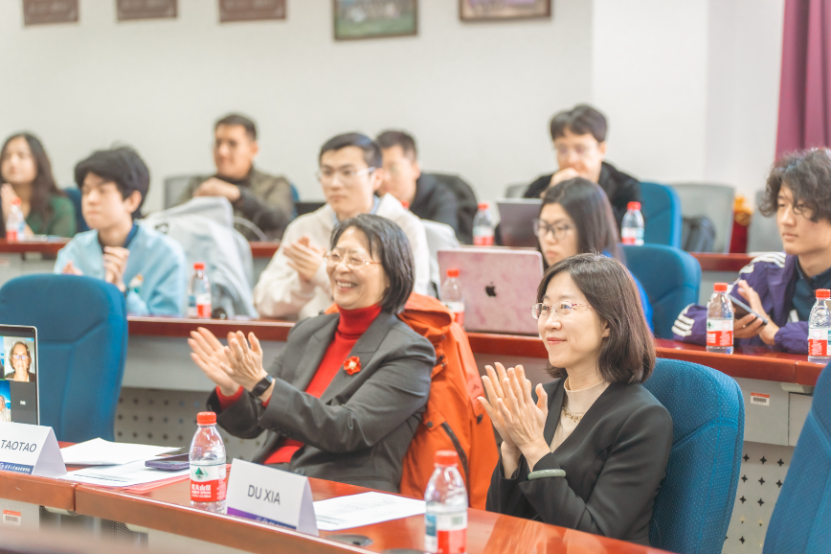
Photo: Event Scene
Activity Content Replay:
Link 1:
https://us02web.zoom.us/rec/share/IMKWzpntHJZWh6jkx_rbcNRjNxJnfTwTn_PRdBJJn4dQR6YiQYjnP9d99rN7Wxri.piOugES-Zci9wUVk
Passcode: i!a53er6
Link 2:
https://us02web.zoom.us/rec/share/Q8ubHelLeOdovJ86tqb3Q4m6nYALCt5AyOF6i0ReInfSazz2zo-EJV-x5oDC8TUh.blVV7--aDE8_HUtf
Passcode: %4t*IPX$