About the 2025 Poverty Alleviation Challenge
Co-hosted by Tsinghua University, the Federal University of Rio de Janeiro in Brazil, the Pontifical Catholic University of Chile, the University of Chile, the Universidad del Pacífico in Peru and Minera Las Bambas S.A., the event attracted the participation of more than 310 teachers and students from 27 universities and enterprises across four countries: China, Brazil, Chile and Peru. The 2025 Poverty Alleviation Challenge is divided into two stages: the Preliminary Competition and the Transnational Final, aiming to promote cross-cultural communication and collaboration, and inspire the innovative thinking and practical capabilities of global youth in the field of poverty alleviation.
On June 7, 2025, the Preliminary Competition of the 2025 Poverty Alleviation Challenge was successfully held, with Tsinghua University as the offline main venue and participants from Latin American countries competing simultaneously in a hybrid online and offline format. After a fierce competition, 12 innovative teams stood out and advanced to the Transnational Final. In August 2025, the Transnational Final of the 2025 Poverty Alleviation Challenge was held in Brazil and Chile successively.
In January 2026, 32 Latin American university students who advanced to the final came to China for cultural immersion activities, including face-to-face exchanges with Chinese teachers and students, visits to China's poverty alleviation bases and institutions, and Chinese cultural tours.
The 2025 Poverty Alleviation Challenge received support from the Chinese Embassy in Brazil, the Consulate-General of China in Rio de Janeiro, the Brazilian Embassy in China, the Chinese Embassy in Chile, the Chilean Embassy in China and the Chinese Embassy in Peru. We sincerely thank renowned domestic and foreign enterprises for their strong support for the event, including Envision Group, CGE, Minera Las Bambas S.A., China Mobile International (Chile), Kuaishou International Business (KSIB) and Banco BOCOM BBM S.A..
On January 22, 2026, teachers and students from Tsinghua University and the Federal University of Rio de Janeiro in Brazil gathered in Nanjian Yi Autonomous County, Dali Bai Autonomous Prefecture, Yunnan Province, to jointly launch an on-site study tour focusing on Industrial Empowerment and Digital Health. Through on-site visits and exchanges in Nanjian's local tea industry, digital-enabled medical care and other fields, this activity allowed Latin American youth to experience the Nanjian model of China's rural revitalization in an immersive way, and also built a solid dialogue bridge for the mutual learning of poverty alleviation experiences between China and Latin America.
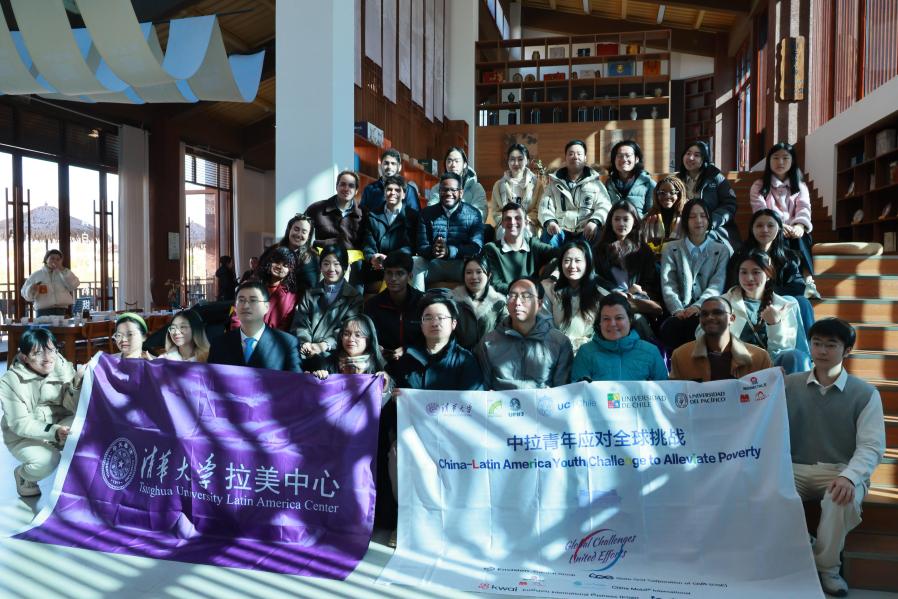
Group photo in Tsinghua Rural Academy
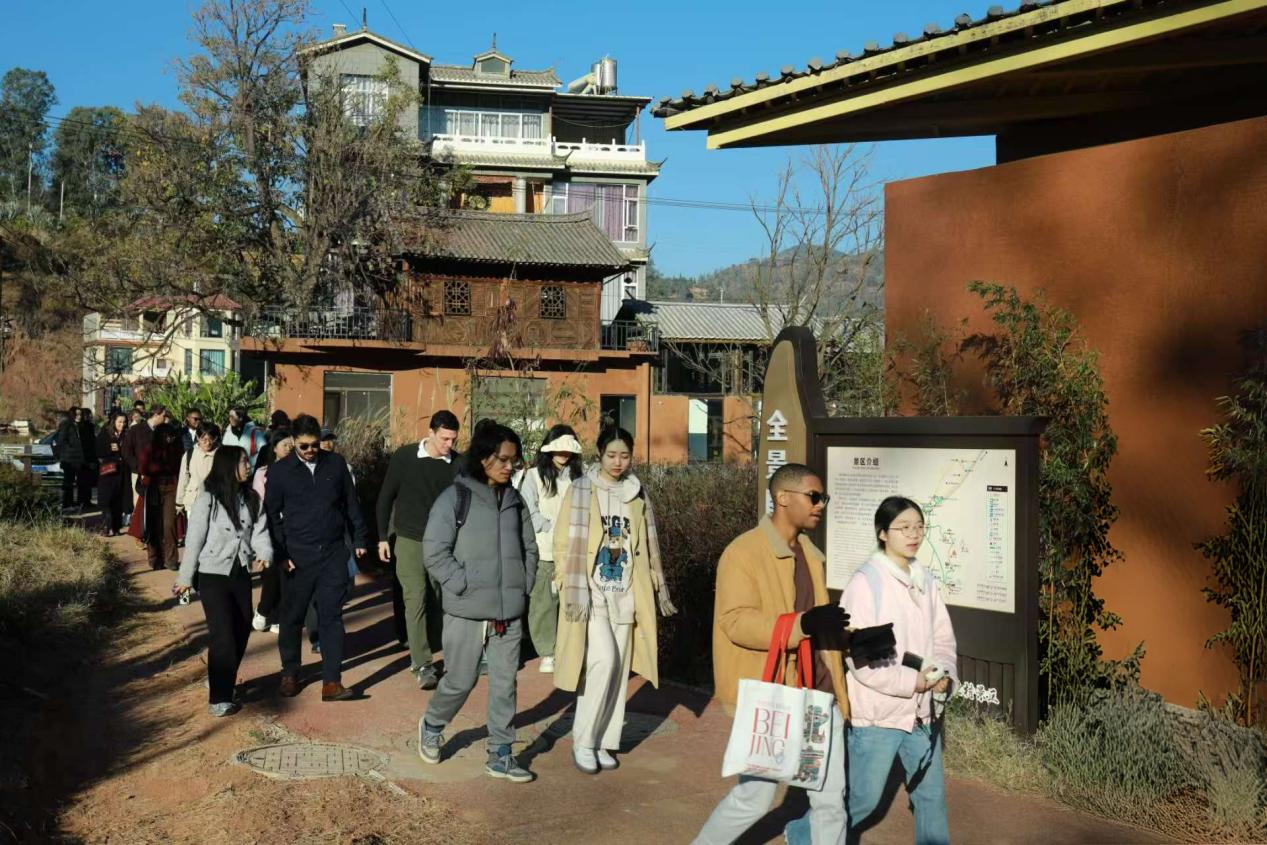
Exchange between Chinese and Latin American students
The Tea Industry Empowers Rural Revitalization, Jointly Exploring New Paths for International Cooperation
On the morning of the 22nd, the tea industry research activity was officially launched at Tsinghua Rural Academy. The brand person in charge of Tulin Fenghuang Tea Industry first introduced the development history of Phoenix Tuocha dating back to 1985. From the historical heritage of the Ancient Tea Horse Road to the industrial upgrading of modern production, it fully demonstrated the practical path of realizing industrial empowerment relying on local tea resources, as well as the poverty alleviation effects of the industry in driving rural employment, activating idle assets and promoting farmers' income increase. The industrial transformation path of Phoenix Tuocha aroused strong resonance and in-depth discussion among teachers and students. Through this vivid poverty alleviation sample, they deeply realized the close connection between the activation of local resources and the endogenous driving force of rural economy.
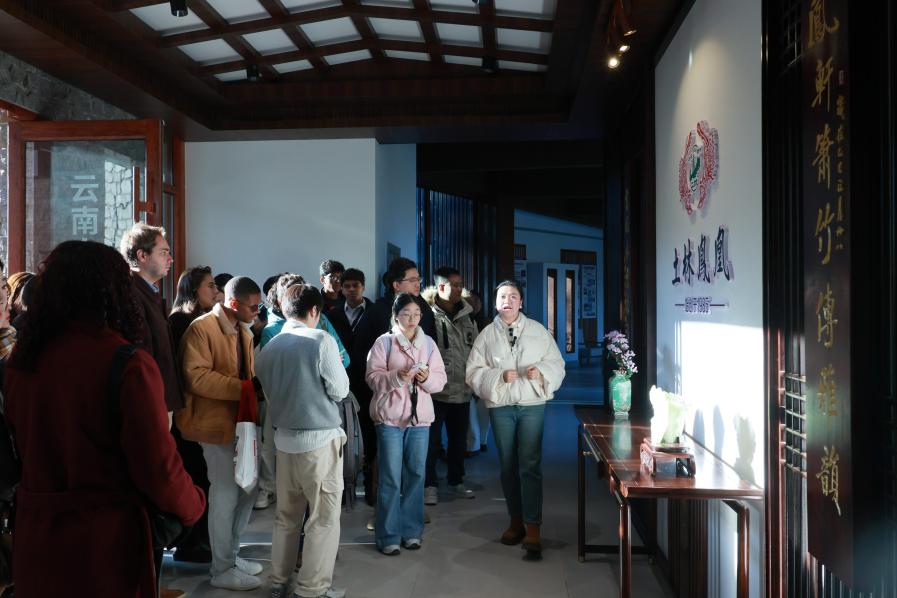
The brand person in charge introducing Tulin Fenghuang
Subsequently, Gao Lu, the First Secretary of Xishan Village appointed by Tsinghua University and the Director of Nanjian Station of Tsinghua University Rural Revitalization Workstation, introduced the poverty alleviation achievements of Tsinghua University in Nanjian over the past 12 years. From the educational assistance of Tsinghua University High School Affiliated to Tsinghua University, to the medical assistance project for congenital heart disease treatment of the First Hospital of Tsinghua University, and then to the precise empowerment of local characteristic industries such as the tea industry, these poverty alleviation cases based on reality gave Brazilian teachers and students an intuitive and profound understanding of the long-term assistance mechanism of university-local cooperation in China. On site, Brazilian youth raised questions combined with the actual situation of rural development in their country, and conducted in-depth exchanges on issues such as How to balance industrial scale and local cultural protection and How can university-local cooperation continuously empower rural areas.
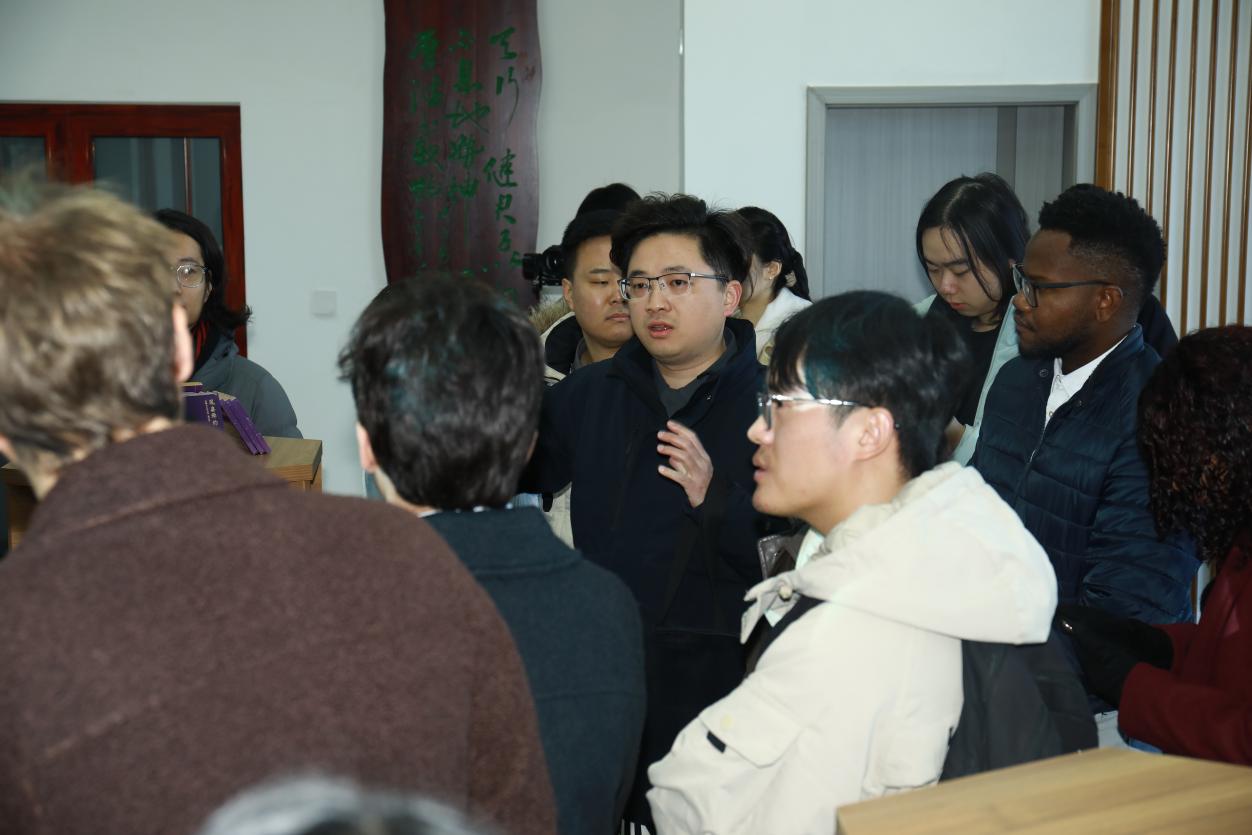
Secretary Gao Lu introducing the poverty alleviation achievements of Tsinghua University
In the forum session, a tea artist first demonstrated the brewing process of Phoenix Tuocha on site. The rich tea fragrance filled the academy, allowing teachers and students to directly appreciate the unique charm and quality heritage of Nanjian's tea culture. Later, Dong zhi, Deputy County Magistrate of Nanjian County appointed by Tsinghua University, delivered a sharing on the international layout of the tea industry, focusing on exploring the cooperation potential of Nanjian tea enterprises in expanding the Brazilian market. He proposed that tea products can enter the Brazilian market through diverse forms, and promote the two-way exchange of tea culture and industry between the two countries in an open and inclusive manner.
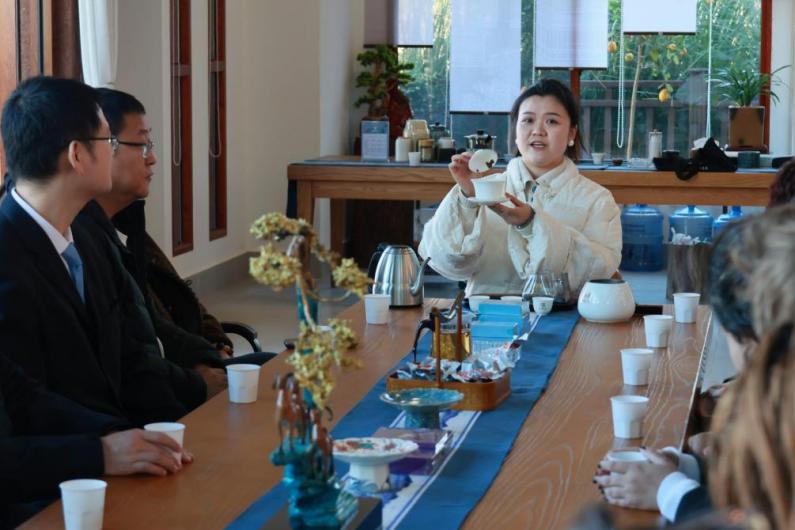
Demonstration of tea making process
During the session, Chinese and Latin American youth conducted exchanges guided by the core topic of Cross-regional Learning of Poverty Alleviation Experiences, and held in-depth discussions on key poverty alleviation issues such as the cultivation of rural characteristic industries, the retention of local talents and the activation of idle assets. Combining the actual situation of rural development in their country, Brazilian youth shared the practical challenges faced in the process of industrial development and rural revitalization, and exchanged views on relevant paths. The person in charge of Tulin Phoenix Tea Industry, based on the development practice of Nanjian's tea industry, gave practical and instructive experience sharing one by one from the aspects of industrial planning, resource connection and long-term operation, and the two sides continuously forged consensus in interactive exchanges. In addition, Chinese and Brazilian youth also conducted one-on-one paired exchanges, sharing their respective national experiences of rural development and poverty alleviation practice cases, enhancing understanding and deepening friendship in communication.
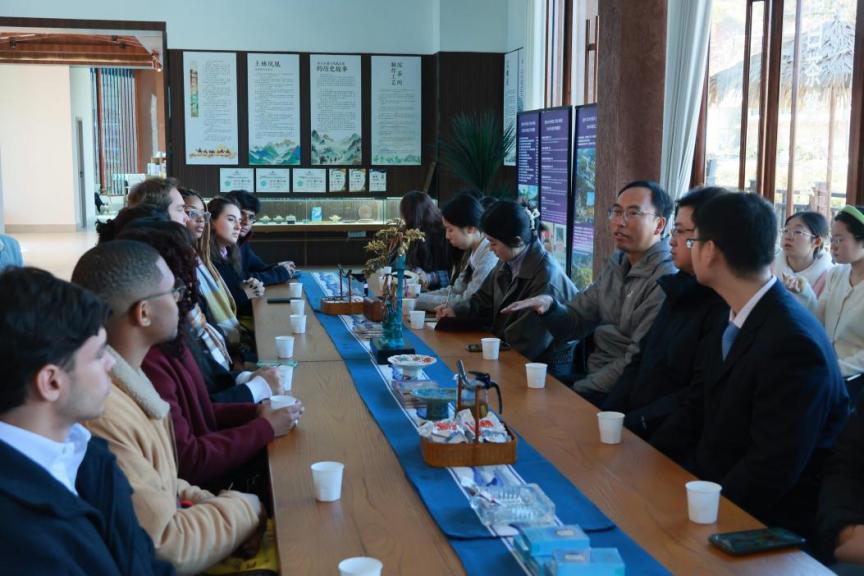
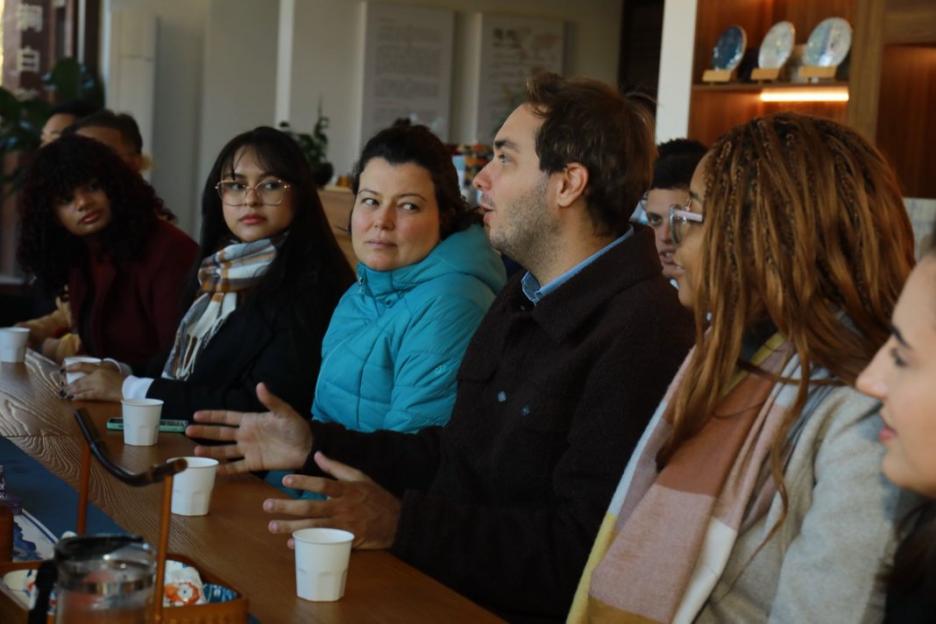
Deputy County Magistrate Dong zhi sharing and communicating with Brazilian teachers and students
Digital Medical Care Weaves a Health Security Network and Builds a Solid Defense Line Against Return to Poverty
On the afternoon of the 22nd, the study tour group walked into the People's Hospital of Nanjian Yi Autonomous County to inspect the achievements of county-level medical digital construction on site. At the digital management platform and medical inspection center, teachers and students learned in detail about the linkage mechanism between the hospital and medical institutions at all levels and grassroots health centers. The real-time demonstration of the remote consultation system intuitively showed how the telemedicine model of grassroots inspection in towns and townships, diagnosis in county-level hospitals breaks geographical restrictions and allows mountainous people to enjoy high-quality medical resources. Brazilian teachers and students observed the system operation process on site and deeply experienced the innovative practice of this model in optimizing the allocation of grassroots medical resources by digital means.
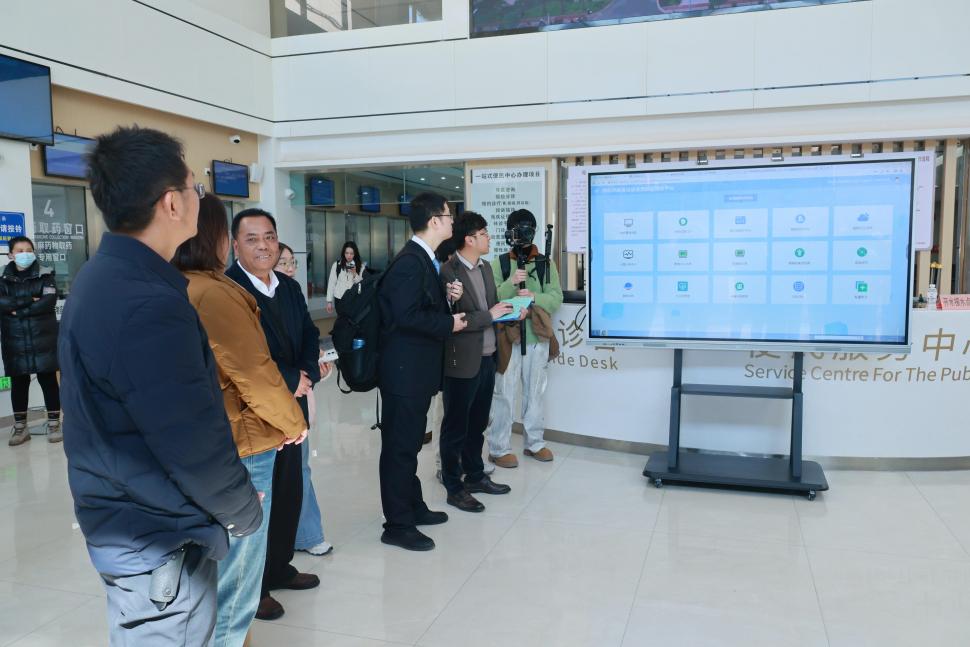
Introduction to the digital platform
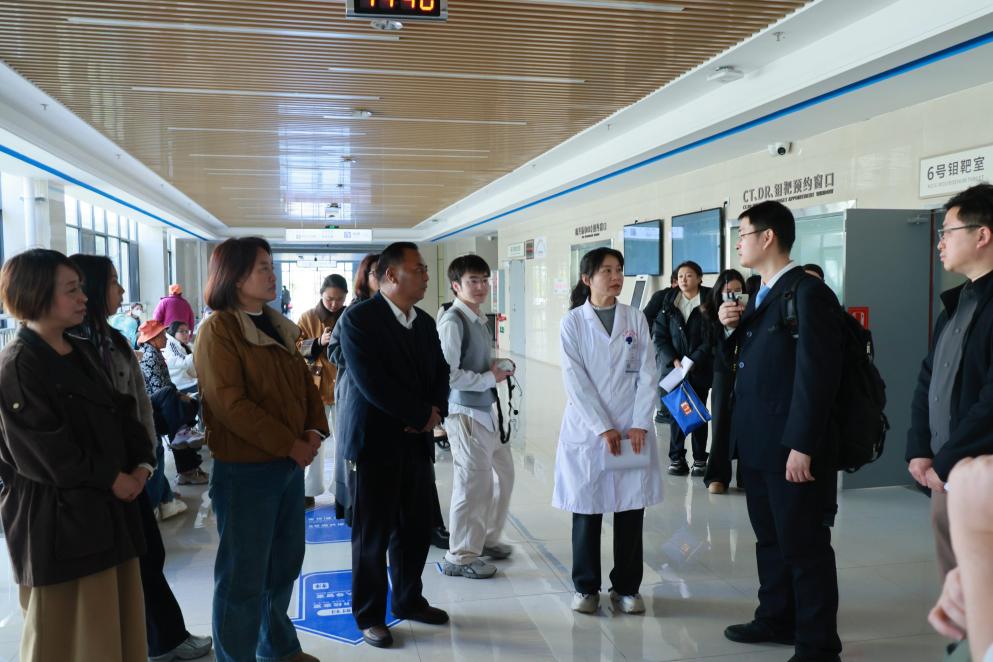
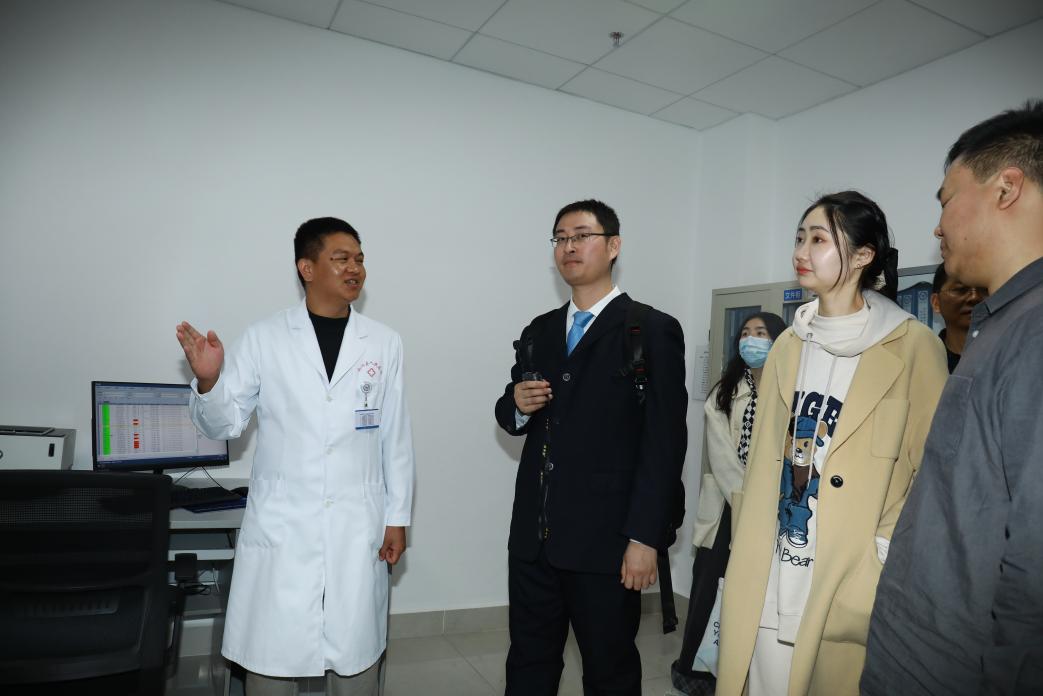
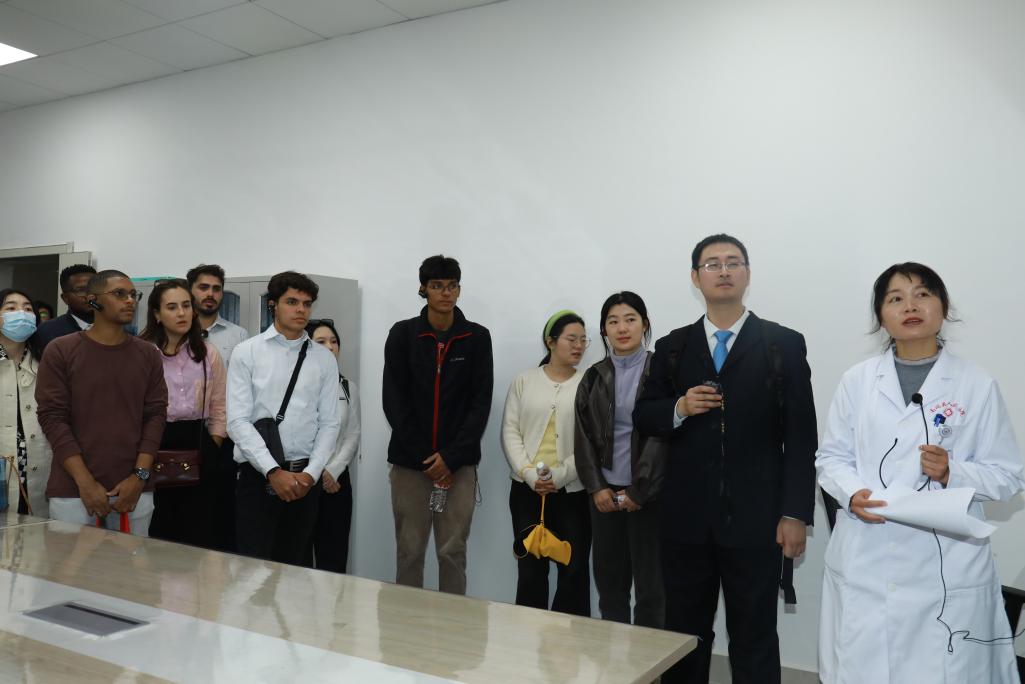
Visiting the hospital
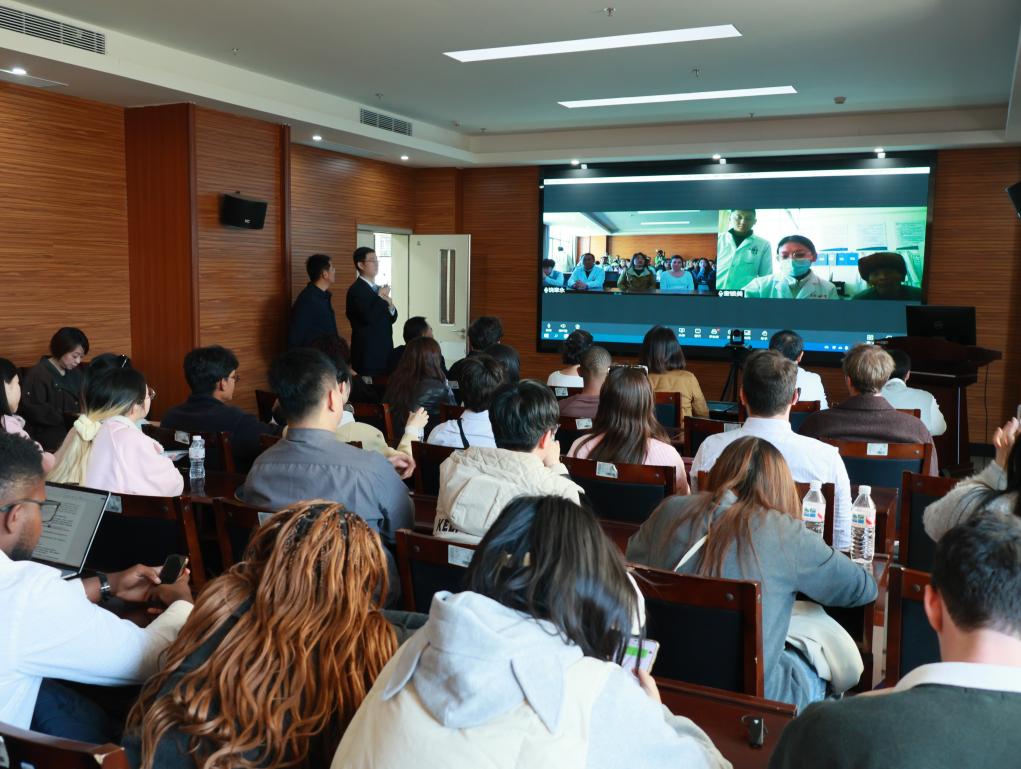
Observing remote consultation
In the special forum on the medical consortium, Chinese and Brazilian sides conducted in-depth interactive exchanges on the construction of county-level medical system and grassroots medical assistance. Paula Silva De Carvalho, Research Associate of the National Institute of Science and Technology for Public Policy and Development Strategies (INCT-PPED) at the Federal University of Rio de Janeiro, combined with the current situation of grassroots medical development in Latin America, conducted in-depth discussions with hospital experts on professional issues such as the construction of medical digital platforms, the overall allocation of medical resources, and the cultivation and retention of grassroots medical talents; Brazilian youth raised questions on details such as the operation efficiency of the remote consultation system and the access mode of grassroots health centers. Relevant person in charge of the hospital answered the questions of Brazilian teachers and students one by one based on the practical experience of Nanjian's medical consortium construction, and shared the practical path of Nanjian preventing poverty caused by illness and return to poverty due to illness through digital medical care. The two sides learned from each other in the exchange and gained new ideas for their respective grassroots medical development.
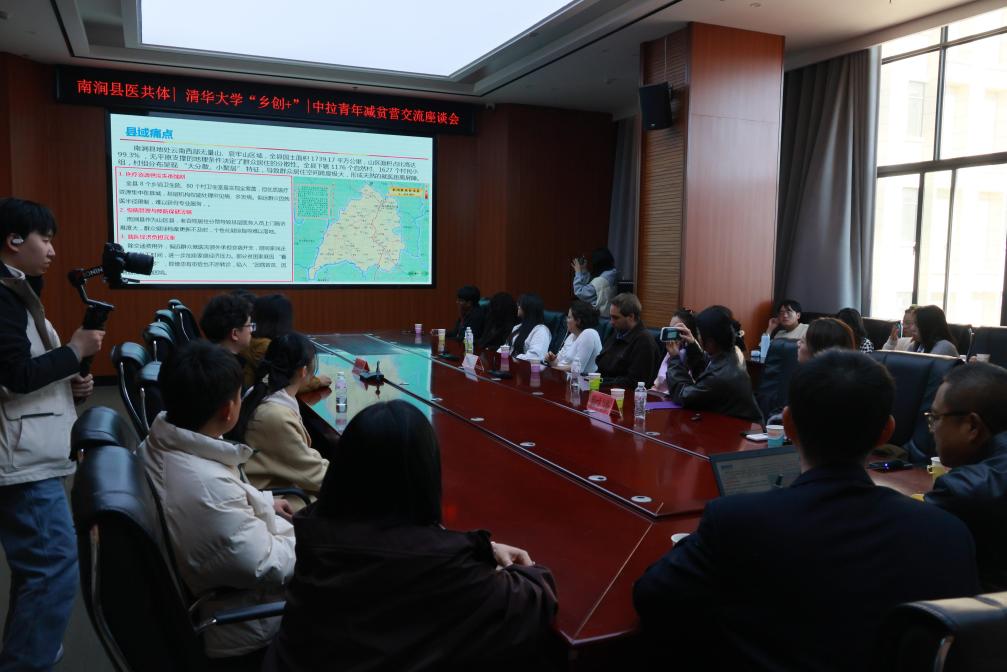
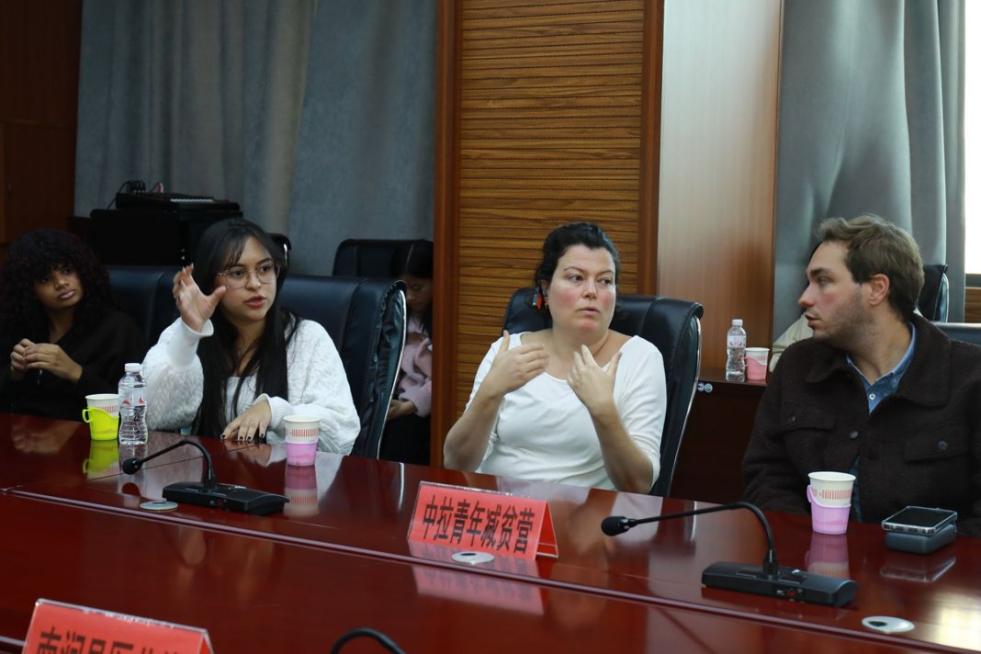
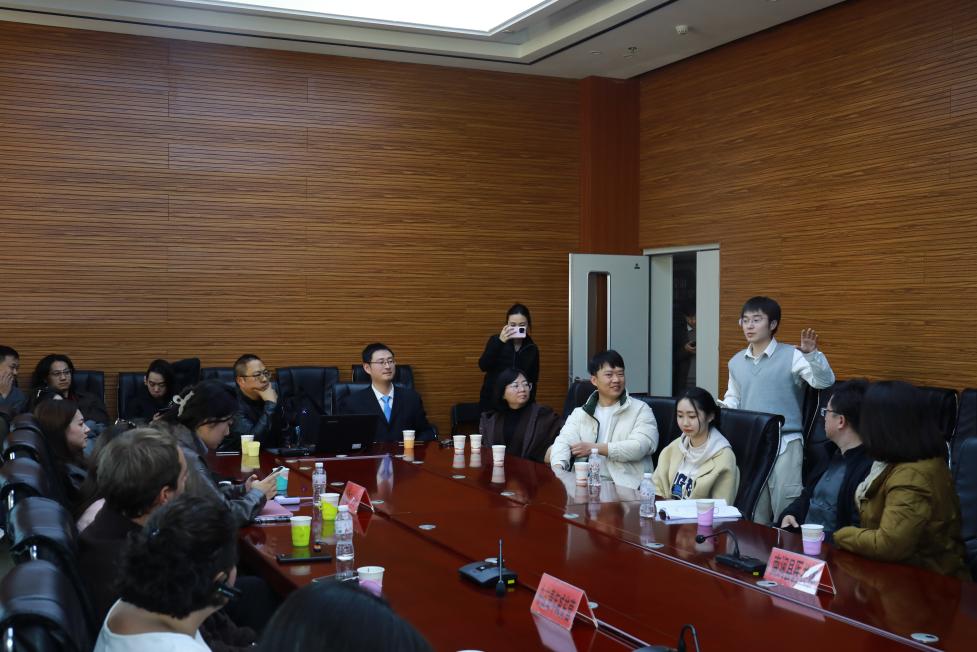
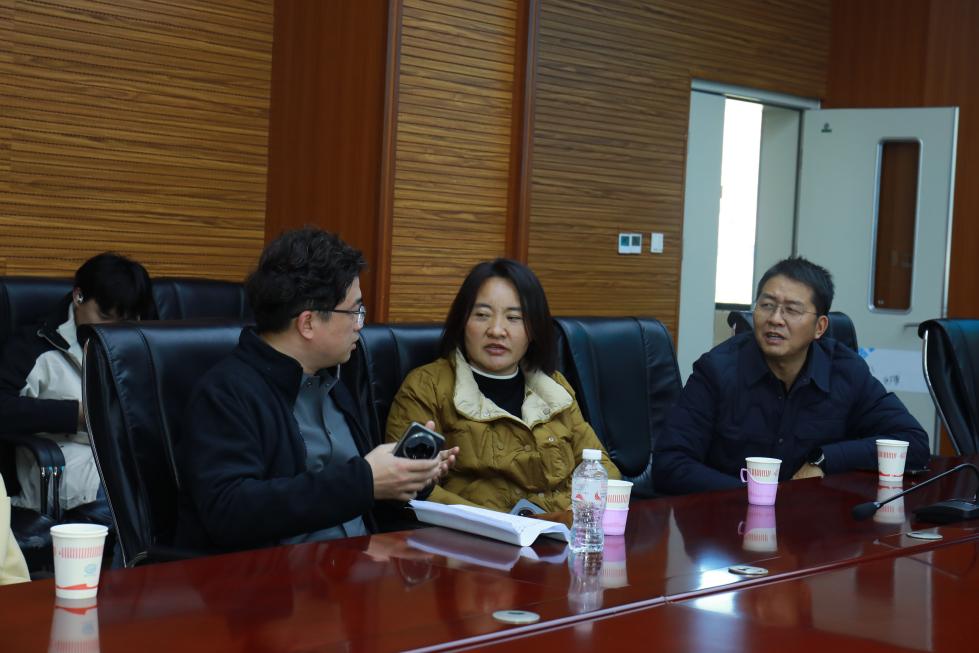
On-site interaction at the hospital forum
The last stop of the visit was the Maternal and Child Health Hospital of Nanjian County. The exhibition board of Tsinghua medical assistance achievements in the hospital clearly showed the course of providing free screening and treatment for 432 children with congenital heart disease over the years. These remarkable assistance achievements deeply touched Brazilian teachers and students, making them deeply feel the key role of medical assistance in rural poverty alleviation work. Brazilian youth representatives said that Nanjian's digital medical care and medical assistance model provided a valuable reference sample for Latin American grassroots medical care to boost rural poverty alleviation.
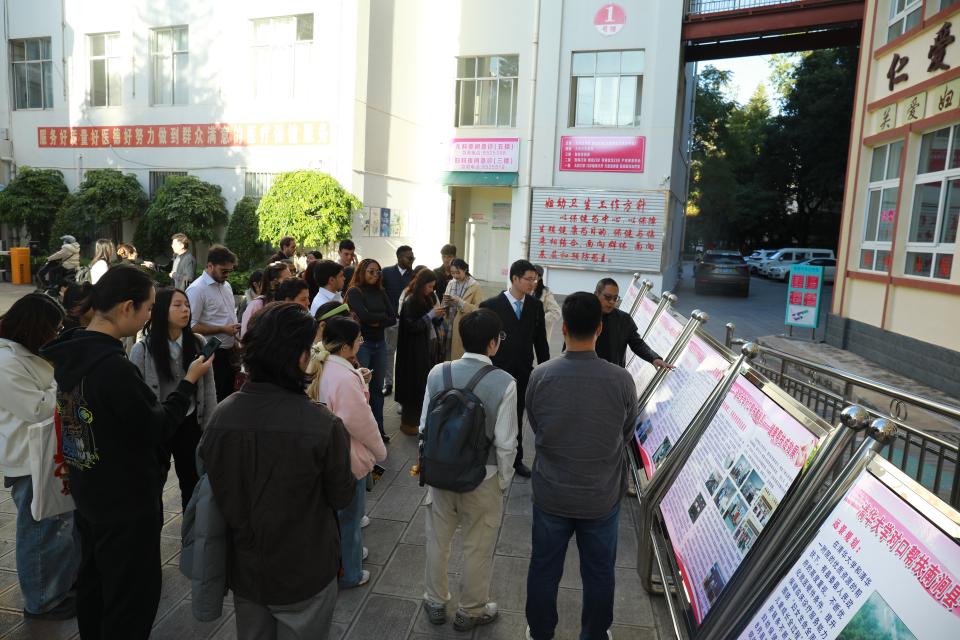
Visiting the Maternal and Child Health Hospital of Nanjian County
A Poverty Alleviation Dialogue Across Mountains and Seas, Contributing Nanjian Wisdom to Global Rural Development
From the tea industry empowering rural revitalization to digital medical care improving the level of grassroots diagnosis, Chinese and Brazilian youth comprehensively perceived the diverse practical paths of rural revitalization in Nanjian. Through exchanges, interactions and in-depth discussions, young representatives from both sides not only conducted more in-depth thinking on the replicability and promotability of Nanjian's rural revitalization practice model, but also further promoted the mutual learning of experiences and sharing of wisdom between China and Brazil in many fields such as industrial revitalization, medical assistance and university-local cooperation.
The whole-process interaction and in-depth exchange between Chinese and Brazilian youth made this poverty alleviation dialogue across mountains and seas more warm and effective. This trip to Nanjian not only made Brazilian teachers and students deeply understand China's poverty alleviation practices, but also built a solid bridge for Chinese and Brazilian youth to learn from each other and cooperate hand in hand.
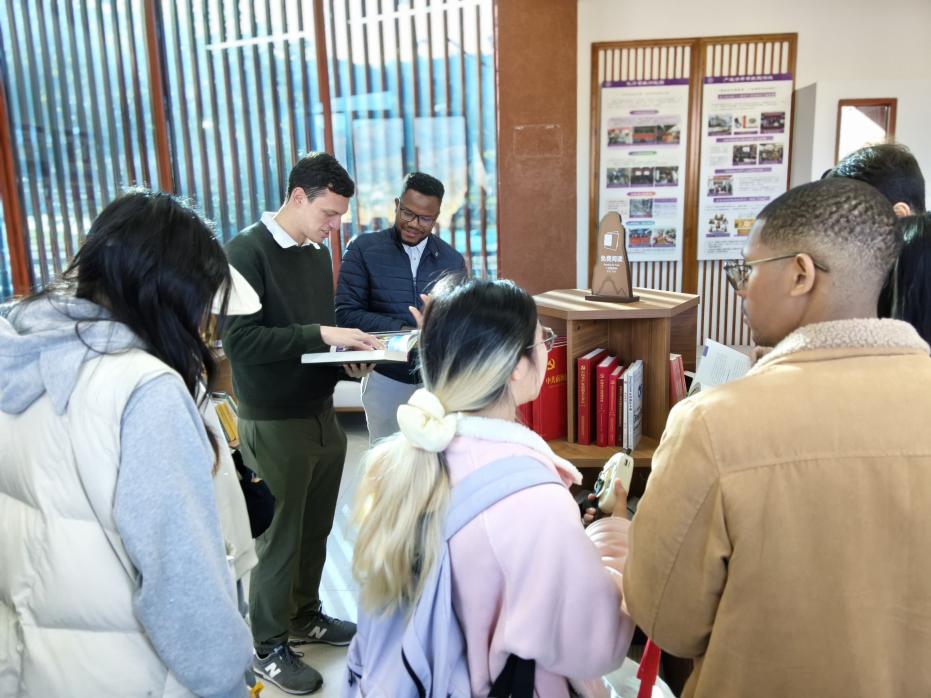
Brazilian students reading shared books in Tsinghua Rural Academy