
Chen Taotao
Professor, School of Economics and Management, Tsinghua University
Director, Tsinghua University Latin America Center
Director, China-Latin America Management Research Center, School of Economics and Management, Tsinghua University

Siqin Bilige
PhD Candidate, School of Economics and Management, Tsinghua UniversityPhD Researcher,
China-Latin America Management Research Center, School of Economics and Management, Tsinghua University
(I) Brief Description of the Project and the Enterprise
China Electric Power Construction Group (PowerChina) is a global leader in clean and low-carbon energy, water resources, and environmental construction. In 2023, it ranked first for the fourth consecutive year on the ENR Top 150 Global Design Firms list and was among the top ten in both the ENR Top 250 Global Contractors and ENR Top 250 International Contractors lists. PowerChina Huadong Engineering Corporation Limited (hereinafter referred to as "Huadong Engineering") is a key subsidiary of PowerChina. Established in 1954, it is a state-level large-scale comprehensive survey, design, and research institution.
Huadong Engineering bid for the CEME1 photovoltaic project in Chile in 2019, successfully signed the contract in April 2021, and commenced on-site work in November of the same year. The company has now successfully completed the project's construction. As the EPC (Engineering, Procurement, and Construction) contractor, Huadong Engineering was responsible for the photovoltaic field, a 220kV booster station, and a transmission line. The project owner is Generadora Metropolitana Renewable (GM), a joint venture between Électricité de France (EDF) and Chilean power generator AME. With a total installed capacity of 480MW, it is currently the largest single photovoltaic project in Chile. Upon completion, the project is expected to provide sufficient clean energy for 400,000 households and reduce carbon dioxide emissions by 280,000 tons annually. Huadong Engineering’s "Belt and Road" builders actively responded to the "3060 Dual Carbon Goals" while supporting Chile in achieving its 2050 carbon neutrality target, thereby advancing global efforts toward carbon neutrality.
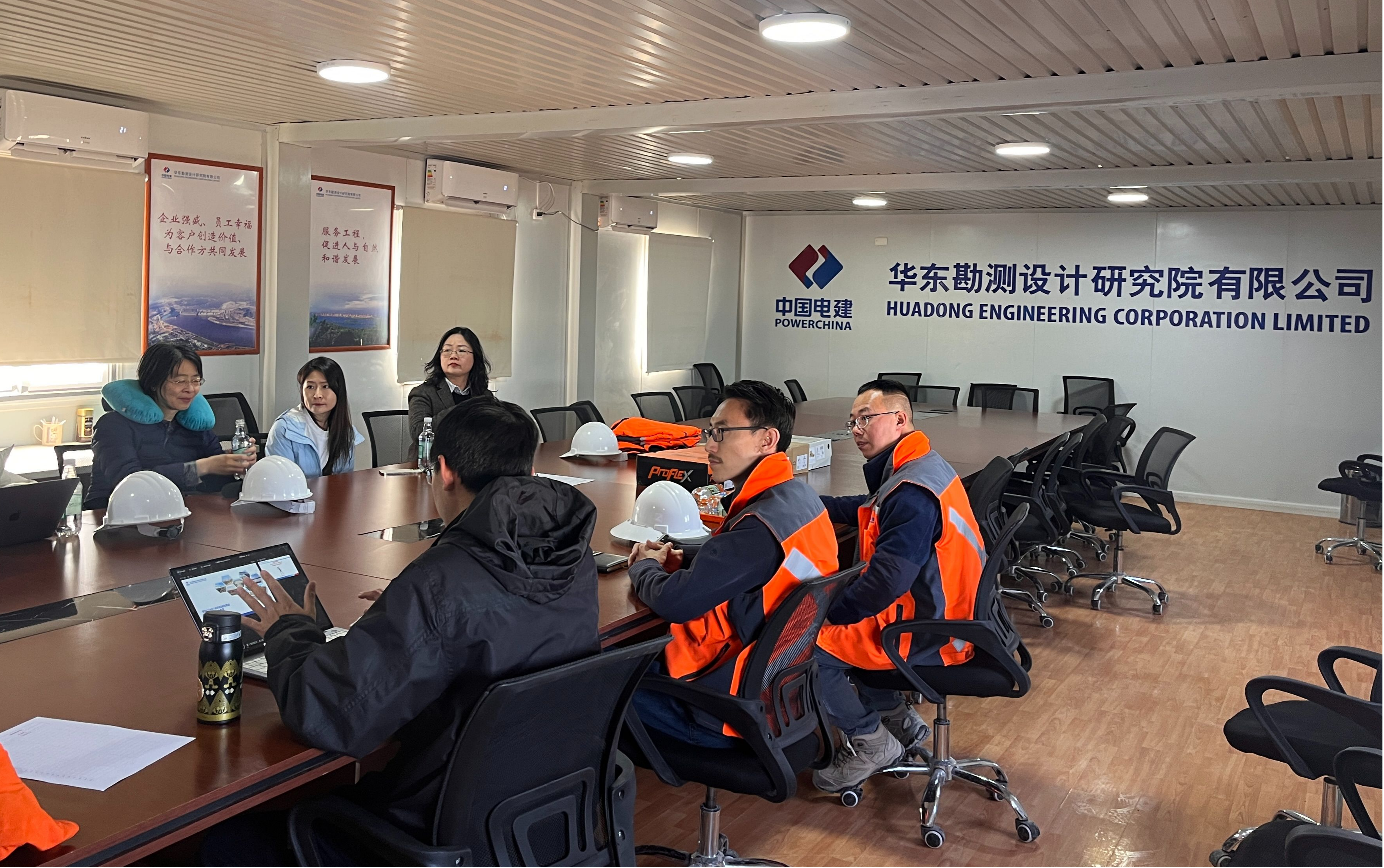
Figure 1: Tsinghua Latin America Center Visits the Site of PowerChina Huadong Engineering’s Chile Project
(II) Chile’s Locational Advantages and Enterprise Capabilities
PowerChina’s choice to conduct transnational operations in Chile was not accidental. According to fundamental principles of international business, host countries for transnational operations often possess distinct locational advantages. First, Chile boasts abundant solar resources, providing excellent natural conditions for photovoltaic industry development. The Atacama Desert, one of the driest and highest solar radiation areas on Earth, is known as the world’s "driest place," with minimal annual rainfall. According to the Chilean Solar Energy Research Center, if fully developed, the desert’s solar power generation could meet 60 times Chile’s national electricity consumption. Over the past decade, technological advancements in Chile’s photovoltaic industry have progressed steadily. Since 2012, the Chilean Solar Energy Research Center has been dedicated to developing photovoltaic components adapted to extreme conditions, promoting solar energy applications in agriculture, animal husbandry, and other sectors, and training specialized technical talent. Chile’s solar installed capacity has surged from 2MW to over 6,000MW in the past decade. The Chilean government actively promotes photovoltaic industry development. In 2015, the Ministry of Energy released the "2050 Sustainable and Inclusive Energy Roadmap," proposing that at least 70% of electricity should come from renewable energy, with a focus on solar and wind power, by 2050. These technological advancements and policy support highlight the growing demand for photovoltaic technology in the Chilean market, creating significant locational advantages for the industry. These advantages align closely with Huadong Engineering’s technical capabilities and development direction, serving as a key driver for its entry into the Chilean market.
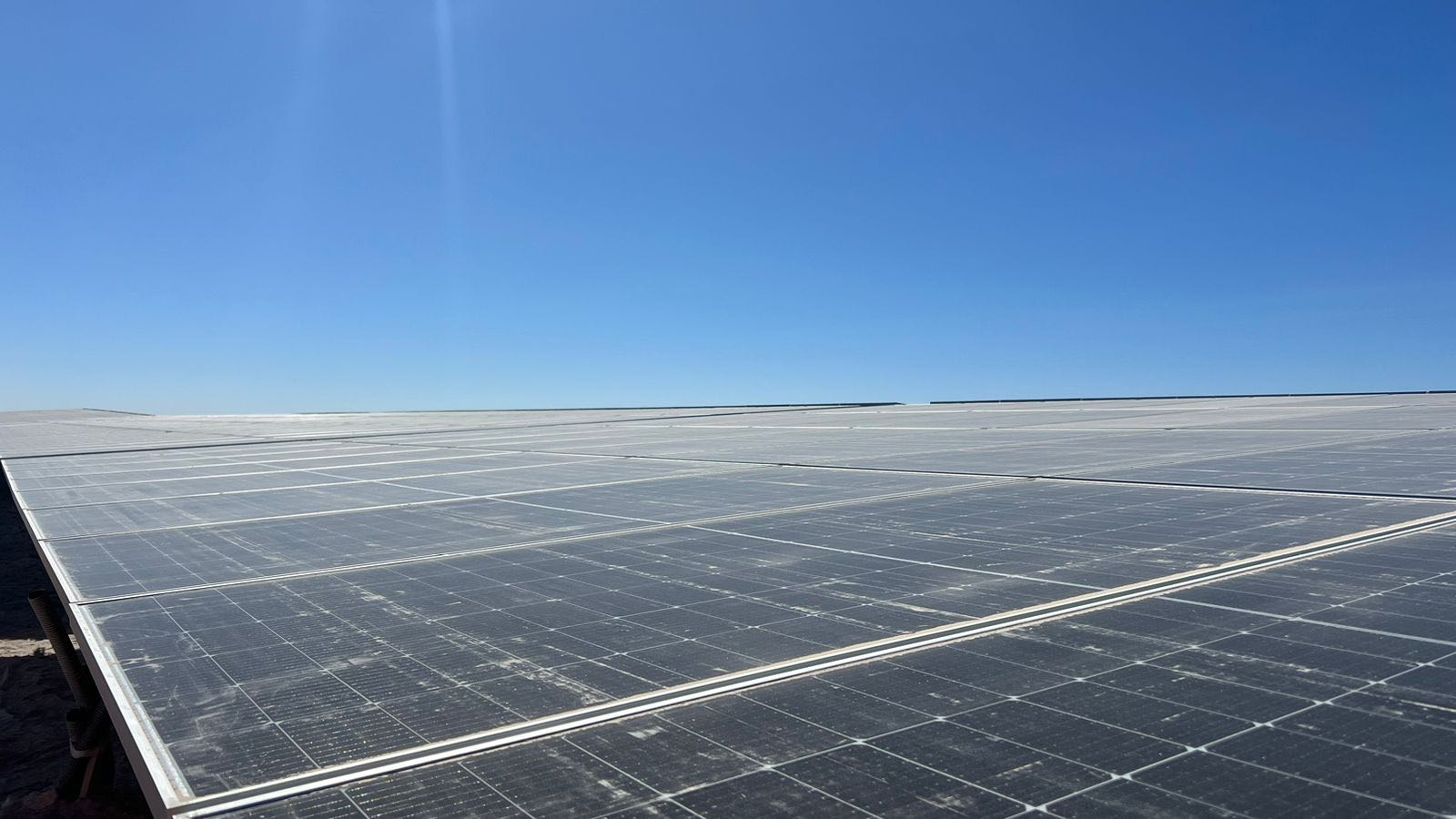
Figure 2: Photovoltaic array area of PowerChina’s CEME1 project in Chile
Second, Chile maintains a relatively stable political environment and has long implemented open economic policies aimed at attracting foreign investment and promoting economic growth. This provides a favorable business environment for PowerChina.
Therefore, despite the geographical distance and significant cultural and institutional differences between Chile and China, PowerChina chose to expand its operations into Chile, primarily because the company had accumulated substantial capabilities domestically and internationally prior to this project. Since 2011, Huadong Engineering has pursued its "Two-Three-Three" strategic development goal: leveraging "engineering technology capabilities and digitalization capabilities" to provide full-process engineering services in three business sectors: "hydropower and new energy, urban and rural construction, and ecology and environment." Over the past decade, Huadong Engineering has developed robust capabilities in the new energy EPC field, which can be categorized into three aspects:
1. Competitiveness of the Domestic Industry:
China’s photovoltaic industry has developed rapidly over the past two decades, achieving a leading global position with world-class technology. PowerChina, as a representative enterprise in China’s photovoltaic project construction sector, naturally possesses corresponding technical capabilities.
After years of development, China’s photovoltaic industry has established a complete industrial chain with sufficient production capacity and resources. This enables efficient and cost-effective support for PowerChina’s overseas engineering project needs.
2. Enterprise-Specific Competitiveness:
PowerChina’s early involvement in major domestic photovoltaic power generation projects provided rich technical experience, enabling it to adapt and tailor technical solutions to local conditions in host countries.
The group has a dedicated international procurement department, a well-established procurement system, and strong international procurement capabilities, allowing efficient sourcing and transportation of construction materials and equipment to host countries.
PowerChina maintains a robust financial foundation, providing strong support for its operations and long-term development.
3. Early Internationalization Experience:
Driven by its strategic goal of becoming a "first-class international engineering company," Huadong Engineering actively explores new industrial levels and markets. It has established five regional headquarters worldwide, covering over 70 countries and regions. The company has completed numerous medium- to large-scale engineering projects in Mexico, Guyana, Trinidad and Tobago, and other Latin American countries, accumulating extensive international management and engineering contracting experience. This provided a solid foundation for its entry into the Chilean market.
The project manager for the Chilean photovoltaic project has over a decade of experience in power projects in the Middle East, Southeast Asia, and the Americas, particularly in Mexico. This experience helped the company address challenges related to institutional, cultural, and linguistic differences when entering the Chilean market.
In summary, prior to entering the Chilean market, Huadong Engineering had already developed capabilities in technology, supply chain management, financing, and international project management. This formed a reliable foundation for its transnational engineering contracting capabilities and provided strong support for mutually beneficial development with the host country.
By entering the Chilean market, Huadong Engineering was able to internalize its accumulated technology, resources, procurement, and management experience into the host country’s market. This enabled effective technology internalization and project management, meeting the host country’s demand for new energy development while reducing operational risks and enhancing the company’s international competitiveness.
(III) Challenges During Project Construction and Response Strategies
Despite PowerChina’s extensive experience and capabilities in domestic and international markets, the significant geographical distance and differences in cultural background and market environment between Chile and China presented challenges during project construction. These included water scarcity, labor shortages, and insufficient local suppliers.
First, Huadong Engineering’s CEME1 project is located in the Atacama Desert in northern Chile, a region characterized by extreme aridity and heat. The limited water resources severely constrained construction and operational activities.
Second, mining projects in northern Chile offer high salaries and stable employment opportunities, attracting local labor away from other sectors. This led to a shortage of sufficient labor for PowerChina’s project.
Third, the withdrawal of some Western companies from Chile’s photovoltaic market affected the reputation of foreign enterprises, reducing the willingness of some subcontractors to collaborate with new energy contractors. This posed trust-related challenges for PowerChina. Additionally, Chile’s photovoltaic subcontracting market is fragmented, with reputable, well-funded, reliable, and experienced large subcontractors being scarce and expensive. Collaborating with them introduced uncertainties in project timelines and higher costs. Chilean law also stipulates joint liability between contractors and subcontractors, meaning subcontractor misconduct could increase the contractor’s risks and responsibilities. Instances of subcontractors disappearing after receiving advance payments further exacerbated these challenges.
To address these challenges, PowerChina implemented tailored strategies:
1.Leveraging AI Technology to Address Water and Labor Shortages:
PowerChina innovatively procured fully automated smart cleaning robots from China to clean photovoltaic panels. These robots significantly reduced water consumption for cleaning and decreased labor requirements.
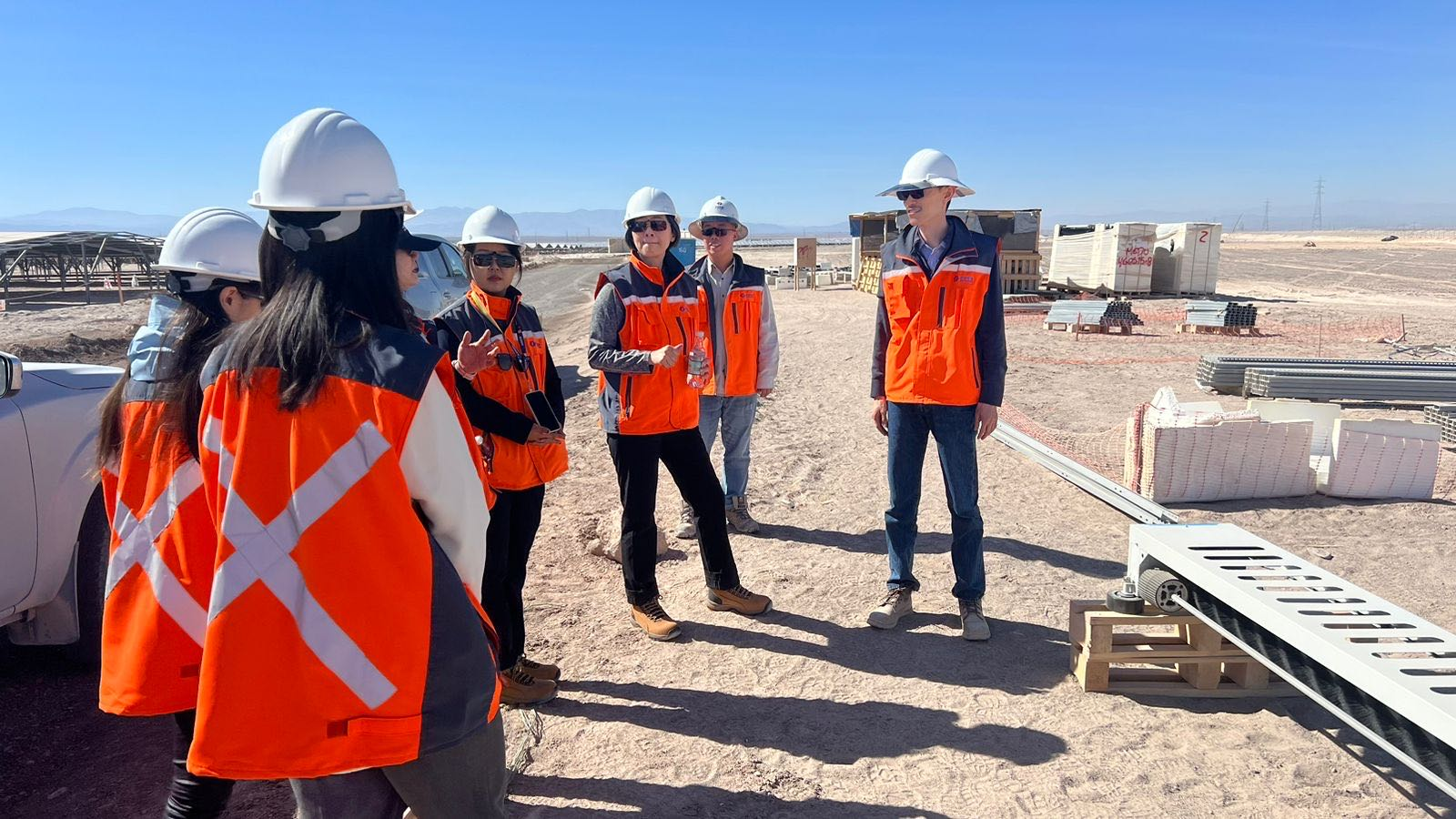
Figure 3: PowerChina Chile Project Team Introduces the Fully Automatic Smart Cleaning Robot
2. Adopting a Supplier Development Strategy to Address Local Supplier Market Challenges:
PowerChina quickly hired experienced local talent familiar with the market to join the project’s subcontracting team. These professionals efficiently addressed issues related to local laws, regulations, and cultural practices.
The company identified reliable, resource-sufficient small- and medium-sized subcontractors in the local market and provided them with support, including financial assistance during difficulties. This ensured smooth project progress while reducing costs and improving timeline control.
A notable example is the collaboration with Company A, a Colombian subcontractor with over 30 years of engineering experience. Despite its small size, Company A demonstrated efficient administrative decision-making, a young and dedicated professional team, and strong mobilization capabilities. The company highly appreciated PowerChina’s supportive payment practices and effective communication, expressing willingness to deepen collaboration and become PowerChina’s key partner in Latin America.
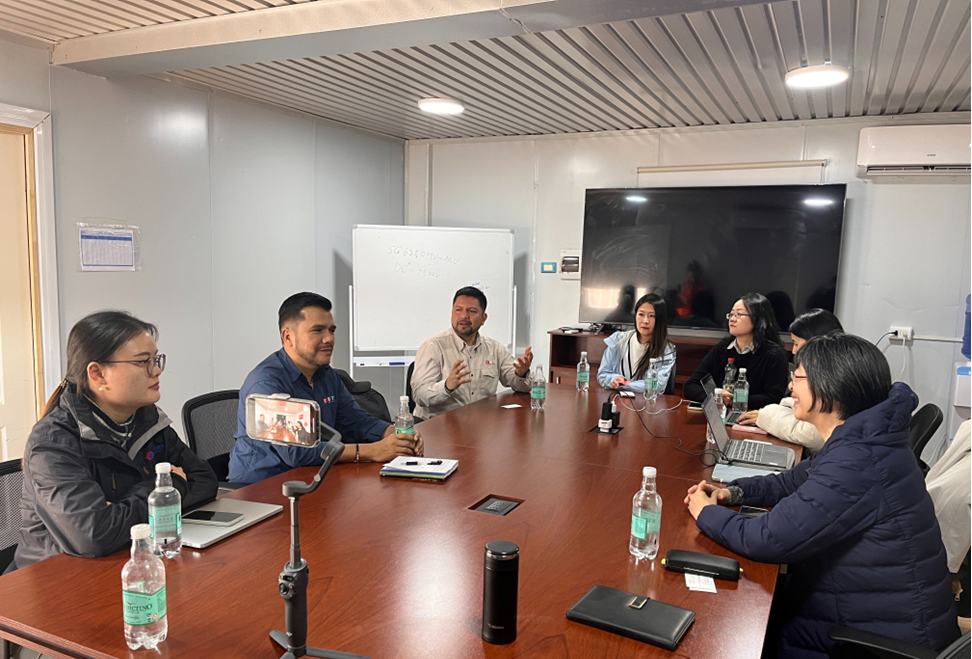
Figure 4: Professor Chen Taotao Interviews PowerChina’s Subcontractor Company A
(IV) Project Outcomes and Impact on the Host Country
As a newcomer to Chile’s new energy market, PowerChina faced significant challenges related to water scarcity, labor shortages, and insufficient local subcontractors. However, leveraging its years of accumulated domestic and international capabilities, the company successfully overcame these challenges through innovative strategies such as AI technology adoption and proactive supplier development. The completion of its first photovoltaic project in Chile solidified its foothold in the market.
PowerChina’s entry into Chile not only marked a breakthrough for the company but also contributed positively to Chile’s sustainable development. According to international business theories on the impact of multinational enterprises on host countries, PowerChina’s presence generated three types of spillover effects:
Intra-Industry Spillover Effects:As a global leader in the photovoltaic industry, PowerChina introduced advanced technology and management experience to Chile. The use of AI technology to address water and labor shortages provided innovative and efficient cleaning solutions, promoting industrial automation and intelligent development in the local photovoltaic sector.
Inter-Industry Spillover Effects:By proactively supporting local small- and medium-sized subcontractors, PowerChina helped them gain exposure to international-standard engineering projects and management processes. This enhanced their professional capabilities, expanded their business opportunities, and improved the overall quality and reputation of Chile’s engineering construction industry.
Human Capital Spillover Effects:Through the employment and training of local workers, PowerChina introduced international management experience and technology, accelerating the professional growth of local talent. This provided opportunities for alignment with global standards and injected new vitality into the local market, laying a foundation for Chile’s future sustainable development.
In summary, PowerChina’s entry into Chile benefited both the company and the host country, driving technological advancement in the photovoltaic industry, enhancing supplier capabilities, and fostering local talent development. This project stands as a milestone in China-Chile cooperation in the new energy sector, building a solid bridge for collaboration and contributing to global sustainable development efforts.
Figure 5: Tsinghua Latin America Center Visits the Site of PowerChina Huadong Engineering’s Chile Project
References:
2024.1, China Electric Power Construction Completes 480MW Photovoltaic Power Station in Chile, pv magazine
2023.12, PowerChina Huadong Engineering: Exploring High-Quality Development of EPC Business Under New Circumstances, China Engineering & Consulting
2023.11, "Belt and Road" Tenth Anniversary | Steadfast Steps, Mutual Benefits—PowerChina Americas Regional Headquarters’ Decade of Development, International Micro-Reference
2023.11, Industry Trends: Photovoltaic Trends and Prospects in Latin America, InfoLink Consulting
2023.9, Rapid Development of Chile’s Solar Photovoltaic Industry, People’s Daily
2023.4, Huadong Engineering as EPC Contractor! Chile’s Largest Single Photovoltaic Project, PV-Tech
2021.10, PowerChina’s Seven Major Design Institutes: Huadong Engineering, Water Resources World
2017.10, Global Hydropower Looks to China, China Hydropower Looks to PowerChina—CCTV Interview with Yan Zhiyong, PowerChina Micro-News