Chinese and Latin American Youth Unite to Empower
The Second Roadshow of the "2026 Poverty Alleviation Challenge" Concludes Successfully
Showcasing Innovative Projects, Seeking Cross-border Teammates
Pooling Cross-disciplinary Wisdom, Uniting Institutional Forces
Exploring New Paths in Mining Cycles, Preserving the Andean Civilization's Roots
Helping Vulnerable Groups Access Resources, Building Urban Food Oases
Breaking Barriers with Educational Equity, Empowering with Youthful Practice
Converging Diverse Solutions to Facilitate Sustainable Development
Figure 1: China—Latin America Youth Responding to Global Challenges——
2026 Poverty Alleviation Challenge
About the Poverty Alleviation Challenge Program
Poverty alleviation is a common challenge for developing countries and a shared challenge for the whole world. In 2024, the Tsinghua University Latin America Center, Research Center for China-Latin America Management Studies of Tsinghua School of Economics and Management (SEM), and Center for Global Competence Development at Tsinghua University, in collaboration with Latin American university partners, launched and carried out the "China-Latin America Youth Responding to Global Challenges — 2024 Poverty Alleviation Challenge Program" in China, Brazil, and Chile, sparking a wave of university-led poverty alleviation dialogues between China and Latin America. In November of the same year, during Chinese President Xi Jinping's state visit to Brazil to attend the G20 Summit, Tsinghua University and the Federal University of Rio de Janeiro signed a cooperation agreement for this project. The agreement was included in the list of visit outcomes, becoming a landmark project for win-win development between China and Latin America. On this basis, the "2025 Poverty Alleviation Challenge Program," jointly hosted by Tsinghua University and Latin American partner institutions, attracted over 310 teachers and students from 27 universities and enterprises across four countries in China and Latin America, with 12 teams advancing to the cross-national finals held in Chile and Brazil.
The "2026 Poverty Alleviation Challenge Program" will build upon the 2025 edition with greater innovation, injecting new momentum into the global poverty alleviation cause. Through cross-national teaming, competitions, and field research, it will gather the strength of Chinese and Latin American youth to jointly explore poverty alleviation solutions. Winning teams will also have the opportunity to travel to Latin America for study and exchange. If you are eager to inject new momentum into global poverty alleviation, now is the best time to set off.
Introduction
In order to deepen the collaboration between Chinese and Latin American youth in poverty alleviation and promote the transformation of diverse poverty alleviation innovation plans into practice, the second roadshow of the 2026 Poverty Alleviation Challenge was successfully held online on April 28, 2026, at 20:30 Beijing time.
This roadshow was honored to have several distinguished guests attend and provide guidance online: Ms. Li Hongru, the director of the Online Education Center of Tsinghua University, Ms. Tatiana Rubio Diaz, a senior expert in social investment (education field) of MMG Ltd. Las Bambas, and Professor Ligia Maria Costa from the Getulio Vargas Foundation (FGV) in Brazil, who provided guidance and support for the collaboration between Chinese and Latin American youth in poverty alleviation.
The second roadshow attracted some young teams to participate online. Among them, 5 teams from Tsinghua University, Federal University of Rio de Janeiro, Federal University of Rio Grande do Sul, and Peking University gave theme presentations. The total number of participants in the event reached 60. Representatives from the Online Education Center of Tsinghua University and MMG Ltd. Las Bambas gathered online. This laid a solid foundation for the cross-border team formation and project transformation of the 2026 Poverty Alleviation Challenge.The roadshow was hosted throughout by the Tsinghua University Latin America Center team.
Meeting Content Review
Opening Remarks
This round of roadshow consists of three core components: team project presentation, recruitment of international team members, and release of institutional propositions. The aim is to provide a platform for young people to showcase their international creative ideas, and to open up precise connection channels for those who are waiting to form teams. At the same time, it collaborates with international high-quality institutions to release official poverty reduction topics, and promote the transformation of the innovative poverty reduction plans between China and Latin America from concept to actual implementation.
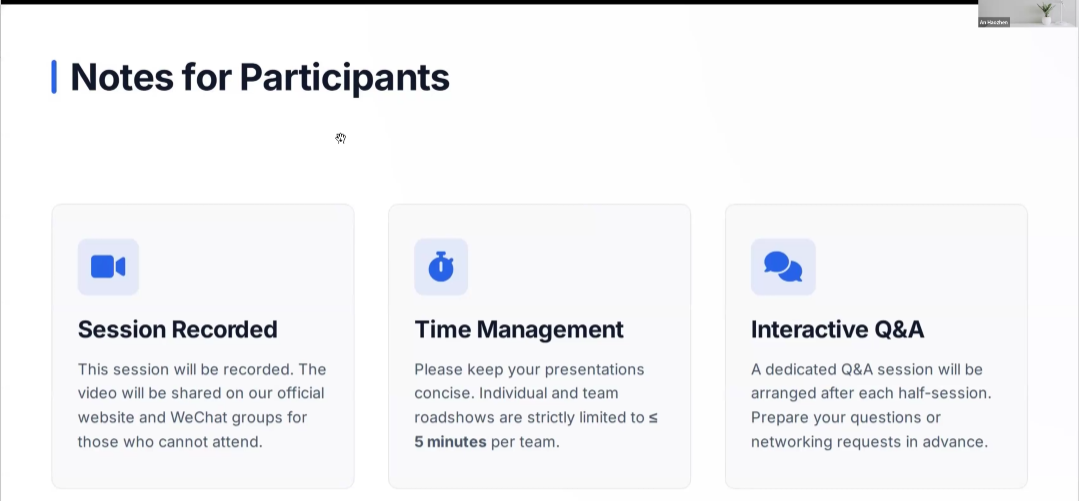
Figure 2 Introduction to the Roadshow Process
Student Presentation Session
The student presentation session of the "2026 Poverty Alleviation Challenge" was successfully held. Five young teams presented one after another, with each team's presentation lasting approximately 5 minutes. Each team shared about their project concepts, progress, team composition, and recruitment needs for cross-border team members. They focused on five poverty alleviation tracks: mining circular economy, cultural heritage protection, service for disadvantaged groups, urban food security, and educational equity. This aimed to provide direction guidance and practical support for the cross-border collaboration and topic selection of young people from China and Latin America.
Presentation content:
The LIGHTS OF LATIN AMERICA team from Tsinghua University focused on the mining circular economy and local cultural ecological development track in Latin America. They addressed the poverty alleviation challenges in copper mining areas in Chile and Peru, proposing a dual-track solution of mining waste resource utilization and protection of indigenous culture to open up new paths for poverty alleviation. They are now seeking a teammate from Latin America with local mining resources and Spanish language skills.
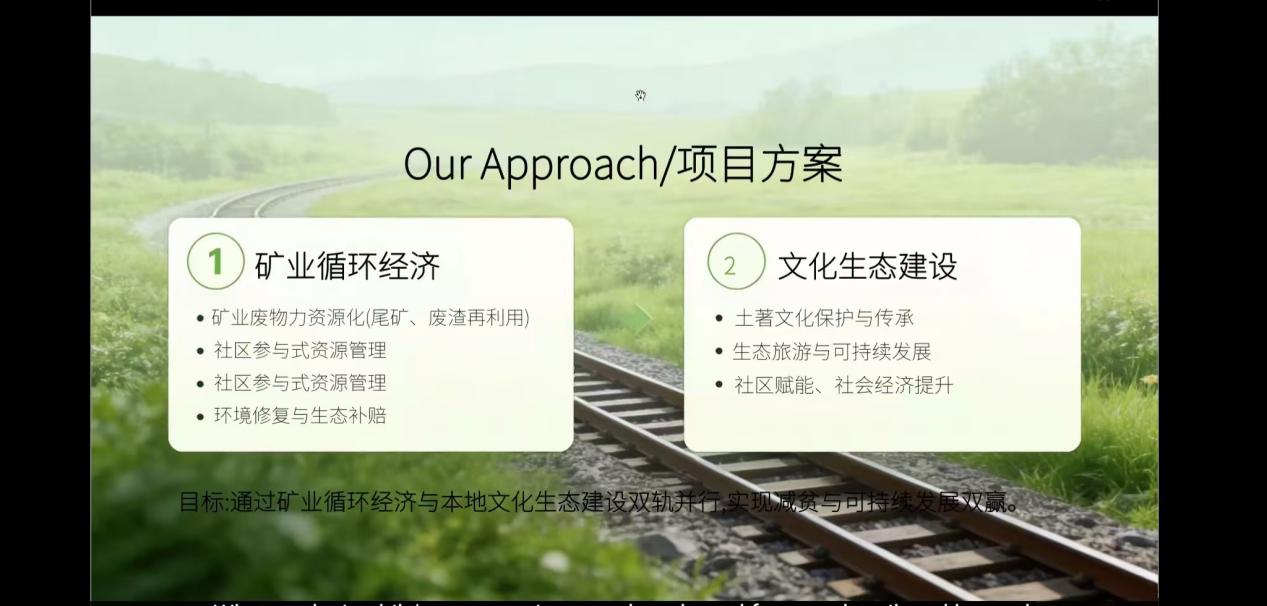
Figure 3 The Lights of Latin America team shares project details
The "Torches of Southern Andean Civilizations" team from Tsinghua University and Peking University focuses on the empowerment of the global value chain of Latin American Andean handicrafts and the protection of indigenous cultural heritage. They aim to address the poverty and cultural inheritance issues faced by local indigenous communities by creating an international platform for the integrated production and sales of handicrafts. By promoting cultural protection, they aim to drive sustainable poverty reduction. Currently, they are recruiting teammates with business/ logistics backgrounds and who recognize the importance of local cultural protection in Peru and Chile to jointly implement the China-Latin America cultural poverty reduction project.
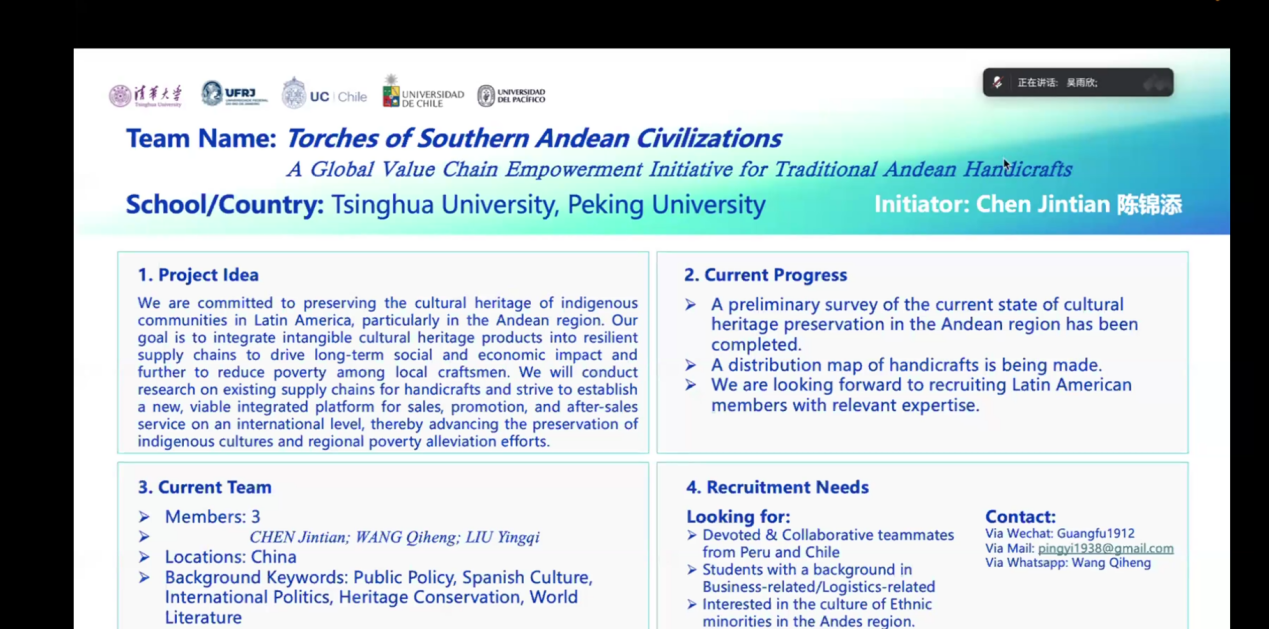
Figure 4: Project Content Shared by the "Torches of Southern Andean Civilizations" Team
The Assistive for all team from the Federal University of Rio de Janeiro in Brazil focuses on medical services for the disabled and public services for disadvantaged groups. By integrating mobile medical services with localized assistive technologies, they aim to bridge the final mile of service delivery. Currently, they are recruiting members with backgrounds in the medical system from both China and Latin America.
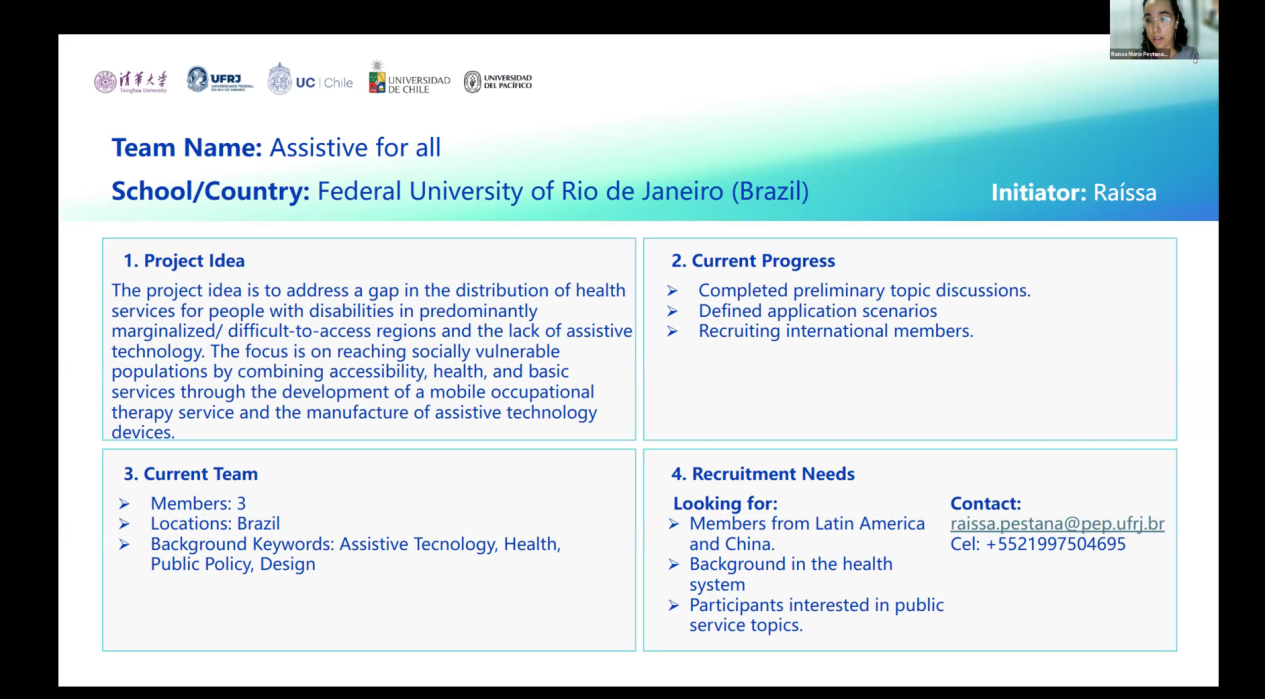
Figure 5: The Assistive for All team shares the project content
The Lab Pau-Brasil team from the Federal University of Rio de Janeiro in Brazil is focusing on the track of urban food security and sustainable development. They are using a integrated urban agroforestry unit solution to address the food crisis in Latin American metropolises, safeguarding food sovereignty and opening up new paths for sustainable poverty reduction. They are currently recruiting young members with computer and environmental engineering backgrounds from the China-Latin America region.
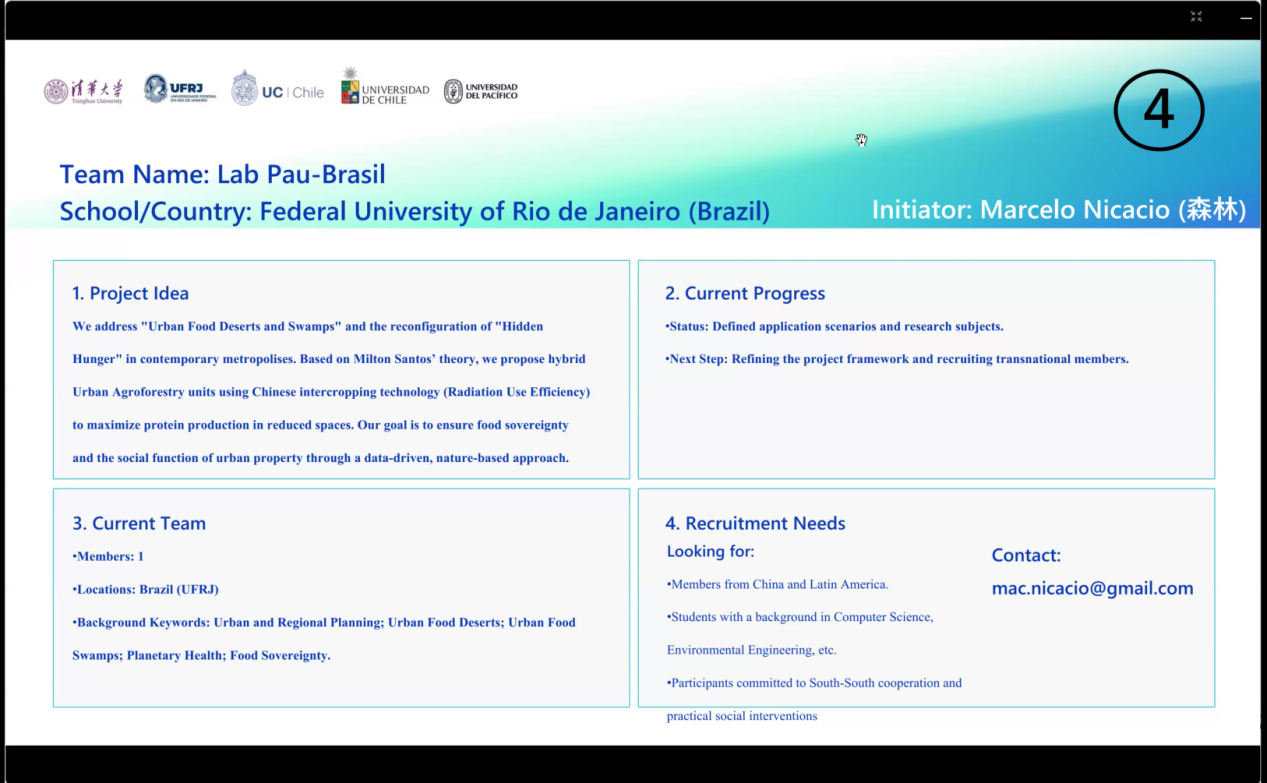
Figure 6: The Lab Pau-Brasil team shares the project details
The ASCENT-ED team from the Federal University of Fluminense in Brazil, focusing on the research track of educational equity and poverty issues in Latin America, has identified the core pain points of educational inequality and the intergenerational transmission of poverty in Latin America. Through academic research and data analysis, they have developed feasible educational intervention plans, providing data and policy support for relevant institutions. Currently, the team has determined the research topic and selected the data sources. They are now recruiting young members with education-related majors and a passion for researching issues of inequality in Latin America in the Central and Latin American regions.
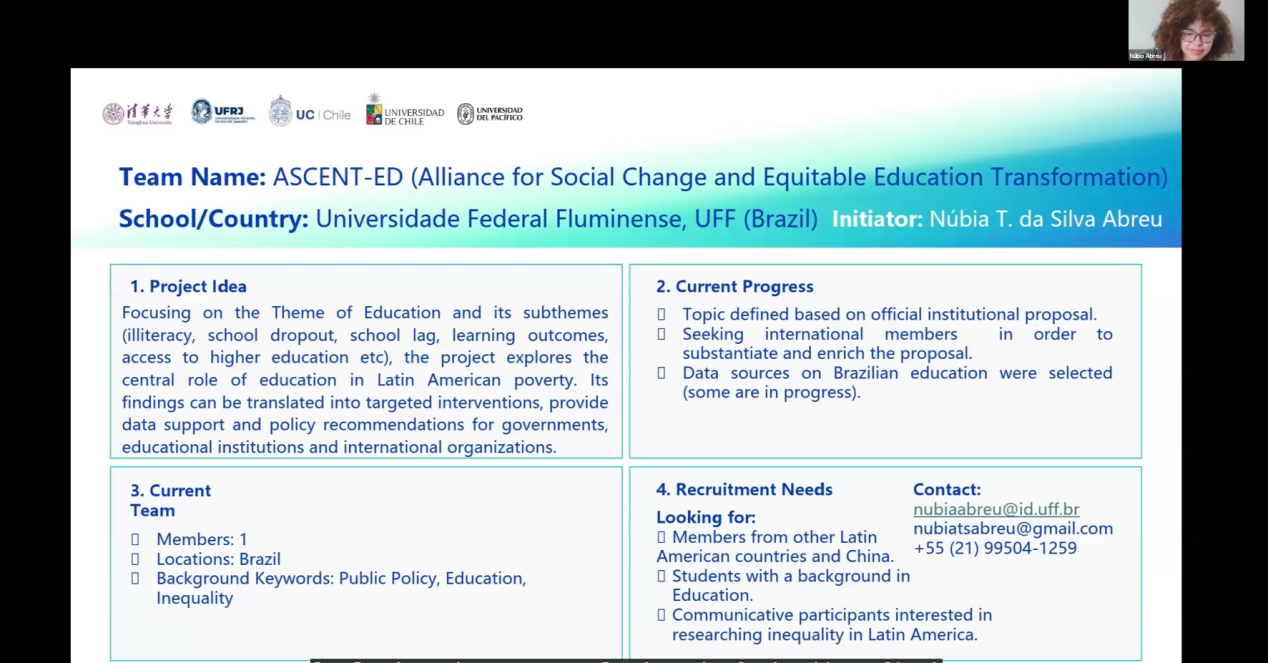
Figure 7: The ASCENT-ED team shares the project content
Institutional Proposition Release
The official proposition session of the "2026 Poverty Alleviation Challenge"roadshow organization was successfully held. Ms. Li Hongru,the director of the Online Education Center of Tsinghua University,and Ms. Tatiana Rubio Diaz,a senior expert in social investment of MMG Ltd. Las Bambas, released the official poverty alleviation topics and directions. This provides topic guidance for young people from China and Latin America to form teams and carry out innovative practices, and is in line with the actual needs of the Latin American region.
Ms. Li Hongru focused on the UN SDG4 goal of high-quality education and released four major official poverty alleviation topics,covering teacher growth, vocational skills, agricultural digital classrooms,and AI learning assistants. Based on the more than ten years of practical experience of the Online Education Center of Tsinghua University,Ms. Li Hongru shared three core supporting systems that can directly empower youth poverty alleviation projects,namely Xuetang Online,Rain Classroom,and AI + Education Solution, and put forward core initiatives to the young participants of this poverty alleviation challenge:Poverty alleviation projects should not only focus on the technology itself,but all technical solutions must be designed based on the practicality and sustainability of the real scenarios. At the same time,Ms. Li Hongru will join the mentor team of this poverty alleviation challenge to provide full professional guidance and resource support for the youth projects.
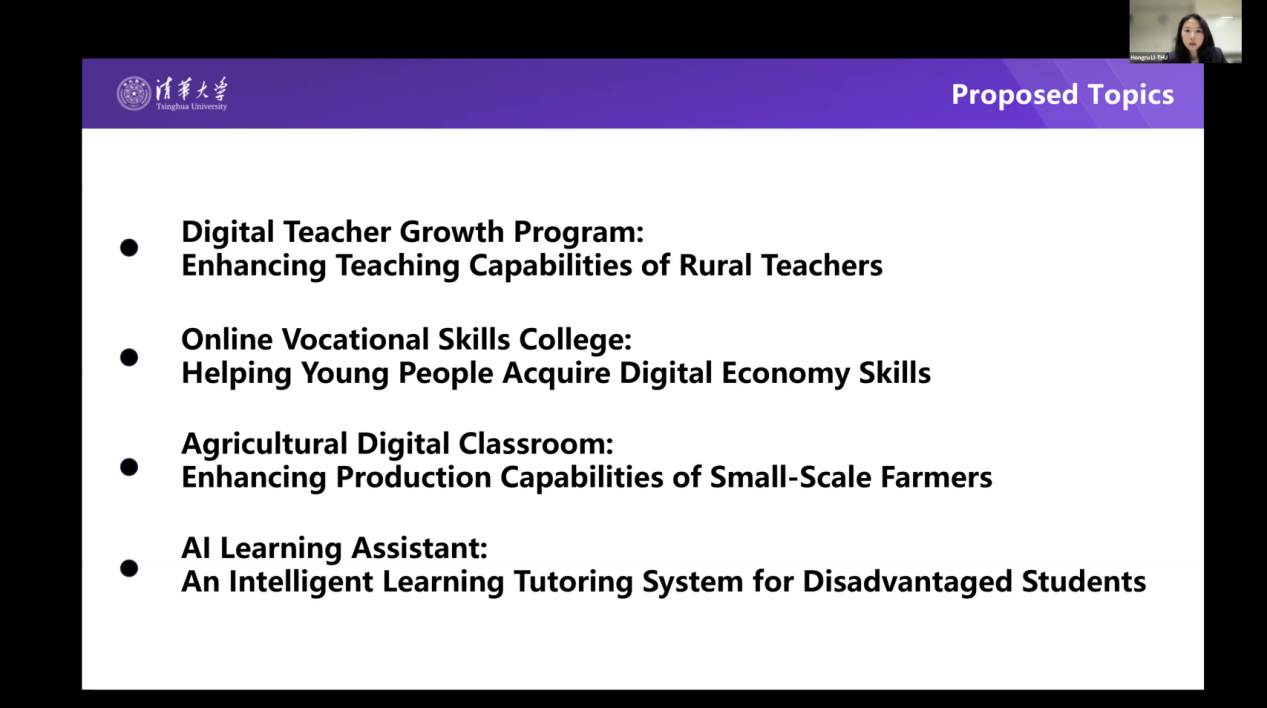
Figure 8: Ms. Li Hongru announces four official educational poverty alleviation projects
The operating area of MMG Ltd. Las Bambas is located in the high-altitude plateau region of Peru at an elevation of 3,000--4,500 meters. Surrounding these areas are rural indigenous communities, which are highly scattered geographically and face significant limitations in accessing basic services and receiving government support.
Seven propositions on poverty reduction directions announced during this roadshow are: the design of a sustainable professional development model for rural teachers and school administrators, the design of a comprehensive digital literacy improvement model specifically for rural women, the design of an analysis framework for health intervention projects targeting rural disadvantaged groups, the design of a remote medical model for rural elderly groups, the design of a continuous health management technology solution after rural medical charity visits, the design of a sustainable model for transforming existing forestry projects into long-term income sources for communities, and the design of a sustainable business model for community demonstration farms. These research directions all stem from real local implementation pain points, covering four racetracks: education, health, and agriculture, and the community economy. The aim is to use the innovative solutions proposed by Chinese and Latin American youth to address the real poverty alleviation needs of communities, achieve sustainable development of the communities and positive changes in family lives. At the same time, Ms. Tatiana Rubio Diaz will provide mentoring services for the youth project of this poverty alleviation challenge.
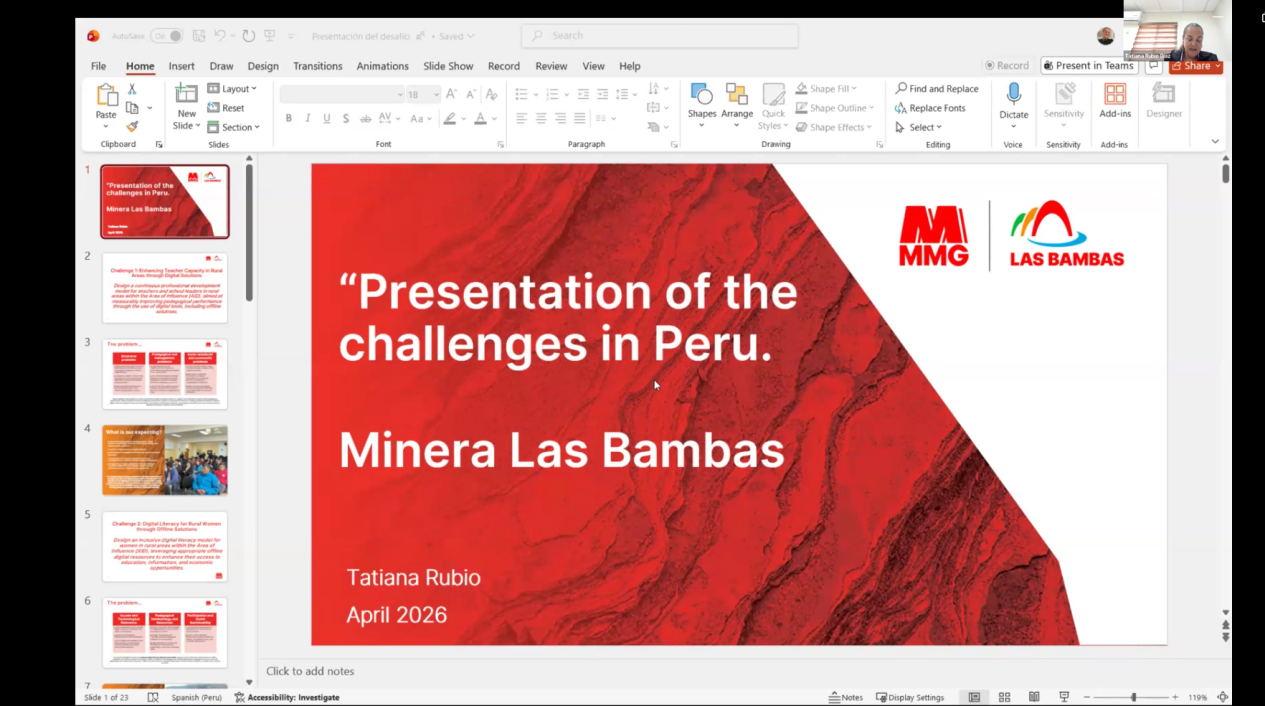
Figure 9: Tatiana Rubio Diaz presents 7 research directions for poverty reduction
The sharing by the two guests covered two dimensions: the global universal solution for poverty alleviation through digital education, and the real poverty alleviation pain points and implementation challenges faced by local communities in Latin America. These provided a clear project direction and implementation support system for the 2026 Poverty Alleviation Challenge project. They also established the platform for China-Latin America youth poverty alleviation cooperation, promoting innovative poverty alleviation plans among young people, transforming creative ideas into real implementation practices, and ultimately achieving the core goal of China-Latin America youth working together and leveraging innovative power to drive the global poverty alleviation cause.
Closing Summary
The second presentation of the "2026 Poverty Alleviation Challenge" has now successfully concluded. This event brought together diverse poverty reduction ideas, opened up channels for cross-border team collaboration, released authoritative practical projects, and laid a solid foundation for the implementation of youth innovations. May we all work together, pool our efforts, and illuminate the path of poverty reduction in China and Latin America with the power of youth, ensuring that the innovative solutions truly benefit the communities in Latin America!
Conclusion
This online gathering, which aims to assist poverty reduction through wisdom and shares the same goal of cross-border cooperation, has brought together the innovative enthusiasm and practical commitment of young people from China and Latin America. With unwavering dedication, we continue to move forward. We look forward to more young people joining hands and working together, leveraging wisdom to unite and acting with unity to continue writing a new chapter in China-Latin America poverty reduction cooperation, and injecting continuous youthful energy into global sustainable development!
The roadshow replay video is here!Enjoy a quick review of the highlights:
Link:
https://us02web.zoom.us/rec/share/p9E6bpfc3PwRRl5RKaz_FQUWa2Er_F3BzAHUOffyj7V38yuFi98vUPQ-doxUDDnT.aHOQ6R3Hge0LDoEZ
Password: gH6i%&4W