China-Latin America Youth Responding to Global Challenges
Invites you to join the
"2026 Poverty Alleviation Challenge Program"
Discover poverty around you
Explore poverty alleviation solutions together
Outstanding teams will have the opportunity to
travel to Brazil/Chile for cross-cultural mutual learning
Global challenges, respond together
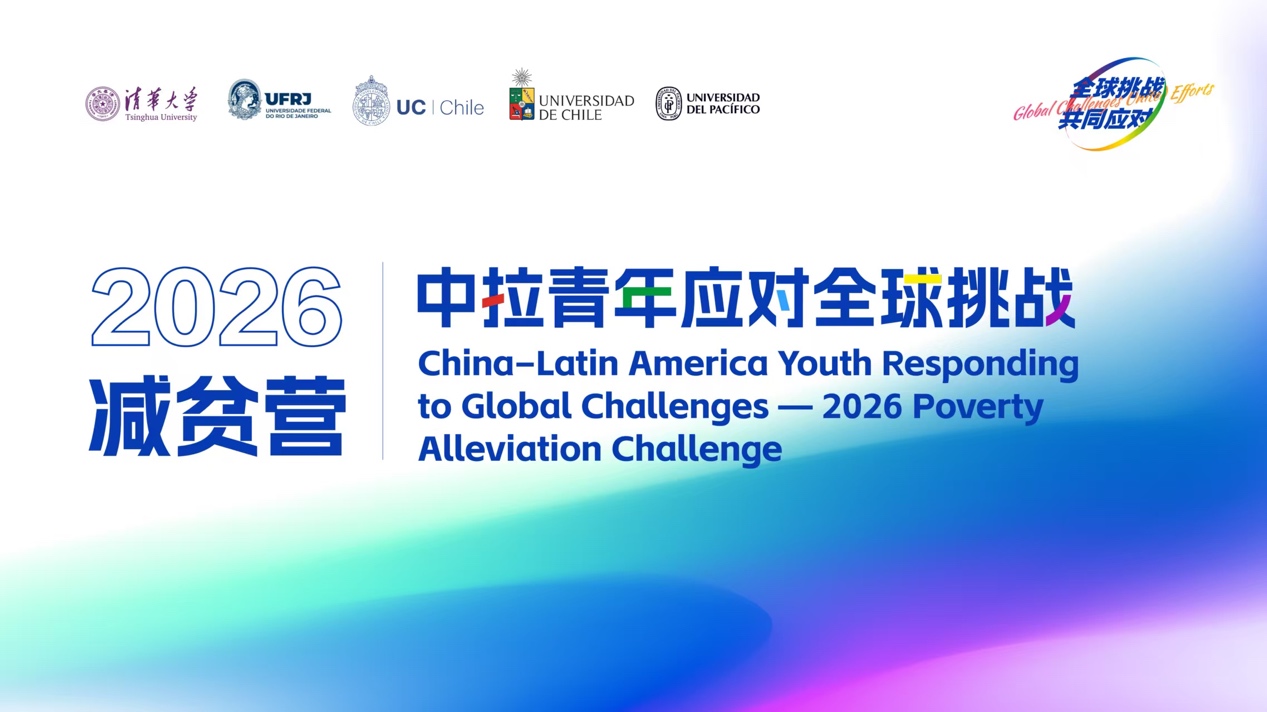
About the Poverty Alleviation Challenge Program
Poverty Alleviation is a common challenge for developing countries and a shared challenge for the whole world. In 2024, the Tsinghua University Latin America Center, Research Center for China-Latin America Management Studies of Tsinghua School of Economics and Management (SEM), and Center for Global Competence Development at Tsinghua University, in collaboration with Latin American university partners, launched and carried out the "China-Latin America Youth Responding to Global Challenges — 2024 Poverty Alleviation Challenge Program" in China, Brazil, and Chile, sparking a wave of university-led poverty alleviation dialogues between China and Latin America. In November of the same year, during Chinese President Xi Jinping's state visit to Brazil to attend the G20 Summit, Tsinghua University and the Federal University of Rio de Janeiro signed a cooperation agreement for this project. The agreement was included in the list of visit outcomes, becoming a landmark project for win-win development between China and Latin America. On this basis, the "2025 Poverty Alleviation Challenge Program," jointly hosted by Tsinghua University and Latin American partner institutions, attracted over 310 teachers and students from 27 universities and enterprises across four countries in China and Latin America, with 12 teams advancing to the cross-national finals held in Chile and Brazil.
The "2026 Poverty Alleviation Challenge Program" will build upon the 2025 edition with greater innovation, injecting new momentum into the global poverty alleviation cause. Through cross-national teaming, competitions, and field research, it will gather the strength of Chinese and Latin American youth to jointly explore poverty alleviation solutions. Winning teams will also have the opportunity to travel to Latin America for study and exchange. If you are eager to inject new momentum into global poverty alleviation, now is the best time to set off.
Introduction
To deepen technical exchanges on accessibility between China and Latin America and facilitate the translation of scientific and technological achievements into inclusive poverty reduction practices, the “Accessibility Empowering China-Latin America Poverty Reduction” workshop was successfully held online at 21:00 Beijing time on 9 April 2026. The event brought together 84 online participants from universities, research institutions, youth teams and relevant practitioners in both China and Latin America. Representatives from Tsinghua University, the School of Medicine of the University of Chile, and Chile Social Solidarity and Investment Fund (FOSIS) convened virtually to conduct in-depth discussions on technology implementation, demand alignment, youth innovation and pathways for transnational cooperation, thereby laying a solid foundation for cross-border team formation and project transformation for the 2026 Poverty Alleviation Challenge Program. The workshop was hosted by the Tsinghua University Latin American Center.
Meeting Content Review
1. Opening Remarks
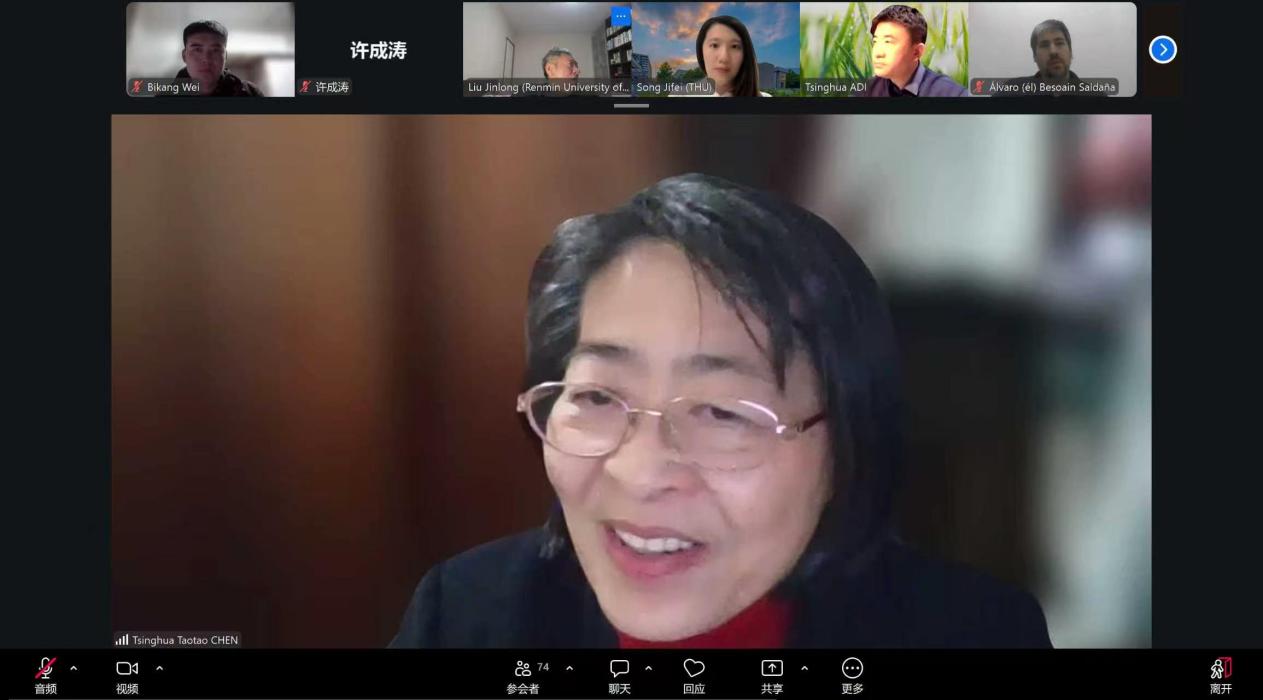
Chen Taotao, Director of the Tsinghua University Latin American Center, delivered the opening remarks. She pointed out that one of the core objectives of the China-Latin America Youth Responding to Global Challenges – 2026 Poverty Alleviation Challenge is to promote mutual learning between China and Latin America in poverty reduction experience. A new initiative launched this year is to invite institutions with proven best practices to propose real project topics, and encourage Chinese and Latin American youth to form transnational teams, so as to explore how successful poverty alleviation experience from one country can be applied to address similar poverty challenges in other countries through practical research and implementation. The Institute for Accessibility Development at Tsinghua University was invited to join the challenge thanks to its outstanding practices and achievements in serving people with disabilities and advancing accessibility in China.
2. Release of Proposals for the 2026 Poverty Alleviation Challenge Program
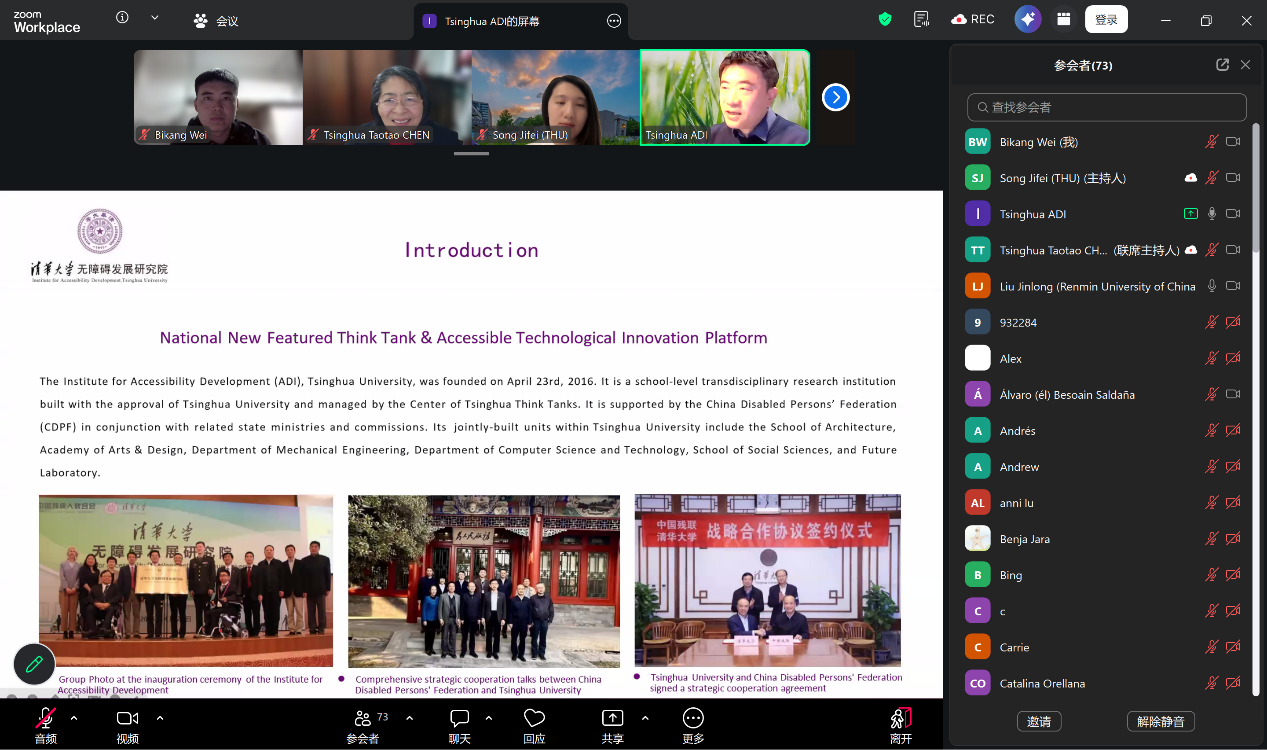
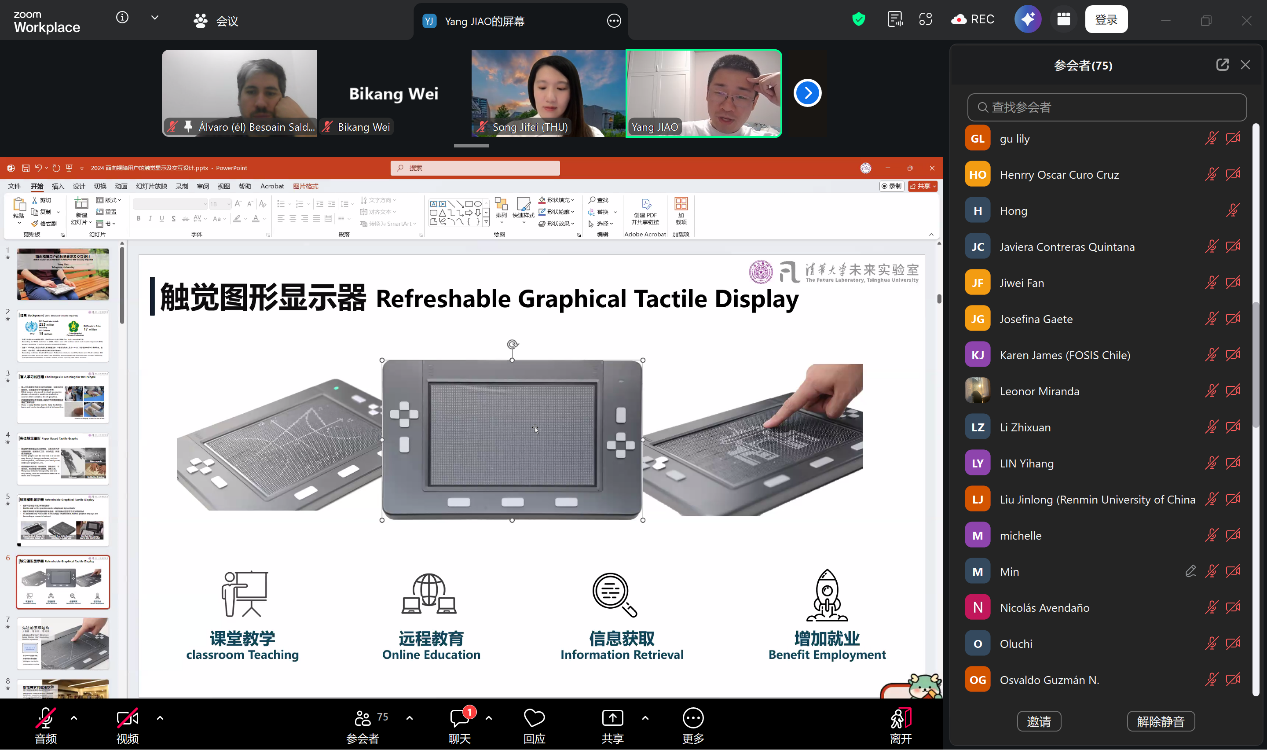
Shao Lei, Dean of the Institute for Accessibility Development Tsinghua University; Yuan Yuan, International Affairs Officer of the Institute for Accessibility Development Tsinghua University; and Jiao Yang, Assistant Research Fellow at The Future Laboratory, Tsinghua University, presented the achievements of their respective institutions and officially released five youth innovation proposals. These proposals cover areas including Braille-assisted educational technology, public health for women with disabilities, digital services for informal employment, offline AI teaching assistance, and early childhood development intervention toolkits. They are highly tailored to local contexts in Latin America and provide clear directions for cross-border team formation among Chinese and Latin American youth.
l Low‑cost Braille Display Software Ecosystem Design: Targeting the visually impaired community in Latin America, this proposal aims to develop localized digital content, teacher tools, and co‑creation mechanisms compatible with low‑cost Braille hardware, thereby advancing the implementation of inclusive education.
l Health Information Accessibility for Women with Disabilities: Aimed at impoverished women with disabilities, this proposal designs a low‑barrier, disseminable, and referable health information intervention framework based on community trust networks, to bridge the “last mile” of health services.
l Community Digital Directory and Trust Network Building: For vulnerable groups in informal employment in Latin America, this proposal establishes a low‑tech‑barrier community digital identity and trust endorsement system, enhancing their visibility, trustworthiness, and access to job opportunities.
l Offline AI Teaching Assistant: For schools in rural and marginalized areas of Latin America, this proposal develops a lightweight AI teaching assistance tool that does not require internet connectivity, helping teachers quickly generate inclusive education content tailored to students with disabilities.
l Child‑friendly Education Toolkit: For child service organizations in impoverished communities in Latin America, this proposal designs a low‑cost, easy‑to‑operate early education toolkit that empowers non‑professional caregivers to promote children’s cognitive and socio‑emotional development.
3. Latin American Perspectives on Technology Implementation Scenarios
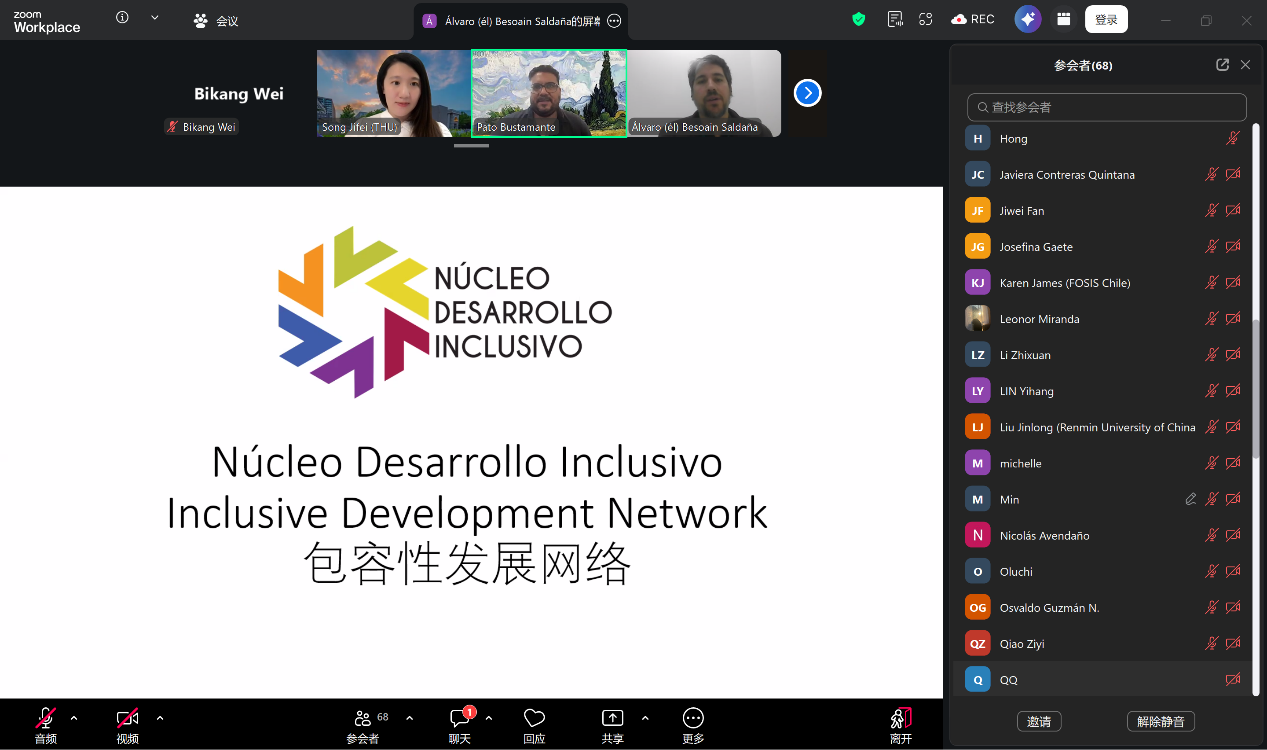
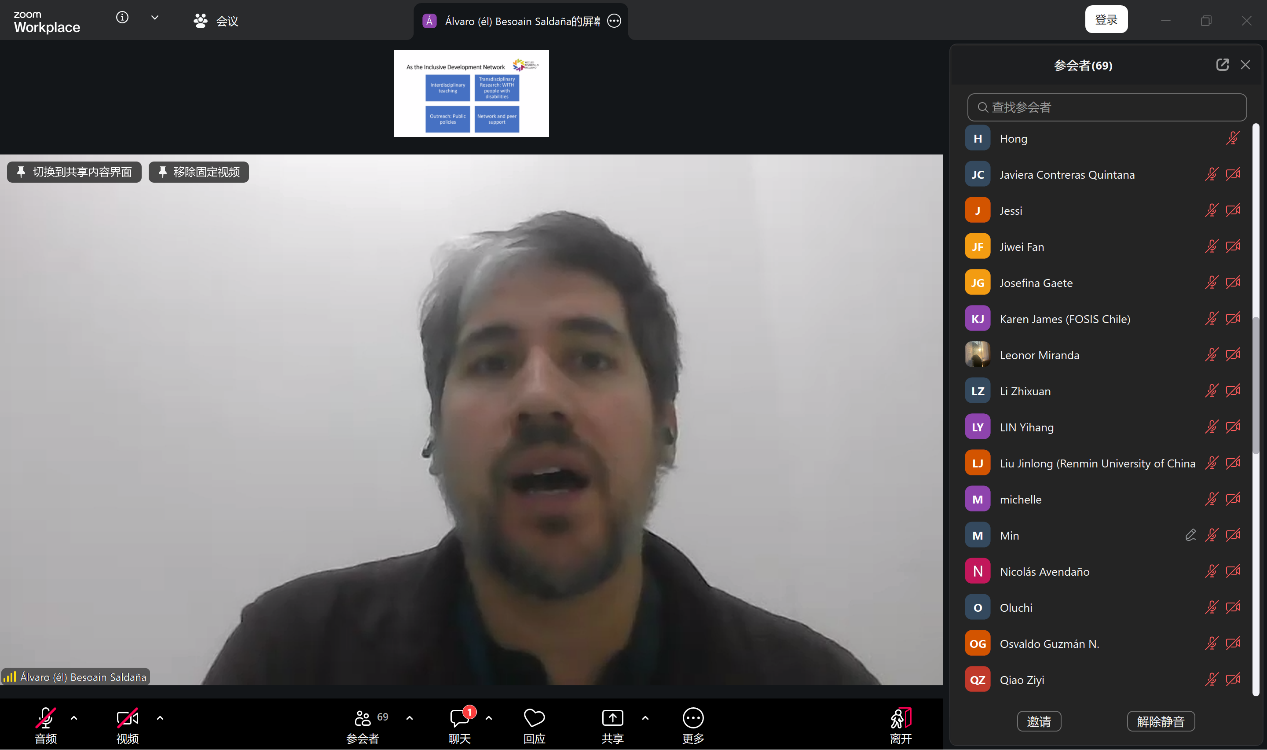
Professor Patricio Bustamante Veas, Director of the Department of Medical Technology at the Faculty of Medicine of the University of Chile, Coordinator of the Academic Committee on Disability and Accessibility at the University Group of Montevideo (AUGM) of the University of the South American Cone, and Member of the Interuniversity Network on Disability and Human Rights in Latin America and the Caribbean, together with his team, shared the achievements of the University of Chile in inclusive policies and accessibility support for students with disabilities. From the perspectives of reasonable accommodation, pre‑teaching support, continuous teacher training, minimum standards for inclusive education, and position papers on disability and sexuality education, they explored the potential and pathways for the localized application of accessibility technology and inclusive education in Latin America.
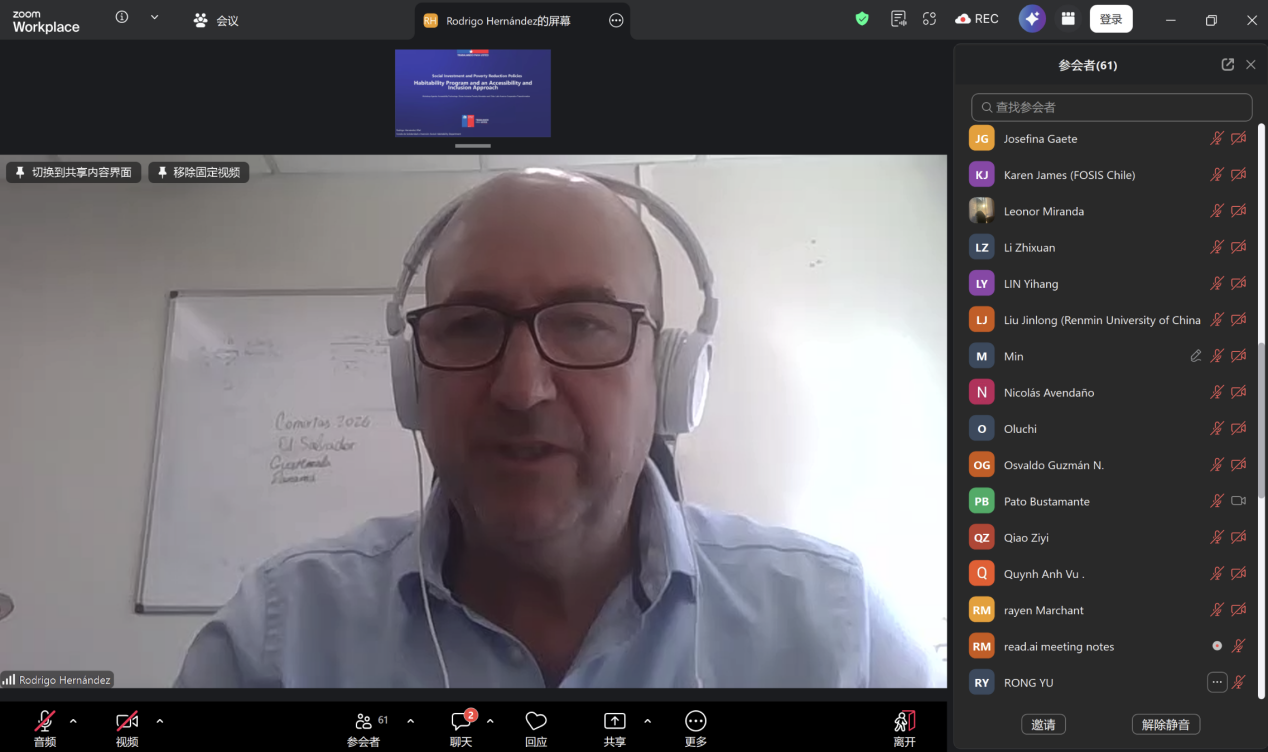
Rodrigo Hernández, Director of the Department of Healthy Living Environment at Chile Social Solidarity and Investment Fund (FOSIS), shared the work of Chile's Livable Solutions programme in improving housing conditions for vulnerable groups. Focusing on the practical needs of impoverished communities, youth, and persons with disabilities, he presented accessibility facility standards, government support policies, and conditions for project implementation, thereby providing important references for the transfer and localized application of relevant technologies.
4. Roundtable Dialogue
The participating guests engaged in in-depth exchanges on key issues, including the sharing of low-cost technology solutions, the application of open-source tools for water supply, sanitation and energy, the improvement of accessibility environments for persons with disabilities, as well as cross-sectoral coordination mechanisms and municipal demand response. They identified the principles of sustained communication, problem-oriented approaches and cross-boundary collaboration, along with their implementation pathways, thereby establishing a stable framework for the subsequent cross-border transfer of accessibility technologies and project implementation.
5. Closing Summary
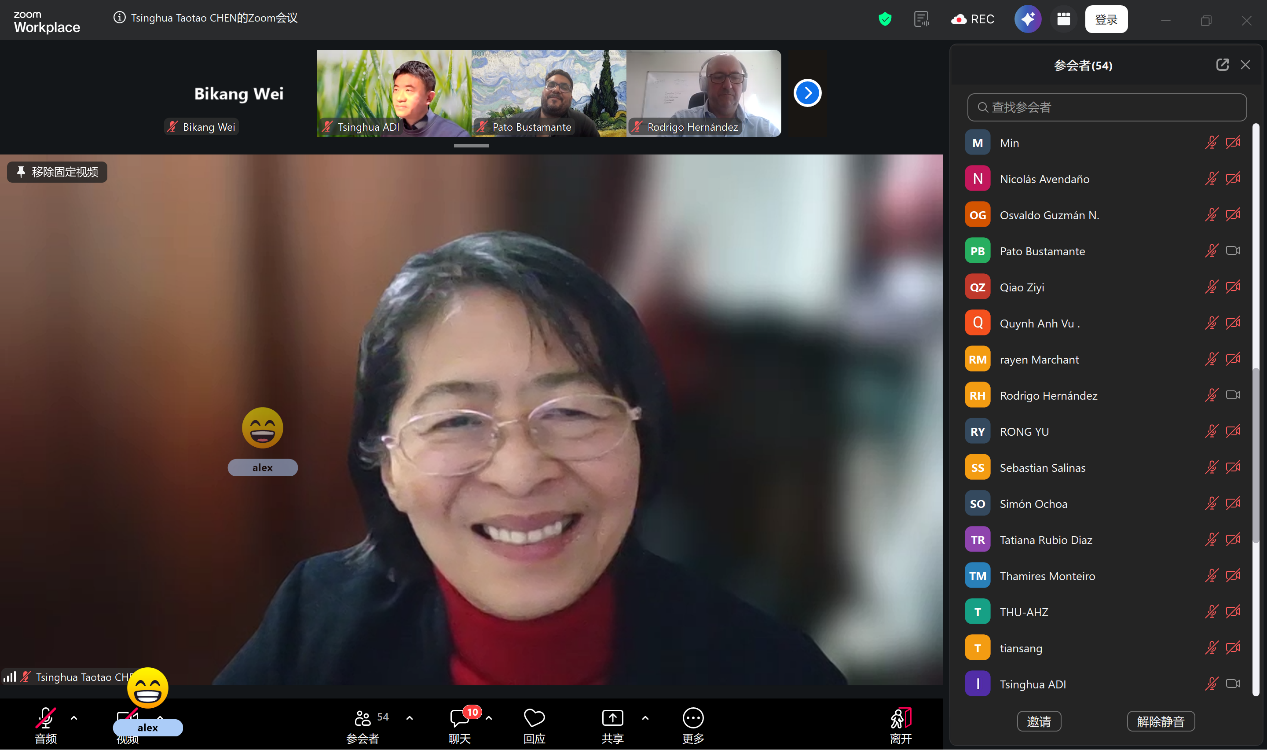
Chen Taotao, Director of the Tsinghua University Latin American Center, delivered the closing remarks. She stated that the workshop had enhanced mutual understanding between the Institute for Accessibility Development at Tsinghua University, the University of Chile, and the Solidarity and Social Investment Fund (FOSIS) of Chile. The sincere and enthusiastic discussions between the two sides reflected their strong willingness for future cooperation. Meanwhile, students present gained a clear understanding of the institutions and their topics, laying a solid foundation for transnational team formation and project implementation in the 2026 China-Latin America Poverty Alleviation Challenge. She also encouraged Chilean institutions to propose topics based on real local challenges, providing more opportunities for young students to engage in real poverty alleviation issues and promoting in-depth collaboration between Chinese and foreign institutions as well as youth teams. Going forward, the Tsinghua University Latin America Center will continue to build communication platforms, support innovative practices among Chinese and Latin American youth, and enable accessibility technologies to better serve community development and inclusive poverty reduction in Latin America.
Conclusion
Accessibility connects the world, and technology empowers poverty reduction. This workshop has established a solid starting point for cooperation under the 2026 China-Latin America Poverty Reduction Challenge Program, enabling accessibility innovations to truly serve communities and vulnerable groups in Latin America. Looking ahead, we look forward to Chinese and Latin American youth working hand in hand, through practical action and innovation, to deepen and solidify inclusive poverty reduction.
Workshop Replay Video Now Available! Relive the highlights with one click:
Link: https://pan.baidu.com/s/1stlY6MgYmLCSon19yMGLNg Password: o7yf