China–Latin America Youth Responding to Global Challenges: 2026 Poverty Alleviation Challenge
Chile Station Final: Poverty Alleviation Seminar
About the “Poverty Alleviation Challenge”
Poverty alleviation is a universal challenge for developing countries and a shared concern for the entire world. In 2024, the Tsinghua University Latin America Center, the Research Center for China-Latin America Management Studies, School of Economics and Management, Tsinghua University, and the Center for Global Competence Development at Tsinghua University, in collaboration with Latin American university partners, successfully launched and implemented the “China-Latin America Youth Responding to Global Challenges — 2024 Poverty Alleviation Challenge” (hereinafter referred to as the “Poverty Alleviation Challenge”) in China (Tsinghua), Brazil, and Chile. This initiative sparked a wave of university-led poverty alleviation dialogues across China and Latin America. In November of the same year, during President Xi Jinping’s state visit to Brazil and his attendance at the 19th G20 Leaders’ Summit, Party Secretary Qiu Yong of Tsinghua University and the Rector of Universidade Federal do Rio de Janeiro (UFRJ) signed a cooperation agreement on the “China-Latin America Youth Responding to Global Challenges” program. This agreement was included in the official list of outcomes of President Xi’s visit to Brazil, becoming a landmark initiative for China-Latin America win-win development led by Tsinghua University. The 2026 Poverty Alleviation Challenge is co-hosted by founding organizers including Tsinghua University, Universidade Federal do Rio de Janeiro (UFRJ), Pontificia Universidad Católica de Chile (UC), Universidad de Chile, and Universidad del Pacífico (Peru). The program is jointly organized by the Embassy of China in Brazil, the Fundação Getulio Vargas (FGV) EAESP, Universidad de Santiago de Chile (USACH), and Pontificia Universidad Católica del Perú (PUCP).
The 2026 Poverty Alleviation Challenge has attracted more than 666 youth participants from 88 universities and organizations in countries such as China, Chile, Brazil, and Peru, forming a total of 119 teams. The challenge is structured into two stages—the “Preliminary Round” and the “Transnational Finals”—aiming to foster cross-cultural communication and collaboration while stimulating the innovative thinking and practical skills of global youth in the field of poverty alleviation. In June 2026, the preliminary round of the 2026 Poverty Alleviation Challenge was successfully conducted. With Tsinghua University serving as the primary offline venue, participants from Latin American countries joined through a hybrid online and offline format. After intense competition, 12 innovative teams stood out and advanced to the transnational finals. The Chile Final is being held in Santiago, Chile, from August 17 to 19, Chile Standard Time. During this final phase, participating teams will engage in a series of challenging activities, including ice-breaking sessions, field research, poverty alleviation seminars, mentoring, and the design and presentation of poverty alleviation solutions.
The 2026 Poverty Alleviation Challenge received support from the Chinese Embassy in Brazil, the Chinese Consulate-General in Rio de Janeiro, the Embassy of Brazil in China, the Chinese Embassy in Chile, the Embassy of Chile in China, the Chinese Embassy in Peru, and the Embassy of Peru in China. Leading Chinese and international companies and institutions, including Envision Group, CGE Group (Chile), Minera Las Bambas S.A., Zhongshan (Beijing) Cultural Industry Co., Ltd., DiDi, China Mobile International (Chile), Kuaishou International Business (KSIB), and the Luksic Foundation, also provided important support for the program.
On the morning of August 18, 2026, Chile Standard Time, the Poverty Alleviation Seminar of the Chile Final Round of the "China–Latin America Youth Responding to Global Challenges: 2026 Poverty Alleviation Challenge" was held at Pontificia Universidad Católica de Chile (UC). The seminar was attended by the following participants: Professor Chen Taotao, Professor at the School of Economics and Management, Tsinghua University, Director of the Tsinghua University Latin America Center; and Director of the Research Center for China-Latin America Management Studies, SEM; Maribel Florez, Director of the Global Learning Office, Office of the Vice President for International Affairs at Pontificia Universidad Católica de Chile; Osvaldo Guzmán, Head of Outreach for the UNAM Center for Latin America and former Deputy Director of the Directorate of International Relations (DRI) at the Universidad de Chile; René Garrido, Associate Academic at the Faculty of Administration and Economics and former Director of the Department of International and Inter-University Relations at the Universidad de Santiago de Chile (USACH); Matías Hepp, Deputy Chief Technology Officer (Deputy CTO) of CGE; Jose Miguel Benavente, Full Professor at the Business School of Universidad Adolfo Ibáñez (UAI) and former Executive Vice President (CEO) of CORFO; Francisco Urdinez, Associate Professor at the Institute of Political Science, Pontificia Universidad Católica de Chile, Director of the Center for Asian Studies (CEA-UC), and Director of the Millennium Nucleus ICLAC; Shao Lei, Dean of the Institute for Accessibility Development at Tsinghua University; Sofía Boza Martínez, Associate Professor at the Faculty of Agricultural Sciences and the Institute of International Studies at the Universidad de Chile; Feng Jian, PhD student at the Department of Finance, SEM, Tsinghua University; César Ross Orellana, Full Professor at the Institute for Advanced Studies at the Universidad de Santiago de Chile (USACH) and 2024 National History Prize Laureate (Chile); Andrea Freites, Research Fellow at the Millennium Nucleus ICLAC, Pontificia Universidad Católica de Chile; Liu Shuai, Country Deputy Head of China Mobile International (Chile); Rodrigo Hernández Allel, Head of the Habitability Department at FOSIS; Zhao Daqi, Director and Researcher at the Institute for Rural Constructions and the Innovation and Entrepreneurship Center of the Rural Revitalization Workstation at Tsinghua University; Jiao Yang, Researcher at the Future Laboratory, Tsinghua University; LI Hongru, Manager of the Online Education Center at Tsinghua University; Gu Xiaohong, Former Senior Executive at the Bank of China (Peru); Tan Yang, Founder of ZorroLibre.ai and CodeCity.lat. The seminar was moderated by Professor Chen Taotao, Maribel Florez, and Bárbara Fuchslocher (Head of Internationalization at Home at Pontificia Universidad Católica de Chile).
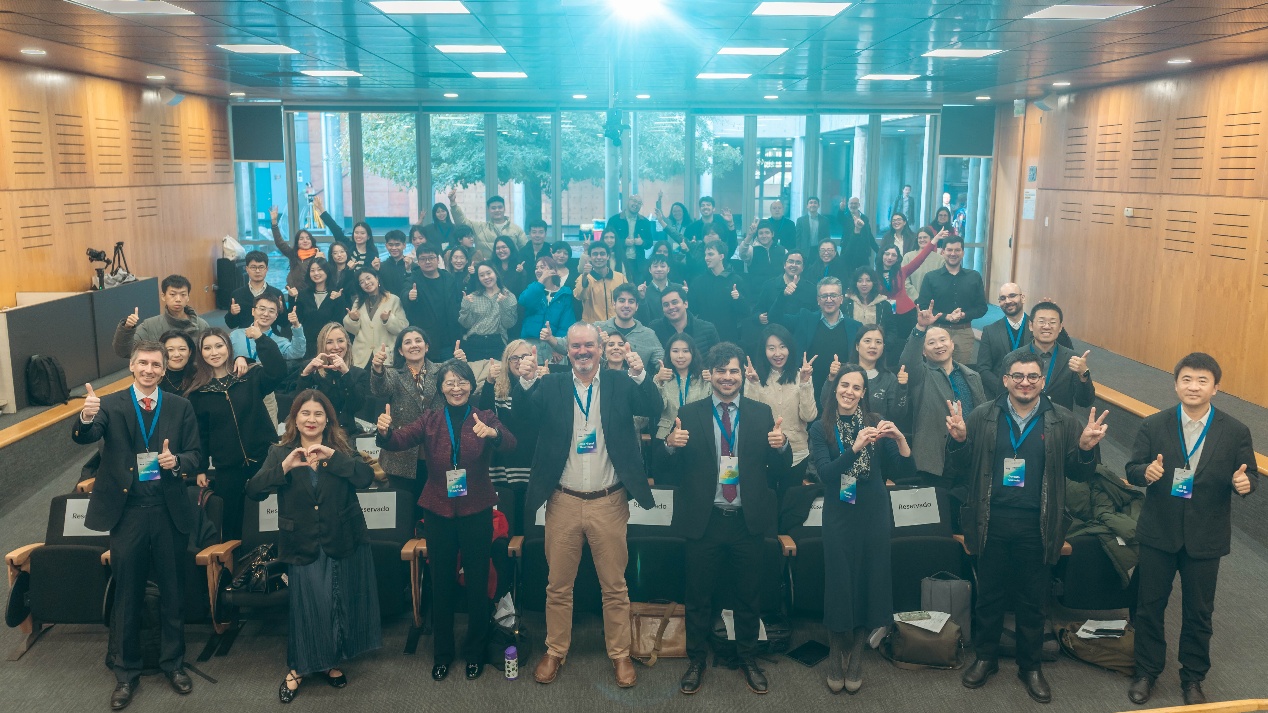
Figure: Group photo of the seminar
Professor Chen Taotao, Professor at the School of Economics and Management (SEM), Tsinghua University; Director of the Tsinghua University Latin America Center; and Director of the Research Center for China-Latin America Management Studies, SEM stated in her remarks that the Poverty Alleviation Challenge project aims to promote cross-cultural exchanges between Chinese and Latin American youth and drive mutual learning of practical experiences in poverty alleviation. She noted that this year, the project theme has expanded from “Poverty Alleviation” to “Poverty Alleviation and Development,” as poverty alleviation itself is not the end goal; sustainable development is the true pursuit. Drawing a comparison with international investment, she emphasized that the cross-border transplantation of poverty alleviation experience also requires the “appropriate transfer of technical capabilities” and “localized implementation”. She expressed her hope that China’s poverty alleviation experience can benefit the people of Latin America while also looking forward to introducing the valuable practices of Latin America to China. Furthermore, she stressed that poverty alleviation requires the joint efforts of all parties—including governments, enterprises, universities, and social organizations—and sincerely invited all sectors to participate in transforming the excellent proposals of young students into real results that benefit target communities.
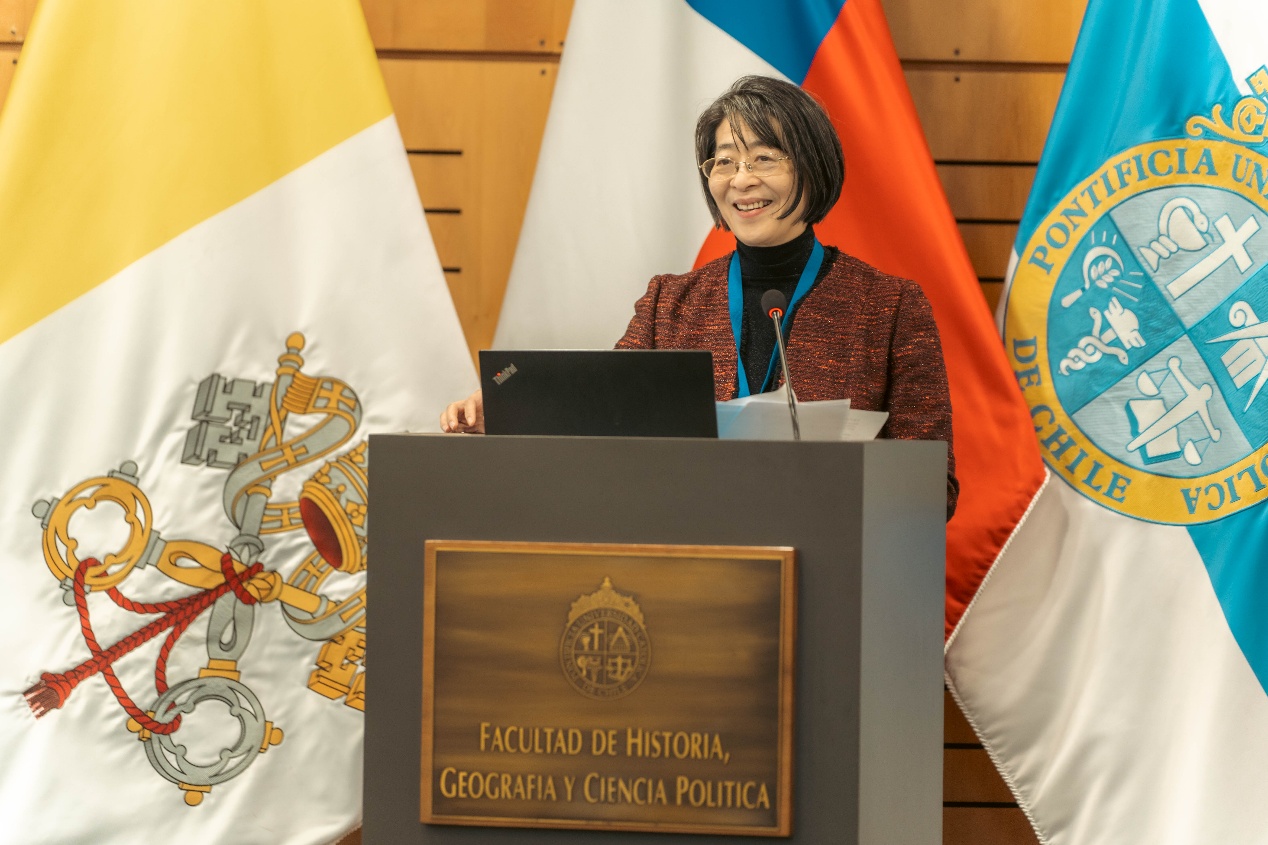
Figure: Professor Chen Taotao, Director of the Tsinghua University Latin America Center, delivering her remarks
Maribel Florez, Director of the Global Learning Office of the Office of the Vice President for International Affairs at Pontificia Universidad Católica de Chile (UC), extended a warm welcome to the guests. She pointed out that poverty is multi-dimensional, with various dimensions intertwined and mutually reinforcing; therefore, poverty alleviation responses must also be comprehensive, as single technical solutions, financial tools, or educational projects rarely succeed independently. The “5W1H+” toolbox used in the project provides a common framework and language for describing poverty problems and their solutions. She emphasized that China-Latin America cooperation is not simply about transplanting successful solutions but requires humility, listening, and adaptation tailored to local conditions. True cross-cultural learning stems from sincere curiosity, reciprocal exchange, and deep reflection. She encouraged young students to consider not only whether their ideas are novel but also whom they serve and whether they can bring about substantial change while listening to different perspectives.
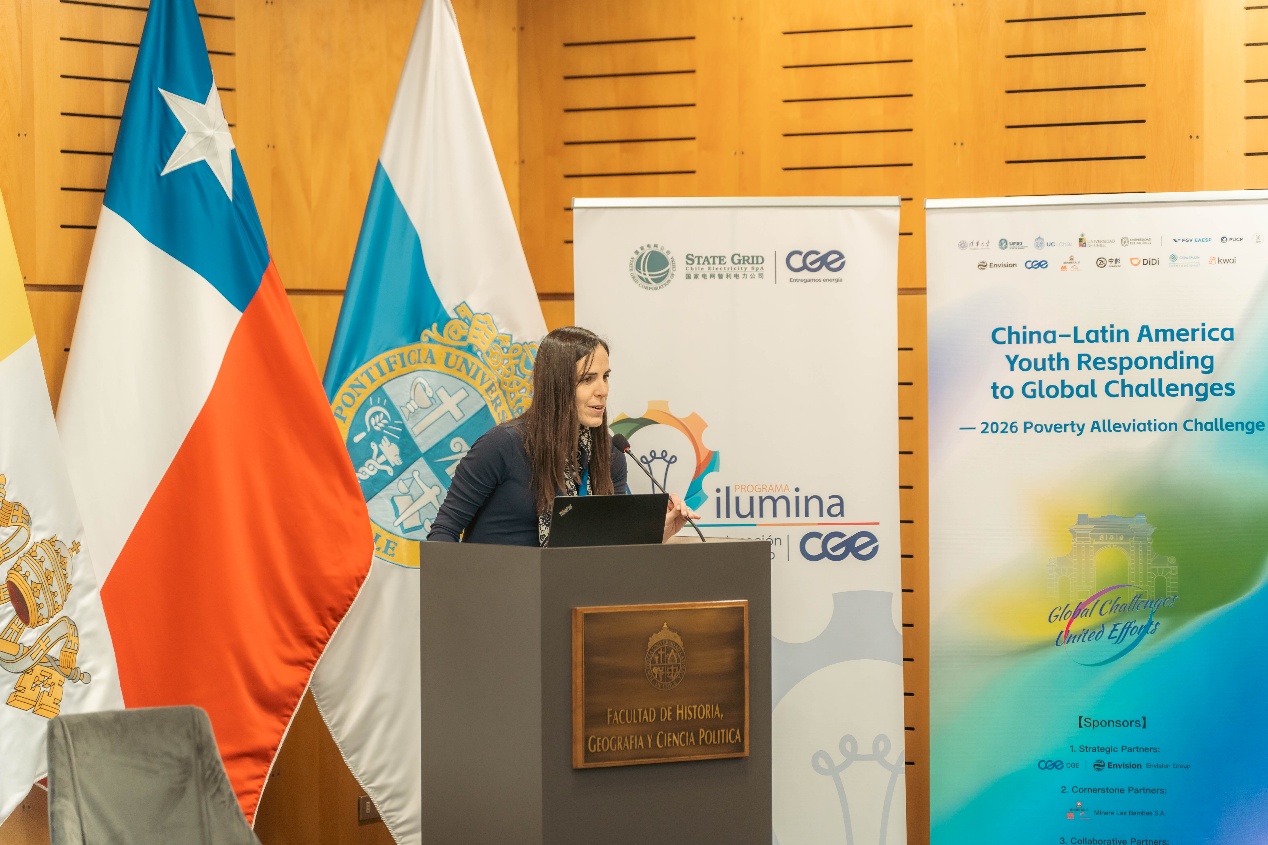
Figure: Maribel Florez, Director of the Global Learning Office of the Office of the Vice President for International Affairs at Pontificia Universidad Católica de Chile, delivering her remarks
Osvaldo Guzmán, Head of Outreach for the UNAM Center for Latin America and former Deputy Director of the Directorate of International Relations (DRI) at the Universidad de Chile, stated in his remarks that as a full-process participant, he was deeply gratified to witness the “Poverty Alleviation Challenge” evolve from its initial exploratory stage to its current grand scale, covering youth from China, Chile, Brazil, and Peru. He particularly emphasized the importance of “continuity,” noting that it is the sustained commitment of both Chinese and Latin American institutions across various sessions that has made the work of previous years the foundation for the next. He also wished the finalist teams to cherish the opportunity for exchange and achieve excellent results in the competition.
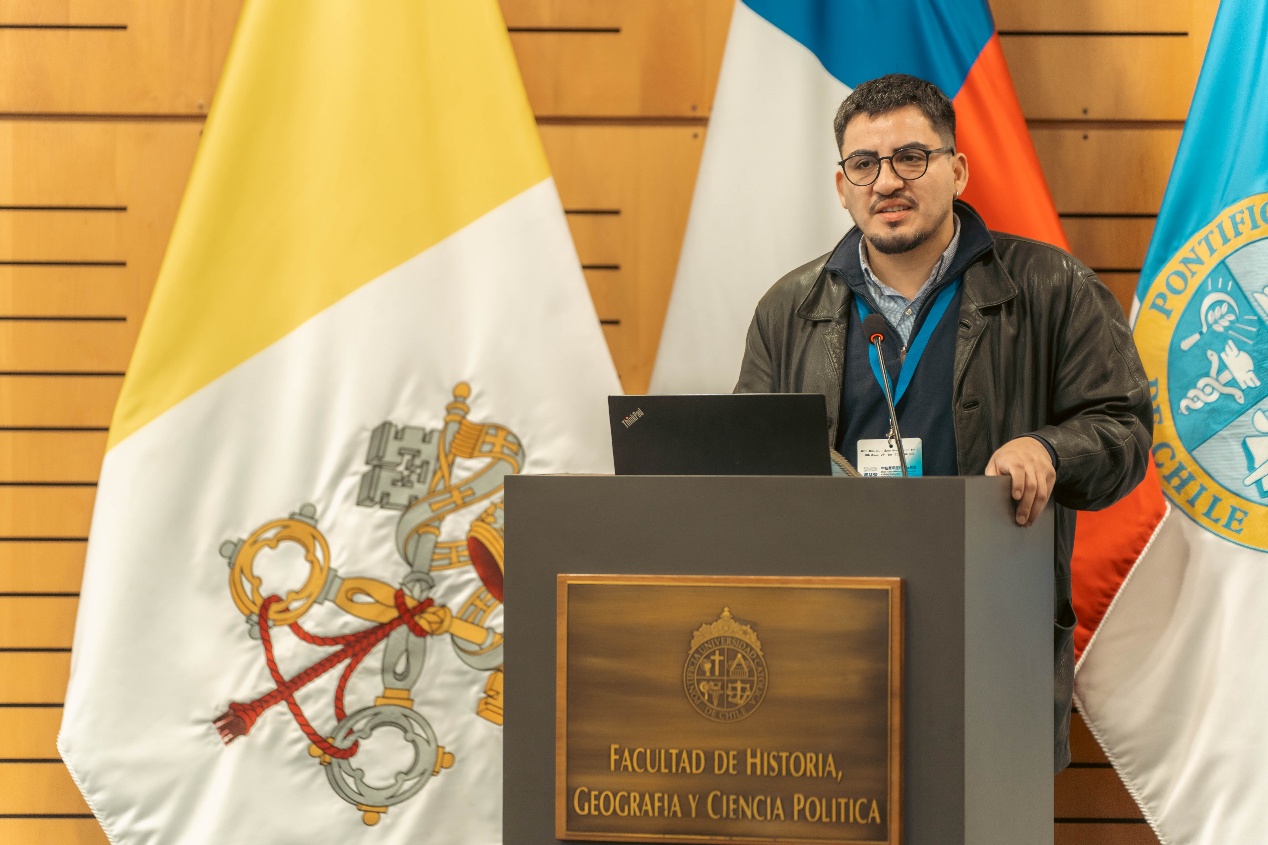
Figure: Osvaldo Guzmán, Head of Outreach for the UNAM Center for Latin America, delivering his remarks
Matías Hepp, Deputy Chief Technology Officer (Deputy CTO) of CGE, expressed in his speech that CGE is deeply honored to serve as a supporter of this event. For over 120 years, the CGE Group has been committed to providing electricity throughout Chile, currently covering approximately 3.5 million households. He emphasized that power supply is closely linked to human development; behind every kilowatt-hour of electricity is a better-functioning school, a family enabled to start a business, and a more vibrant community—“talking about energy is talking about human development”. He pointed out that poverty is multi-dimensional, and energy poverty is one of its forms; addressing climate change, promoting energy transition, and improving quality of life all require innovation. He noted that only by combining corporate experience with youth creativity can good ideas be turned into real solutions. He encouraged the participating students to think boldly and listen to each other, stating that “a good idea may be born from a simple conversation, yet it can grow into a solution that improves the lives of countless people”.
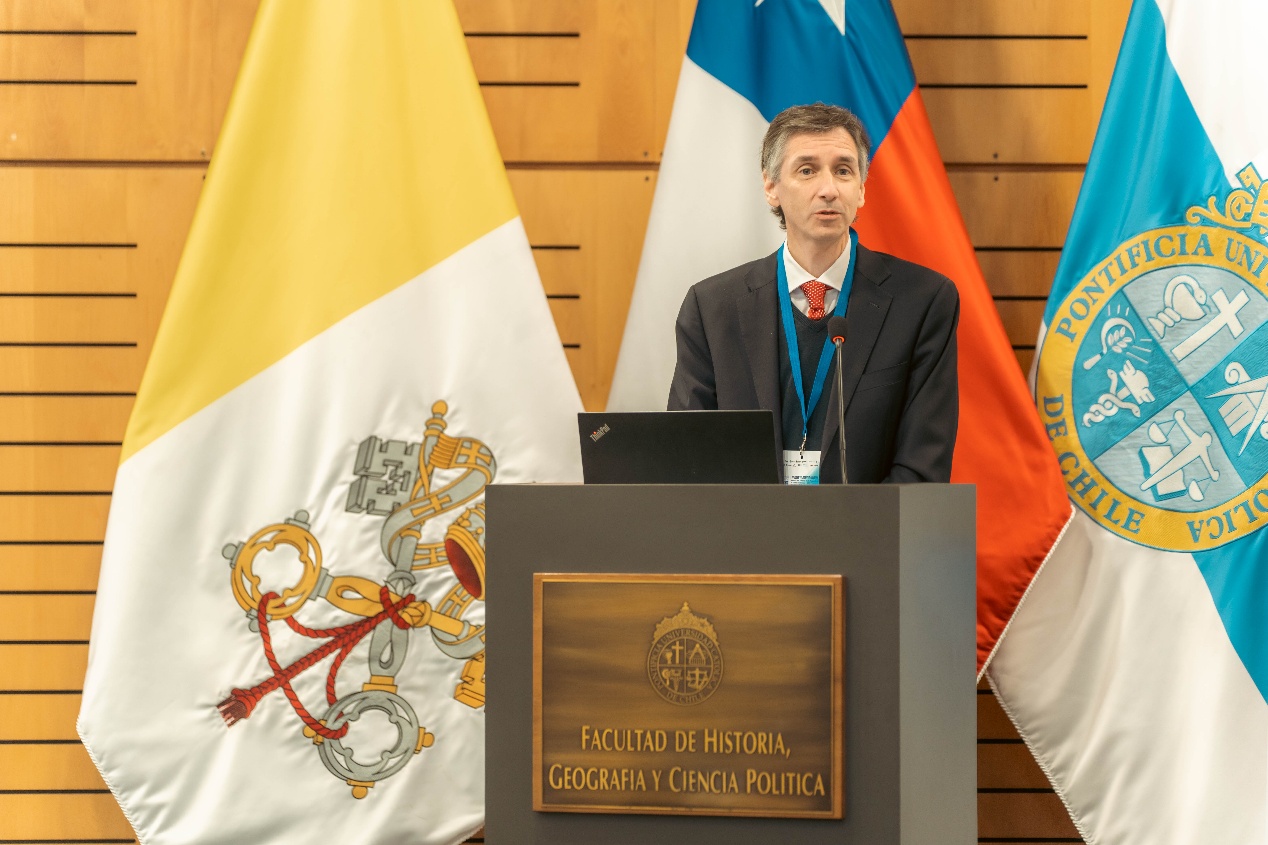
Figure: Matías Hepp, Deputy Chief Technology Officer (Deputy CTO) of CGE, delivering his remarks
During the Keynote Presentations, Jose Miguel Benavente (Full Professor at the Business School of Universidad Adolfo Ibáñez (UAI) and former Executive Vice President (CEO) of CORFO) delivered a report titled “From Pitch to Practice.” He pointed out that a “valley of death” commonly exists in the process of moving an idea from prototype to implementation. Citing a failed plasma water purification project in Chile that failed because it became detached from its users, he advocated for the principle of “falling in love with the problem, not the solution”. He analyzed three main reasons why pilot projects fail: lack of sequential ownership, lack of funding for scaling up from the pilot phase, and a lack of connection with local users and coordinating agencies; he also introduced local collaborative mechanisms such as the Regional Development Committees established by CORFO. He posed three critical questions to the participating teams: How is project ownership defined after students graduate? Who guarantees funding to bridge the gap beyond the pilot? Who evaluates the actual benefits for the target population?. He emphasized that the primary criterion for judging a poverty alleviation solution is not how brilliant the idea is, but whether it can achieve sustainable operation.
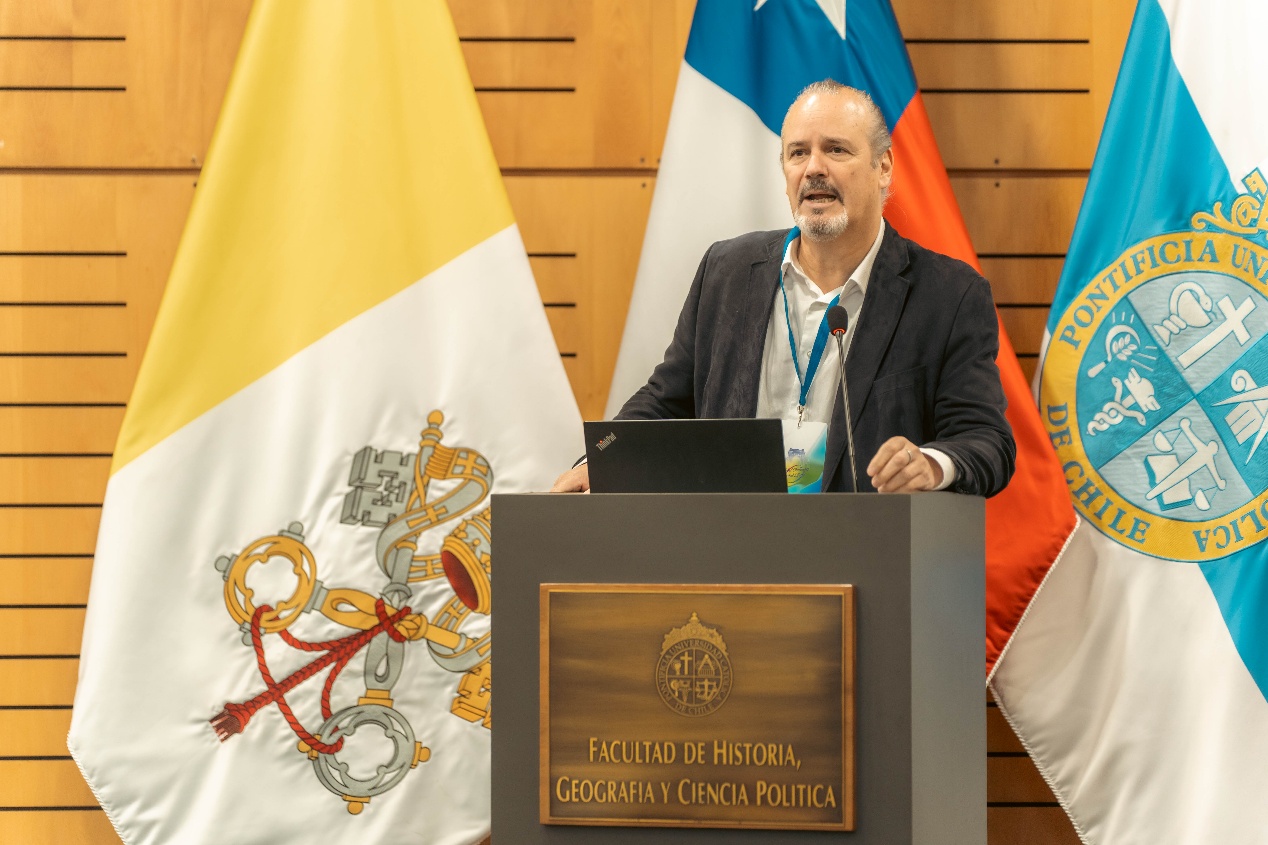
Figure: Jose Miguel Benavente, Full Professor at the Business School of UAI, delivering his speech
Francisco Urdinez (Associate Professor at the Institute of Political Science, Pontificia Universidad Católica de Chile; Director of the Center for Asian Studies (CEA-UC); and Director of the Millennium Nucleus ICLAC) delivered a keynote report on China-Latin America relations and the mission of youth. He noted that China has become South America's most significant economic partner, but there is a clear gap between the explosive growth in economic ties and the talent pool of mutual understanding on both sides. Latin America has room for improvement in Chinese-language talent, specialized research institutions, and data infrastructure. Using China and Chile as examples, he explained that there is no single path out of the poverty trap; the key lies in basing efforts on local realities, investing in science and knowledge, and building institutions that translate research into policy. He encouraged the youth to seize the opportunities of the times, refine their language skills, maintain cooperation, and grow into a new generation of “China experts” and “Latin America experts,” serving as a bridge between a resource-rich Latin America and the world's second-largest economy, and looked forward to seeing the presence of the participating youth in relevant fields in the future.
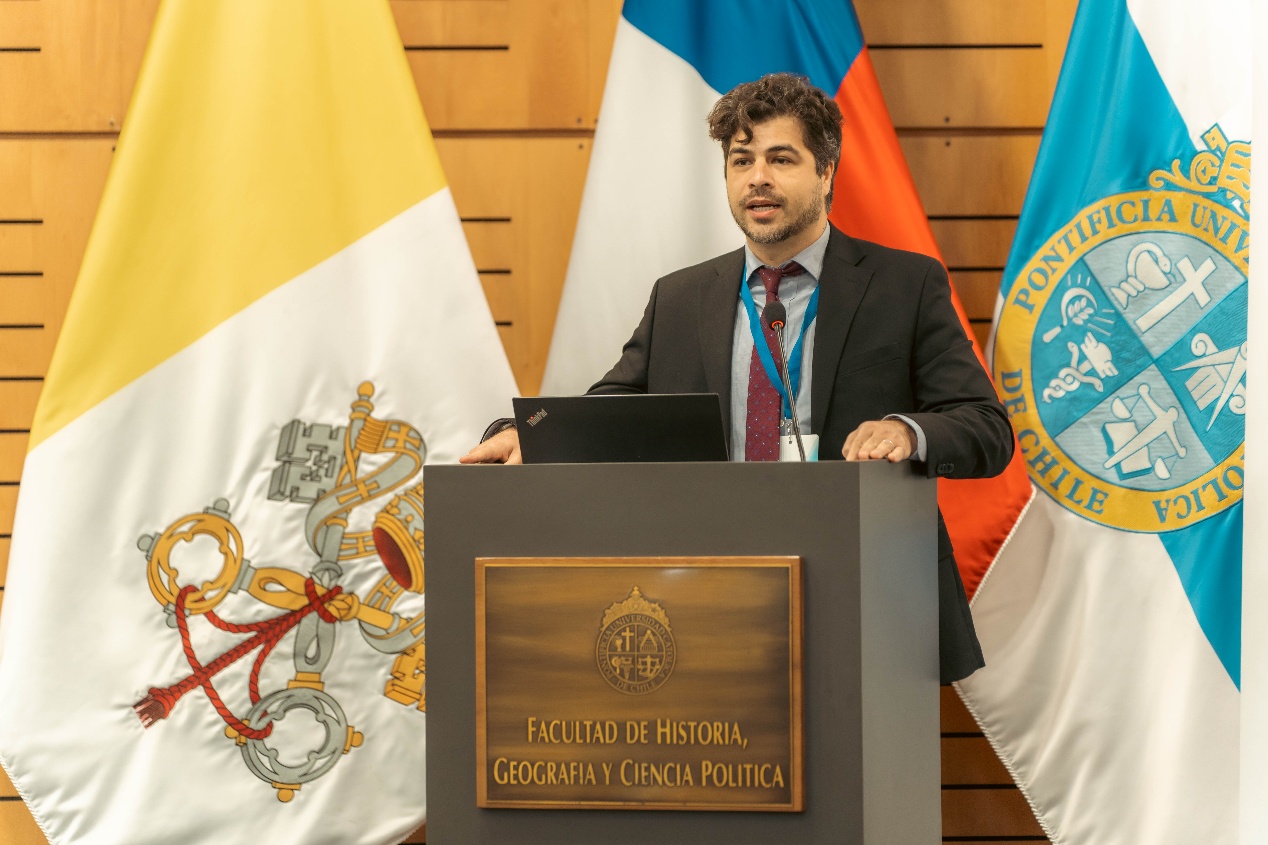
Figure: Francisco Urdinez, Director of the Center for Asian Studies at Pontificia Universidad Católica de Chile, delivering his speech
Subsequently, the seminar moved into the panel discussion sessions. The first panel focused on “Cross-Border Collaboration for Poverty Alleviation” and was moderated by Maribel Florez, Director of the Global Learning Office of the Office of the Vice President for International Affairs at Pontificia Universidad Católica de Chile (UC). Participating experts, scholars, and corporate representatives shared their experiences and reflections from various perspectives, providing Chinese and Latin American youth with an opportunity to gain a deep understanding of global poverty alleviation issues.
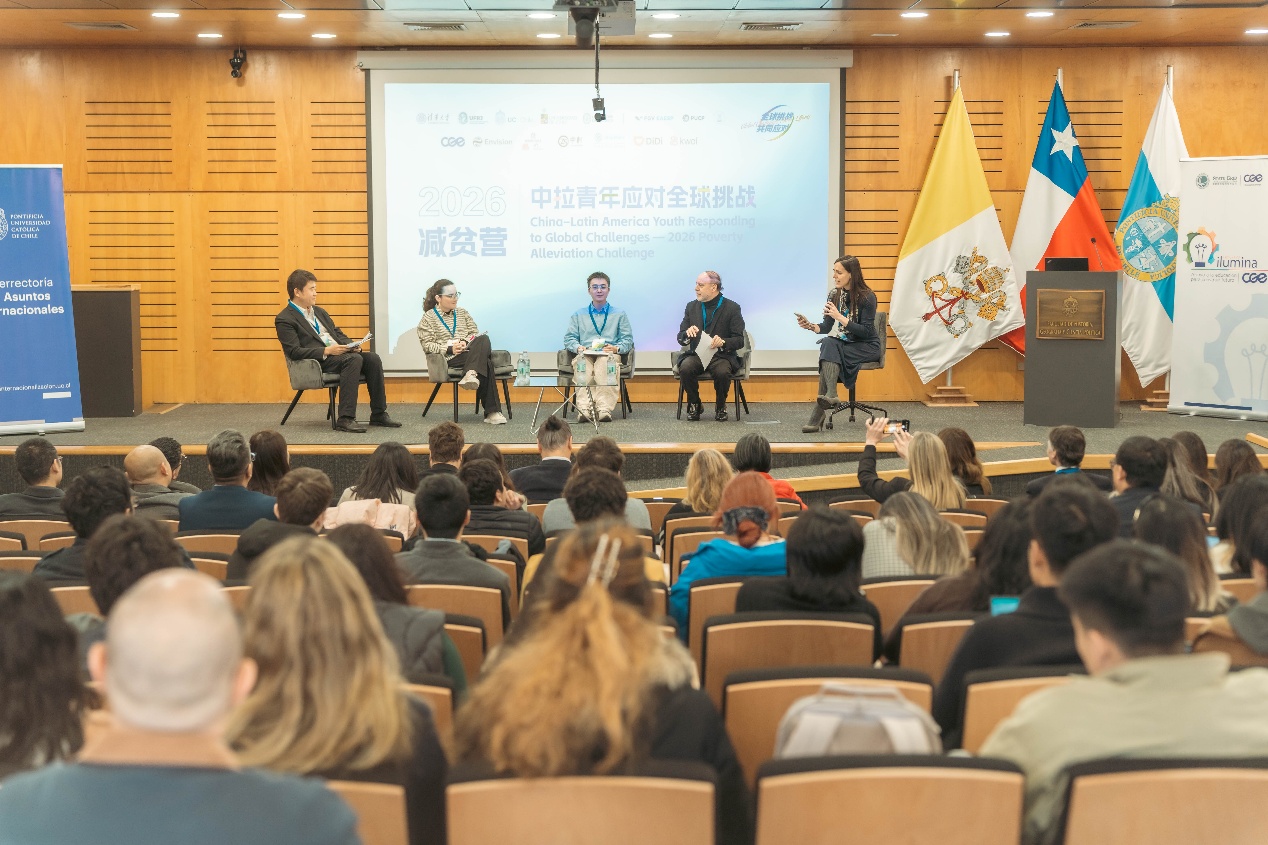
Figure: Group photo of Panel I
Professor Shao Lei, Dean of the Institute for Accessibility Development at Tsinghua University, spoke on the theme of “Disability and Poverty”. He pointed out that disability and poverty are both causes and consequences of each other, reinforcing one another. He shared China’s practical experience in incorporating accessibility construction into public interest litigation—stating that approximately 14,000 relevant cases have been handled nationwide over the past four to five years. Taking Fujian Province as an example, he noted that the provincial emergency hotlines have basically completed multi-channel upgrades including text, video, and sign language, benefiting about 160,000 people with hearing and speech impairments. He also compared the investment models for accessibility renovation in underprivileged households between China and Chile, suggesting that the two countries could learn from each other's experiences. He admitted that China also faces challenges such as the “gap between completion and usability” and urban-rural disparities, but emphasized that the construction of accessible and inclusive infrastructure has become a future-oriented social strategy. He expressed his expectation to work with Latin American partners to jointly bridge the “valley of death” between theory and practice.
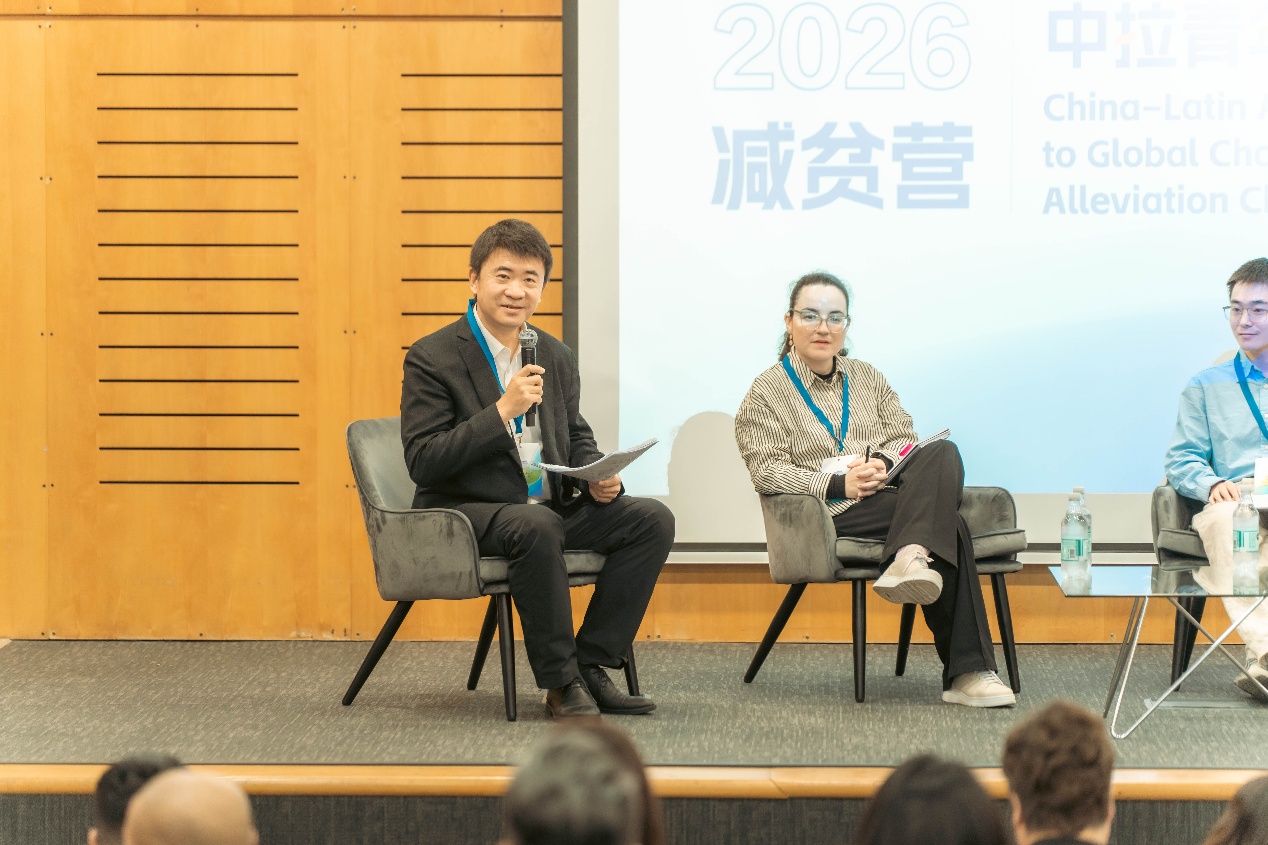
Figure: Speech by Professor Shao Lei, Dean of the Institute for Accessibility Development at Tsinghua University
Sofía Boza Martínez, Associate Professor at the Faculty of Agricultural Sciences and the Institute of International Studies at the Universidad de Chile, approached the poverty alleviation topic from the perspective of the urban-rural gap. She pointed out that the relative level of rural poverty in Latin American countries is generally higher than in cities, with multidimensional poverty being particularly prominent; the resulting rural-to-urban migration also brings about a chain of impacts on the environment and agricultural production. She introduced research on rural territorial development with a focus on small-scale farmers: the average age of small-scale farmers in Chile is over 55, and they face multiple constraints in technology, capital, and formal sales channels, yet they are vital bearers of local food security and rural traditions. By helping small-scale farmers connect with higher-value sales channels, enhancing market bargaining power through cooperatives, and injecting added value into products through traditions and storytelling, their income and willingness to remain in rural areas can be effectively improved, thereby supporting sustainable rural development.
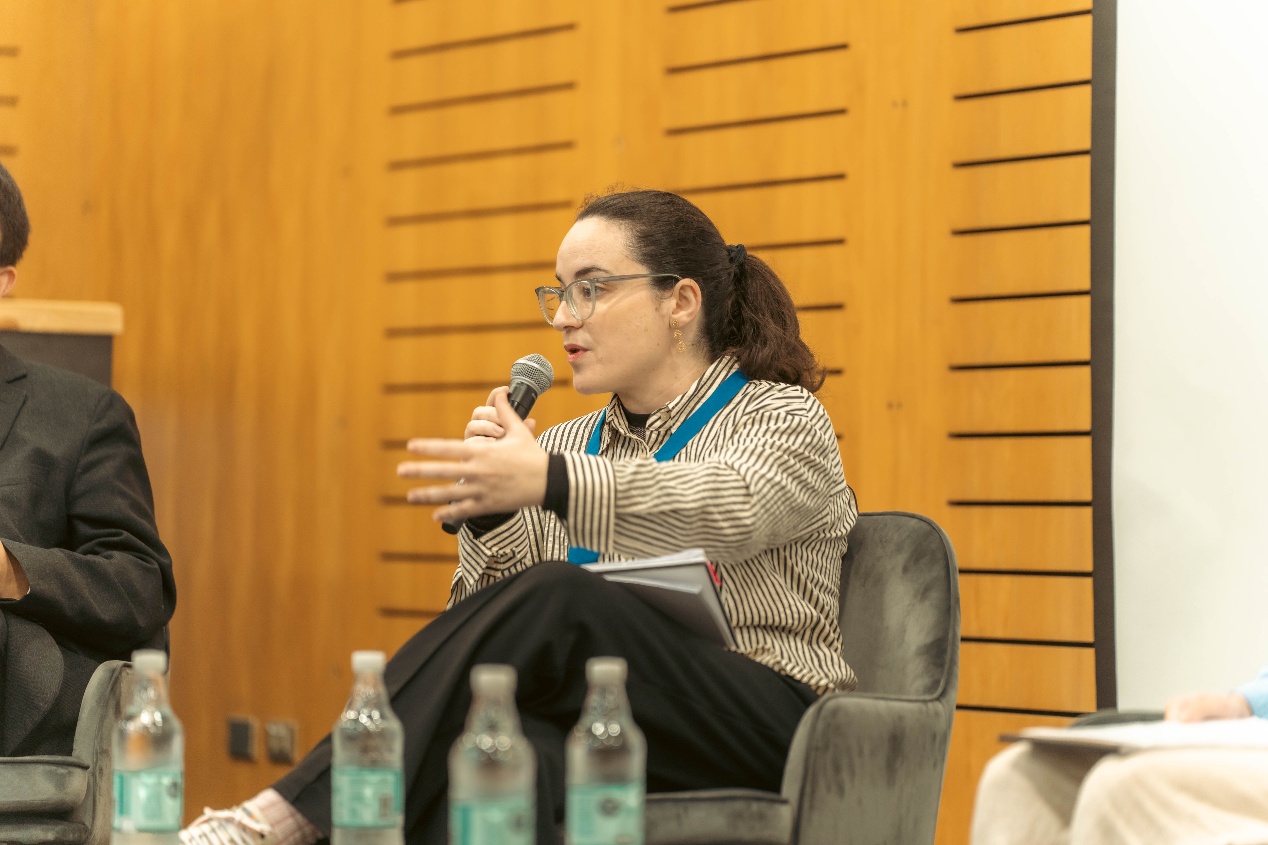
Figure: Speech by Professor Sofía Boza Martínez, Associate Professor at the Faculty of Agricultural Sciences and the Institute of International Studies, Universidad de Chile
Feng Jian, Researcher at the Tsinghua University Latin America Center, used a case study of a practical training equipment upgrade project at a public electrical technical high school in Chile to deconstruct the operational logic of poverty alleviation solutions through the “5W1H+” analysis framework. In this project, CGE Group acted as the lead party, providing funding and connecting market demand; DUOC UC, a vocational education institution, provided equipment selection advice and free training for teachers; and the government provided incentives through tax preference policies, ultimately effectively enhancing the employment competitiveness of graduates. He further compared the similarities and differences between Chinese and Latin American poverty alleviation cases, pointing out that Chinese cases are mostly led and promoted by the government, whereas in Latin American cases, the government plays more of an incentivizing role; however, in either case, poverty alleviation projects must rely on an action network involving multiple participants. He stated that top universities in both China and Chile care for society and invest together, providing vital support for this collaborative network.
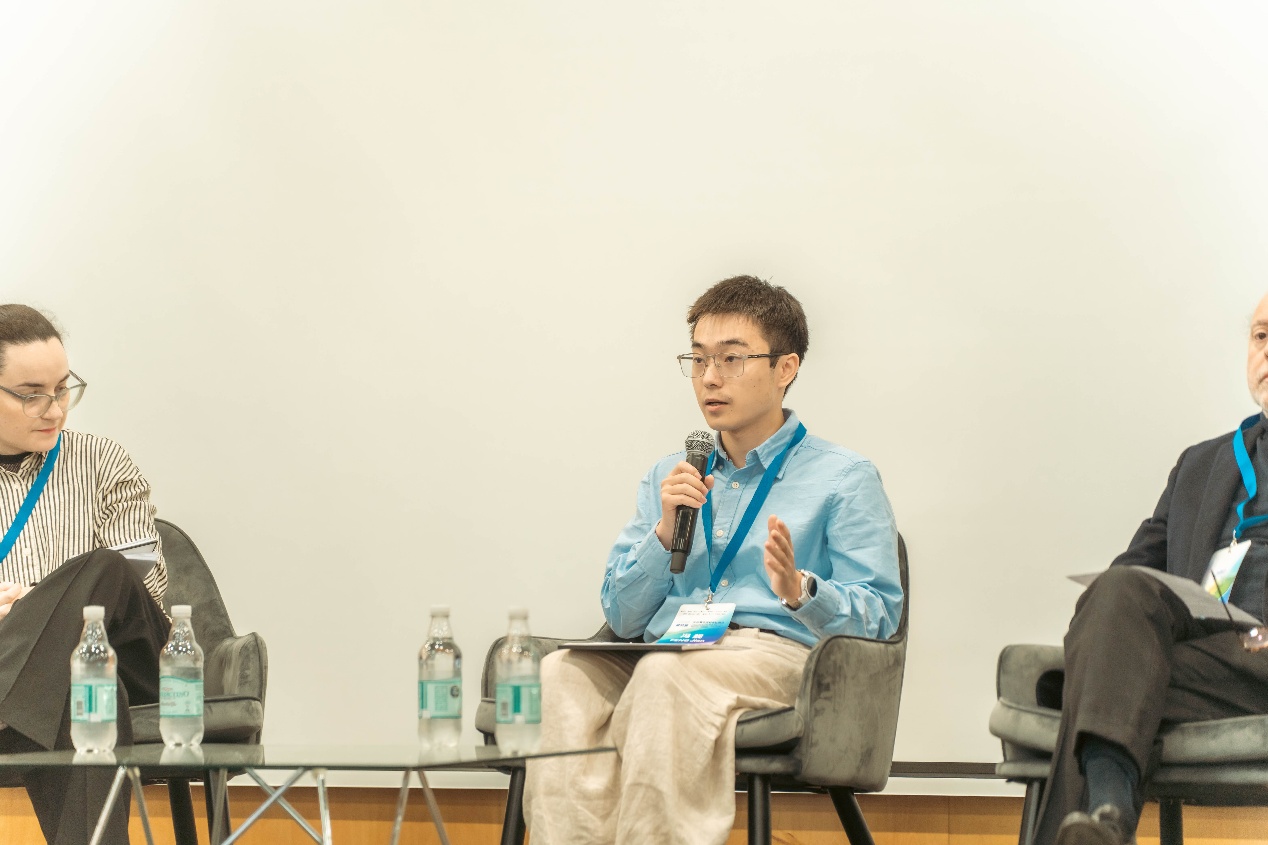
Figure: Feng Jian, Researcher at the Tsinghua University Latin America Center, delivering his speech
César Ross Orellana, Full Professor at the Institute for Advanced Studies of the Universidad de Santiago de Chile and 2024 National History Prize Laureate (Chile), pointed out from an international political perspective that the Latin American region had experienced a cycle of “prosperity-frustration,” while East Asia created a world-renowned economic miracle; although Latin America has a relatively complete education system, it has failed to effectively link education with sustainable economic growth. He emphasized that poverty is not only a social issue but also a constraint on development; China’s development experience has important reference value, but transplanting it to Chile requires overcoming both technical and political challenges, with universities and the state playing fundamental roles. He stated that the China-Chile partnership provides a realistic foundation for deepening mutual learning between the two sides, saying, “In the future, we must prove that what connects our two peoples is not just trade and interests”.
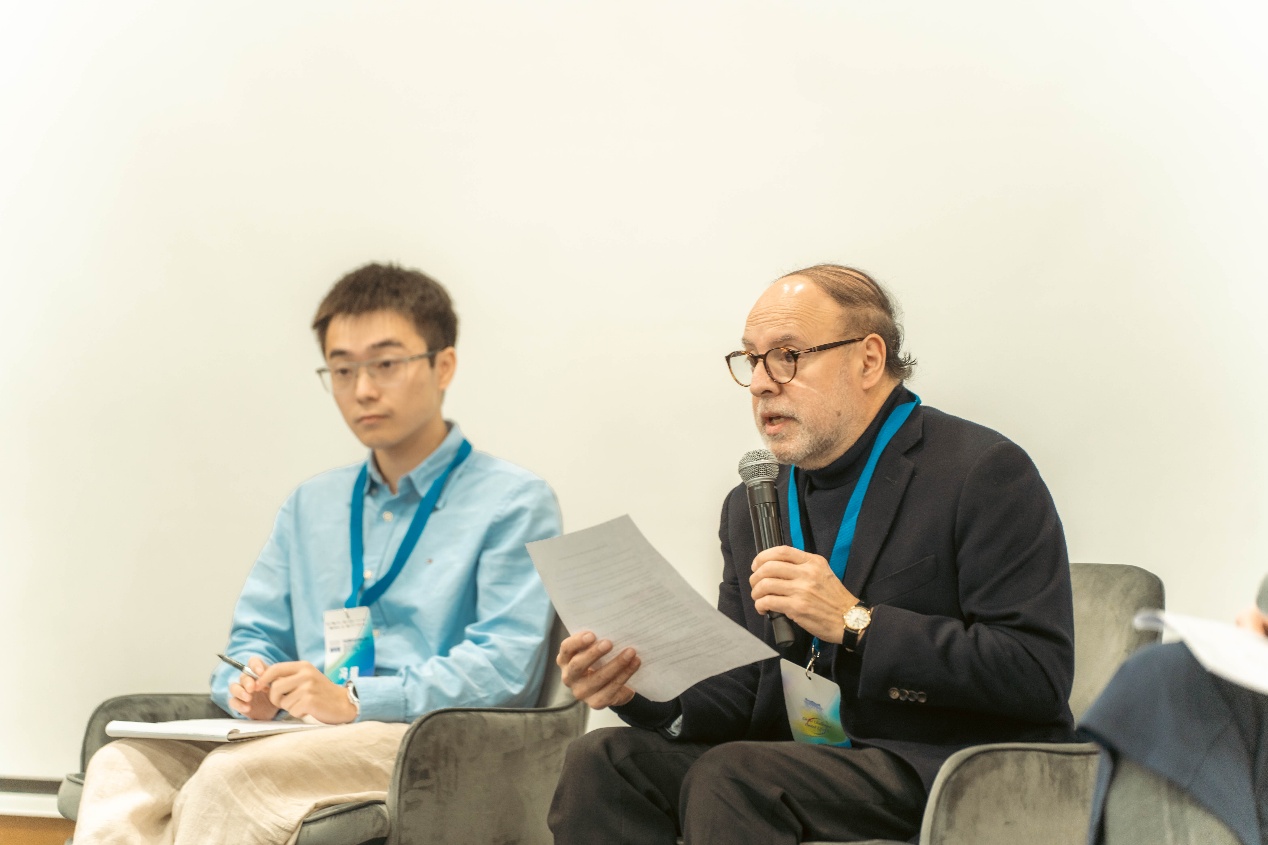
Figure: César Ross Orellana, Full Professor at the Institute for Advanced Studies of the Universidad de Santiago de Chile, delivering his speech
The second panel discussion of this seminar explored the theme of “From Pitch to Practice,” moderated by Professor CHEN Taotao, Director of the Tsinghua University Latin America Center.
Andrea Freites, Research Fellow at the Millennium Nucleus ICLAC of the Pontificia Universidad Católica de Chile, pointed out that Chile’s extreme poverty rate had dropped from 14.3% around 2020 to 6.9% in 2024, while the income poverty rate simultaneously fell to 17.3%; since 2022, more than 600,000 people have escaped poverty, which “proves that poverty is not a frozen state; it responds to design and implementation”. She systematically analyzed Chile’s three-layer institutional path for promoting ideas nationwide: in the pilot phase, relying on the National Innovation Fund and co-design mechanisms to verify solution feasibility; in the practice phase, introducing professional strength from non-governmental organizations through projects like “Servicio País” (Service the Nation); and in the scaling phase, leveraging private capital participation through policy tools such as the Social Donation Law. Using three ongoing projects—“Livelihood Improvement for Island Fishermen,” “Southern Community Tourism School,” and “Street Health Services for the Homeless”—she explained that the mechanisms supporting pilot operations differ essentially from the institutional arrangements driving nationwide promotion; the sustainable expansion of poverty alleviation solutions requires institutional support systems adapted to different stages.
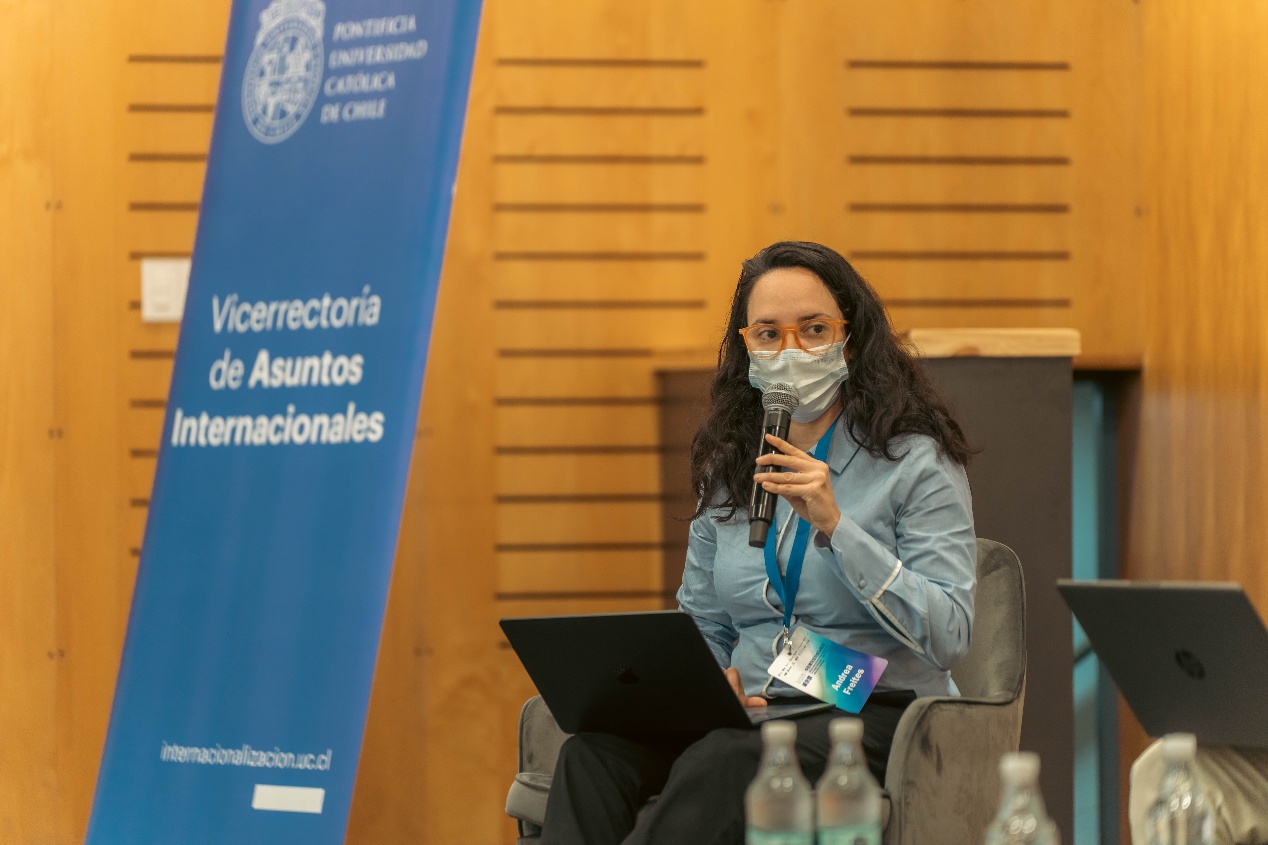
Figure: Andrea Freites, Research Fellow at the Millennium Nucleus ICLAC, delivering her speech
Rodrigo Hernández Allel, Head of the Habitability Department at the Solidarity and Social Investment Fund (FOSIS), shared the practical experience of Chile's Habitability (Habitabilidad) project. This project is built on the fundamental judgment that “housing vulnerability is a multidimensional issue,” providing tailored intervention plans for each family through multidimensional assessments. The project combines engineering renovations with “habitability companionship” social support, providing guidance on themes such as ventilation, lighting, energy saving, and moisture prevention, and interfaces with the 24-month psychosocial support of the “Chilean Family Growth Program”. He pointed out that effective social policy depends on cross-sector governance and localized implementation, noting that personalized support is not the same as paternalistic management. He emphasized that, rather than scale, the more important question to focus on is: “Are we solving structural problems, or just alleviating symptoms?” Sustainable solutions should take human development as the core, rather than being guided solely by project completion.
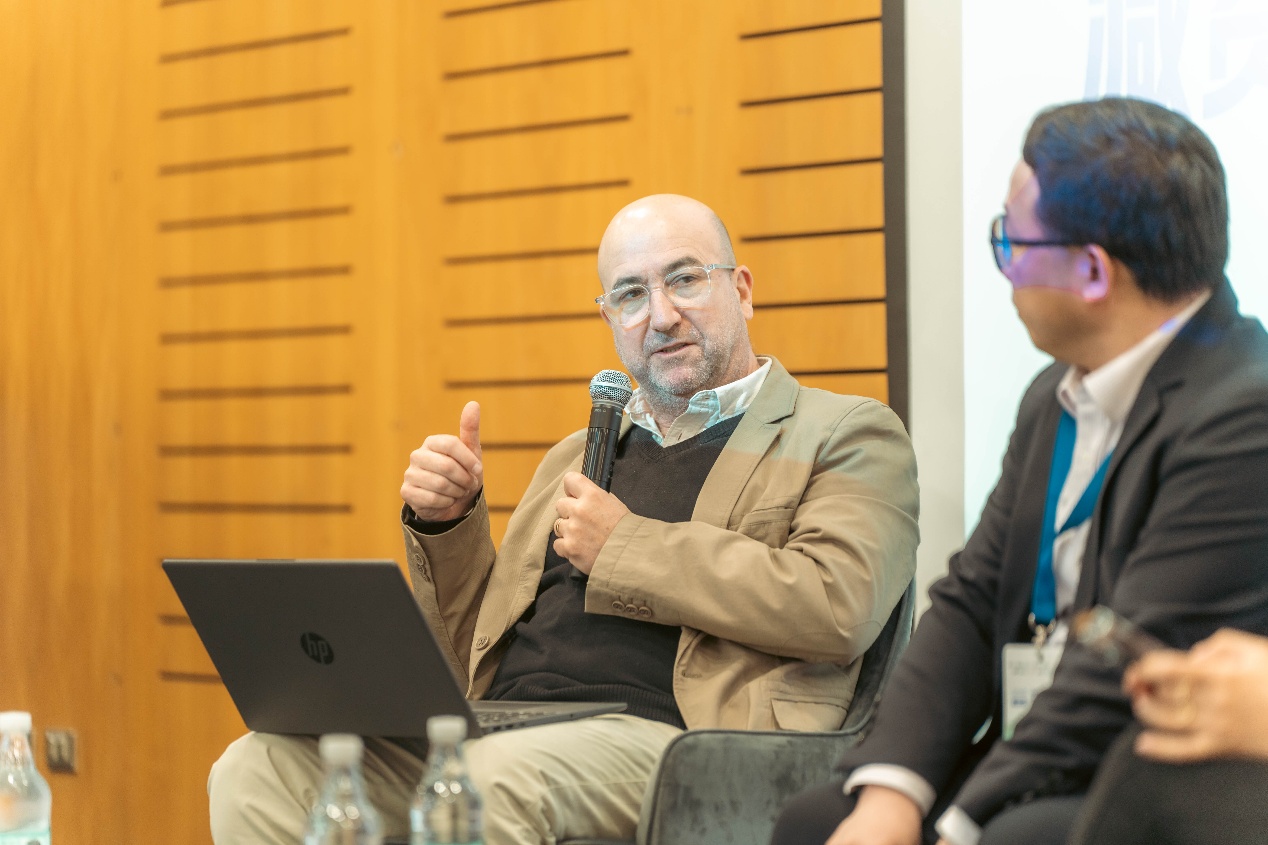
Figure: Speech by Rodrigo Hernández Allel, Head of the Habitability Department at FOSIS
Liu Shuai, Country Deputy Head of China Mobile International (Chile), used the “Offline AI Education” project as a case study to demonstrate a feasibility assessment from the perspectives of telecommunications operation and system integration using the “5W1H+” framework. He emphasized that a project should begin with identifying “the most critical learning obstacles in this community,” rather than “how to apply AI technology”; technology itself is not a poverty alleviation result—learning improvement is. He elaborated on user identification, delivery content, operation and maintenance (O&M) conditions, achievement milestones, and scaling paths: frontline teachers should be involved in decision-making from the design stage; the delivery should be a complete solution including localized content, teacher guidance, and a maintenance system; and “offline” does not mean there are no infrastructure costs. Furthermore, he suggested that projects should follow a three-step approach—“small-scale pilot — third-party evaluation — steady expansion”—using the same investment to compare against traditional solutions to ensure that technological applications effectively serve poverty alleviation goals.
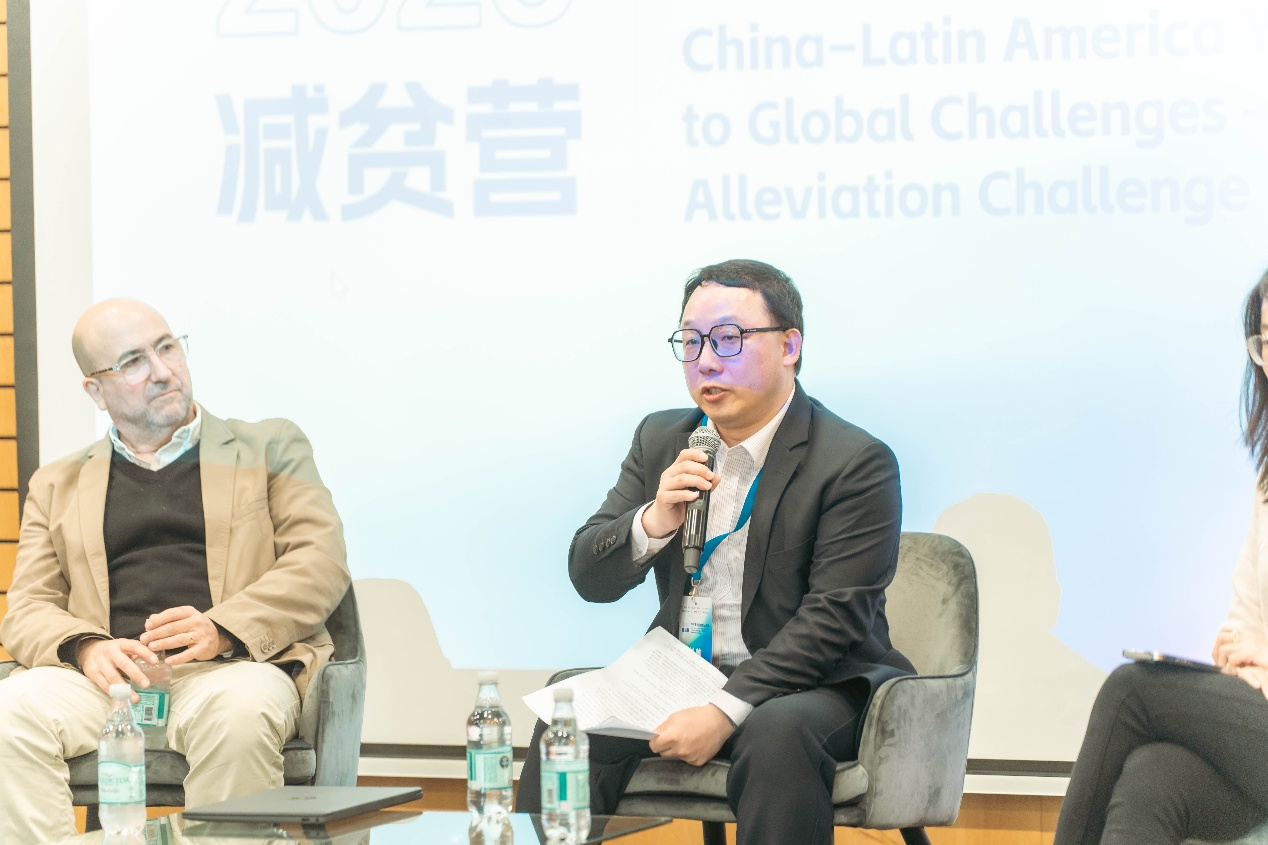
Figure: Speech by Liu Shuai, Country Deputy Head of China Mobile International (Chile)
Zhao Daqi, Director and Researcher at the Institute for Rural Constructions and the Innovation and Entrepreneurship Center of the Rural Revitalization Workstation of Tsinghua University, shared the “Tsinghua Model” of how universities can empower China's rural revitalization. She explained that since its inception in 2017, the Tsinghua University Rural Revitalization Workstation has established 41 sites across 23 provinces by renovating vacant rural houses. The program has organized nearly 1,600 faculty members and students to serve rural communities, leveraging over 400 million RMB in social investment. Its unique “Three-Station-Master” mechanism enables co-governance and joint management among the university, local government, and alumni. Furthermore, she introduced the workstation's evolutionary path from spatial construction to the coordinated development of “space, talent, and industry,” as well as the Rural Construction University Alliance (covering 242 universities) and its rural innovation and entrepreneurship talent training programs. She noted that the challenges facing rural China, such as an aging population and “hollowing out” villages, are highly similar to those in Latin America, and she looked forward to deepening cooperation with teachers and students from Brazil, Chile, and Peru through the Poverty Alleviation Challenge platform to provide Chinese experiences as a reference for Latin American rural development.
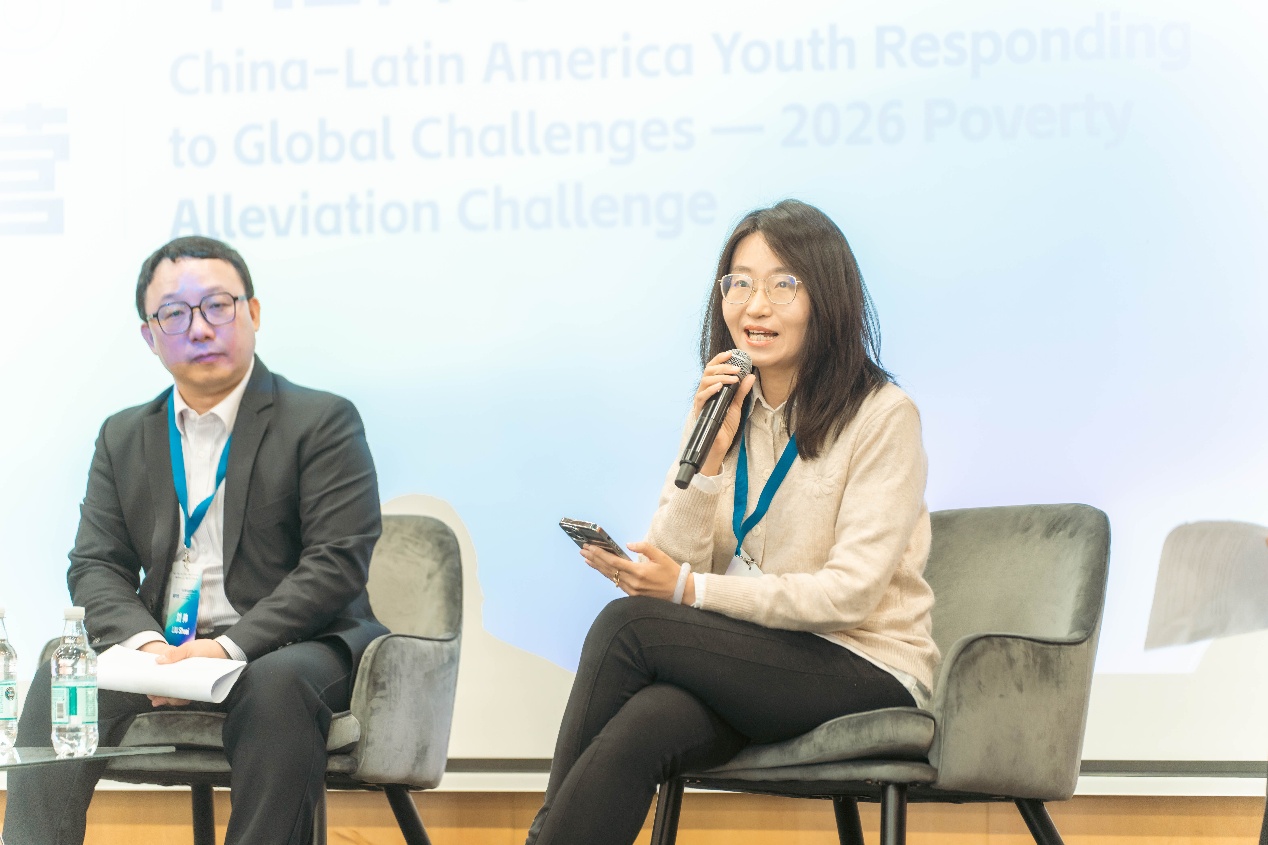
Figure: Zhao Daqi, Director of the Institute for Rural Constructions at Tsinghua University, delivering her speech
In the subsequent round-table discussion, participants from the Poverty Alleviation Challenge posed questions on various dimensions, including the connection between small-scale farmers and industry, project effectiveness assessment methods, and the boundaries between minimum viable standards and personalization. Guests provided in-depth responses based on their experiences in China and Chile. Professor Sofía Boza Martínez noted that cooperatives and industry associations could help small farmers enter high-value channels, such as exports, with higher bargaining power, while adding value through “traditions and storytelling” is equally crucial. Regarding whether project success should be measured by internal quantitative assessments or qualitative community feedback, the guests suggested a hybrid evaluation method that balances overall impact data with the expression of individual community experiences. On the issue of balancing standardization and customization under budget constraints, Rodrigo Hernández Allel introduced Chile’s practice of ensuring construction quality through unified national technical standards while allowing local technical and social work teams to customize solutions for each household. The discussion was rich in content, demonstrating a cross-disciplinary and multi-perspective collision of ideas that provided a diverse range of practical references for the competing teams to refine their proposals.
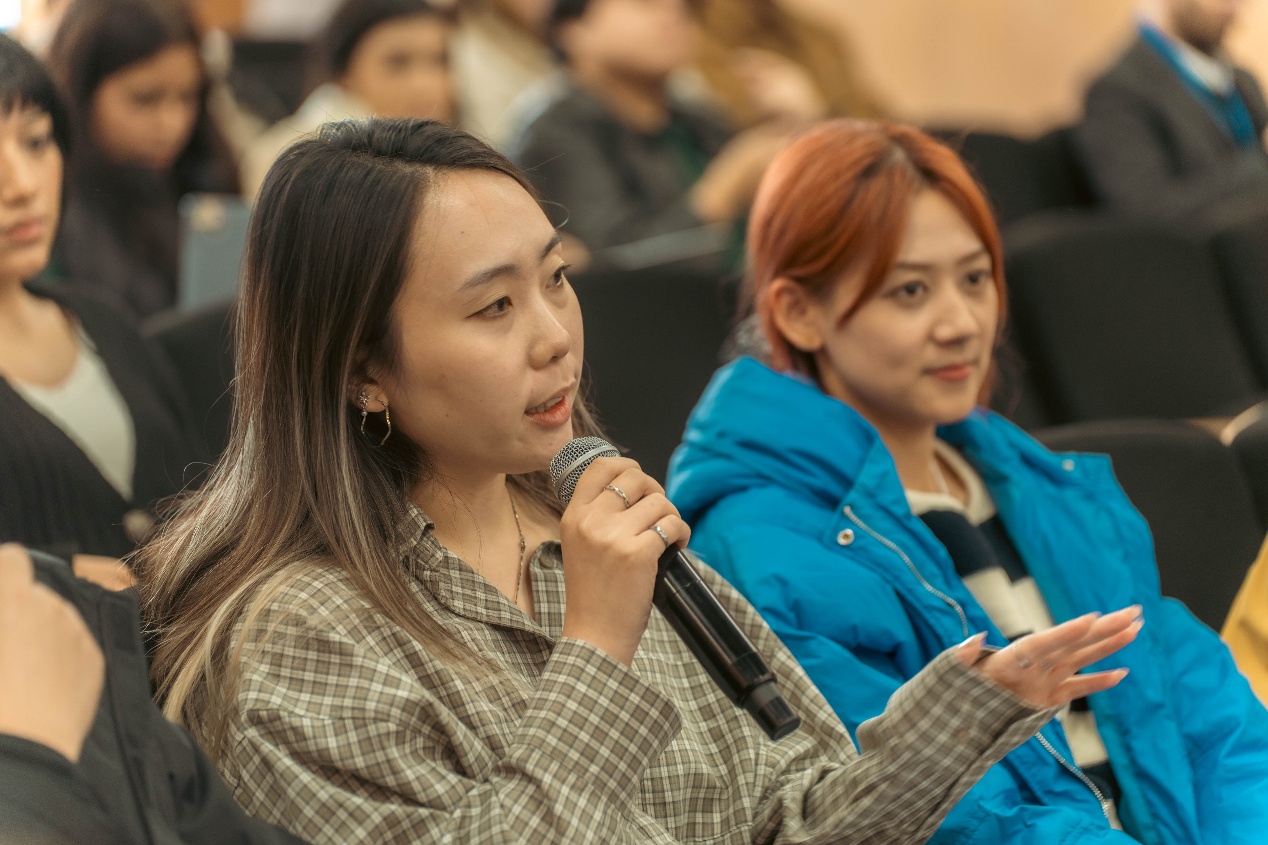
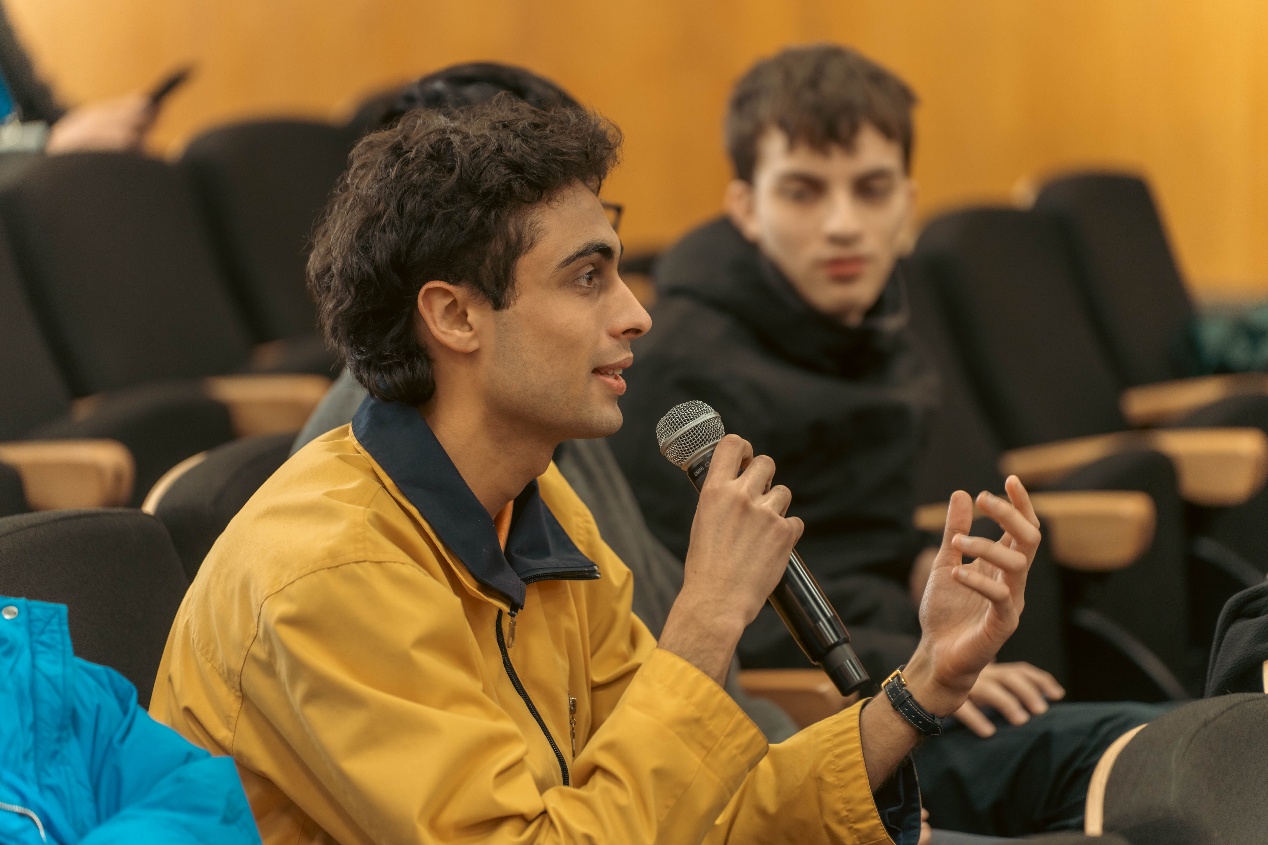
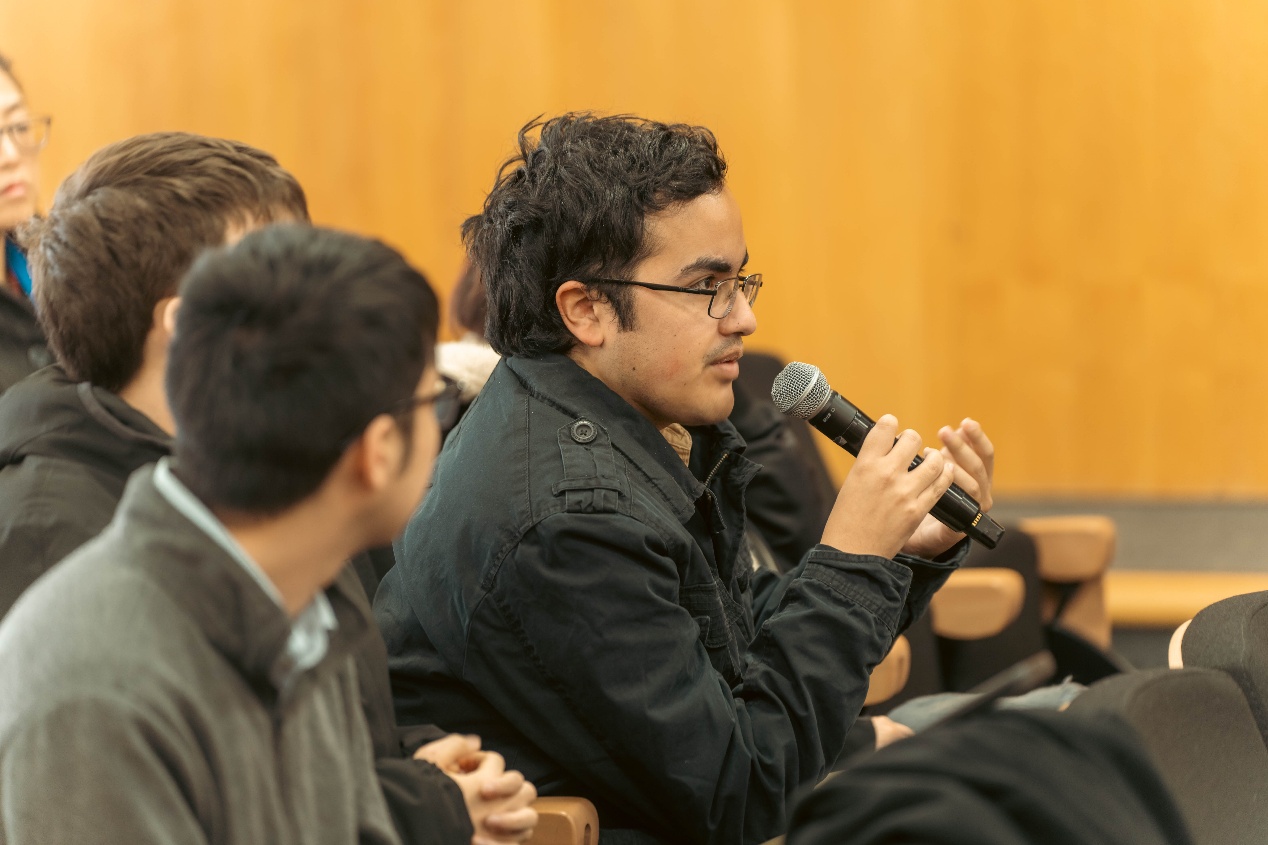
Figure: Round-table discussion session
In the concluding session, Professor Chen Taotao, Professor at the School of Economics and Management (SEM), Tsinghua University; Director of the Tsinghua University Latin America Center; and Director of the Center for China-Latin America Management Studies, SEM, stated that it was a great honor to host this seminar. She noted that the Poverty Alleviation Seminar brought together experts from various institutions and fields, and the insights shared by the guests provided significant inspiration to the participating teams. She emphasized that the Poverty Alleviation Challenge aims not only at mutual learning and sharing moving stories but also at taking a step forward by applying individual thinking and team strength to implement what has been learned. “What you are doing is entrepreneurship; do not be afraid, and ask questions boldly,” she encouraged. She urged the participating students to walk together, adding, “We are standing at the starting point of a new journey. Please believe in yourselves and believe in us—we will always be with you”.
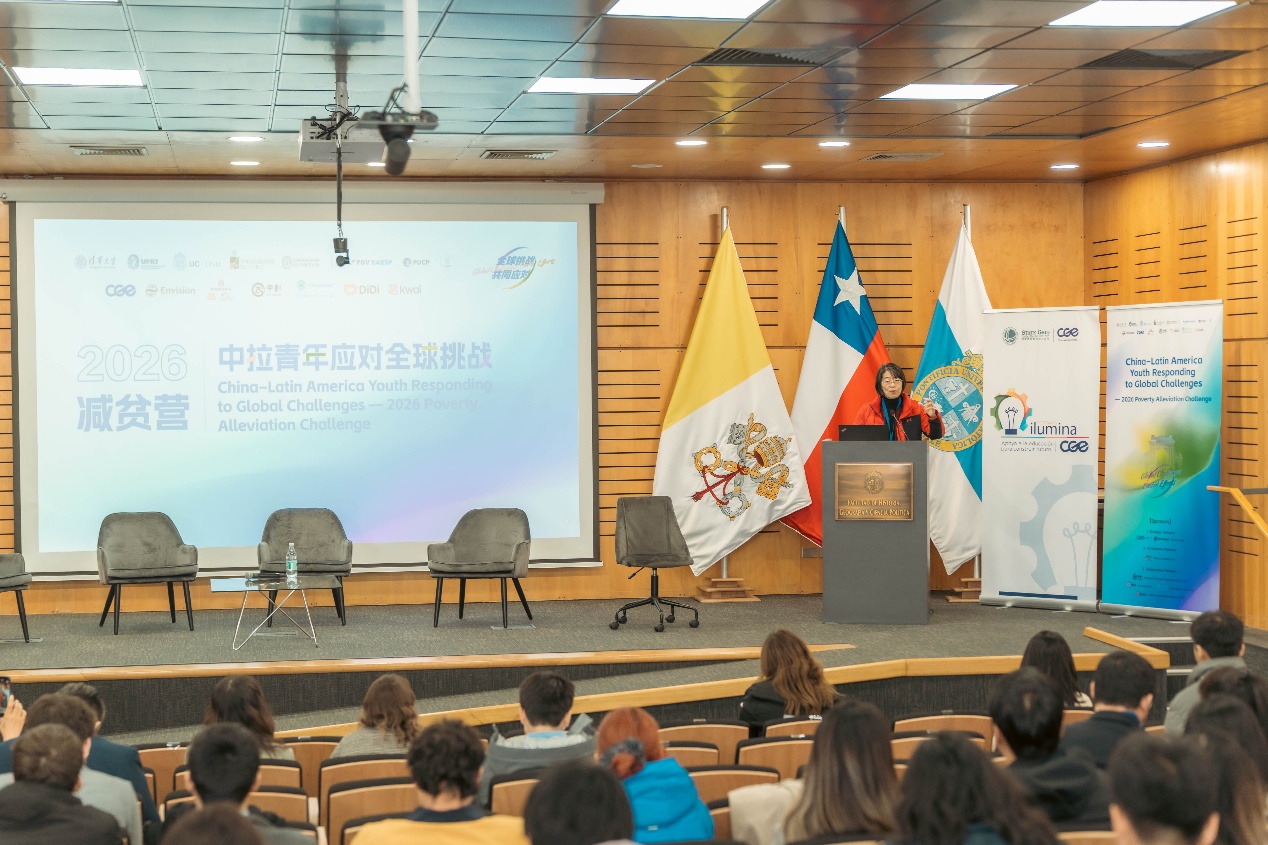
Figure: Professor Chen Taotao delivering her concluding remarks
Through this Poverty Alleviation Seminar, the participating students gained a deeper understanding of poverty alleviation issues and practical paths through face-to-face exchanges with experts. The guests shared their expertise on poverty alleviation theories and practical experiences, focusing on the core theme of “From Pitch to Practice”. They systematically explored how to transform innovative ideas into feasible and sustainable solutions, providing a practical and reliable reference for the contestants to refine their poverty alleviation proposals and clarify their implementation paths.