Chinese and Latin American Youth Unite to Empower Poverty Alleviation
The "2026 Poverty Alleviation Challenge" Roadshow Concludes Successfully
Showcasing Poverty Alleviation Projects, Gathering Multinational Partners
Pooling Institutional Resources, Exploring Practical Solutions
Precision Team Formation to Build Bridges of Collaboration
Converging Diverse Solutions to Empower Sustainable Rural Development
With the Power of Youth, We Forge Global Hope for Poverty Alleviation
Figure 1: China—Latin America Youth Responding to Global Challenges——
2026 Poverty Alleviation Challenge
About the Poverty Alleviation Challenge Program
Poverty alleviation is a common challenge for developing countries and a shared challenge for the whole world. In 2024, the Tsinghua University Latin America Center, Research Center for China-Latin America Management Studies of Tsinghua School of Economics and Management (SEM), and Center for Global Competence Development at Tsinghua University, in collaboration with Latin American university partners, launched and carried out the "China-Latin America Youth Responding to Global Challenges — 2024 Poverty Alleviation Challenge Program" in China, Brazil, and Chile, sparking a wave of university-led poverty alleviation dialogues between China and Latin America. In November of the same year, during Chinese President Xi Jinping's state visit to Brazil to attend the G20 Summit, Tsinghua University and the Federal University of Rio de Janeiro signed a cooperation agreement for this project. The agreement was included in the list of visit outcomes, becoming a landmark project for win-win development between China and Latin America. On this basis, the "2025 Poverty Alleviation Challenge Program," jointly hosted by Tsinghua University and Latin American partner institutions, attracted over 310 teachers and students from 27 universities and enterprises across four countries in China and Latin America, with 12 teams advancing to the cross-national finals held in Chile and Brazil.
The "2026 Poverty Alleviation Challenge Program" will build upon the 2025 edition with greater innovation, injecting new momentum into the global poverty alleviation cause. Through cross-national teaming, competitions, and field research, it will gather the strength of Chinese and Latin American youth to jointly explore poverty alleviation solutions. Winning teams will also have the opportunity to travel to Latin America for study and exchange. If you are eager to inject new momentum into global poverty alleviation, now is the best time to set off.
Introduction
In order to deepen the collaboration between Chinese and Latin American youth in poverty alleviation and promote the transformation of diverse poverty alleviation innovation plans into practice, the first roadshow of the 2026 Poverty Alleviation Challenge was successfully held online on April 21, 2026, at 20:30 Beijing time.This round of roadshow is honored to have invited Professor José Orlando Gomes, the Vice Dean for International Affairs of the Institute of Science and Technology of the Federal University of Rio de Janeiro, to participate online. He will provide guidance and support for the collaboration between Chinese and Latin American youth in poverty alleviation.This first roadshow attracted the participation of seven youth teams from Tsinghua University, Federal University of Rio de Janeiro, State University of Rio de Janeiro, and Federal University of Fluminense, with over 70 participants. Representatives from the Oxford Sophia Wise Responder organization, Vale of Brazil, and FOSIS of Chile gathered online.Carry out preparations for the collaboration and precise team formation between Chinese and Latin American youth in poverty alleviation, laying a solid foundation for the cross-border team formation and project transformation of the 2026 Poverty Alleviation Challenge.The roadshow was hosted by the Tsinghua University Latin America Center team.
Meeting Content Review
Opening Remarks
This roadshow clearly focuses on team project presentations, cross-border team member recruitment, and the release of institutional topics. It aims to provide a display platform for young people with project ideas, build connection channels for those waiting to form teams, and simultaneously collaborate with international high-quality institutions to release official topics, promoting the implementation of poverty alleviation practices between China and Latin America.
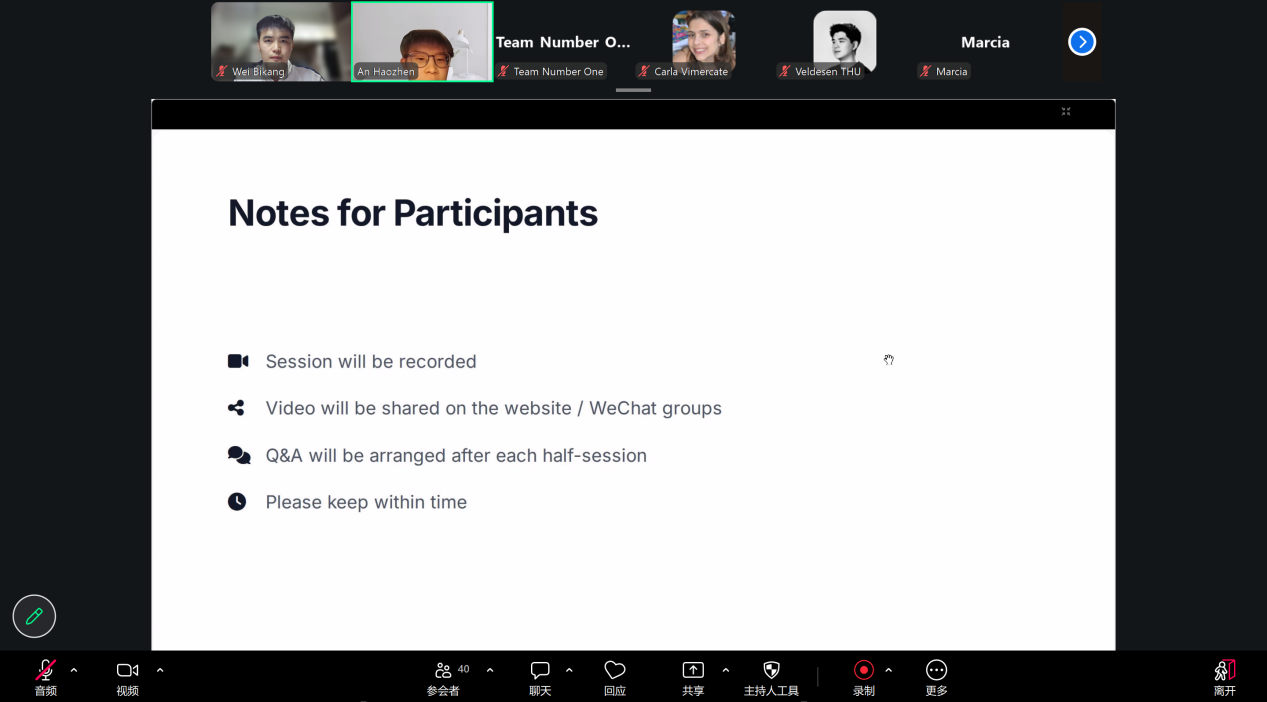
Figure 2:Introduction to the Roadshow Process
Student Presentation Session
The "2026 Poverty Alleviation Challenge" successfully held the student presentation session. Seven young teams from China and Latin America took turns to present their projects. Each team's presentation lasted approximately 5 minutes. The teams shared their core project concepts, current progress, team composition, and recruitment needs for cross-border team members from other countries. They focused on key poverty alleviation areas such as rural revitalization, grassroots rule of law, green transportation, energy and water resources, children's health, educational equity, and soil improvement. This provided rich directions and solid support for the selection of topics and collaboration between Chinese and Latin American young cross-border teams.
The AMURTA team from Tsinghua University is promoting rural revitalization through culture, design and innovation. They are leveraging AI-assisted design, youth participation and community collaboration to create replicable poverty alleviation solutions. Currently, they have completed the direction definition and case collection, and are now recruiting members with backgrounds in cultural heritage and design from Latin America.
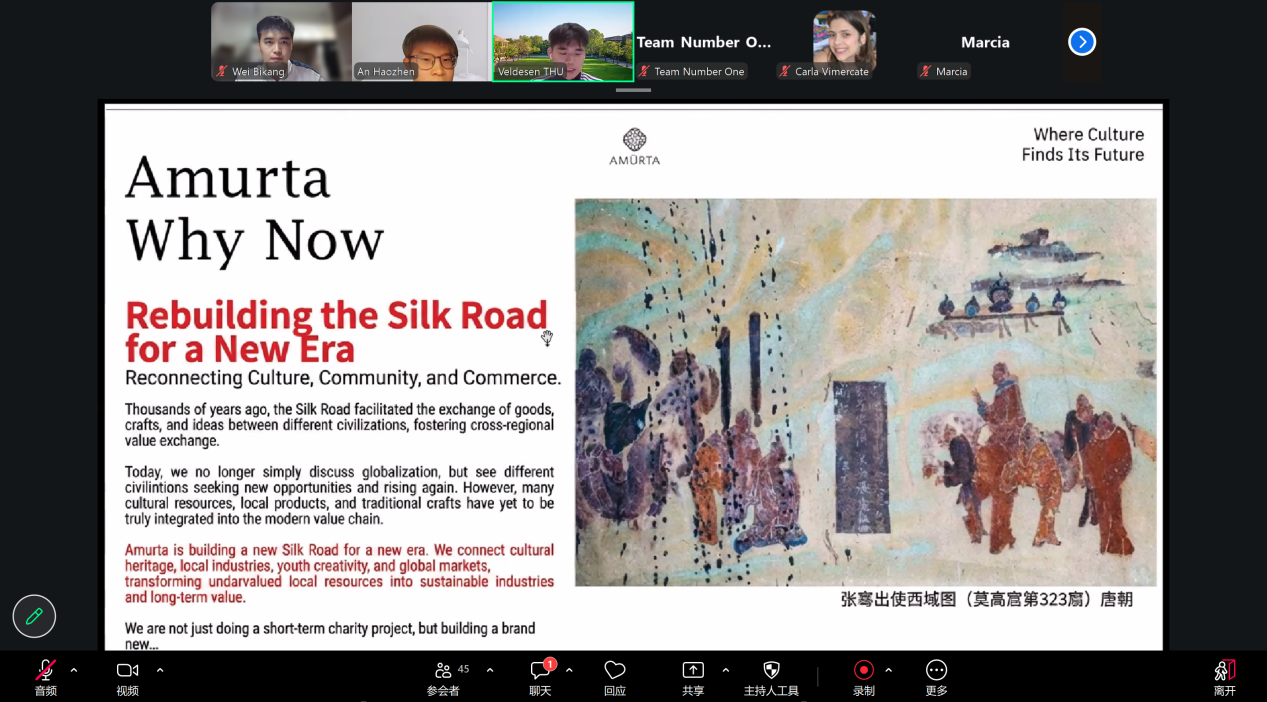
Figure 3: The AMURTA team Project Introduction
The "Number One" team of Tsinghua University is dedicated to establishing a "Handshake Village" low-cost legal mediation network. Through grassroots mediation and mobile service stations, they aim to safeguard the rights of vulnerable groups in rural areas and prevent poverty recurrence. They are conducting comparative research on mediation practices between China and other countries and are recruiting partners from Latin America who are concerned about grassroots poverty alleviation.
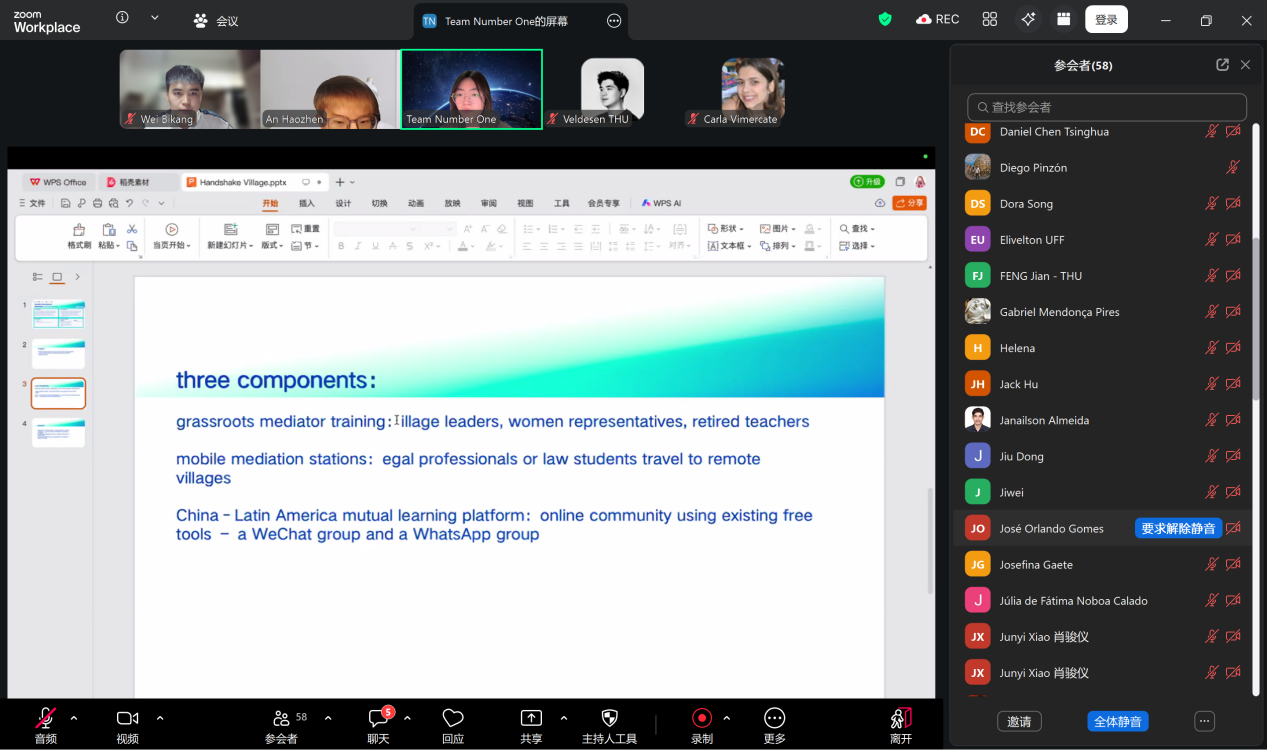
Figure 4: the Number One Team Project Roadshow
The AssistPower team from Tsinghua University is developing an electric-assist system for bicycles, designed to handle the challenging terrain in rural areas, serve the elderly, commuters, and those engaged in low-carbon transportation and delivery. Currently, they are finalizing the project framework and are recruiting members in fields such as mechanics, electrical engineering, and data analysis for Latin America.
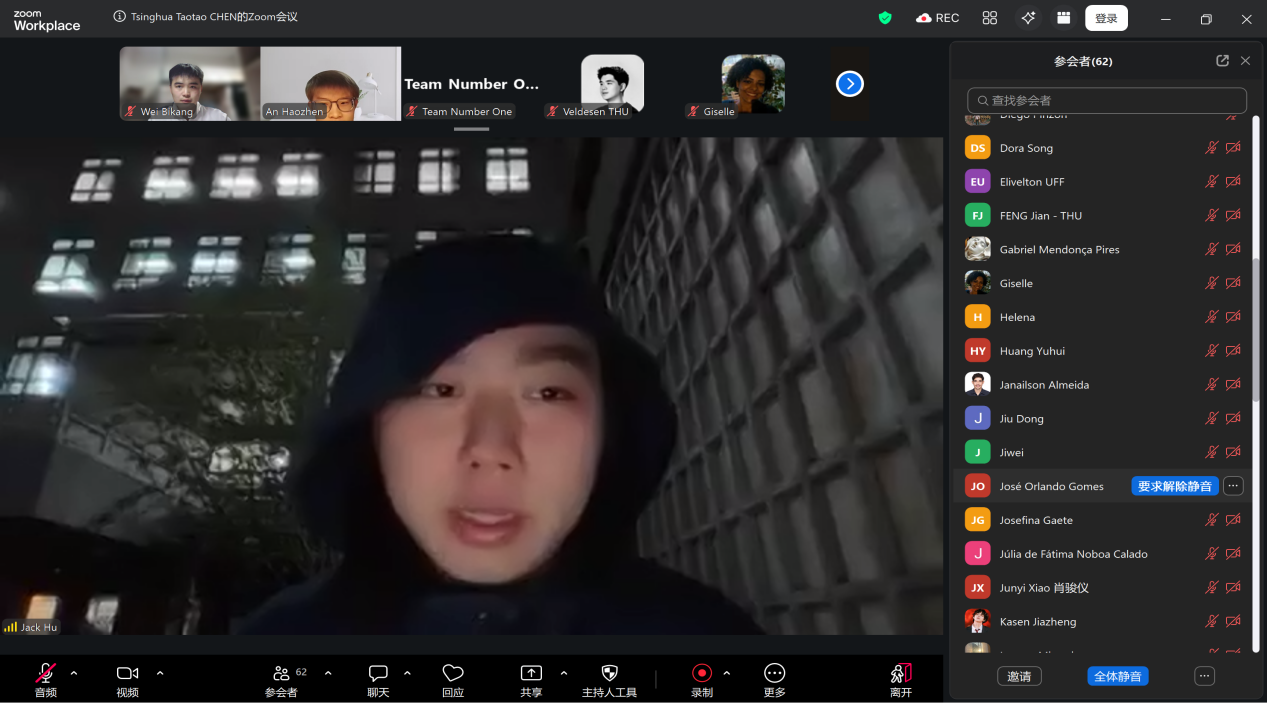
Figure 5: the AssistPower Team Project Presentation
The AtomRise team, composed of the Federal University of Rio de Janeiro and Tsinghua University, focuses on addressing the energy shortage and clean water problems in remote communities. They achieve combined heat and power generation through small modular reactors, simultaneously providing hydropower and enhancing community resilience. They are recruiting young energy professionals with project management capabilities from Latin America.
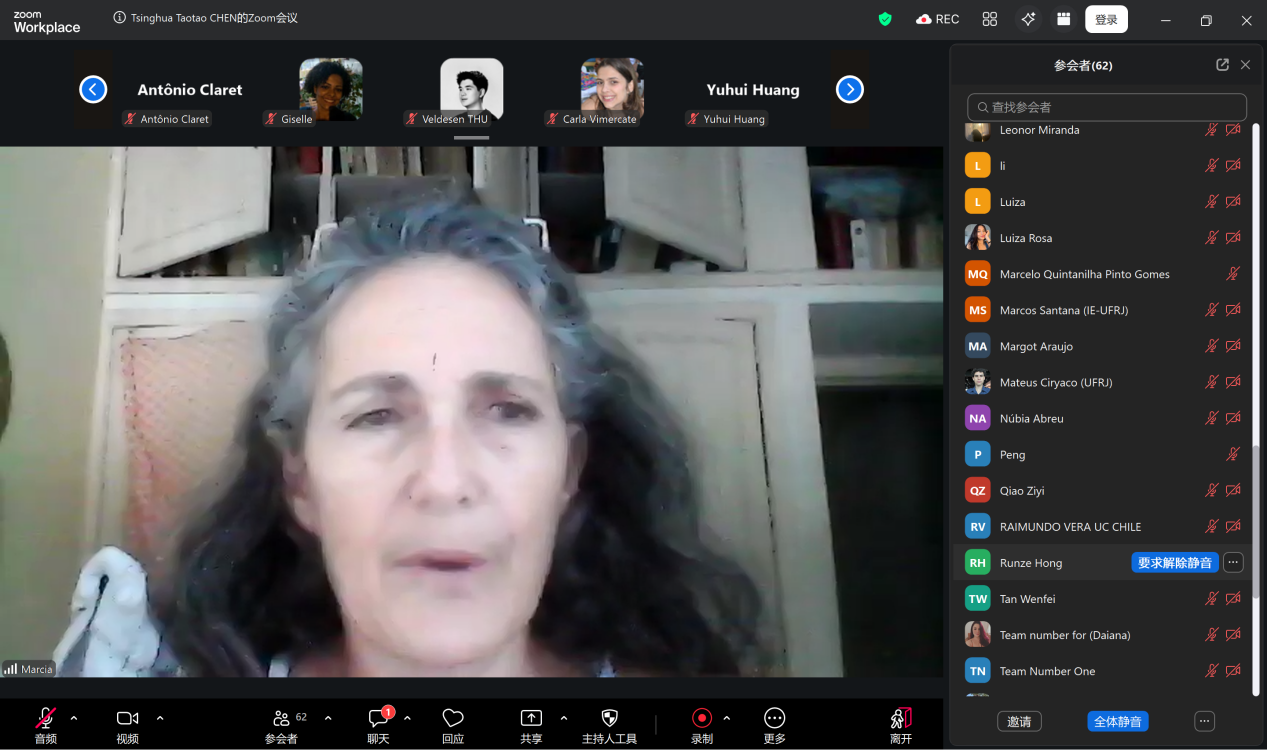
Figure 6: the AtomRise Team Project Introduction
The Galaxy team from the State University of Rio de Janeiro and the Federal University of Rio Grande do Norte in Brazil are focusing on the early nutrition of infants from low-income groups. Their core objective is to promote breastfeeding. They have designed various support strategies to address parenting misconceptions. The team has completed the initial project discussions and is currently only accepting participants from the fields of public health and child development for communication.
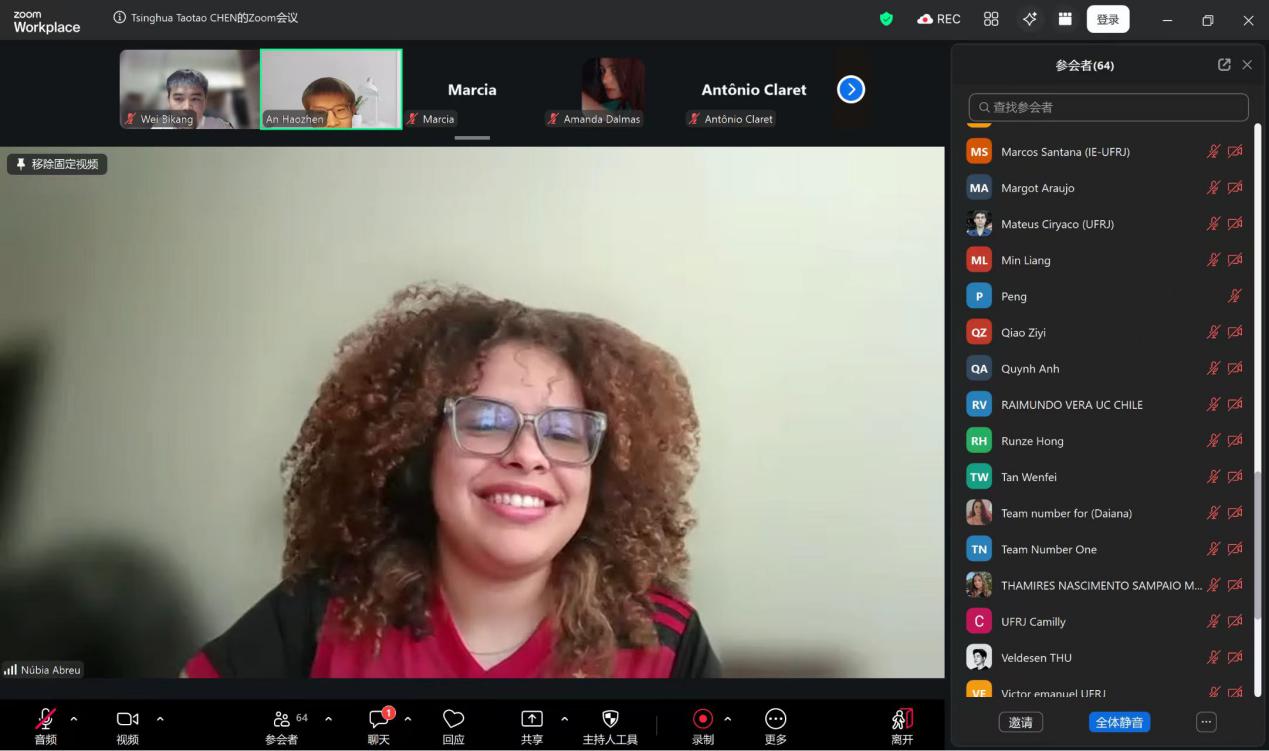
Figure 7: the Galaxy Team Project Sharing
The ASCENT-ED team from the Federal University of Fluminense in Brazil has been deeply engaged in the field of education poverty alleviation. They conduct research on issues such as illiteracy, dropout rates, and unequal access to education, providing data support and policy recommendations for educational equity and poverty alleviation practices in Latin America. The team recruits members with educational backgrounds and a focus on addressing inequality issues in Latin America, targeting both China and other Latin American countries.
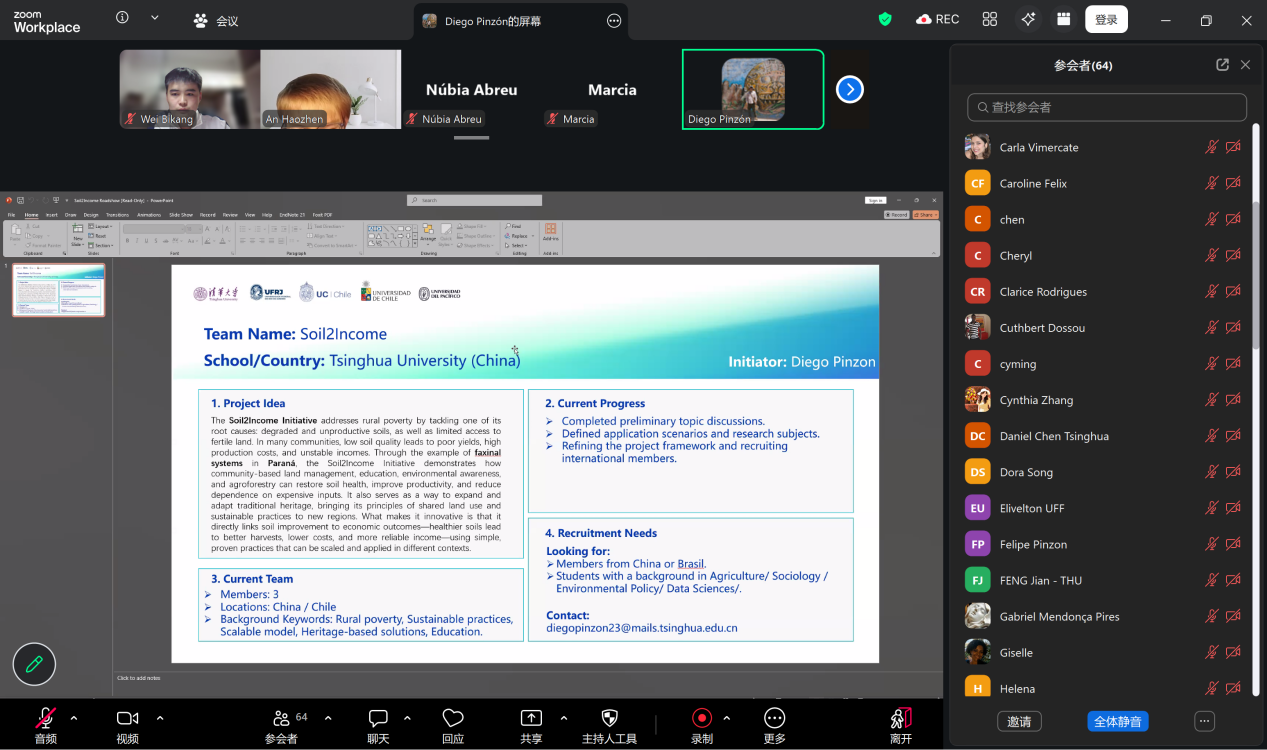
Figure 8: the ASCENT-ED Team Project Roadshow
The Soil2Income team from Tsinghua University directly addresses the issue of rural poverty by focusing on soil improvement. Through sustainable agricultural practices, they aim to enhance soil quality and increase farmers' income, creating a replicable model for agricultural poverty alleviation. They are currently recruiting members in the fields of agriculture and environmental policy from China and Brazil.
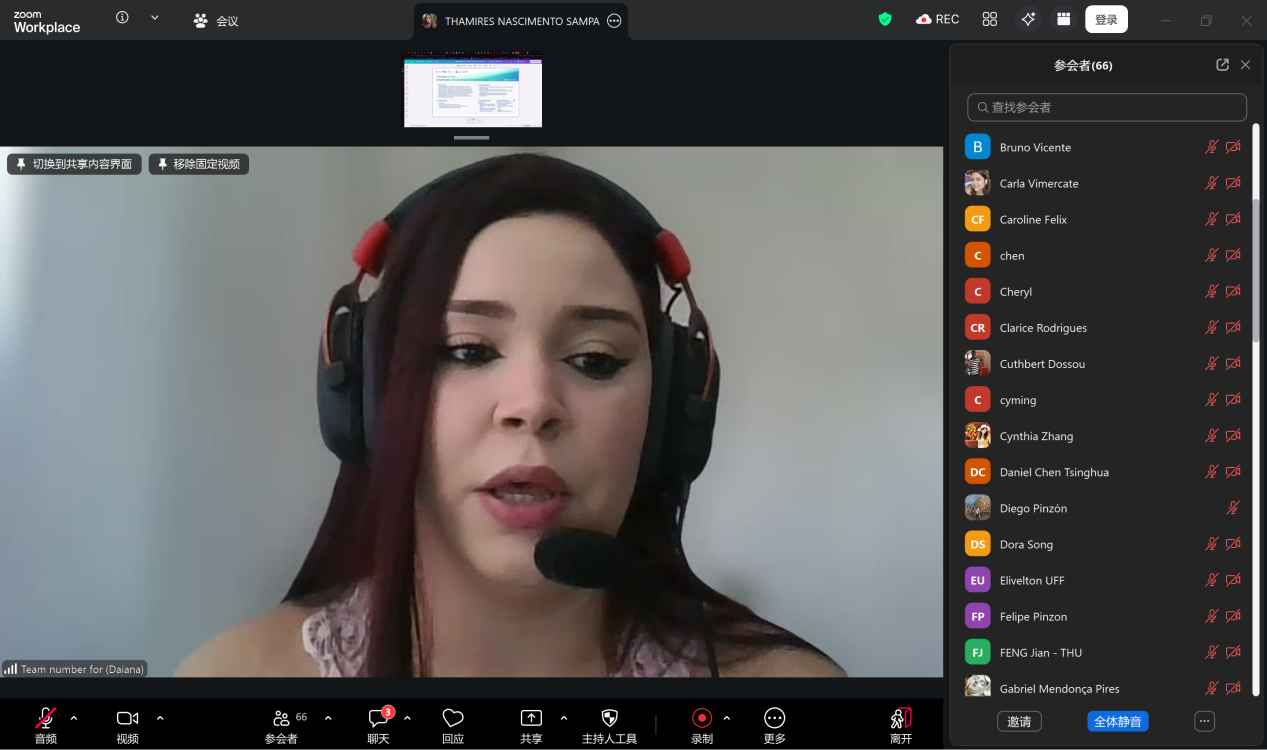
Figure 9: the Soil2Income Team Project Introduction
Institutional Proposition Release
The institutional proposition session of the "2026 Poverty alleviation Challenge" roadshow was successfully held. The three institutions, Wise Responder, Vale of Brazil, and FOSIS of Chile, successively combined their professional advantages and poverty alleviation practices in Latin America to release official poverty alleviation topics and cooperation directions. Provide topic guidance, methodological support and implementation resources for Chinese and Latin American youth to form cross-border teams and carry out innovative practices, closely adhering to the core of multi-dimensional poverty governance and in line with the actual needs of the Latin American region throughout the process.
Mr. Antônio Claret,the Chief Research Officer of Wise Responder, shared on the spot that this institution originated from Oxford University and operates based on the Alkier-Foster multi-dimensional poverty measurement method of the Oxford Poverty and Human Development Initiative (OPHI). It has established a joint venture with the Brazilian H&P Company,Wise Decisions,and has extended the multi-dimensional poverty index (MPI) to the private sector and local governments in the Latin American region.
Based on long-term practice and research on multi-dimensional poverty indices in various Latin American countries,this institution focuses on the core areas of poverty in Latin America and releases four poverty alleviation propositions for young people from China and Latin America:education,health,labor,and housing. It provides research frameworks and practical guidance for the youth projects, and Mr. Antônio Claret will participate in the project guidance as a mentor throughout the process.
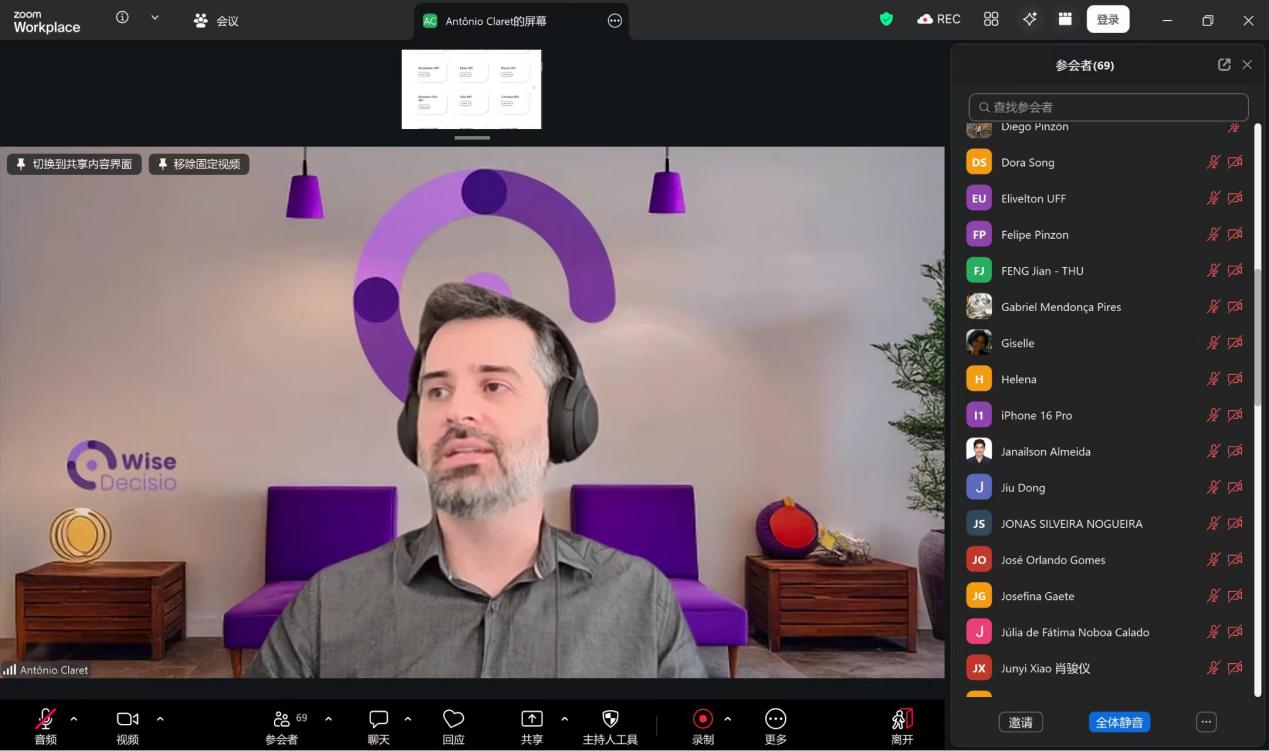
Figure 10: Antônio Claret Releases Poverty Alleviation Proposition
Ms. Carla Vimercate, a social investment analyst at Vale, a Brazilian multinational enterprise with a strong presence in Latin America, explained that poverty is a multi-dimensional phenomenon and requires targeted measures tailored to different urban and rural scenarios. Vale has launched the "Join Hands to Combat Poverty" special project, using a multi-dimensional poverty index as the core tool. It sets five dimensions of assistance: education, nutrition, health, infrastructure, and income. Through multi-dimensional monitoring of families and the integration of public policies and social forces, it conducts integrated poverty alleviation assistance.
The project focuses on key indicators of people's livelihood. In the health sector, it pays attention to prenatal check-ups and vaccination for pregnant women, and in the education sector, it covers out-of-school children and adult education. In the infrastructure sector, it focuses on access to clean water, sanitation facilities, and safe energy. During this roadshow, Vale released practical topics in five directions: education, health, income, infrastructure, and nutrition. It looks forward to collaborating with young people from China and Latin America to create poverty alleviation solutions that are feasible and scalable.
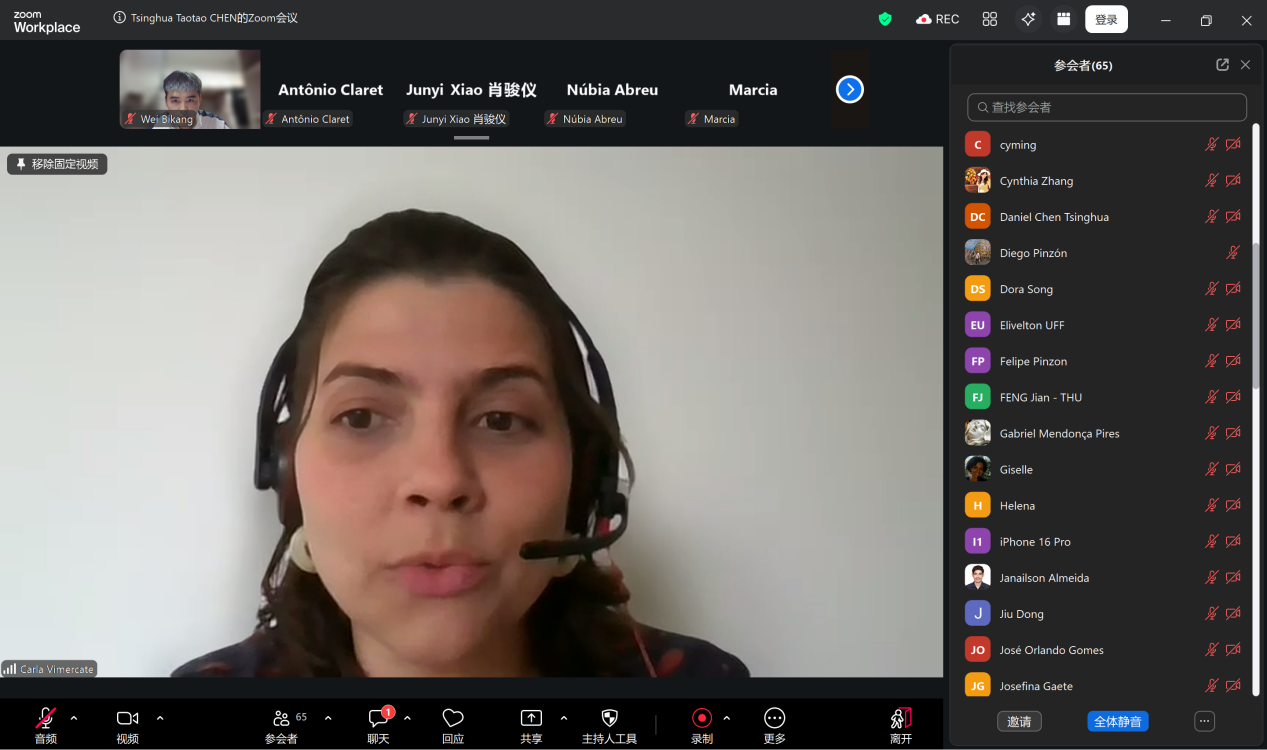
Figure 11: Carla Vimercate Illustrates Poverty Alleviation Projects
Ms. Karen from the International Cooperation Department of the Chilean Solidarity and Social Investment Fund (FOSIS) delivered a speech on behalf of the organization. FOSIS is an official institution affiliated with the Chilean Ministry of Social Development and Family, and its core mission is to help Chile eliminate multidimensional poverty by strengthening social cohesion and enhancing the capabilities of individuals and communities.
The organization conducts local poverty alleviation practices based on four core social projects: the Livable Project improves the housing and living facilities of the poor; the Employment Project provides guidance, capacity building and sustainable small-scale funding to poor micro-businesses; the Self-Reliance and Regional Development Project ensures food security through food banks and vegetable garden cultivation; the Family Project conducts family social intervention for children and mothers. FOSIS participated in the previous China-Latin America Poverty Alleviation Challenge and this time, it has released a research topic based on the organization's core business and the needs of multidimensional poverty governance. It looks forward to working with young people from China and Latin America to explore localized and implementable poverty alleviation paths.
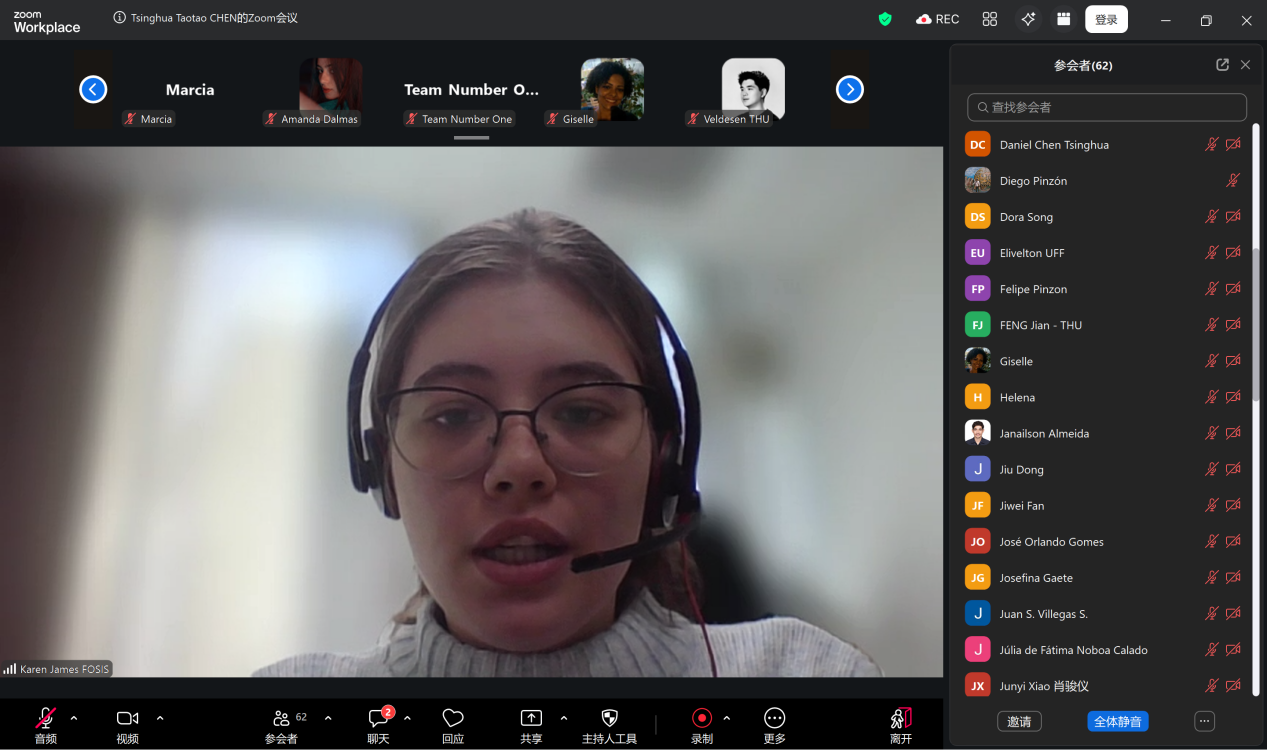
Figure 12 : Karen Introduces Poverty Alleviation Projects
Closing Summary
The first roadshow of the 2026 Poverty Alleviation Challenge was successfully held this time. The event successfully brought together the innovative forces of young people from China and Latin America, linked up with high-quality international institutional resources, and accomplished the core goals of project presentation, team recruitment, proposition release, and cross-border collaboration. This paved the foundation for the cross-border team formation and project implementation of the 2026 China-Latin America Poverty Alleviation Challenge. This roadshow was just the beginning. The Latin American Center will continue to hold roadshow activities every week. We warmly welcome more teams, individuals, and interested partners to participate in the event in the future.
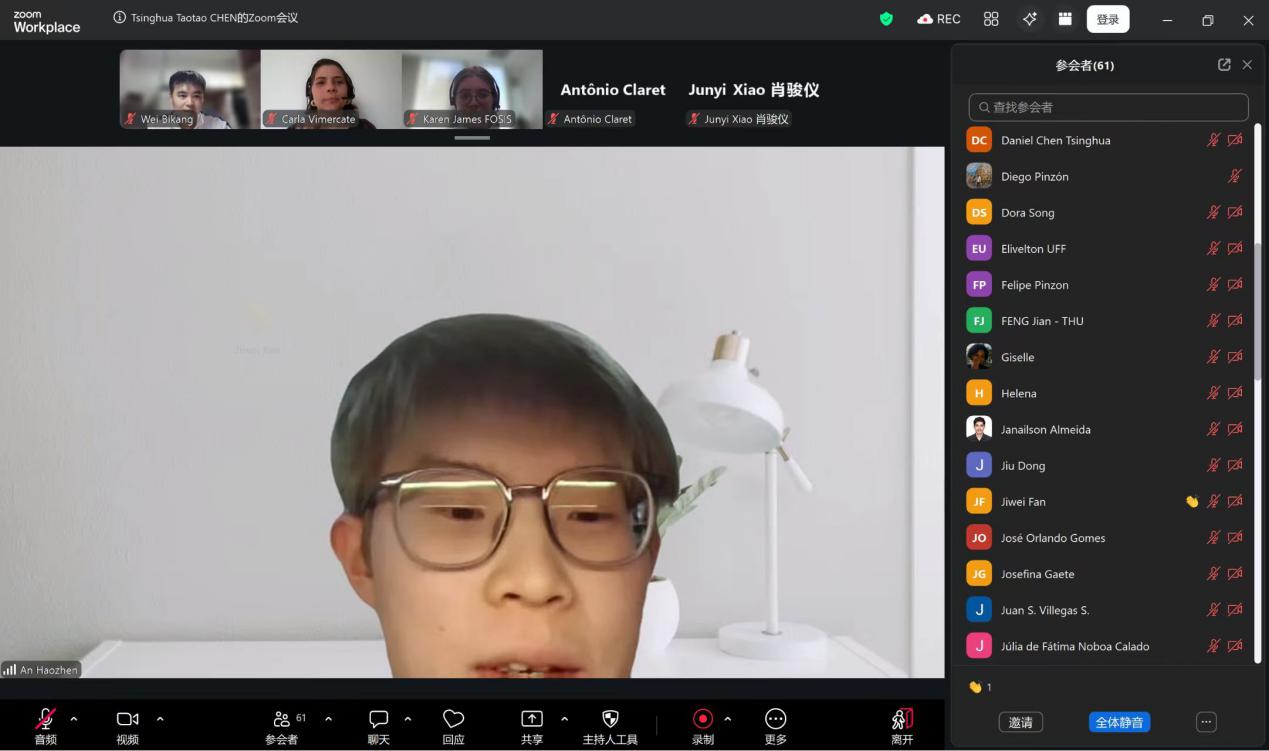
Figure 13: Closing Summary
Conclusion
The roadshow brings together wisdom and strength, and collaboratively helps with poverty alleviation. This roadshow has established a cross-border team-building bridge for the "2026 Poverty Alleviation Challenge", enabling precise alignment of young innovative solutions with the poverty alleviation needs of Latin American communities. In the future, we look forward to young people from China and Latin America working together to achieve collaboration and practical action, so as to ensure the steady and far-reaching progress of global poverty alleviation efforts.
The roadshow replay video is here!Enjoy a quick review of the highlights:
Link: https://us02web.zoom.us/rec/share/mL0QiaB5mlkP3J23EudNaAKS3IR7c-Ph0soxi-qIl-7nIwh-EmvfmAuTQ2ULkQWW.wnEkLDlTB65rTyMr
Password: TCBT9mC!